





 Portuguese
  English
  Spanish
 4 min of reading
  0 comments


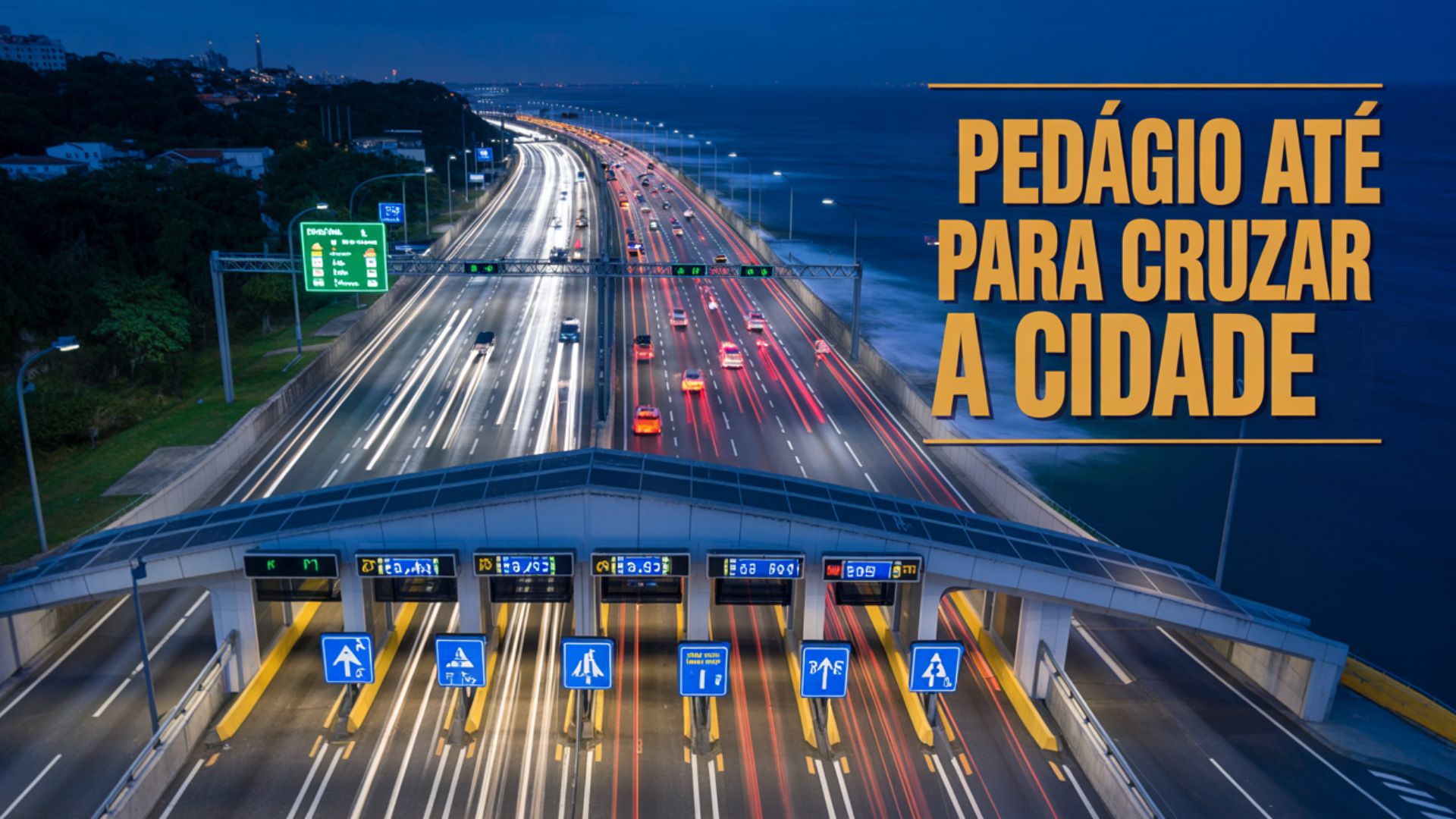
New Electronic Tolls Begin to Transform Traffic on the Main Highways of the São Paulo Coast, Promising Changes in the Routine of Drivers and Residents, as Well as Provoking Reactions and Debates in the Region.
Residents and drivers traveling through Baixada Santista and the São Paulo coast will encounter, starting in July 2025, the installation of 12 new electronic tolls in the system known as free flow along the main highways of the region.
According to information from the site Diário do Litoral, the system, which has already begun to be implemented, is included in the concession contract signed between the Government of the State of São Paulo and the concessionaire Novo Litoral, responsible for the management of 212 kilometers of state highways, covering roads such as Manuel da Nóbrega and Doutor Manuel Hipólito Rego (SP-055).
According to the document, in total, there will be 15 toll gantries spread throughout the concession area, of which most — 12 units — will be concentrated on the SP-055, affecting both local traffic and intercity travel.
-
Chocolate prices soar nearly 15% and become a luxury item for Easter 2026, with increases surpassing inflation and changes in Brazilian consumption habits.

-
The Federal Revenue issues a good alert for Brazilian taxpayers: 60.9% are already using the pre-filled tax return, automatic refunds via Pix reach millions, and the government plans for a fully automated income tax in the coming years.

-
India announces a plan of $3.06 billion to bring aviation to forgotten regions: 100 new airports, $1.07 billion in subsidies, and regional routes guaranteed for 10 years, from 2026 to 2036, away from the centers.
-
Brazil blocked a proposal from the United States at the WTO that would make the exemption from tariffs on digital products like streaming and ebooks permanent, favoring American tech giants at the expense of developing countries.


This change directly impacts the routine of those who depend on the roads for work, study, or accessing essential services, as is the case for residents of the Caruara area, who will now cross two toll points to reach downtown Santos.
The introduction of the free flow system — a model in which the fee is charged electronically based on the distance traveled, without the need to stop at booths — marks a significant change in the traffic experience in the region.
The model aims to increase traffic flow, eliminating queues and reducing the need for stops, but raises questions regarding increased expenses for frequent users and local residents.
What Changes for Drivers on the São Paulo Coast
The main novelty is the automatic and segmented charging: drivers will have their toll calculated based on the distance traveled within the concession area, with automatic plate reading and electronic systems installed in vehicles.
According to the contract, the initial value of each toll is set at approximately R$ 2, with the possibility of discounts of up to 20% for frequent users, as specified in the notice.
The installation of the gantries has been detailed by the concessionaire Novo Litoral, which has already completed the implementation of units in Pedro de Toledo and Caruara, and is set to expand to other planned points on highways SP-055, SP-088, and SP-098 in the coming months.
The company states that it will only begin charging after completing improvement works and meeting technical requirements for safety and comfort defined in the contract.
Countermeasures and Obligations of the New Free Flow System
Among the countermeasures presented by the concessionaire to justify the implementation of the new toll model are the expansion of pre-hospital care services, the presence of mobile ICUs, vehicle removal, fire fighting, and the creation of eight user service posts (SAUs), operating 24 hours a day.
In addition to these services, a road maintenance program was announced, which plans investments in paving, signaling, drainage, and other items considered essential to ensure the safety and quality of the highways.
These improvements, according to the company, aim to meet needs that have arisen with the new concession model.
However, local residents and representatives highlight that a large part of these services was already provided by the Department of Roads (DER), a state agency that managed the roads without direct costs to users.
According to reports, the DER provided satisfactory service, with no recent history of significant complaints regarding the previous public management.
Population Reaction to the New Electronic Tolls
The news about the installation of the new tolls provoked a strong reaction among the inhabitants of the affected cities.
In the Caruara area, for example, the possibility of paying multiple tolls for daily commutes caused dissatisfaction and led to the creation of an online petition to try to block the implementation of the gantries.
The movement, which gained support from various segments, highlights concerns that the tolls may make the cost of living even higher for those who depend on the highways to travel between neighborhoods and neighboring municipalities.
Meanwhile, groups of councilors and local leaders are debating the topic in public hearings and legislative sessions, seeking solutions or alternatives to minimize the financial impact of the new tolls, particularly for residents and workers living near the gantries.
The central concern revolves around the potential difficulty of accessing services and the reduction of urban mobility in Baixada Santista.
How the Free Flow System Works on State Highways
The free flow system, an English term meaning “free flow,” already used in other countries, is now being expanded into the state of São Paulo.
With it, there will be no more physical toll plazas or need to reduce speed: sensors and cameras automatically identify each vehicle and charge the fee proportionate to the distance traveled, all electronically.
For occasional users, charges will be made through invoices generated by the system, while frequent drivers will have the option to join plans with progressive discounts.
The concessionaire Novo Litoral, which officially took over the management of the highways in November 2024 for a period of 30 years, claims that all information regarding operation, rates, and discounts will be widely disseminated through official channels, aiming to ensure transparency and guide users on the new circulation rules.
Do you believe that the implementation of the new electronic tolls on the São Paulo coast could influence property values and urban development in the cities of the region?






Seja o primeiro a reagir!