





 Portuguese
  English
  Spanish
  4 min of reading
  0 comments


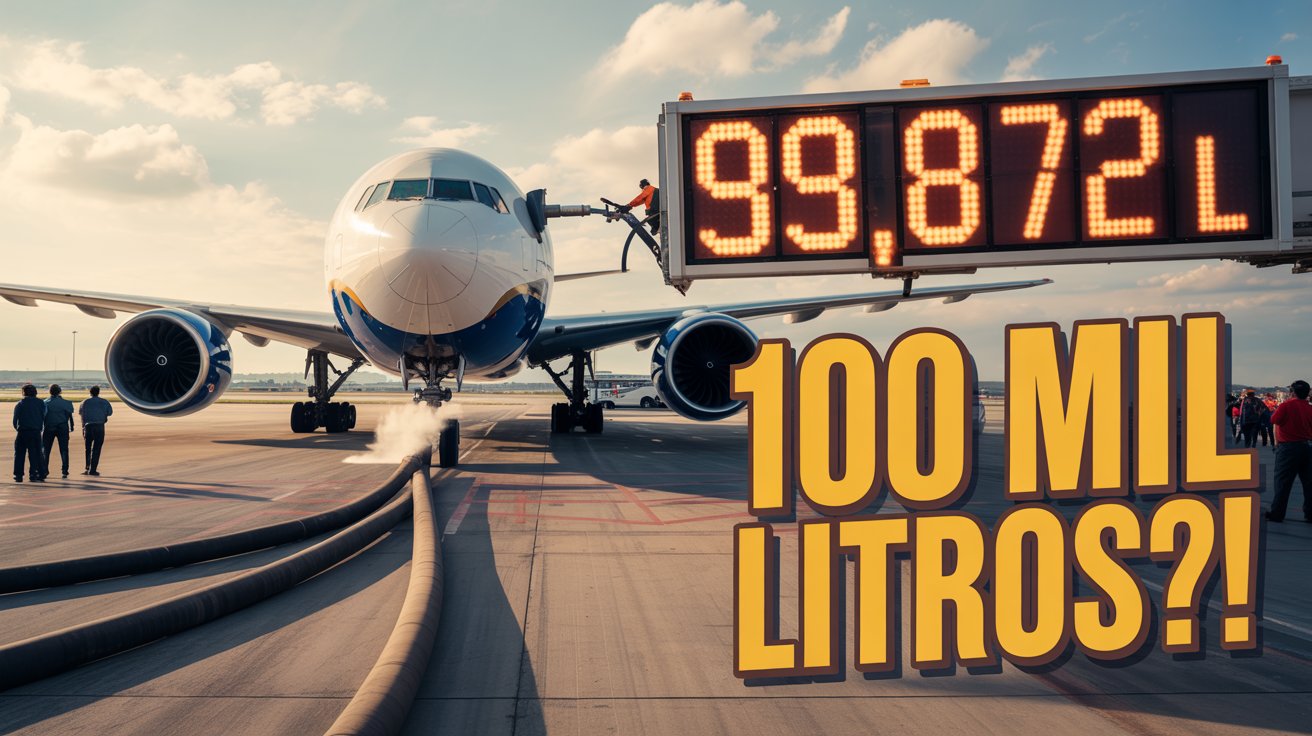
The Aircraft Refueling Process Involves Rigorous Calculations, International Standards, and Cutting-Edge Technology to Ensure Safety, Efficiency, and Reduced Environmental Impact. The Operation is Strategic and Requires Highly Skilled Professionals.
The refueling of aircraft is a highly technical operation, fundamental to modern aviation and directly linked to the safety of passengers and crew.
At large or regional airports, the refueling process involves strict protocols, trained professionals, and precision equipment, resulting in logistics that go beyond the simple act of filling tanks.
Every detail is planned based on international standards and standardized procedures, making refueling a strategic step for the operational efficiency of airlines.
-
5,000-year-old bacteria found frozen in a cave in Romania already shows resistance to modern antibiotics and raises a global scientific alert about the future of infections.

-
Scientists thaw microbes trapped in Alaska for 40,000 years, discovering that they reorganize, become active again, and start releasing greenhouse gases in a troubling climate alert.

-
China is erecting a mega project in Tibet worth $167 billion and 60 GW that could become the largest individual source of energy in the world and, at the same time, one of the biggest geopolitical bombs in Asia.

-
Alone in space, a wandering planet without a star is consuming 6 billion tons per second, setting a record that challenges astronomy and reignites the debate on how planets and stars actually form.

Fuel Refueling Calculation
Right at the beginning of the process, flight engineers and pilots delve into detailed calculations to determine the amount of fuel that will be used at each stage of the journey.
These professionals consider variables such as the aircraft model, the distance to be traveled, the forecasted weather conditions, the total weight on board (including passengers, cargo, and baggage), as well as alternative routes and potential unforeseen events along the way.
The accuracy of these calculations is essential: an inadequate amount can compromise both safety and the economic viability of the flight.
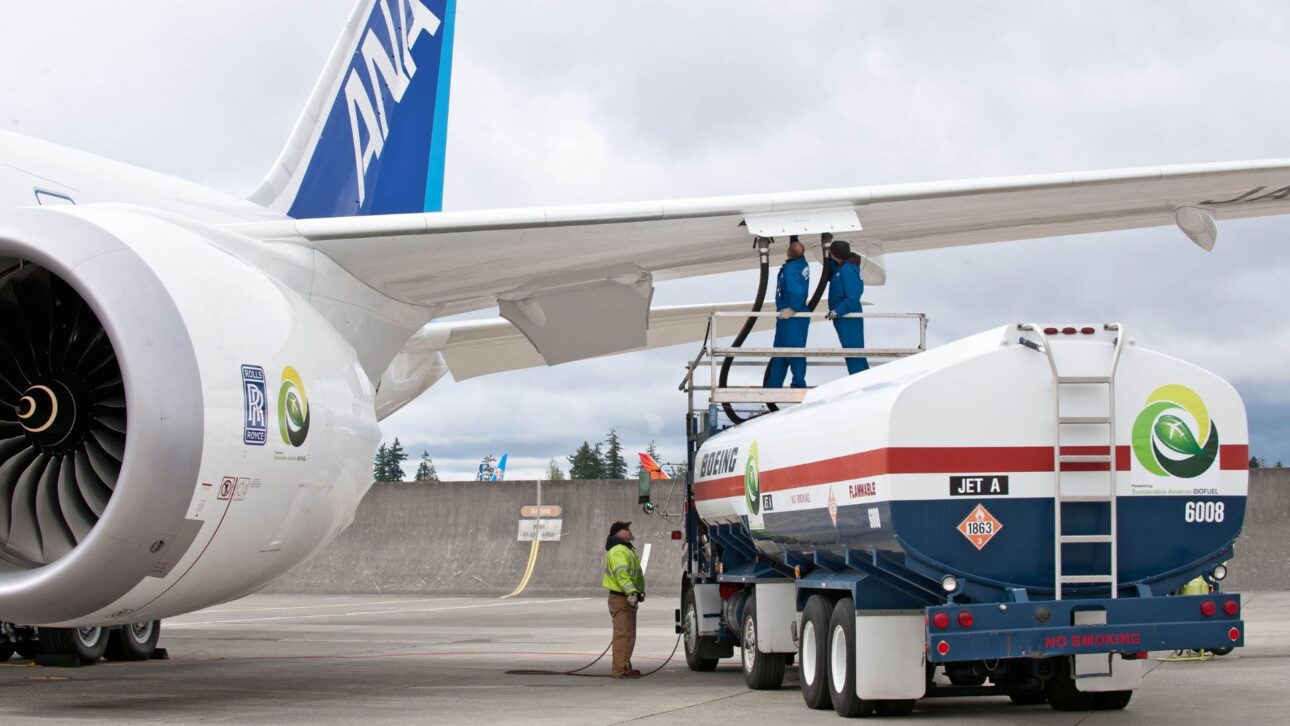
How Aircraft Refueling Works
The refueling operation usually takes place while the aircraft is still parked on the airport tarmac, using special tanker trucks or underground hydrant systems connected directly to the plane.
The entire procedure is conducted by specialized teams who follow strict regulations from the National Civil Aviation Agency (ANAC) and international standards from the International Air Transport Association (IATA).
Verification steps include checking pump pressure, confirming the exact amount transferred, and analyzing fuel quality before refueling begins.
Types of Fuels Used in Aviation
The most commonly used fuel in commercial aviation is aviation kerosene (QAV-1), recognized for its thermal stability and efficiency at high altitudes.
Smaller aircraft, such as air taxis, single-engine planes, and private jets, often use aviation gasoline (AVGAS), which is suitable for piston engines.
The choice of fuel type depends on the engine’s technical specifications, the aircraft’s certification, and the flight profile.
Average Fuel Consumption on Flights
Behind the scenes of a commercial flight, such as those operated by major airlines on domestic and international routes, fuel consumption is a variable that can be surprising.
For example, a Boeing 737 consumes on average about 2,500 liters per hour in cruise mode.
On intercontinental flights, models like the Boeing 777 or Airbus A350 can exceed 100,000 liters in a single journey, especially on routes longer than 10,000 kilometers.
The magnitude of these numbers reinforces the central role of efficient fuel management in the aviation sector.
Safety Margins and Planning
The determination of the amount of fuel each aircraft should receive follows meticulous calculations, adjusted even moments before boarding, taking into account the latest weather information, weight restrictions, and any route changes.
According to international regulations, every flight plan must account not only for the fuel necessary for the main journey but also for strategic reserves to alternate airports in case of emergency, wait for landing clearances, and deal with possible delays in approach.
This means that safety is always prioritized, even if it involves transporting extra fuel.
Technology and Control in Aircraft Refueling
In addition to technical rigor, aircraft refueling involves cutting-edge technology for real-time monitoring of the transferred volume, fuel temperature, and system integrity.
Electronic devices prevent the risk of contamination, leaks, or any variation outside the established standard.
Additionally, all aircraft tanks undergo regular inspections and preventive maintenance, following a schedule defined by the manufacturer and regulatory agencies.
Energy Efficiency and Environmental Challenges
This topic becomes even more relevant in the global context of the search for energy efficiency and reduction of environmental impacts.
The consumption of fossil fuels in aviation accounts for a significant share of greenhouse gas emissions.
That is why engineers, manufacturers, and airlines invest in lighter aircraft, next-generation engines, and route optimization to reduce consumption per transported passenger.
Initiatives for the use of alternative fuels, such as SAF (Sustainable Aviation Fuel), are also already part of the sector’s agenda, although still on a limited scale in Brazil and around the world.

Safety, Economy, and Sustainability in Refueling
At each stage of refueling, the priority is to find the balance between safety, operational economy, and environmental respect.
The rigorous control of the volume refueled not only prevents risks but also contributes to the profitability of operations and the sustainability of air transport.
Every liter of fuel saved represents financial gains for the companies and a lower environmental impact for society.
Given the complexity and high level of technical requirements involved, aircraft refueling stands out as one of the most controlled processes in aviation.
Pilots, engineers, and operators work in harmony, supported by international standards, technology, and ongoing training.
This ensures that every flight, whether domestic or international, takes off and lands with the highest possible efficiency, reliability, and safety.
Did you have any idea of all this rigor behind aircraft refueling and how fuel management can impact everything from safety to the final ticket prices?






-

Uma pessoa reagiu a isso.