





 Portuguese
  English
  Spanish
  4 min of reading
  0 comments


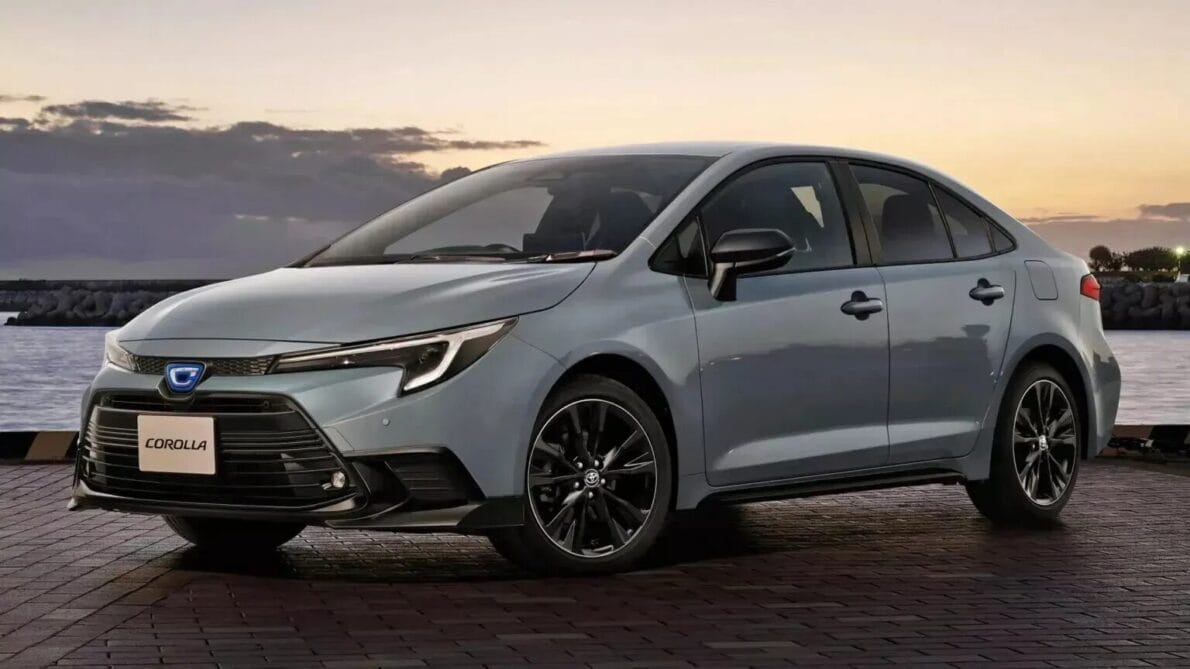
Almost Discontinued, The Toyota Corolla Resurrected As The Best-Selling Sedan In The World Thanks To A Visionary Engineer. Discover How Takeshi Yoshida Turned The Tide And Made The Corolla An Icon Of Automotive Durability.
In a constantly evolving automotive world, where SUVs and minivans dominate preferences, few could imagine that Toyota’s most iconic mid-size sedan, the Corolla, was almost gone.
The turn of the millennium brought with it a major financial crisis in Japan and Asia, putting Toyota’s traditional model in jeopardy and nearly pushing it out of production.
However, the decision that saved the Corolla originated from the passion and determination of a single engineer: Takeshi Yoshida.
-
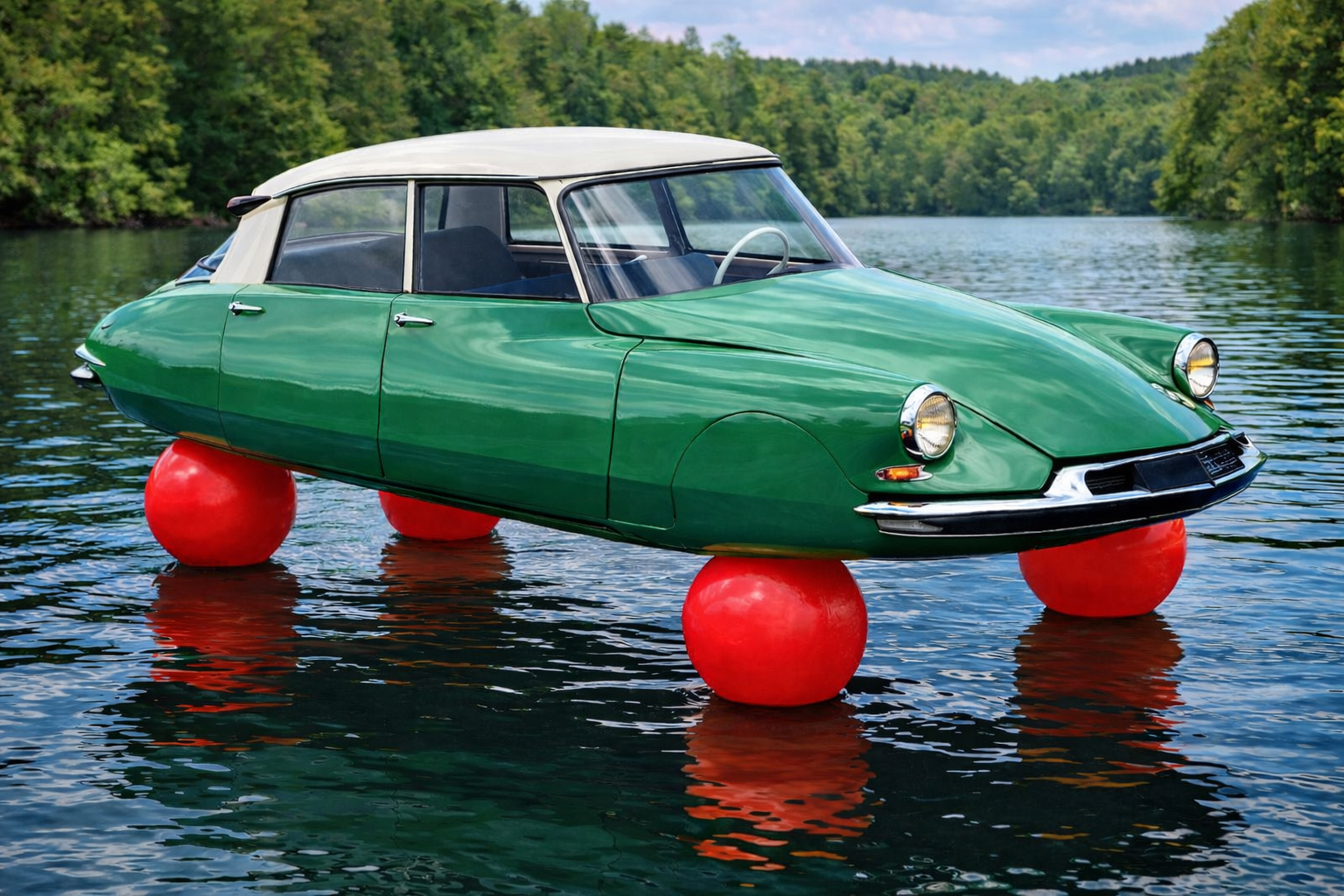
A French brand placed a car on four huge red balloons to prove that its suspension made the vehicle “float,” and the surreal scene became one of the most iconic and unusual images in automotive history.
-
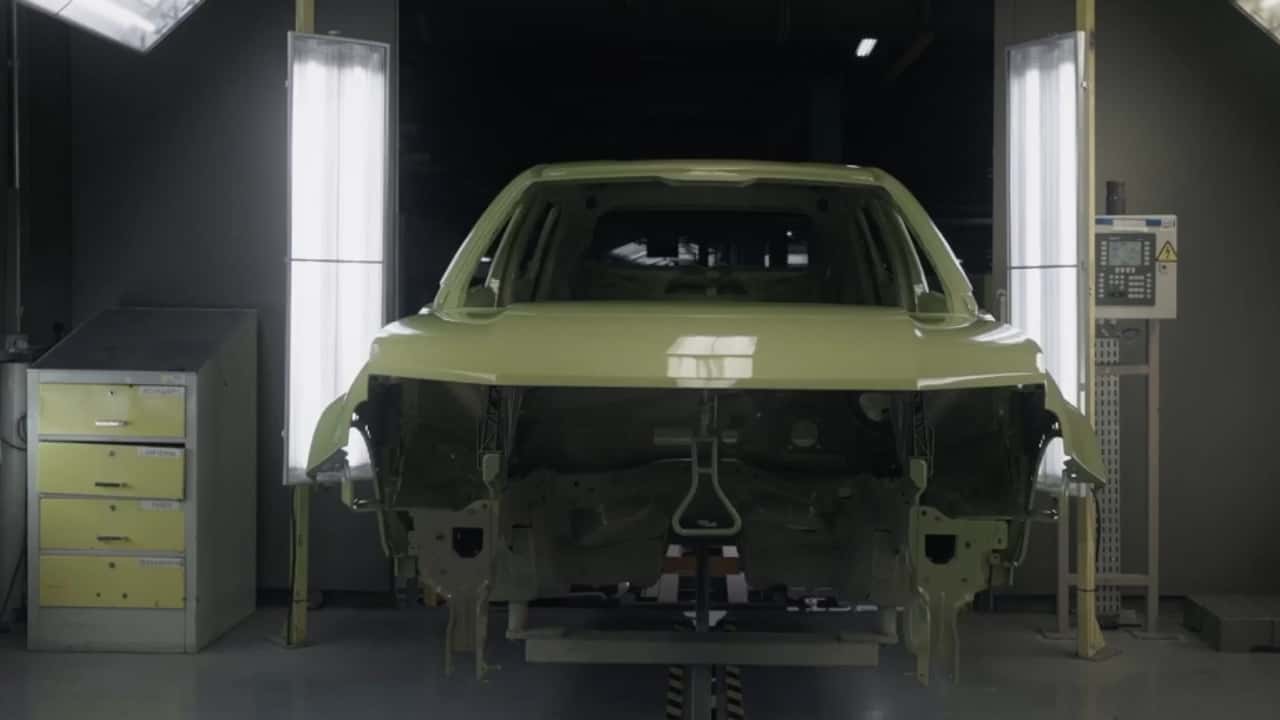
Jeep Avenger begins production in Brazil, debuting as the brand’s new entry-level SUV and inaugurating an unprecedented phase by becoming the first national Jeep manufactured outside of Goiana, as part of a R$ 3 billion plan.
-
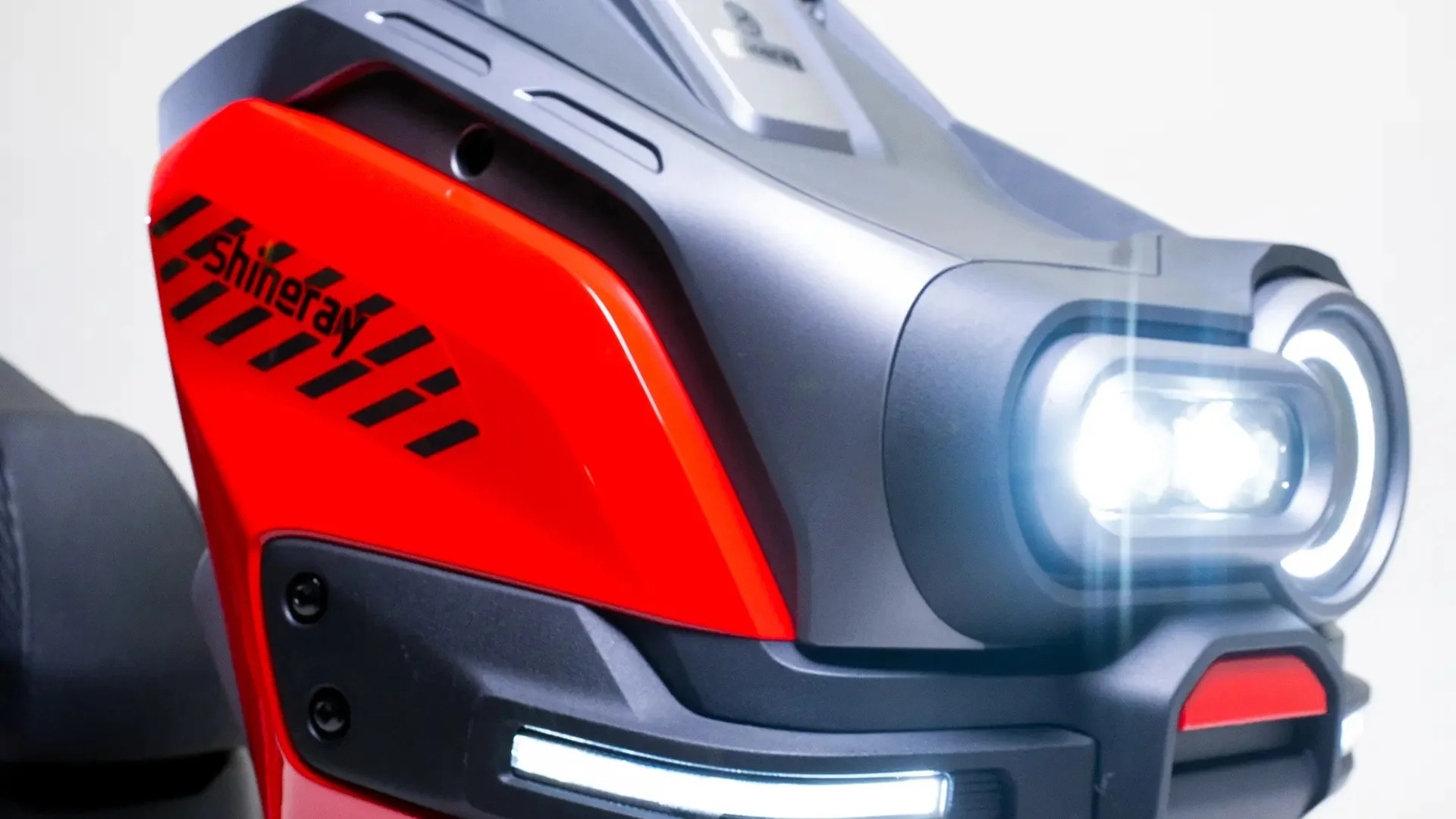
Costing R$ 12,490, the new Shineray Urban Lite 150 “cheap one” arrives in Brazil with a CVT transmission, digital dashboard, and LED lights, making it more affordable than the Biz and targeting those who want to abandon the bus.
-
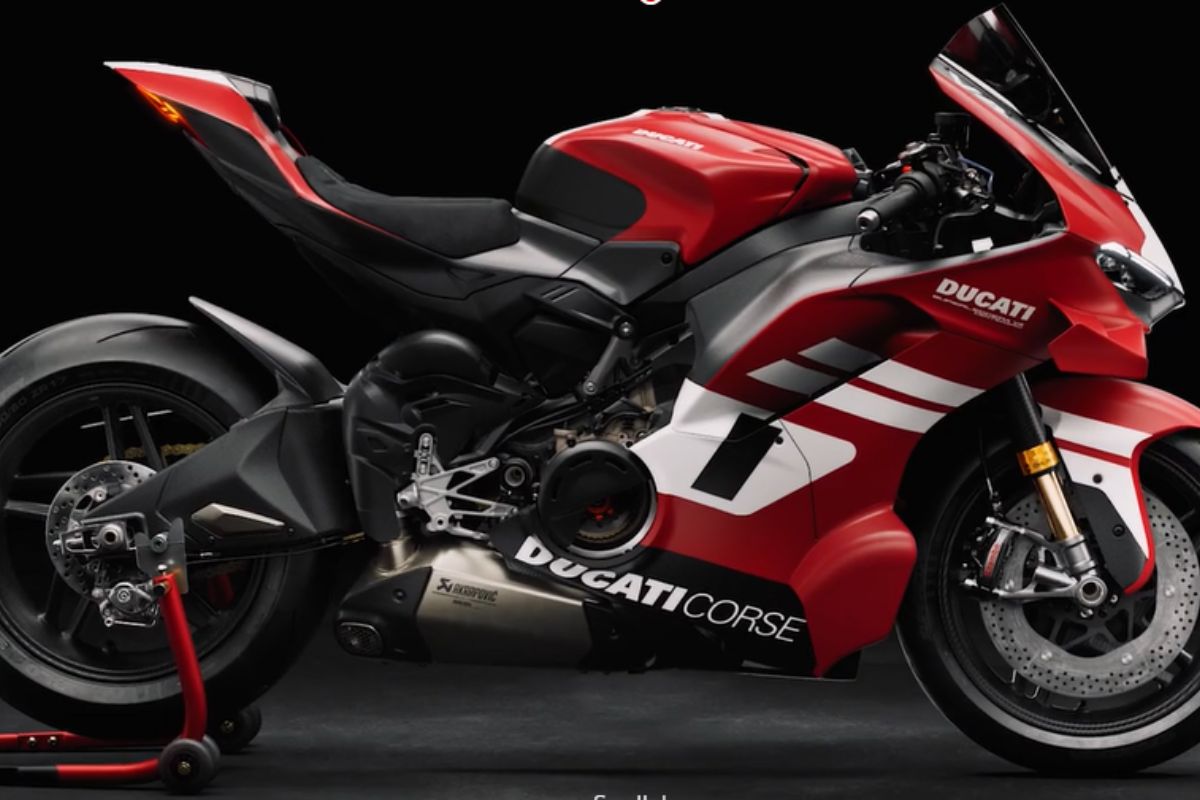
Ducati brings to Brazil the Superleggera V4 Centenario: 228 hp that become 247 with a track kit, carbon fiber and carbon-ceramic brakes, estimated price between R$ 1.5 and 2 million, deliveries only in 2027.

He believed that the name Corolla still had value and that the car could evolve, as long as the company dared to invest and restructure the model.
The Impact Of The Crisis And The Start Of Change
The late 1990s brought a landscape of uncertainties for the Japanese automotive market.
The economic crisis caused by the burst of the speculative bubble struck various companies, and Toyota was no exception.
Moreover, consumers began to take more interest in SUVs and minivans, leaving mid-size sedans like the Corolla behind.
With declining sales, Toyota contemplated ending Corolla production after the eighth generation, even considering abandoning the name that had been globally established.
According to Yoshida himself, who recounts these events to the automaker’s website, there was even the possibility of rebranding the car.
However, he refused to accept this idea and mobilized to convince Toyota executives that the Corolla still had a promising future.
A New Generation With Challenges And Innovation
Convinced by Yoshida’s vision, Toyota executives assigned him the task of developing the ninth generation of the Corolla.
The project, however, was not without obstacles. With a limited budget, Yoshida and his team had to adopt creative approaches to make the model viable.
It was then that he introduced a significant change in the automaker’s way of working: he unified the design, powertrain, and ergonomics teams, promoting a more direct and collaborative flow of communication.
This integration allowed ideas to be shared and development to be more efficient, even in the face of financial constraints.

The Creation Of The Best-Selling Corolla Of All Time
The result of this hard work was a Corolla that exceeded market expectations.
Popularly nicknamed “Brad Pitt” in Brazil, due to the advertising campaign featuring the actor, the sedan won consumers around the world.
This generation brought many improvements, including a 14 cm increase in wheelbase and the use of a simplified version of the Japanese Camry platform.
To reduce costs, the independent rear suspension was replaced with a torsion axle.
However, the build quality remained exceptional, with assembly standards rivaling many current vehicles.
Another highlight was the Optitron lighting technology on the dashboard, which completely turned off when the car was off, and the new ZZ engine, made with an aluminum block and VVT-i variable valve timing.
In the U.S., Europe, and Japan, the Corolla also gained sporty versions, with up to 190 hp, that delighted enthusiasts and even equipped the Lotus Elise.
Success In Brazil And The Wagon Version
In Brazil, the new generation of the Corolla quickly conquered the lead among mid-size sedans, dethroning traditional models from Chevrolet.
Its modern and sophisticated look, reminiscent of luxury vehicles, and the campaign featuring Brad Pitt helped the model become a sales success.
In addition to the sedan version, Toyota launched the Fielder, a wagon that combined the long front of the Brazilian model with the family body of the Japanese version, a strategic decision that gave new life to the wagon segment in the country.
Longevity And Legacy
To this day, this generation of the Corolla is widely appreciated in the used market, with examples easily exceeding 200,000 kilometers driven, some even surpassing the 400,000 km mark.
Its durability, combined with excellent finishing and mechanical reliability, makes the Corolla a true “lottery” for those who find a well-preserved one.
Yoshida’s choice to continue the Corolla’s legacy couldn’t have been more spot on.
The ninth generation of the model is still the best-selling in history, consolidating the reputation of the sedan that almost had its end decreed before even being reborn with full force.
Why Is The Toyota Corolla Unbeatable Among Mid-Size Sedans?
Takeshi Yoshida’s determination not only saved the Corolla, but also transformed the model into an icon that persists to this day.
Could A New Competitor Threaten The Corolla’s Dominance, Or Will It Remain The King Of Mid-Size Sedans For Several More Generations?









Seja o primeiro a reagir!