





 English
  Francês
  Alemão
  Italiano
  Japonês
  Norueguês
  Portuguese
  Spanish
  3 min of reading


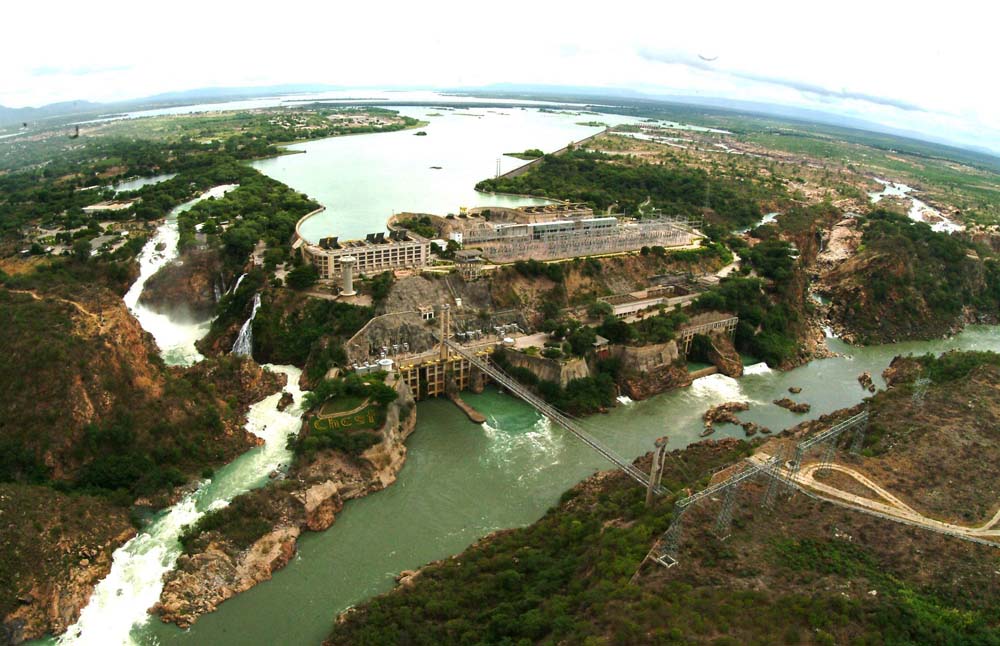
Beyond The Modernization Of Some Turbines Of The Hydroelectric Plant, Others Will Receive Improvements To The Systems
The Paulo Afonso II Hydroelectric Plant is located in the Paulo Afonso Hydroelectric Complex, in Bahia, under the concession of the São Francisco Hydroelectric Company (Chesf) and has been operating since 1961. The plant will undergo its first modernization on two of the six turbines of the facility. Turbines 8 and 9, of the Francis type, will be refurbished, and the six gates and their hydromechanical actuation systems will also be inspected. The other turbines will receive new filters and mechanical auxiliaries.
Read Also:
- Renewable Energy Market In 2022 Is Expected To Surpass 2021 Numbers, When Wind And Solar Set Record Highs In Clean Energy Production
- TIVIT Purchases Wind Energy For The Next 12 Months, Acquires Shares Of The São Mizael Wind Park And Now Uses 100% Clean Energy, Reducing Carbon Generation Impact
- 1 Million Consumers Already Produce Their Own Solar Energy In Brazil, Totaling 8.6 GW Of Power, According To Absolar
Andreas Wellmann, the President and CEO of Voith Hydro Latin America, stated that a modernization procedure like this is extremely important for extending the machines’ lifespan to prevent failures in the integrated system. “It is worth noting that hydropower plants not only ensure the production of clean and renewable energy for the system but can also support other clean sources like wind and solar,” he declared.
Chesf began constructing the Paulo Afonso II hydroelectric plant in 1961 and completed the work six years later, in 1967. The plant has six generating units, with two units having a unit capacity of 70 MW, one unit with a unit capacity of 75 MW, and three units with a unit capacity of 76 MW, totaling 443 MW of installed capacity. In June 2021, Voith Hydro also signed a contract with the São Francisco Hydroelectric Company (Chesf) to modernize the Paulo Afonso IV Hydroelectric Plant, in the same Hydroelectric Complex.
-
While Russia dominates the global wheat market, Brazil emerges as an unexpected competitor in the Cerrado, offering grain available in July and August when stocks in the Northern Hemisphere are at their lowest point of the year.

-
China returned almost 20 Brazilian ships with soybeans, but now everything could change: the country that buys 80% of the grain is considering relaxing regulations after impurities held up shipments of thousands of tons and caused million-dollar losses.

-
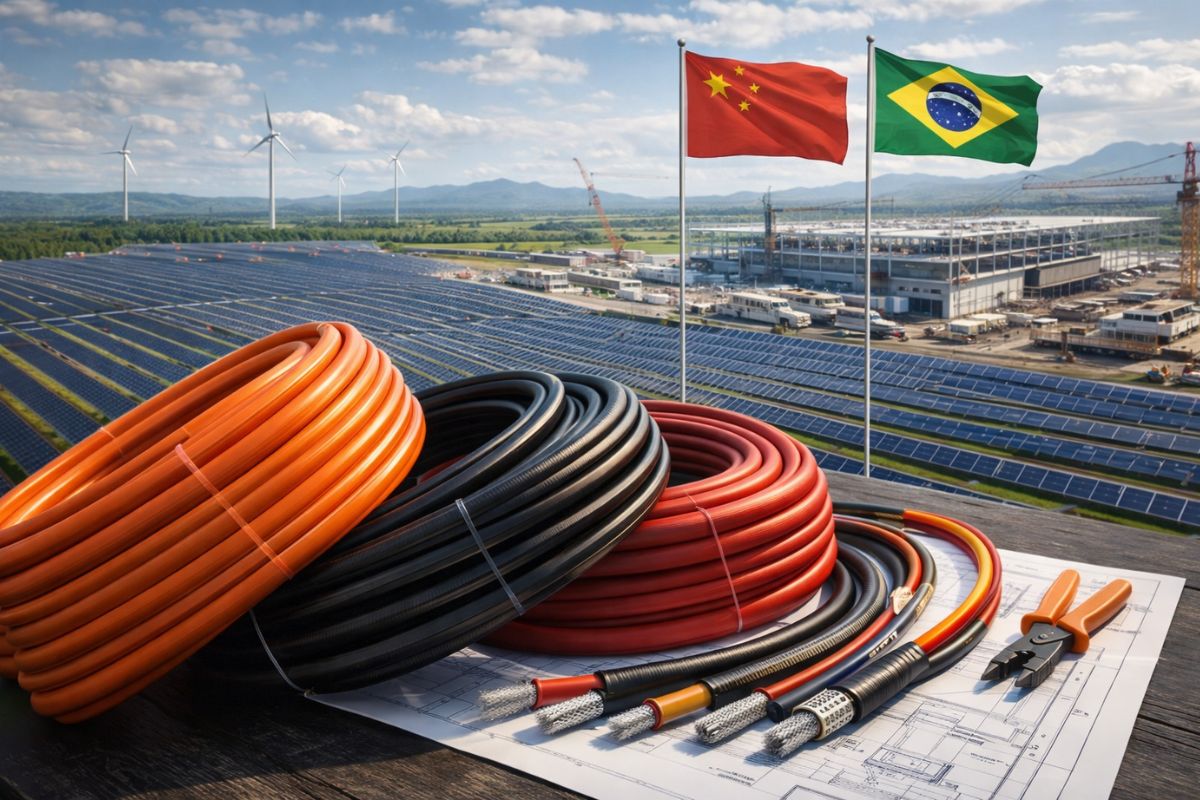
Chinese giant worth nearly R$ 4 billion that manufactures cables for electric cars, solar energy, and robotics wants to open a factory in SC.
-
Many employers do not know, but the law guarantees domestic workers a 25% increase in salary during trips, 50% for overtime, 20% for night shifts, and 17 additional benefits that can lead to labor lawsuits if not paid.


The Paulo Afonso Hydroelectric Plant is the fourth largest in installed capacity in Brazil and has been operating since 1979. With this modernization, the plant will have an increase of 2.5 GW in installed capacity. The improvement project will maximize the energy capacity of the hydroelectric plant, which will provide energy capable of meeting the needs of a city of 170,000 people. With the increase in the machines’ power and the broader operational range, the National Interconnected System (SIN) will have more energy available even during periods of drought.
About Voith Hydro
Voith Hydro has extensive experience in implementing and modernizing hydroelectric plants in Brazil. In 2017, it modernized four generating units of 355 MW at the Salto Santiago Plant, in the Iguaçu River. Additionally, it modernized the Chavantes and Capivara plants, which are located between the states of São Paulo and Paraná, on the Paranapanema River, increasing installed capacities by 5.7 MW and 15.6 MW, resulting in an average physical guarantee increase of 3.21% and 4.73%, respectively. CTG Brasil, owner of the hydroelectric plants, also contracted Voith Hydro to modernize four generating units of the Ilha Solteira and Jupiá plants on the Paraná River.





Seja o primeiro a reagir!