





 English
  Francês
  Alemão
  Italiano
  Japonês
  Norueguês
  Portuguese
  Spanish
 4 min of reading


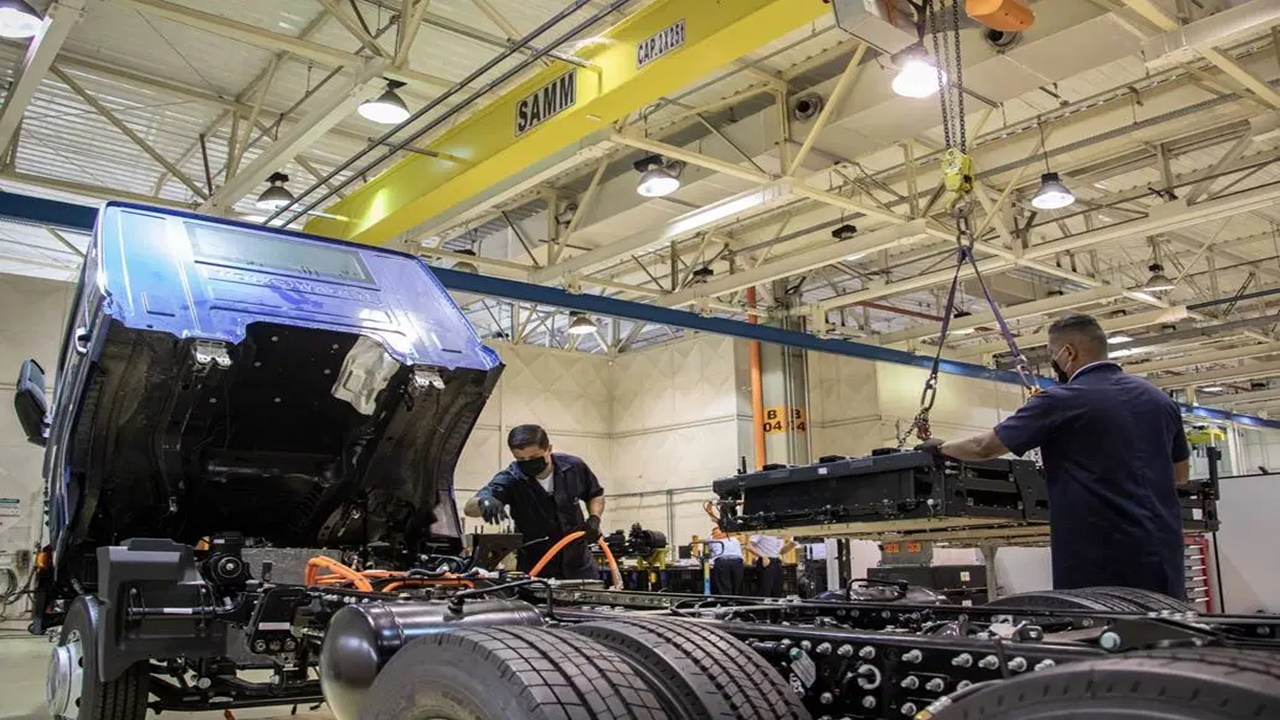
In A Movement Contrary To Ford, Volkswagen, The Multinational That Is The Largest Car Manufacturer In The World, Invests In The Production Of The First Electric Truck In Brazil
The multinational Volkswagen Trucks and Buses announces the installation of Moura Batteries at its industrial complex, located in Resende (RJ). The battery supplier arrives with the mission of serving specific processes of the e-Delivery, the first electric truck in Brazil, starting this semester. The head of the multinational recently announced the end of production of gasoline and diesel combustion engines.
Read Also
- After Volkswagen, Ford, and Fiat, the multinational Chevrolet suspends production at its factory in SP, and Chevrolet Onix, Onix Plus, and Spin will not be produced until August 3
- Just like the iconic Volkswagen Kombi, new legislation will make the Uno, Doblo, and Grand Siena from Fiat disappear this year
- After Ford gives up on the country, multinational Volkswagen announces a new cycle of investments and production of vehicles at its factory in SP
- Volkswagen ‘throws in the towel’, gives up being the ‘largest manufacturer in the world’ and hands over the title to rival Toyota
- Against the grain of Volkswagen, Renault, Honda, and Volvo, multinational Toyota refuses to cease production of gasoline and diesel combustion engines
- Multinational Volkswagen reveals its iconic fully electric Kombi; the rare classic, manufactured in 1973 by the automaker, is one of the few left in the world
In addition to providing a battery system, the Moura battery company will be responsible for assembling, electrifying the vehicle, and managing the battery cycle, according to Auto Industria.
With series production remaining, the e-Delivery has dictated Moura’s integration into the production model of the Volkswagen Trucks and Buses factory in Resende (RJ), the Modular Consortium. The battery manufacturer, already a partner of the e-Consortium, a group of companies developing the business model for electrified cargo transportation, is also involved in the vehicle assembly process.
-
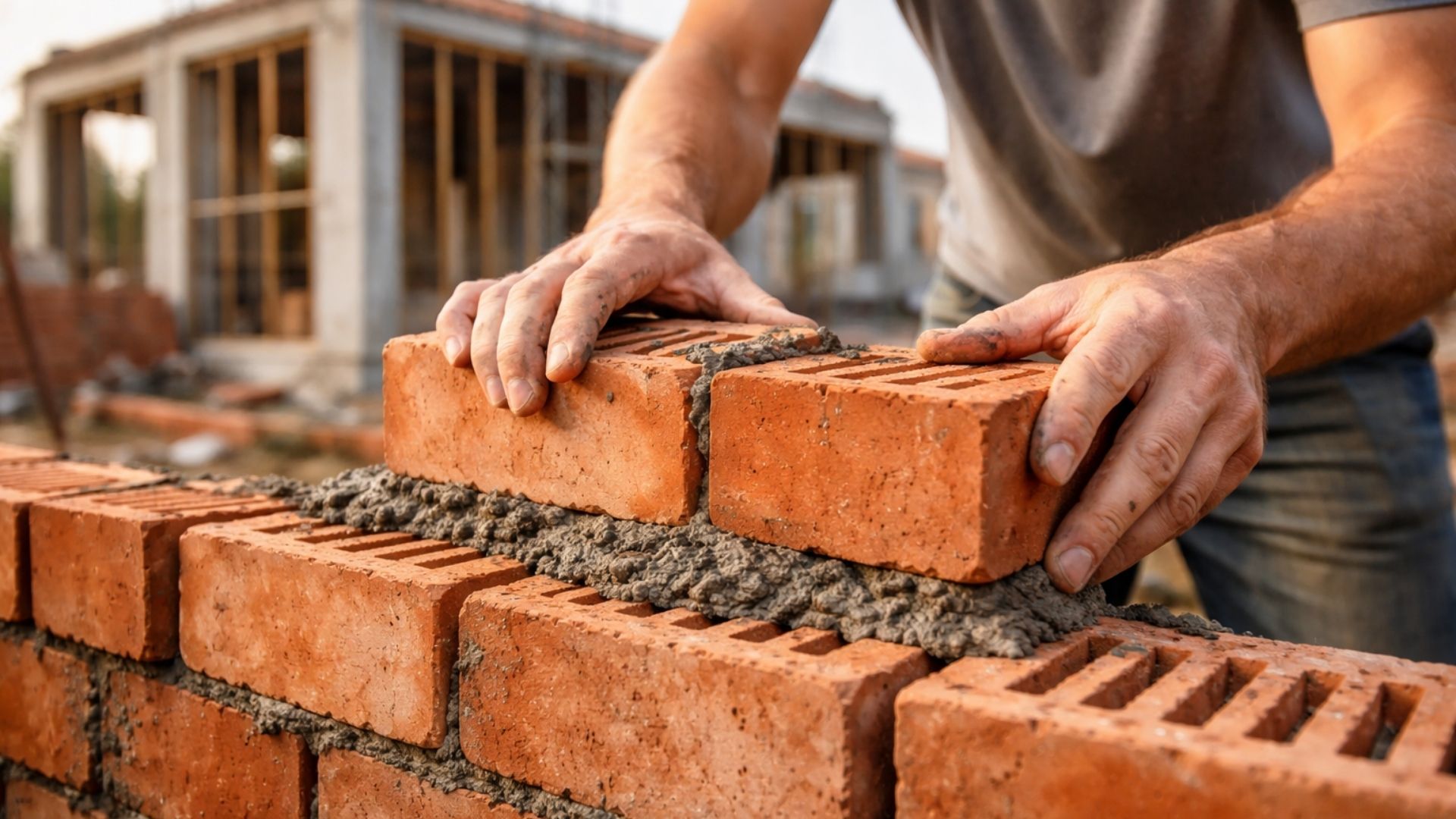
‘Interlocking brick’ made of earth arrives in the construction industry with cost reductions of up to 40% on the project.
-
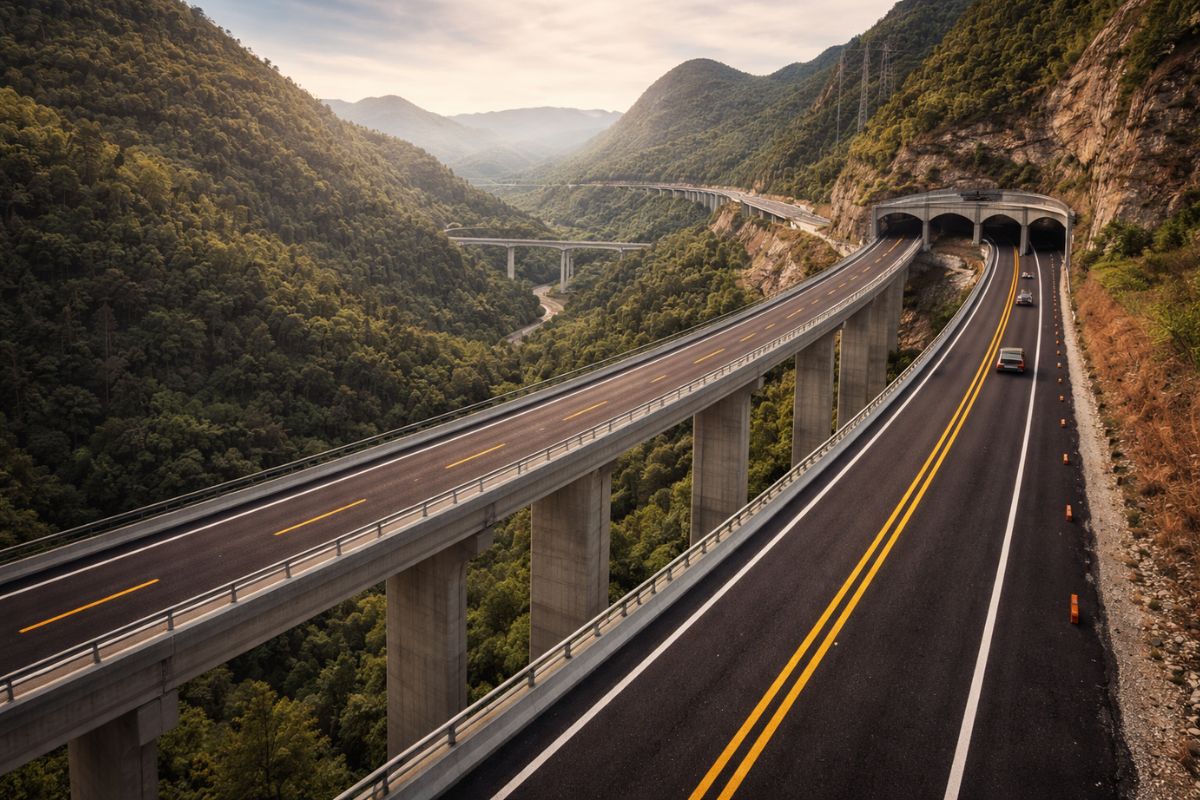
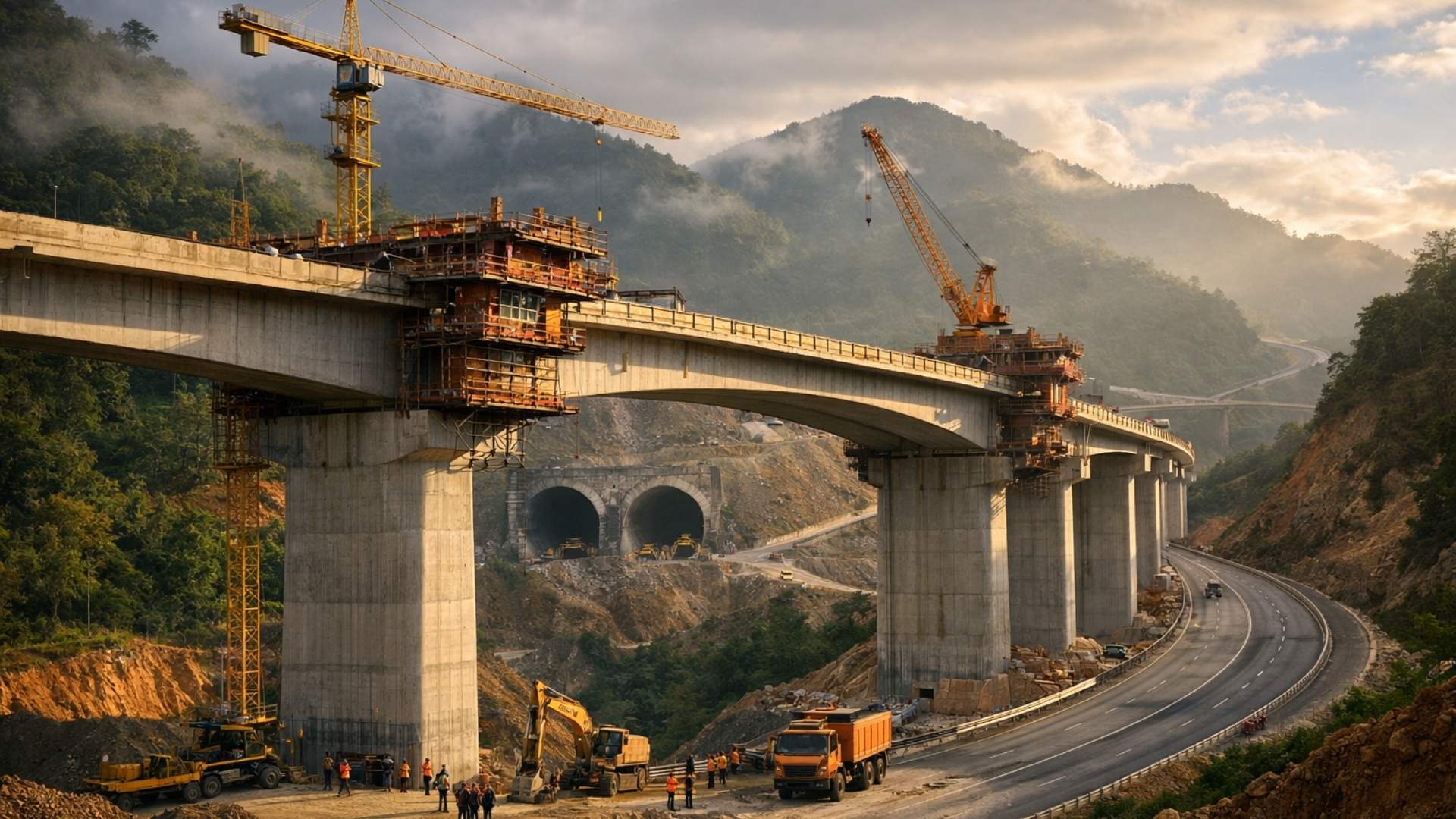
Espírito Santo will receive the largest engineering project in its history with the duplication of BR 262, which will have 50 viaducts, 28 bridges, and 2-kilometer tunnels cutting through the most challenging mountainous region of the entire state.
-
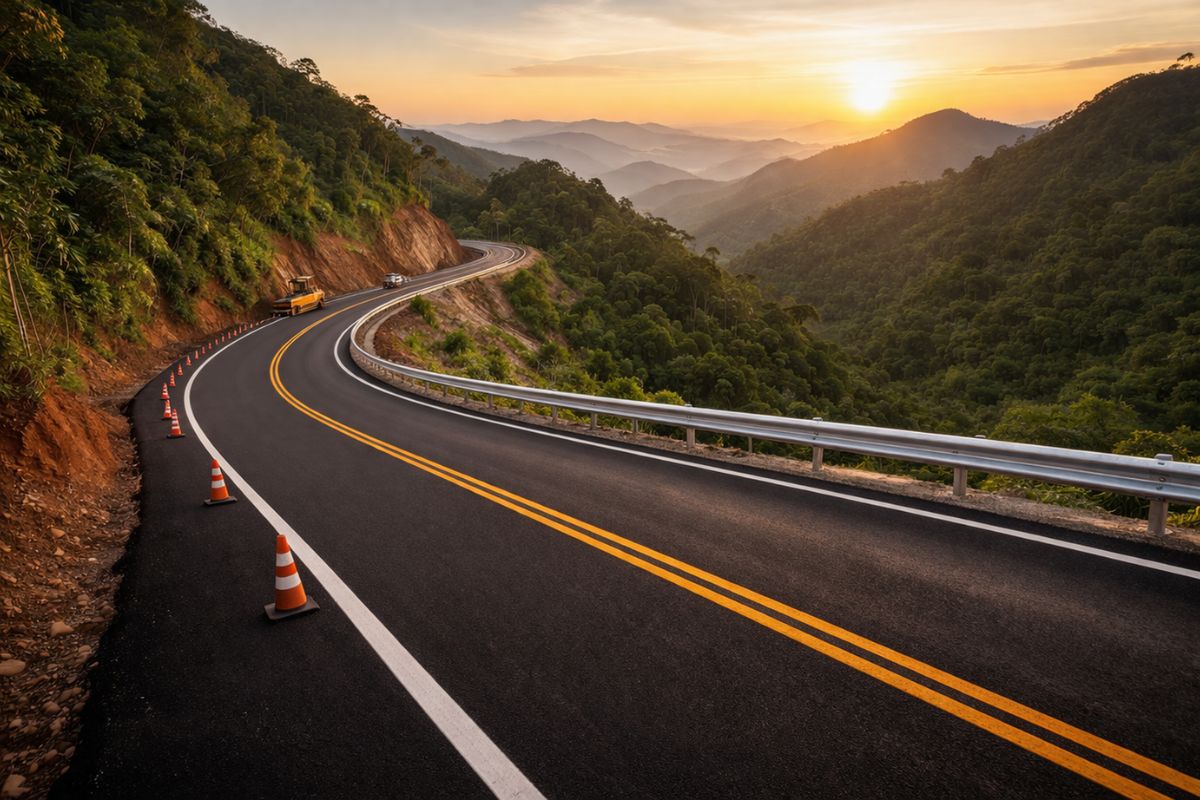
A project of nearly 9 million reais already has the first kilometer paved in Santa Catarina and promises to completely transform the access between Jaraguá do Sul and Rio dos Cedros in an area where tourism is growing at a rapid pace.
-
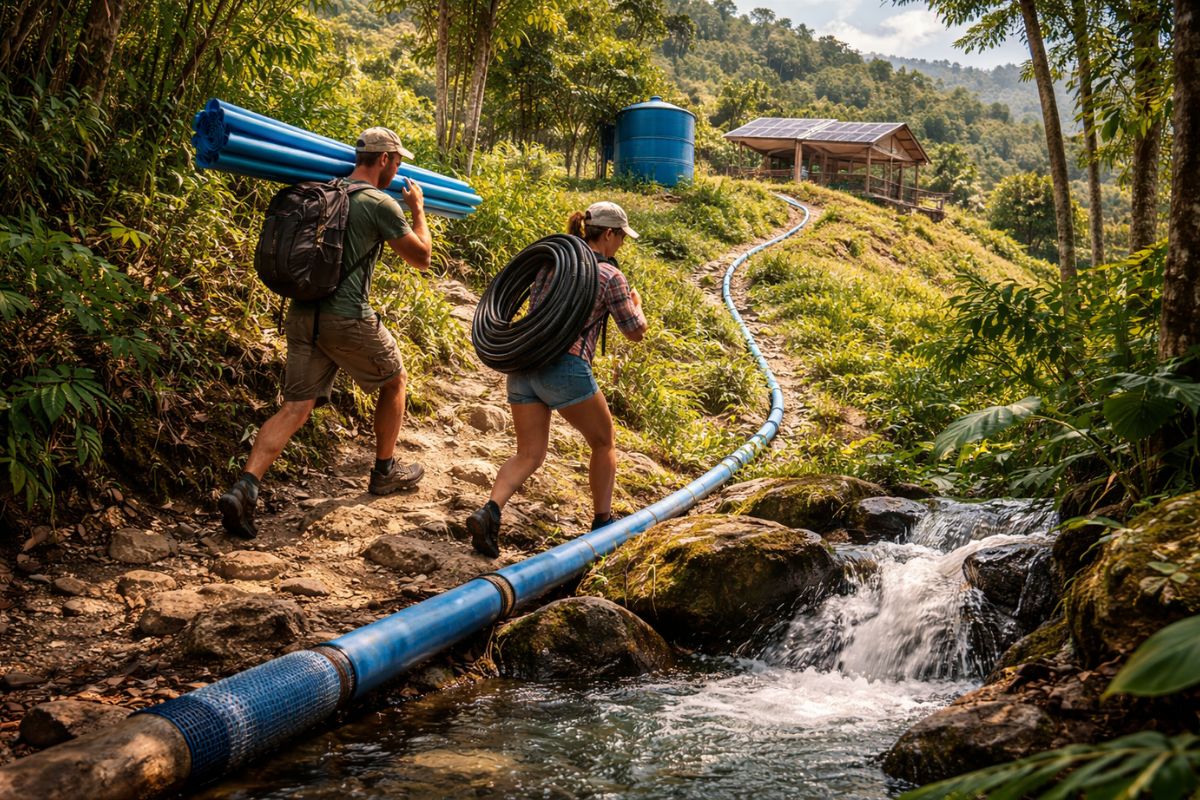
A couple builds a system to bring water from the spring to their land, climbs a hill with materials on their backs, and creates a simple, cheap, and sustainable solution to ensure their own water supply.

In the alliance, Moura continues with its role already defined to manage the entire battery cycle; however, it now also takes on the provision of the battery system, installation in the truck’s structure, and starting the vehicle for the first time. “We will have a cross-sectional participation from the beginning to the end of the battery,” summarizes Cristiane Assis, commercial manager of the Moura Group.
The process begins with the shipment of lithium batteries from CATL, another partner of the e-Consortium, to the Moura unit in Bom Jardim (PE). In a specific area, the manufacturer assembles the system with over 30 components, including cables, sleepers, cradle, and the integration of the BMS and the electronic intelligence of the battery to then supply the system, until it reaches the Resende Assembly Line.
Volkswagen Trucks and Buses Is Updating The Entire Infrastructure Of The RJ Factory For The New Electric Reality
The entire infrastructure of the Volkswagen Trucks and Buses industrial complex is also being updated for the new electric reality: the new chargers have just arrived, with the capacity to recharge the e-Delivery truck batteries in up to 1 hour.
The equipment will be used to replenish the energy of the manufacturer’s test vehicles, which are engaged in laboratory analyses and certification rides, before the start of series production. All the energy consumed in the factory comes from renewable sources.
Almost everything is ready to start the production of the first electric truck in Brazil. The first units will still leave a pilot station before migrating to the final line, where the electric will share part of the assembly process with the diesel-powered model.
“We had a great challenge to leverage synergies between electric and conventional trucks. Both share, for example, taxi and axles,” says Adilson Dezoto, vice president of production and logistics at VWCO. “Producing both under the same roof is unprecedented and required a high-voltage electrification area with a lot of technical knowledge. Hence the importance of a national partner looking at the whole.”
With Moura’s arrival, the Modular Consortium in Resende now has eight partners, including Volkswagen Trucks and Buses. Meritor is responsible for the metal suspension and axle set, while Suspensys is responsible for air suspensions. Powertrain, a joint venture between Cummins and MWM International, supplies engines, Aethra installs the cabin, Carese takes care of the paint, and eventually Kroschu installs the internal lining.
Head Of Volkswagen Announces The End Of Production Of Gasoline And Diesel Combustion Engines
The multinational Audi, belonging to the Volkswagen Group, had already announced recently that it would not develop any more combustion engines and that the automaker’s focus would be on manufacturing electric cars. Now, the German company itself has embraced the idea, and the head of the brand announced the end of development and production of this type of propulsion, whether gasoline or diesel.
According to information from Ralf Brandstätter, CEO of Volkswagen, in an interview with Automobilwoche, the German automaker will only continue to update and revise the current gasoline and diesel combustion engines in order to make them more efficient. The reason for this measure is that the multinational will invest heavily in the manufacturing and production of electric cars.





Seja o primeiro a reagir!