





 Portuguese
  English
  Spanish
  3 min of reading
  0 comments


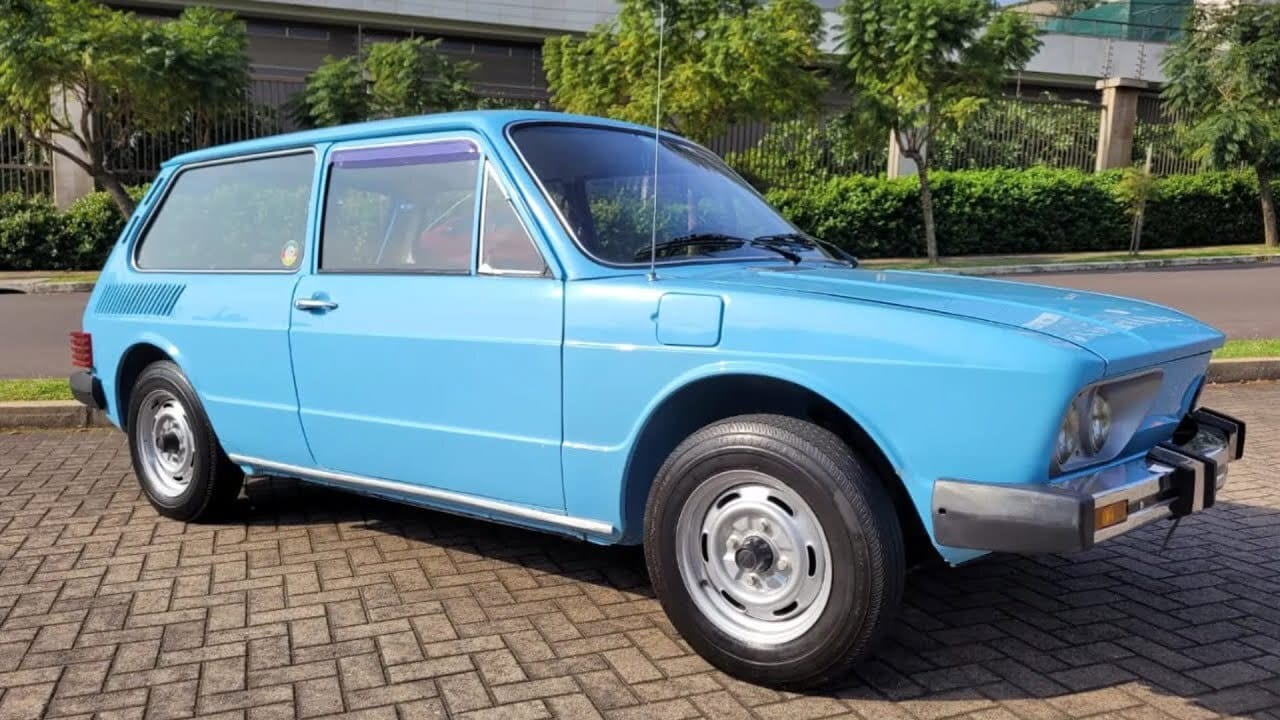
The Volkswagen Brasília, An Iconic Brazilian Automotive Model from The 70s, Had Its Production Ceased Due To Market Evolution And Internal Competition, Marking The End Of An Era For The German Manufacturer In Brazil.
Launched in 1973, the Volkswagen Brasília emerged as a modern and compact alternative to the Beetle, winning over the Brazilian market with its innovative design and functionality. With a 1600 air-cooled engine, the Brasília was known for its surprisingly spacious interior and robustness, features that made it popular among Brazilian consumers.
Throughout its history, the Brasília underwent various aesthetic and mechanical updates, including a four-door version mainly intended for export. In 1980, the manufacturer attempted to innovate with an ethanol version, seeking to adapt to the energy crisis of the time, but the model did not achieve the expected success due to its insufficient performance and high consumption.
Volkswagen Brasília Engine And Fuel Consumption


The Volkswagen Brasília was equipped with a 1600 air-cooled engine, featuring 4 opposed cylinders, producing 60 horsepower and 12 kgf.m of torque, providing respectable performance for the time. This engine, characterized by its robustness and reliability, was also known for its ‘different’ fuel consumption, reaching 9.5 km per liter.
-
A French brand placed a car on four huge red balloons to prove that its suspension made the vehicle “float,” and the surreal scene became one of the most iconic and unusual images in automotive history.

-
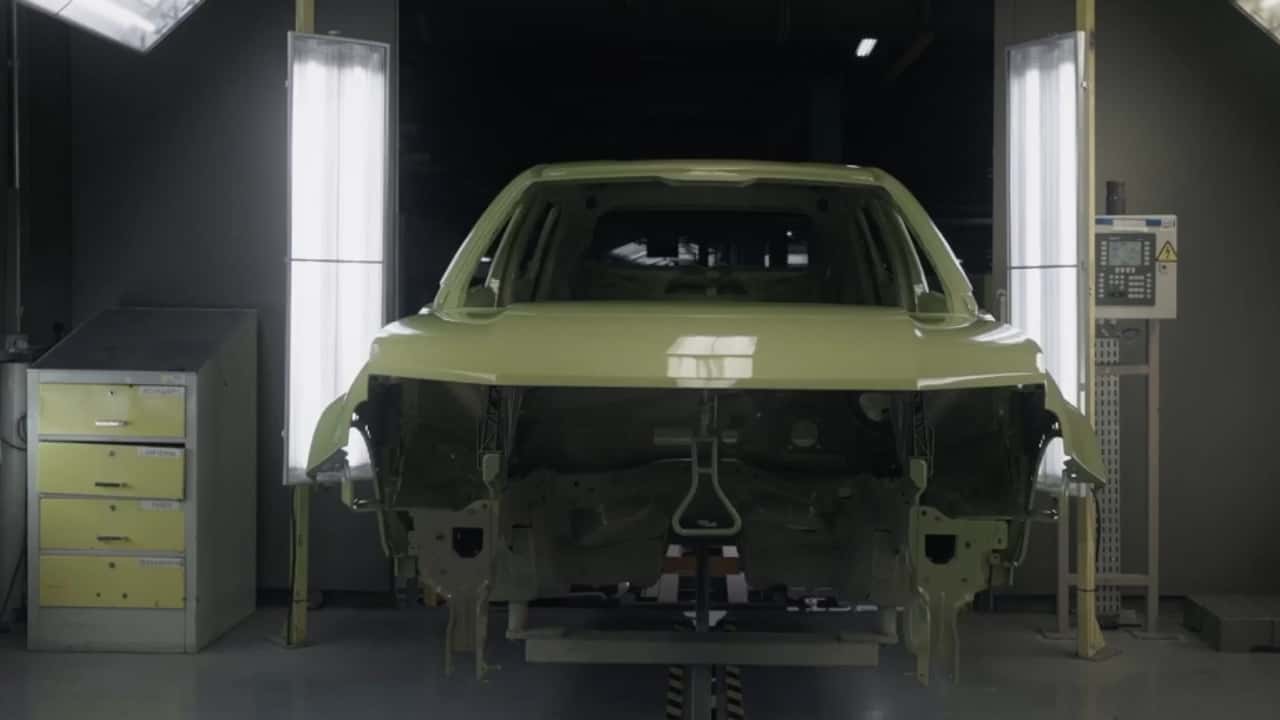
Jeep Avenger begins production in Brazil, debuting as the brand’s new entry-level SUV and inaugurating an unprecedented phase by becoming the first national Jeep manufactured outside of Goiana, as part of a R$ 3 billion plan.
-
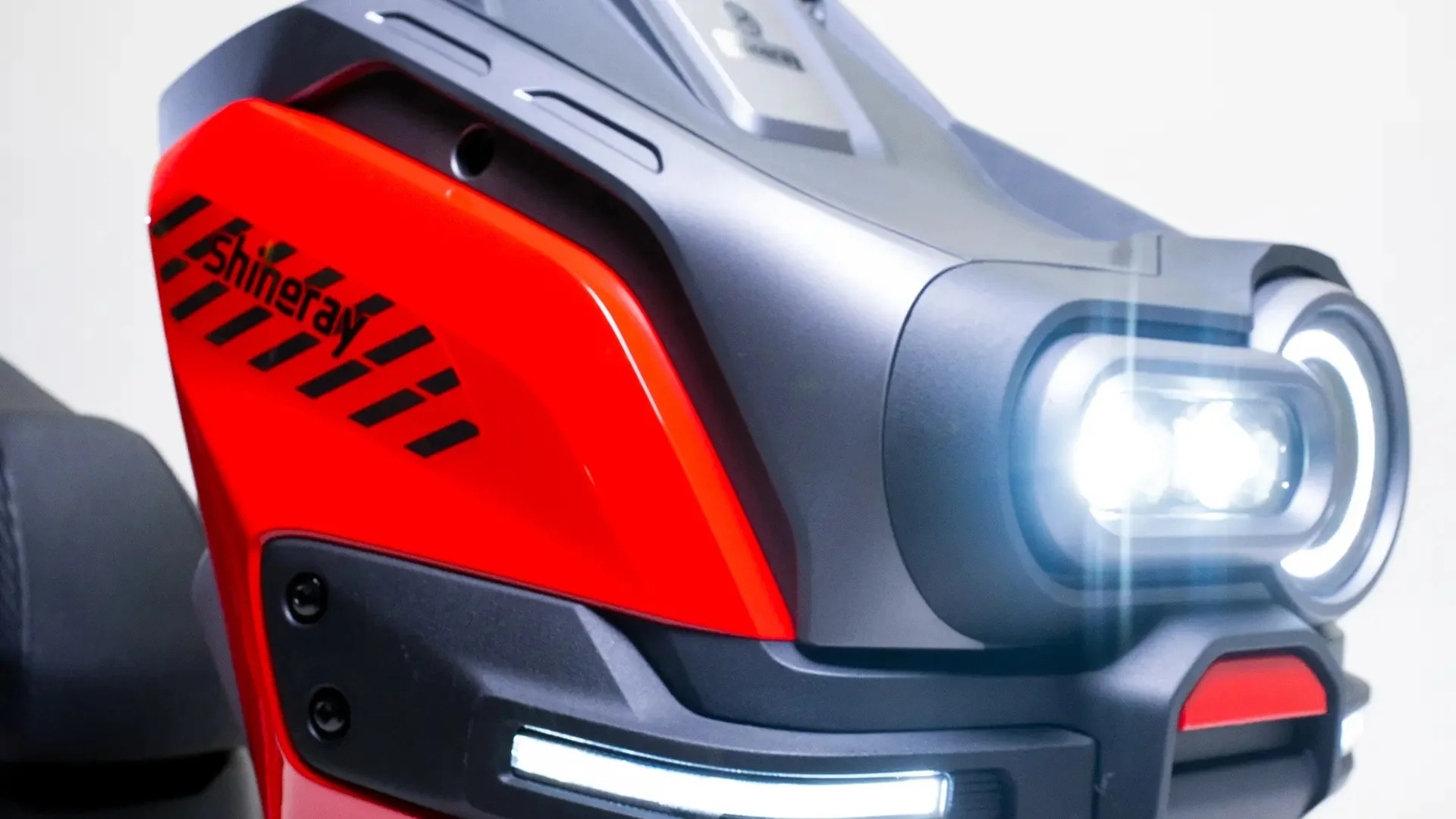
Costing R$ 12,490, the new Shineray Urban Lite 150 “cheap one” arrives in Brazil with a CVT transmission, digital dashboard, and LED lights, making it more affordable than the Biz and targeting those who want to abandon the bus.
-
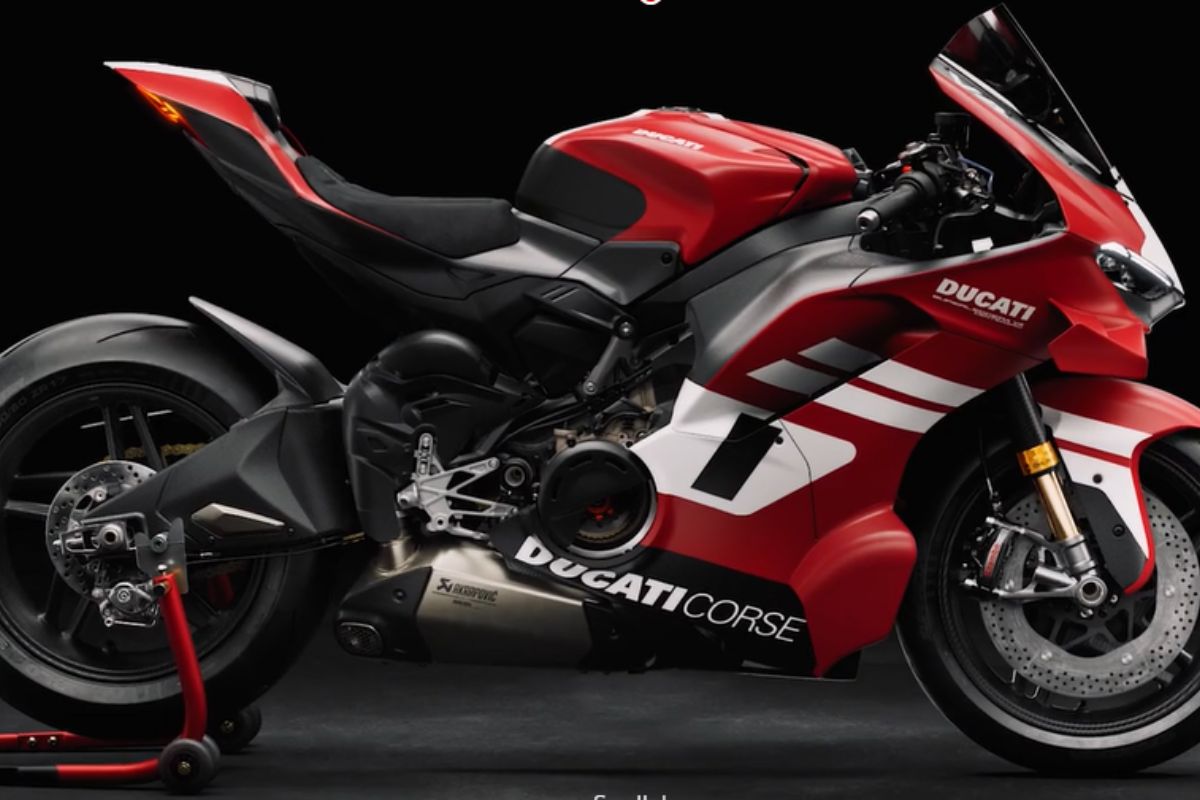
Ducati brings to Brazil the Superleggera V4 Centenario: 228 hp that become 247 with a track kit, carbon fiber and carbon-ceramic brakes, estimated price between R$ 1.5 and 2 million, deliveries only in 2027.

However, the ethanol version introduced in 1980, although a response to the demand for alternative fuels, ultimately failed due to its high consumption and inferior performance compared to the gasoline version.
Decline In Sales of The Volkswagen Brasília
The decline in sales of the Volkswagen Brasília began in the late 70s, accelerated by the arrival of more modern and efficient models, such as the Volkswagen Gol. In 1982, the production of the Brasília was officially ceased, thus ending the journey of one of the most iconic models from Volkswagen in Brazil.
The Volkswagen Brasília leaves a legacy of innovation and adaptability, reflecting the changes in the automotive market and the demands of consumers throughout its existence. Its story is a testament to the evolution of the automotive industry in Brazil and Volkswagen’s ability to create vehicles that meet the needs of their customers.
Why Is The Car Called Brasília And Where Else Was It Sold?
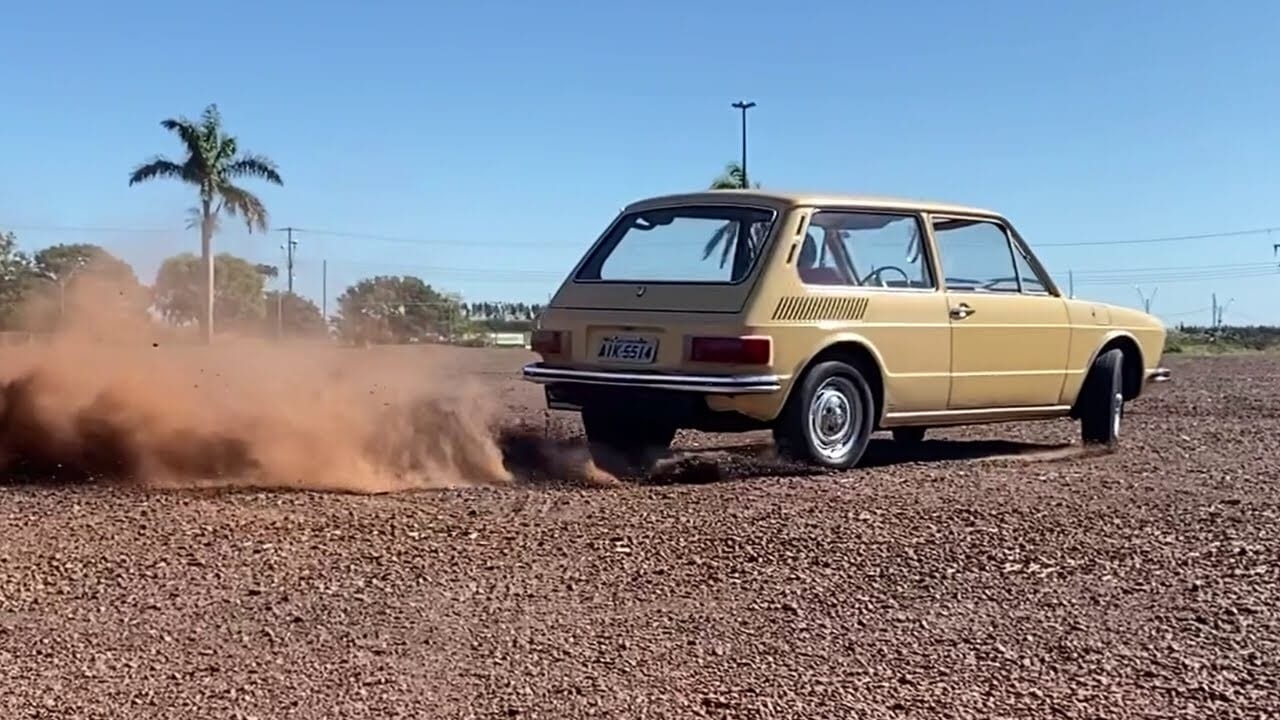
The story of the Volkswagen Brasília is marked by innovations and a legacy that transcends Brazil’s borders. The engine, located at the rear, characterized the design of the Brasília and was an essential part of its identity, combining practicality and performance. Named after the Brazilian capital, the car symbolizes the synergy between Volkswagen and Brazil, reflecting the national spirit and culture.
Created by designer Márcio Piancastelli, the Brasília stood out for its style and functionality, resulting from a meticulous three-year design journey. The production of this iconic car lasted until 1982, marking the end of a prominent era in the Brazilian automotive scene.
The Volkswagen Brasília was not limited to the Brazilian market; it was exported to countries such as Mexico, Nigeria, Philippines, Venezuela, Bolivia, Chile, and Portugal, demonstrating its acceptance and popularity in various global markets. This international presence underscores the importance of the Brasília as a vehicle that made its mark, leaving a lasting legacy in automotive history.









Seja o primeiro a reagir!