





 Portuguese
  English
  Spanish
  4 min of reading
  0 comments


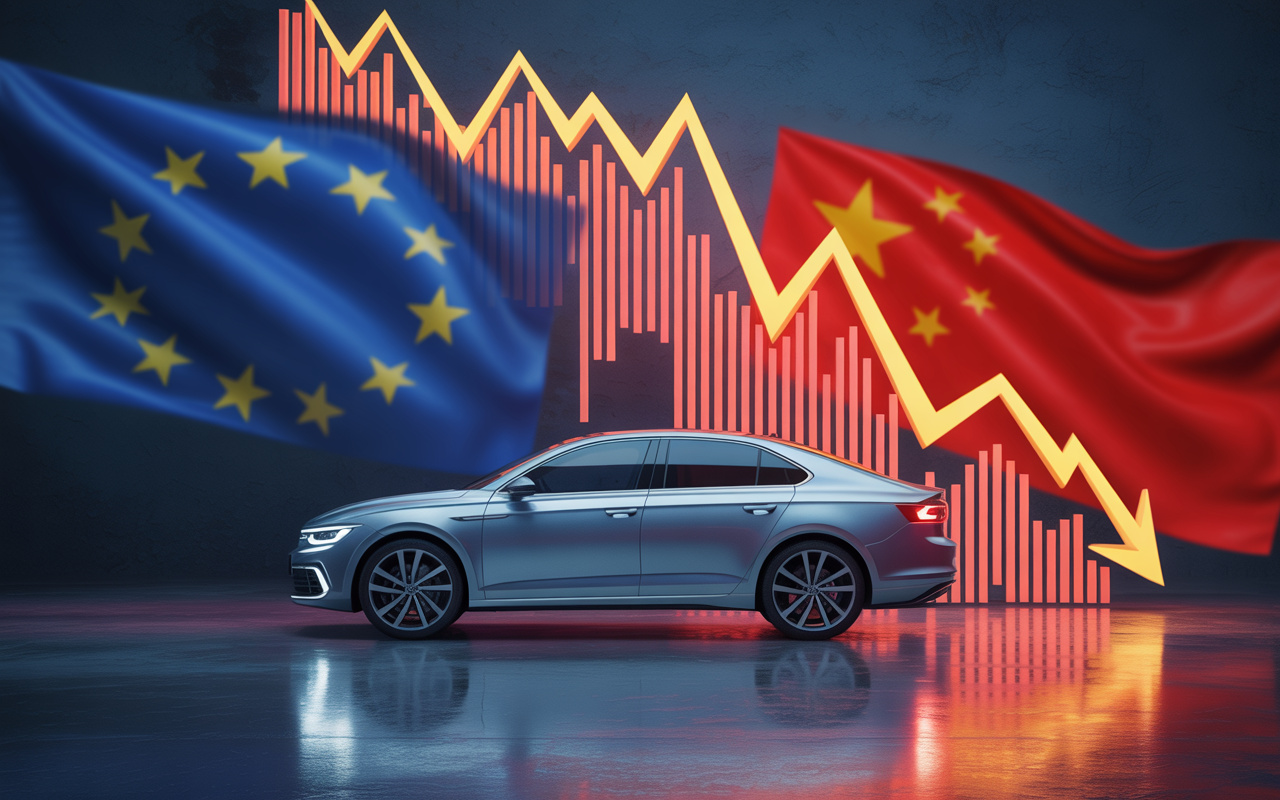
Volkswagen Loses Billions Due to Tariffs and Sees Chinese Brands Advancing: German Group Struggles to Maintain Leadership in Europe and Save Margins in the Electric Era.
For decades, Volkswagen reigned as a symbol of German engineering, with a lineup of models that captured markets worldwide. Golf, Passat, and Polo shaped generations as the group consolidated its position as the sales leader in Europe and a strong competitor globally. But in 2025, the Wolfsburg giant faces an unprecedented scenario: billion-dollar losses from trade tariffs and increasing pressure from Chinese automakers that threaten to erode the brand’s presence in the continent that has always been its safest territory.
Tariffs That Cost Billions
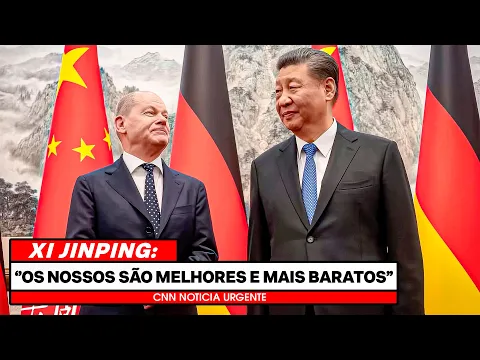
The group’s CEO recently admitted: the tariffs imposed by different economic blocs are costing “several billion euros” to Volkswagen just in 2025. The surcharges predominantly affect electric and hybrid models, which are precisely the ones that the brand bets on as the future path.
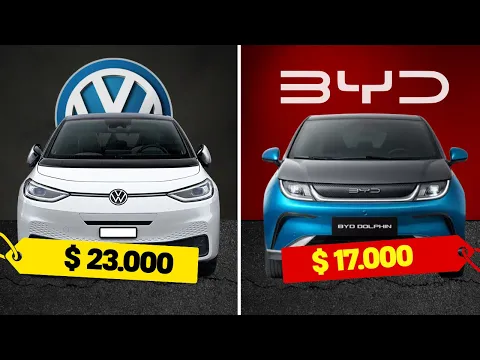

The European Union has hardened its policy against imported vehicles from China, triggering retaliatory measures and raising costs for essential supply chain components.
-
The car stored for 38 years: when opening the barn door, what appears is breathtaking and looks like a scene from a movie!

-
Fiat works miracles in the Brazilian market, lowers the price of its 0 km hatch to R$ 69,990, reestablishes the model as the cheapest car in the country, and reignites the battle against Kwid and C3.
-
Chevette with cooking gas: How the gas cylinder ends up being used in cars clandestinely and why this makeshift solution can result in leaks, explosions, damaged engines, and seized vehicles.
-
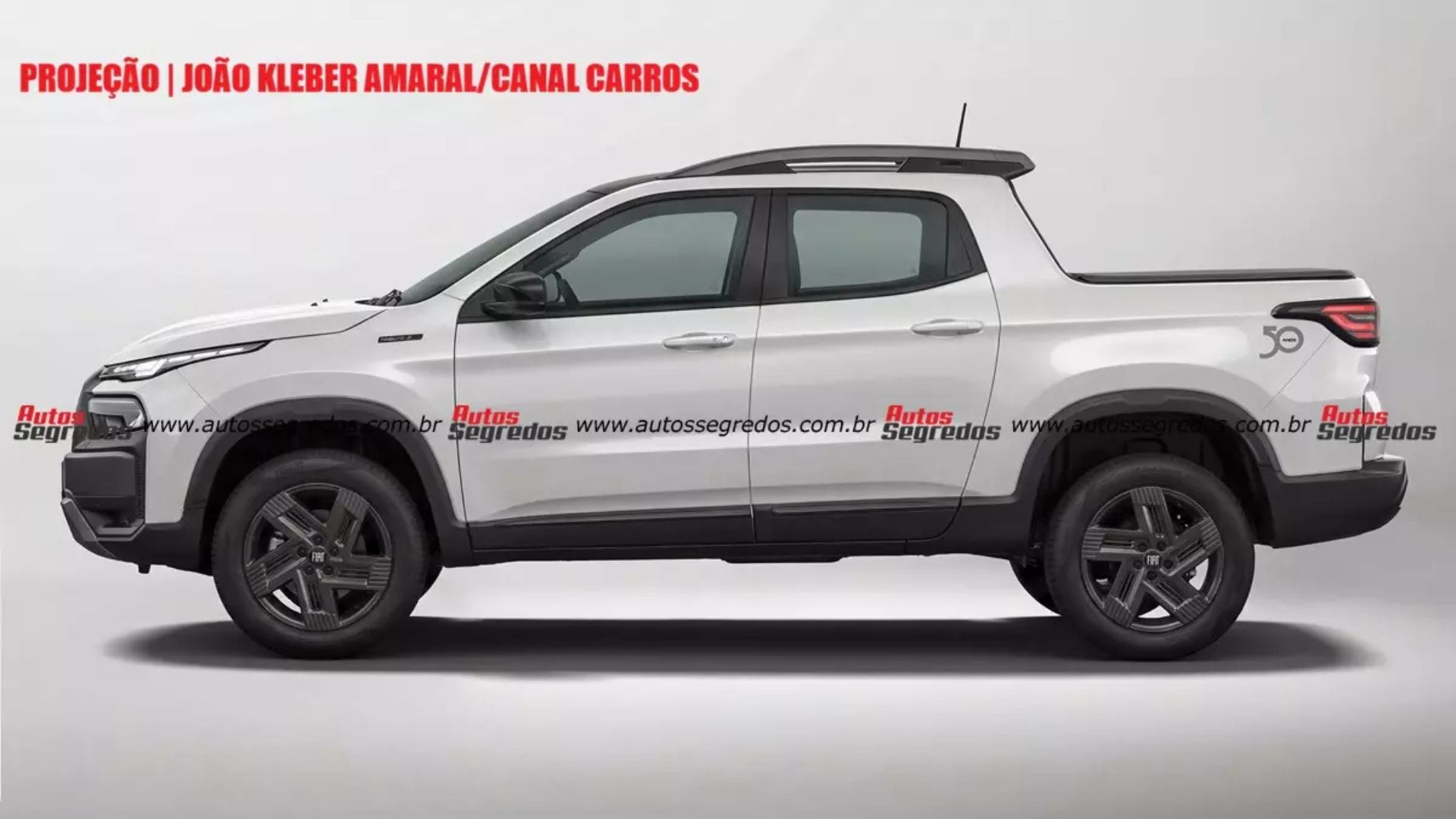
Fiat launches the new 2027 Toro hybrid with 48V, 176 hp, an electric motor of 15.5 hp, a 0.85 kWh battery, up to 7% fuel savings, 8% fewer emissions, and possible exemption from IPVA.

This cascading effect directly impacts Volkswagen’s electrification strategy. The production of models in the ID. lineup (such as ID.3, ID.4, and ID. Buzz) has become more expensive, and the already pressured profit margin has shrunk even further. For a group that has invested tens of billions of euros in the energy transition, the costs are arriving before the returns.
The Chinese Pressure
While tariffs increase costs, Volkswagen must also deal with overwhelming competition from Chinese electric brands.
Groups like BYD, SAIC (which controls MG), and Geely have not only captured space in Asia but are also rapidly advancing into Europe.
The differentiator lies in price and technology. While Volkswagen struggles to maintain competitiveness, Chinese brands can offer well-equipped electric SUVs at prices up to 30% lower.
In markets such as Norway, Denmark, and Germany, the penetration of these manufacturers is growing at double-digit rates annually, undermining the traditional leadership of the German group.
Volkswagen Has Always Led Sales in Europe by a Wide Margin
Historically, Volkswagen has always led sales in Europe by a wide margin. Models like Golf and Polo were practically omnipresent, supporting the brand’s image. However, recent years have shown a shift in trend:
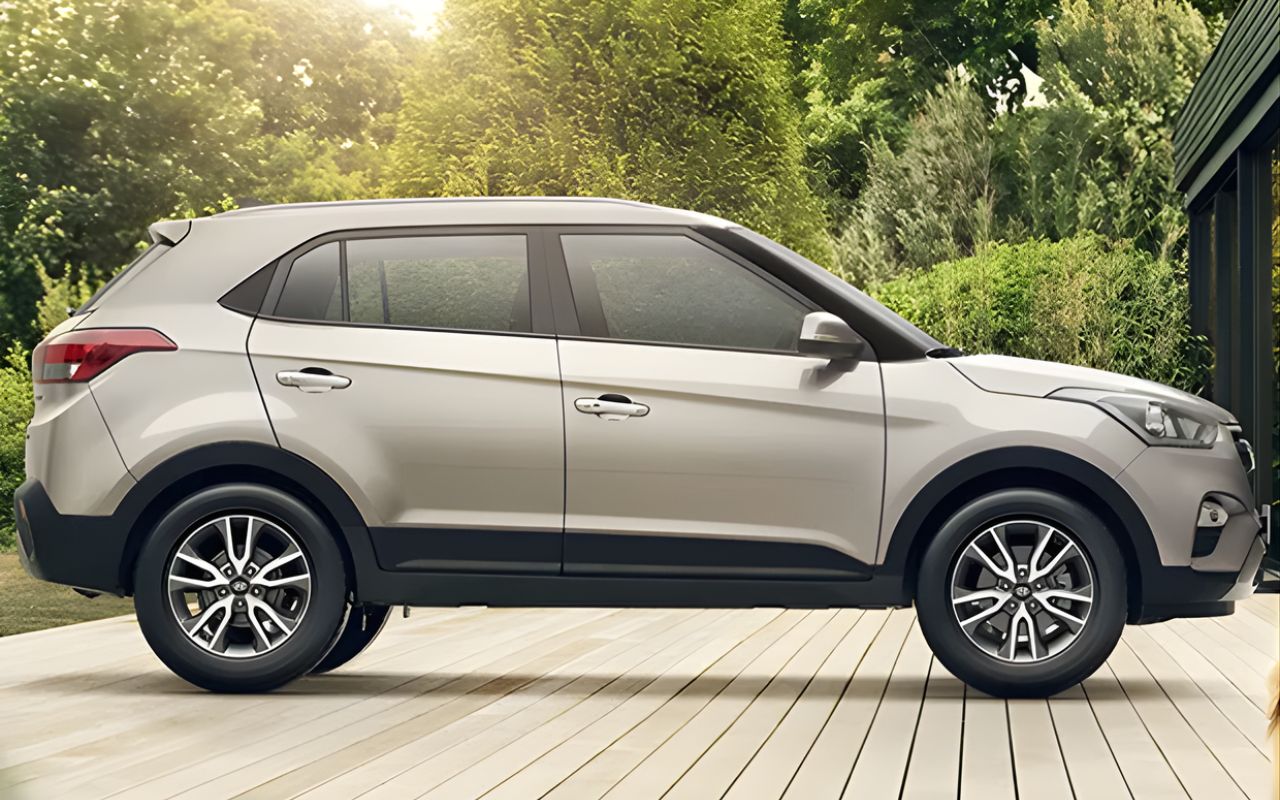
- The Golf is no longer the best-selling car in several countries, overtaken by compact SUVs from Korean and Chinese rivals.
- The Polo has lost ground to low-cost electrified compacts.
- The Volkswagen SUV lineup, including T-Roc and Tiguan, is beginning to face significant price pressure from Asian competitors.
In 2024, Volkswagen still maintained leadership in the European market, but by the narrowest margin in decades. In 2025, the task is to hold on to the crown amid the Chinese advance and the rising costs imposed by tariffs.
The Weight of Electrification
The Volkswagen group was one of the first giants to announce ambitious goals for total electrification. The strategy involved colossal investments in battery plants, modular platforms, and software networks, such as the MEB platform that equips the ID lineup. The problem is that the financial return from this shift is taking longer than expected.
Meanwhile, costs are piling up. The pressure for new batteries, the dependency on lithium and other supplies from Asia, and fluctuations in global supply chains are eroding margins.
The group has already admitted it will have to revise its targets, including timelines for complete electrification in some markets.
The Shadow of China in the European Backyard
Another critical point is that Volkswagen has always been considered the “householder” in the European market. Now, it sees Chinese rivals investing in factories within the continent to evade tariffs and capture local consumers.
BYD, for example, has already announced production plans in Hungary. This move strips Volkswagen of its historical competitive advantage of proximity and European identity.
The loss of market share in the world’s largest market, China, also aggravates the scenario. Volkswagen, which was once the undisputed leader in the Asian country, now shares space with BYD and Tesla, seeing its share shrink year after year. In other words, the brand faces attack both at home and abroad.
The Response from Wolfsburg
To react, Volkswagen is preparing a series of strategic measures:
- Internal Cost Reduction by cutting thousands of jobs and streamlining models.
- Investing in Proprietary Software to differentiate the digital experience of the cars.
- Launching Affordable Electric Models to compete directly with the Chinese on price.
- Strategic Alliances with European suppliers to attempt to reduce dependency on Asian inputs.
Still, analysts point out that the brand faces a dilemma: accelerate electrification to compete with BYD and Tesla, but without losing profitability. Each misstep could cost billions.
Volkswagen, which once represented the pinnacle of the European automotive industry, is now facing one of the greatest challenges in its recent history. Billion-dollar tariffs, declining market share, and Chinese pressure put its leadership in jeopardy. Defending the European crown has never been so costly — and the battle has only just begun.
If it manages to weather this storm, Volkswagen will emerge leaner and better prepared for the global electric war. But if it falters, it may see Asian rivals definitively take over a space that seemed untouchable. The future of the German brand is at stake.






-

-

-

4 pessoas reagiram a isso.