





 Portuguese
  English
  Spanish
  3 min of reading
  0 comments



Owners of Some Models Volkswagen Polo and Virtus Equipped with TSI Engines Have Reported Unusual Noises on Cold Starts and High-Pressure Fuel Pump Issues. Understand the Possible Causes and How to Proceed.
Models Volkswagen Polo and Virtus with TSI (Turbo Stratified Injection) engines are recognized for their efficiency and performance. However, some owners in Brazil report abnormal noises during cold starts and issues related to the high-pressure fuel pump (HPFP).
This article technically analyzes these issues, based on the available information, seeking to clarify the causes, symptoms, and best practices for owners of these Volkswagen vehicles.
Reported Issues in TSI Engines from Volkswagen in Brazil
Some units of the Volkswagen Polo and Virtus models equipped with TSI engines have been the subject of discussion due to cold start noises and failures in the high-pressure fuel pump. While some noises may be operational characteristics, others may indicate a need for attention. Problems with the high-pressure pump are a significant concern, linked to fuel quality and wear. This text details the investigations on these topics.
-
Man finds over 200 rare cars abandoned on a lot and tries to do the impossible in 8 hours with a surprise at the end.

-
An irregular parking case gains attention after a Mercedes Classe A was removed in such a strange way that it even raised doubts about damage to the car.

-
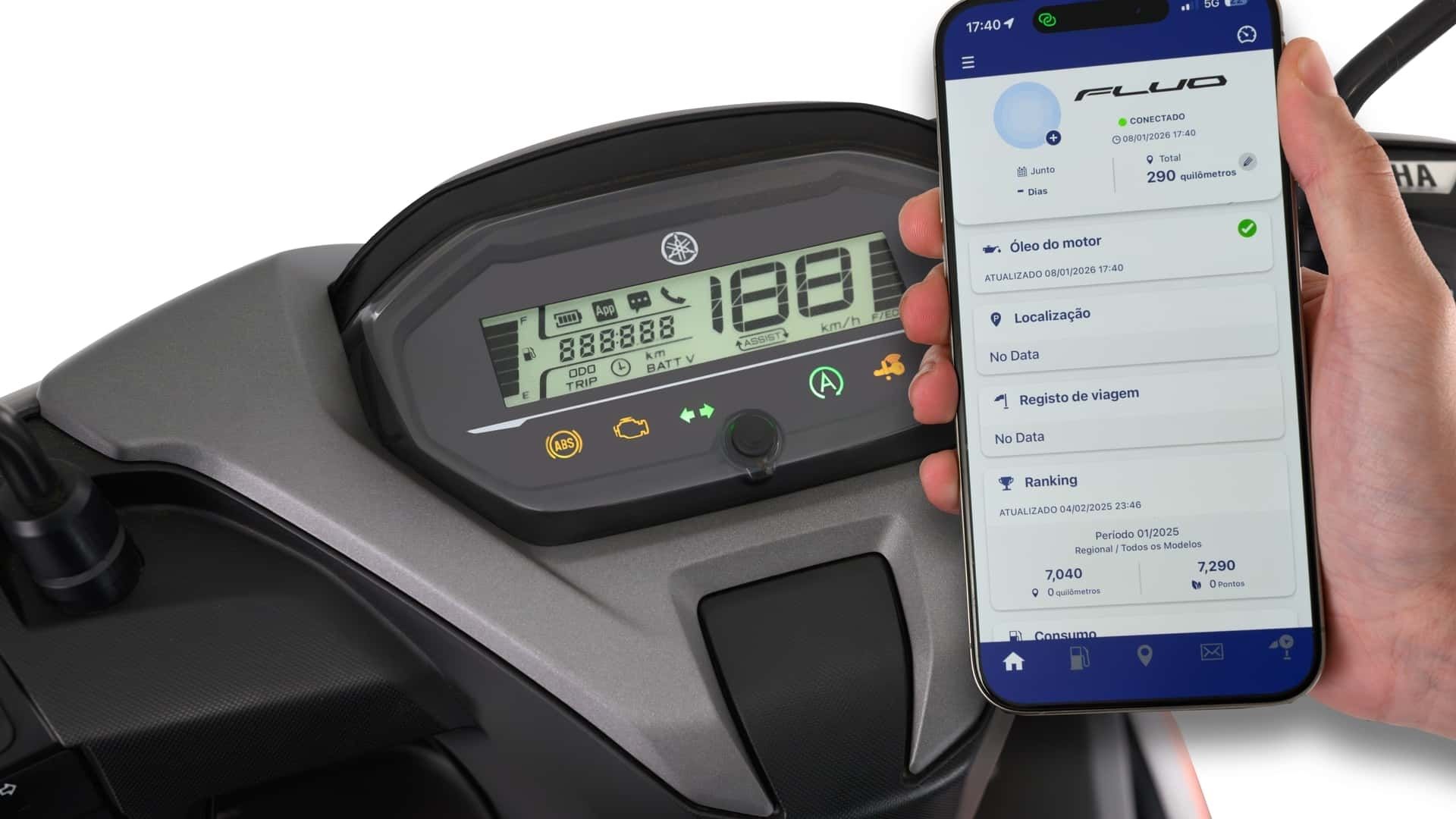
Costing R$ 16,000, the new Yamaha features a 125 cc hybrid engine with electric assistance, delivers 8.3 hp, includes ABS, optimized fuel consumption, Y-Connect connectivity, 25 liters of storage space, and a surprising 4-year warranty in the urban segment.
-
OMODA & JAECOO grows in Europe in 2026 with an integrated strategy of sales, innovation, local production, and technological advancement in the United Kingdom, Italy, and Spain.


Understanding the TSI (EA211) Engines from Volkswagen

The engines of the EA211 family, such as the 1.0 TSI and the 1.4 TSI found in the Polo and Virtus, use turbochargers and direct fuel injection. This TSI technology from Volkswagen aims to combine performance with energy efficiency.
The direct injection system sprays fuel directly into the combustion chamber under high pressure, which requires a high-pressure fuel pump (HPFP). The HPFP, usually driven by the camshaft, raises the fuel pressure to levels between 50 and 220 bar in the EA211 1.0 TSI engine, allowing for fine atomization and precise mixing.
Cold Start Noises in Volkswagen Polo and Virtus TSI: What Could They Mean?
Owners of Volkswagen Polo and Virtus TSI report various sounds on cold starts. Among them, difficulties in starting or slow starts, metallic noises or “tin can banging”, elevated initial RPMs that take time to stabilize, and in some cases, uncomfortable vibrations or specific noises from the high-pressure pump.
The potential causes are varied. Characteristics of direct injection and ECU strategies for rapid catalyst heating (high RPM) are normal. Battery issues (especially in low temperatures), starter motor problems, or delays in oil circulation to the upper engine components can also generate noises. Components of the valve train, such as hydraulic tappets, may be sources of noise if oil pressure takes time to stabilize.
The High-Pressure Pump (HPFP) of TSI Engines: Symptoms and Common Failures
The high-pressure pump (HPFP) is vital for the TSI engines from Volkswagen. Failures in this component can cause difficulties in starting, the engine “stalling”, loss of power, ignition failures, and warning light activation (engine or EPC). The HPFP is susceptible to poor fuel quality, which can lead to problems and necessitate replacement.
Loud noises from the pump during cold starts have also been noted. It is important to highlight that a service campaign from Volkswagen was launched for a fuel pump sensor in the low-pressure system (located in the tank) for some Polo and Virtus models. Failures in this sensor can generate symptoms similar to direct HPFP failure, leading to misdiagnoses.
Maintenance and Prevention
The health of the TSI engines from Volkswagen depends on specific care. Strict adherence to high-quality fuel from reliable stations is essential to protect components such as the HPFP and fuel injectors. Follow the maintenance schedule recommended by Volkswagen, using only oil with the correct specification (e.g., VW 508.88, viscosity 5W40 for the 1.0 TSI engine).
To diagnose issues, clearly characterize the noises and the conditions under which they occur. Suspicions of HPFP failure require professional diagnosis with fuel pressure tests. Always check the vehicle’s eligibility for service campaigns, such as the one for the pump sensor.








Seja o primeiro a reagir!