





 Portuguese
  English
  Spanish
  4 min of reading
  0 comments


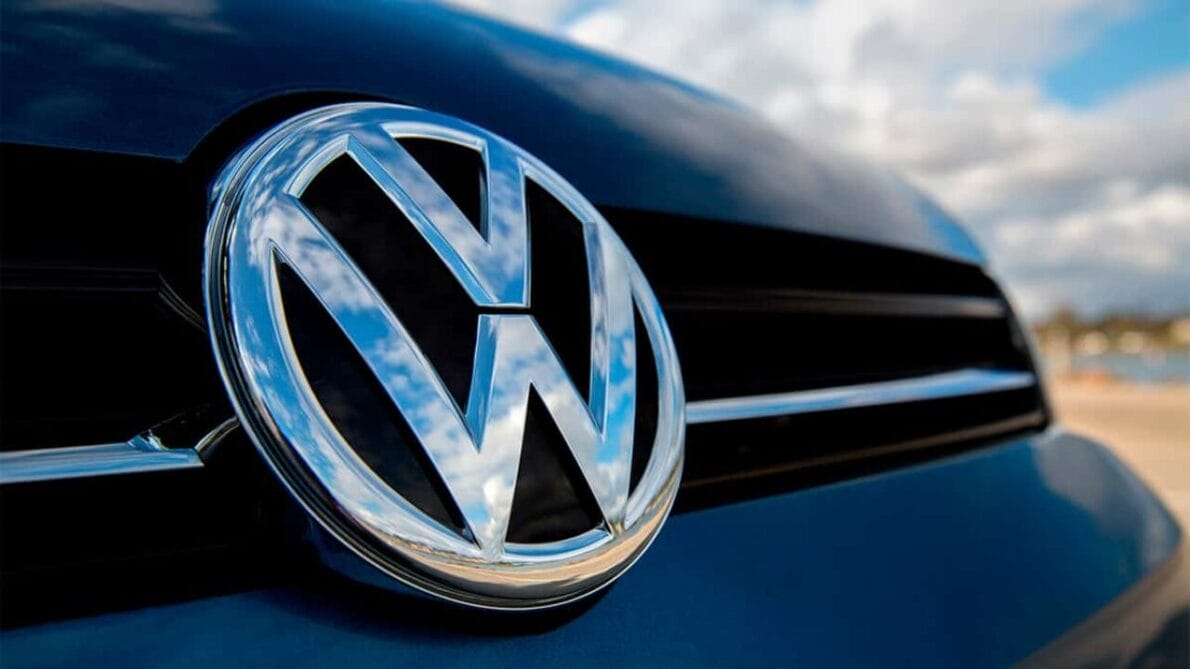
Volkswagen Voyage 2010, The Car That Combines Economy, Power And Interior Space, Offering A Practical And Reliable Option For Daily Use And Travel.
The Volkswagen Voyage 2010 is a vehicle that continues to attract the attention of Brazilian consumers, even after more than a decade since its launch. This car is known for its practicality, reliability, and good cost-effectiveness, characteristics that make it a viable option for various driver profiles. In this article, we present a detailed analysis of the Volkswagen Voyage 2010, covering everything from its performance to the main positive and negative points, with the aim of helping those considering acquiring this model.
Get to Know the Volkswagen Voyage 2010
The Volkswagen Voyage 2010 offers two engine options, both flex, that adapt to the consumer’s needs.
The 1.0 flex engine, with 76 hp, is ideal for those seeking economy. On the highway, this engine achieves an average consumption of up to 12.5 km/l with gasoline, making it an efficient option for those who travel long distances.
-
OMODA & JAECOO grows in Europe in 2026 with an integrated strategy of sales, innovation, local production, and technological advancement in the United Kingdom, Italy, and Spain.
-
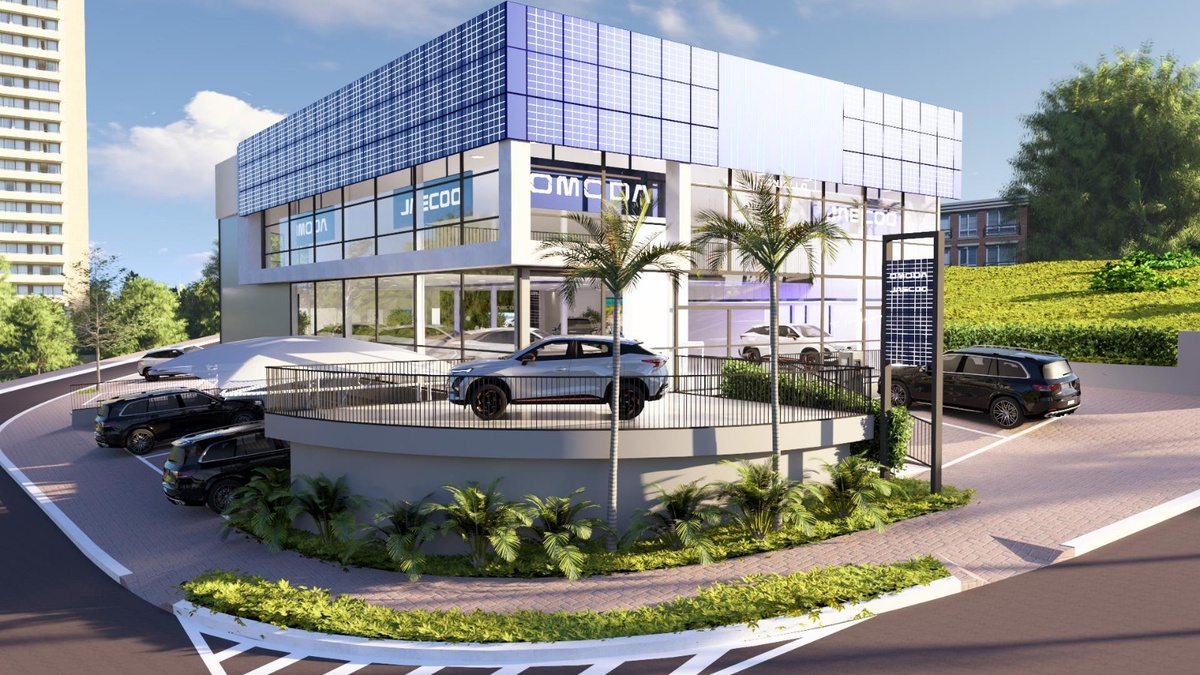
OMODA & JAECOO expands after-sales service in Brazil with competitive maintenance, a 7-year warranty, and high availability of parts for technological SUVs.
-
OMODA & JAECOO appoints Alessandra Souza as executive marketing director in Brazil and accelerates brand expansion with a focus on innovation, networking, and hybrid portfolio.

-
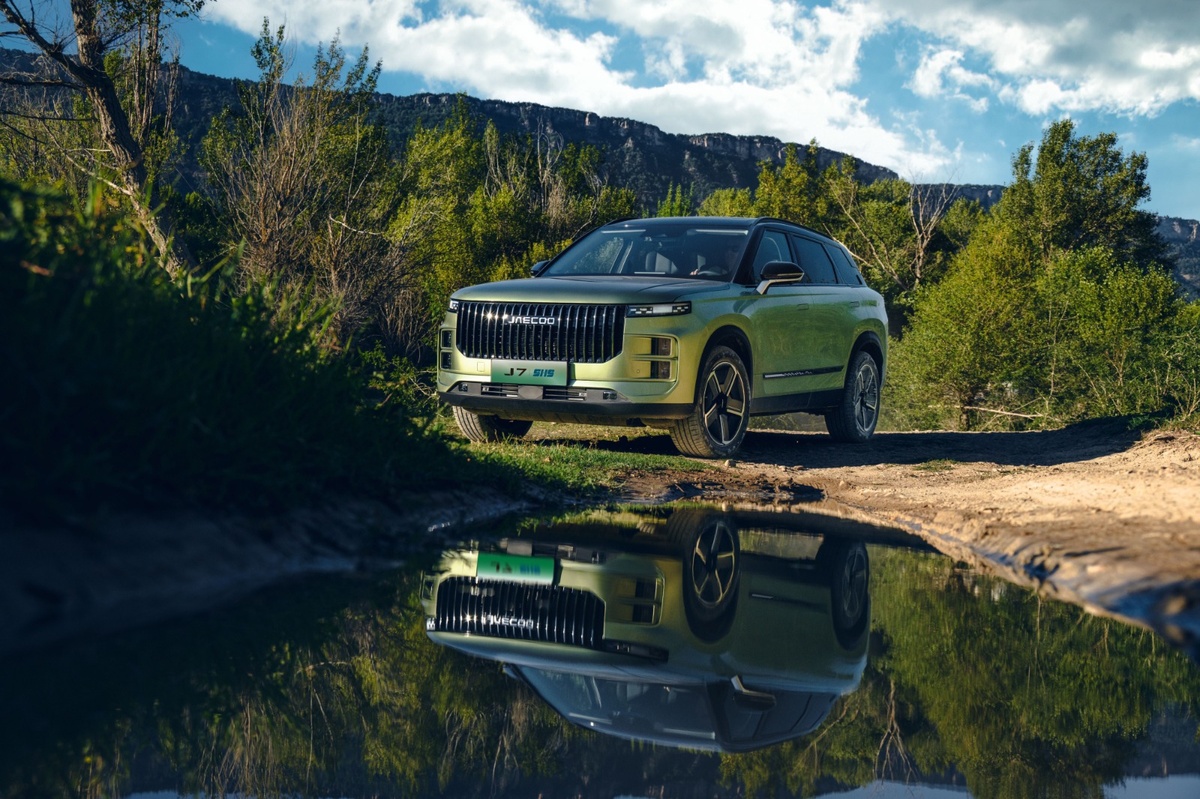
Jaecoo 7 with super hybrid SHS system exceeds 1,200 km of combined range with a 1.5 turbo engine, high-density battery, and intelligent energy management.

However, in urban environments, consumption drops to around 10.8 km/l, still maintaining reasonable performance.
For those who prioritize power, the 1.6 flex engine, with 104 hp, offers more vigor while driving.
This engine allows the Voyage to accelerate from 0 to 100 km/h in 9.8 seconds, reaching a top speed of 193 km/h.
Although the consumption is slightly higher compared to the 1.0 engine, the performance gain can justify the choice, especially for those who use the car in situations that require more power, such as highway trips.
Safety is a central aspect of the design of the Volkswagen Voyage 2010. The car comes equipped with ventilated disc brakes in the front and drums in the rear, providing effective braking.
The McPherson suspension in the front, combined with the torsion axle in the rear, offers stability on different types of terrain, ensuring safe and comfortable driving.
The hydraulic steering of the Voyage makes maneuvering easier, making the car more agile in urban environments and cramped parking lots.
However, it is important to note that items such as airbags and ABS brakes are not standard in all versions, which may be a factor to consider for those who prioritize advanced safety features.
Inside the Car
The interior of the Volkswagen Voyage 2010 is designed to be functional, with a simple layout that makes it easy to use the controls.
Although the finish is basic, the car offers a comfortable environment for daily use.
One of the main highlights is the standard air conditioning, an essential item for the comfort of the occupants, especially in warm climate regions.
Other standard items include power windows in the front doors, power locks, hydraulic steering, and a height-adjustable steering wheel.
The AM/FM sound system with CD player and USB input meets basic entertainment needs, while the onboard computer provides useful information about fuel consumption and the vehicle’s range.
For those seeking a little more sophistication, the 2010 Voyage also offers options for additional items, such as mirrors with internal control, mirrors and handles in the color of the car , and central locking of the doors.
These options allow the owner to customize the vehicle according to their preferences.
The Volkswagen Voyage 2010 stands out for its interior space, comfortably accommodating up to five occupants.
The trunk, with a capacity of 480 liters, is one of the largest in its category, offering ample space for luggage, making it an excellent choice for family trips.
This generous space is one of the main positive points mentioned by owners of the model.
Pros And Cons Of The Volkswagen Voyage 2010
Among the main positive points of the Volkswagen Voyage 2010, the robustness of its mechanics stands out.
The engine and transmission are durable and have low maintenance costs, factors that contribute to the reliability of the car.
Additionally, the interior space and trunk are aspects that please many consumers, making the Voyage a practical choice for daily use and travel.
On the other hand, the simple interior finish and the lack of more modern standard equipment, such as airbags and ABS brakes, can be considered negative points.
The design, although functional, lacks more sophisticated elements, which may turn away consumers looking for a car with a more modern look.
After All, Is It Worth Buying This Model In 2024?
The Volkswagen Voyage 2010 is a car that stands out for its versatility.
It is a solid choice for those seeking a compact sedan with good cost-effectiveness, offering a combination of economy, power, and comfort.
Its design may not be the most modern, but its reliable mechanics and generous interior space compensate for these limitations.
For those who need a practical and economical car for daily use, or a spacious and comfortable vehicle for family trips, the Volkswagen Voyage 2010 is an option to be considered.
Despite some negative points, such as the simple finish and lack of safety items in all versions, the model still offers excellent value for what it delivers.
Therefore, the Volkswagen Voyage 2010 remains a car relevant in the used market, especially for those who value reliability and interior space.








Seja o primeiro a reagir!