





 Portuguese
  English
  Spanish
  5 min of reading
  0 comments


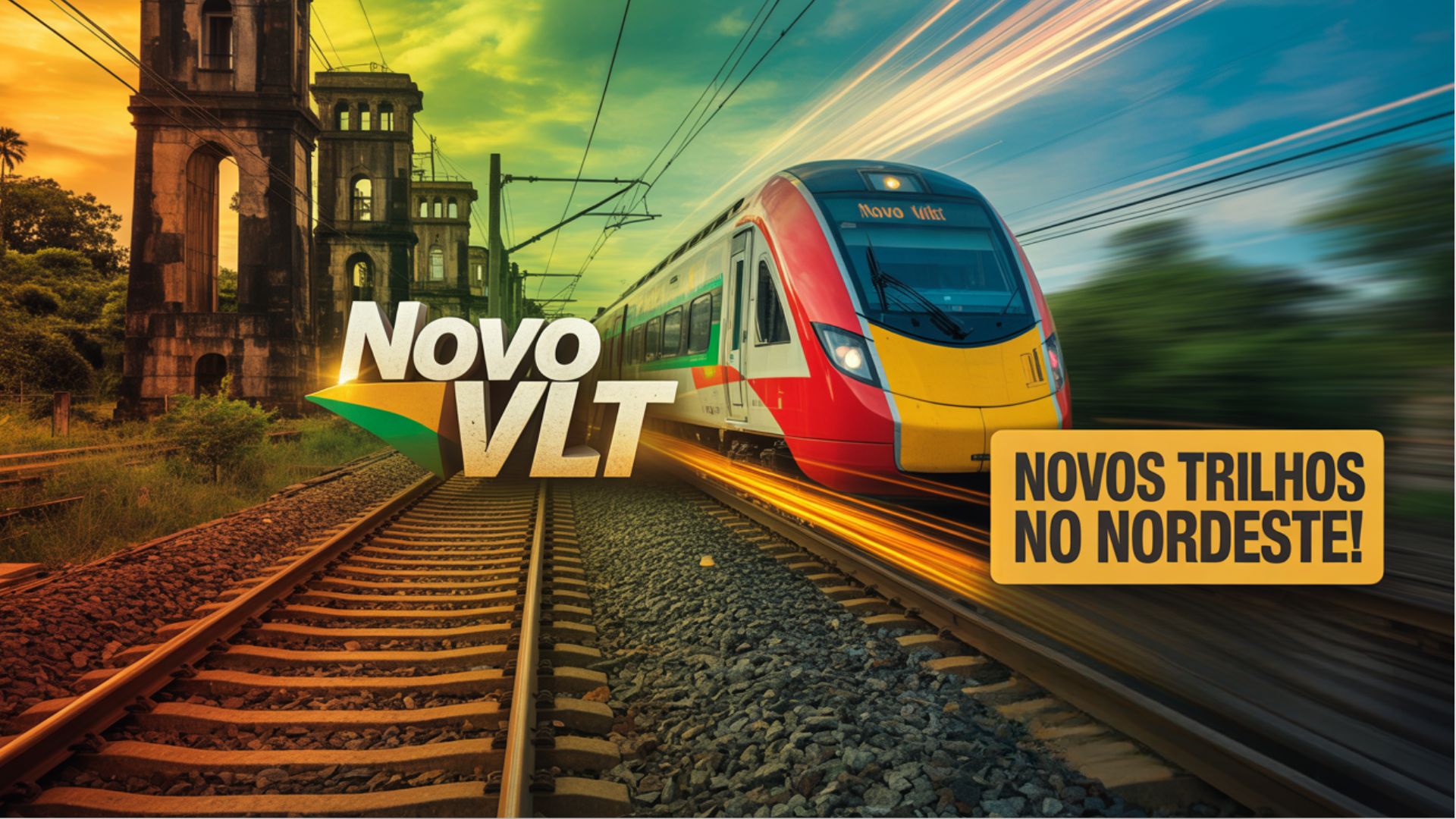
Proposal Provides for Railway Modernization, Billion-Dollar Investments, and Installation of New LRTs in Northeastern Interior Cities, Marking a Possible Reconfiguration of Transport and Urban Mobility in the Region.
The concession renewal proposal for the Transnordestina Logistics Railway (FTL) could mark a new chapter for railway transport in the Northeast.
The project provides for the return of 3,000 kilometers of railway network deemed obsolete in five states of the region, while promising to inject over R$ 3 billion in investments to modernize the 1,237 km currently operational between Fortaleza (CE) and São Luís (MA).
Additionally, the agreement involves the implementation of two Light Rail Vehicle (LRT) systems that are expected to link strategic cities such as Campina Grande in Paraíba and Arapiraca in Alagoas.
-
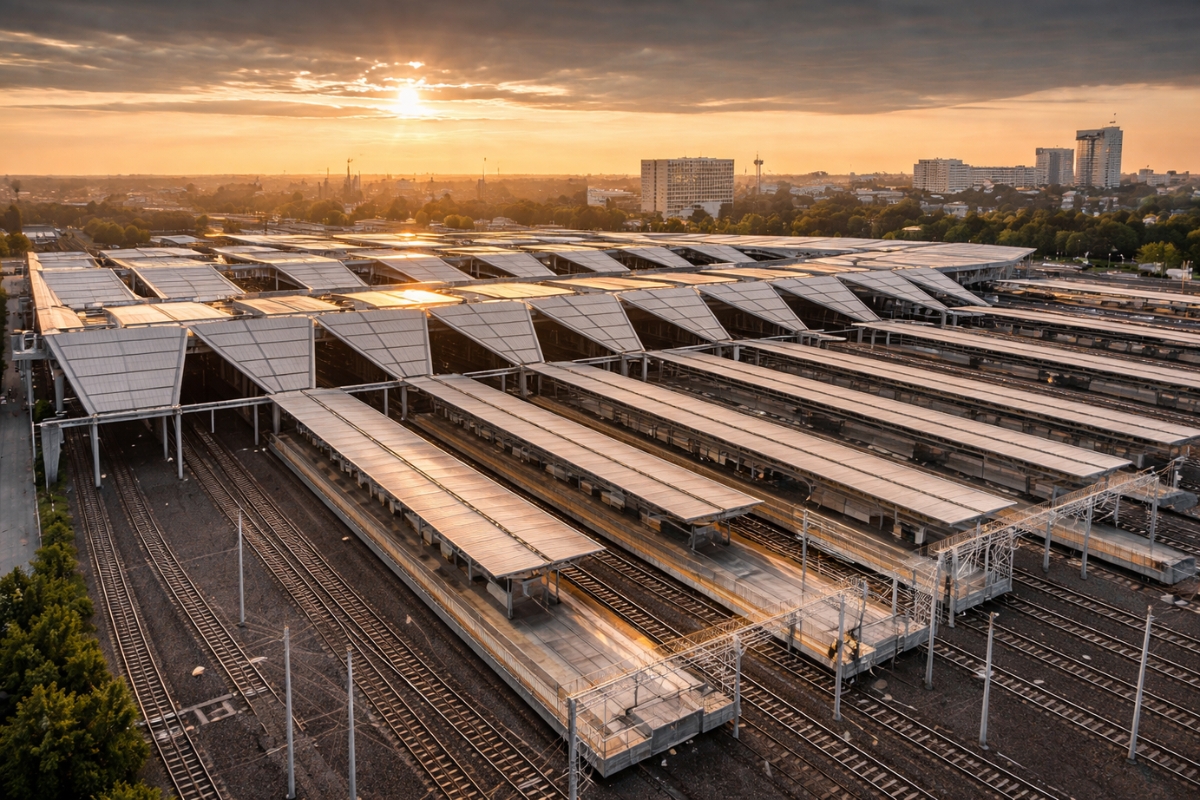
In A European City, The Country’s Largest Railway Junction Was Modernized Without Closing Its Doors, Kept Trains Running During Years Of Construction, Now Serves Up To 60,000 Passengers Per Day, And Installed Solar Panels That Generate About 30% Of Its Energy
-
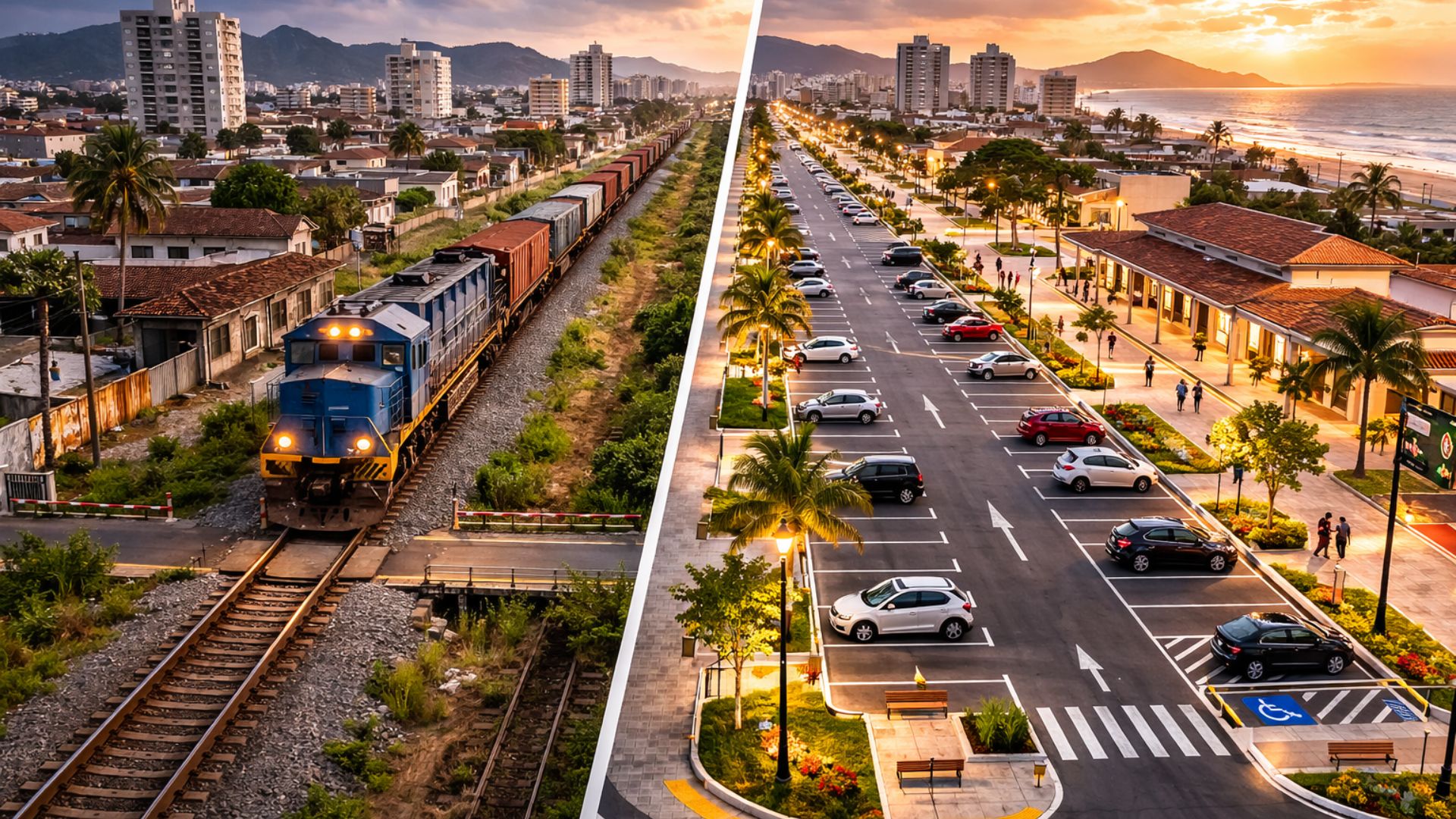
Famous Brazilian Railway May Become a Parking Lot
-
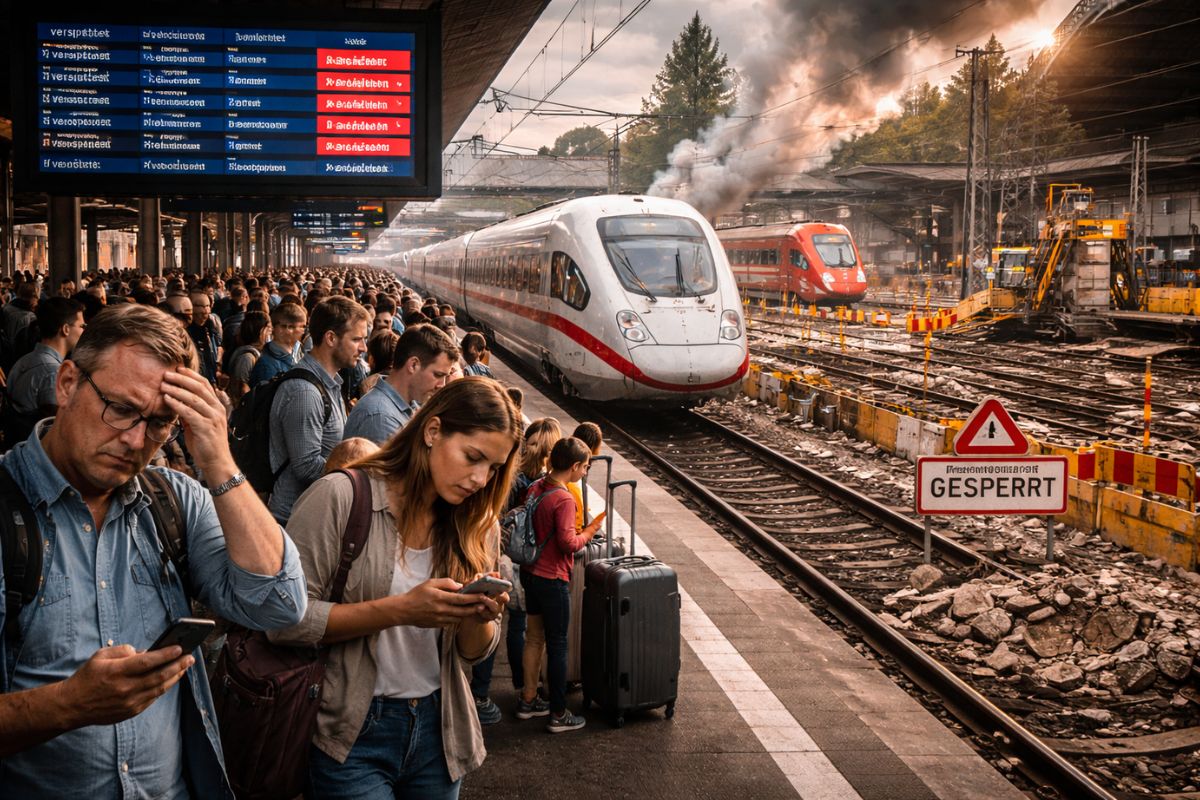
The Country of “Punctual As a Train” Admits It Has Lost Control: High-Speed Trains Delay, Stop, Disappear from the Map and Turn 6-Hour Trips into 10, While Deutsche Bahn Promises Restructuring in 2026 But Faces 19th Century Infrastructure, Staff Shortages and Sections Closed for Months
-
With an Investment of R$ 700 Million in One of the Country’s Main Rail Networks, VLI Reinforces Infrastructure, Receives 8 New Locomotives, and Expands the Corridor Connecting 7 States, Boosting Jobs and the Transportation of Grains, Ore, and Oil Products to the Port of Santos
Renewal of the Northeastern Railway Network Advances at TCU
The renewal process is in the final analysis phase by the Federal Court of Accounts (TCU) and depends on adjustments involving countermeasures required by the federal government.
Among the main requirements is the commitment to immediate investment in the railway, as well as the development of the LRT systems in northeastern interior municipalities.
According to Tufi Daher Filho, president of FTL, the negotiations have already advanced significantly, and the discussions include technical meetings and detailed analyses between the company, TCU, and the Ministry of Transport.
Northeast Railway Network: Current Situation and Return of Segments
The Northeast railway network comprises a total of 4,238 km, crossing Maranhão, Piauí, Ceará, Rio Grande do Norte, Paraíba, Pernambuco, and Alagoas.
However, only 29% of this total is under regular operation under the responsibility of FTL.
The remaining 71%, approximately 3,000 km, are without commercial use, comprising what is conventionally referred to as the “non-operational network.”
These lines, some of which have been out of service for decades, include urban segments in capitals such as Recife (PE) and João Pessoa (PB), as well as historical connections like the one that linked Fortaleza to Crato (CE).
Conditions for the Renewal of the Railway Concession
The return of these segments to the Union is one of the conditions established for FTL to obtain the early renewal of the concession for another 35 years – the current contract expires in 2027 and can be extended until 2062.
According to public information, the compensation for the return is under discussion and may involve indemnification, in addition to obligations for investment in urban mobility, such as the installation of the two LRT systems.
According to recent data from FTL, the systems to be implemented in Campina Grande and Arapiraca would serve cities that together exceed 600,000 inhabitants and currently do not have active railway branches.
Billion-Dollar Investment and Infrastructure Modernization
The investment of over R$ 3 billion, planned for the next 20 years, covers not only the modernization of the São Luís–Fortaleza line but also the acquisition of new trains, elimination of level crossings, replacement of wooden sleepers with concrete, and expansion of cargo transport capacity.
Between 2023 and 2024, the railway handled about 3 million tons, with a focus on the transportation of cellulose, which accounted for more than half of that volume.
The company’s expectation, if the renewal is implemented, is to triple that capacity, reaching up to 10 million tons per year.
Works, Advances, and Concrete Sleepers
The Northeast network of FTL is in a constant process of modernization, with investments already made in the replacement of sleepers and renovations of critical sections, such as the one connecting São Luís to Teresina (PI) and areas near Nova Russas (CE).
Some of these improvements are supported by a factory for sleepers in Salgueiro (PE), which ensures greater autonomy in the execution of works.
According to FTL, the logistical cost is still high, but the complete replacement of wooden sleepers with concrete is part of the planning to increase operational efficiency and safety.
Passenger Transport: Scenarios and Limitations
Regarding passenger transport, the proposal for the new contract does not foresee that FTL will operate this type of service directly on its tracks.
The model under discussion allows for the establishment of operational agreements with public bodies or other concessionaires, similar to what already occurs in the LRTs in Sobral (CE) and Teresina (PI).
Thus, the circulation of passengers may occur at specific times and segments, through granting of right of way, but without direct involvement from FTL in the commercial operation.
New Transnordestina: Comparison and Expectations
The discussion about the railway network of the Northeast also addresses the comparison with the New Transnordestina project, a railway of approximately 1,800 km under construction, which should link the interior of Piauí to the Port of Pecém (CE).
With an estimated cost of R$ 15 billion, the new line was designed to meet the technical standards required for the transport of large loads, surpassing the structural limitations of old railways, such as tight curves and narrow bridges, which currently hinder the modernization of the returned network.
Current Operation and Logistical Impact
Currently, the operation of FTL focuses on cargo transport, linking the Port of Mucuripe (CE) to the Port of Itaqui (MA), with a small connection to the Port of Pecém, whose link is temporarily suspended due to works on lot 11 of the New Transnordestina.
The expectation is that the branch will be reopened by the end of 2025, fully renovated and equipped with concrete sleepers, ready to operate mixed-gauge trains – a technical solution that allows for the circulation of compositions of different track widths.
Contractual Discussion and Benefits Analysis
The Consensual Solution Committee formed by the TCU brings together representatives from the court, the Ministry of Transport, the National Agency for Land Transport (ANTT), and FTL.
The goal is to evaluate the viability of the proposed contractual changes, analyzing technical, legal, and economic risks and benefits for public interest.
Among the points under discussion are the anticipation of the renewal, the definition of the terms of the return of the non-operational network, the amount of any indemnification, and the mandatory investments in infrastructure and urban mobility.
Future of Mobility and Potential Regional Impact
According to TCU, the discussions involve seeking advantageous solutions for the northeastern population, in addition to ensuring that the obligations assumed by the concessionaire are effectively met throughout the new concession.
If negotiations progress, cities like Campina Grande and Arapiraca may receive their first LRT systems, promoting integration between regions and encouraging local economic development.
The proposal to return the obsolete railway network and invest in modernization and mobility reflects a strategic movement for the future of cargo and passenger transport in the Northeast.
It remains to be seen whether the initiative, which provides for the largest proportional investment ever made in railway concessions in Brazil, will be sufficient to transform infrastructure and boost logistics in the region.
Given this scenario of changes and promises, how do you think the renewal of the railway and the arrival of the LRTs can impact mobility and the economy of northeastern cities?








Seja o primeiro a reagir!