





 Portuguese
  English
  Spanish
  4 min of reading
  21 comments


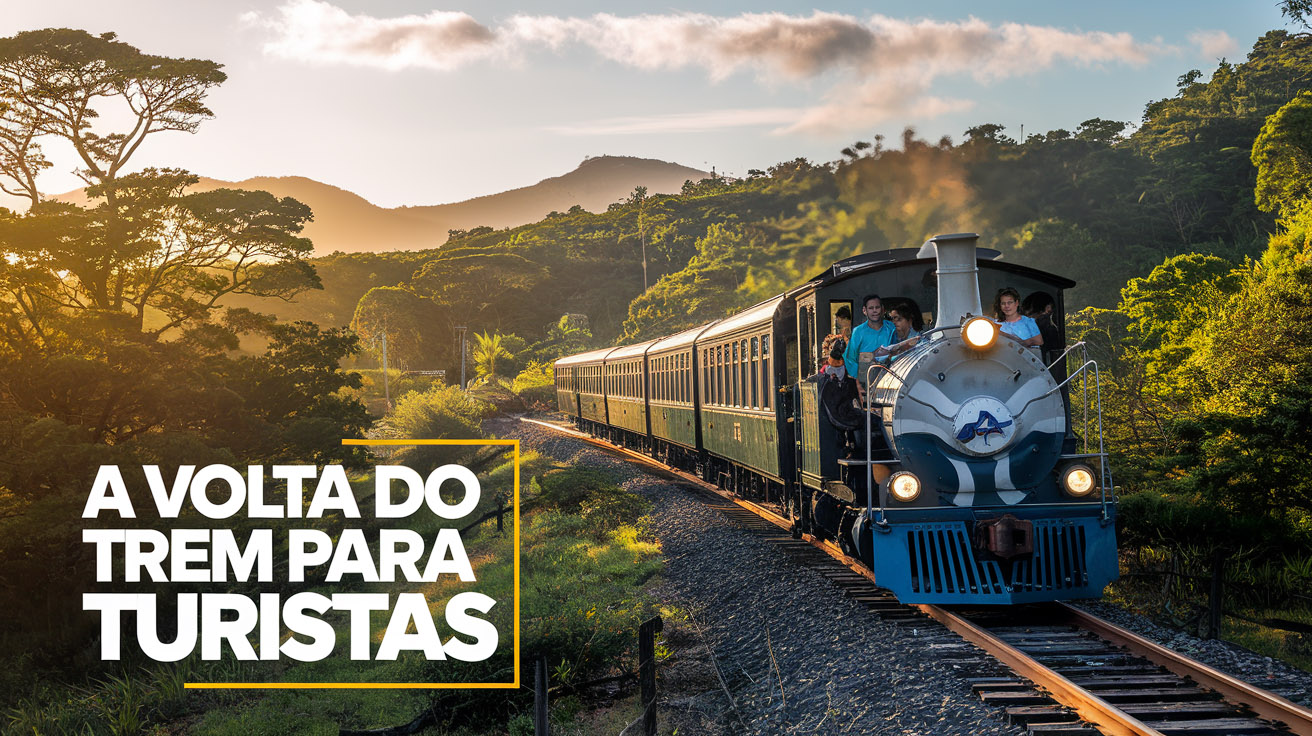


Mayors of the South Fluminense Plan to Revive the Tourist Train of the Atlantic Forest. The Project Promises to Revolutionize Tourism, Boost the Local Economy, and Value the Railway History. Will This Be the Triumphant Return of Tourism on Rails?
Amid discussions about regional development and historical preservation, an audacious project promises to transform tourism and logistics in South Fluminense.
The proposal to reintroduce the Tourist Train of the Atlantic Forest sparks interest from mayors and enthusiasts, who see in the initiative a unique opportunity to revitalize the local economy and promote tourism on rails. But is this dream about to become a reality?
Mayors Unite for the Railway Project
-
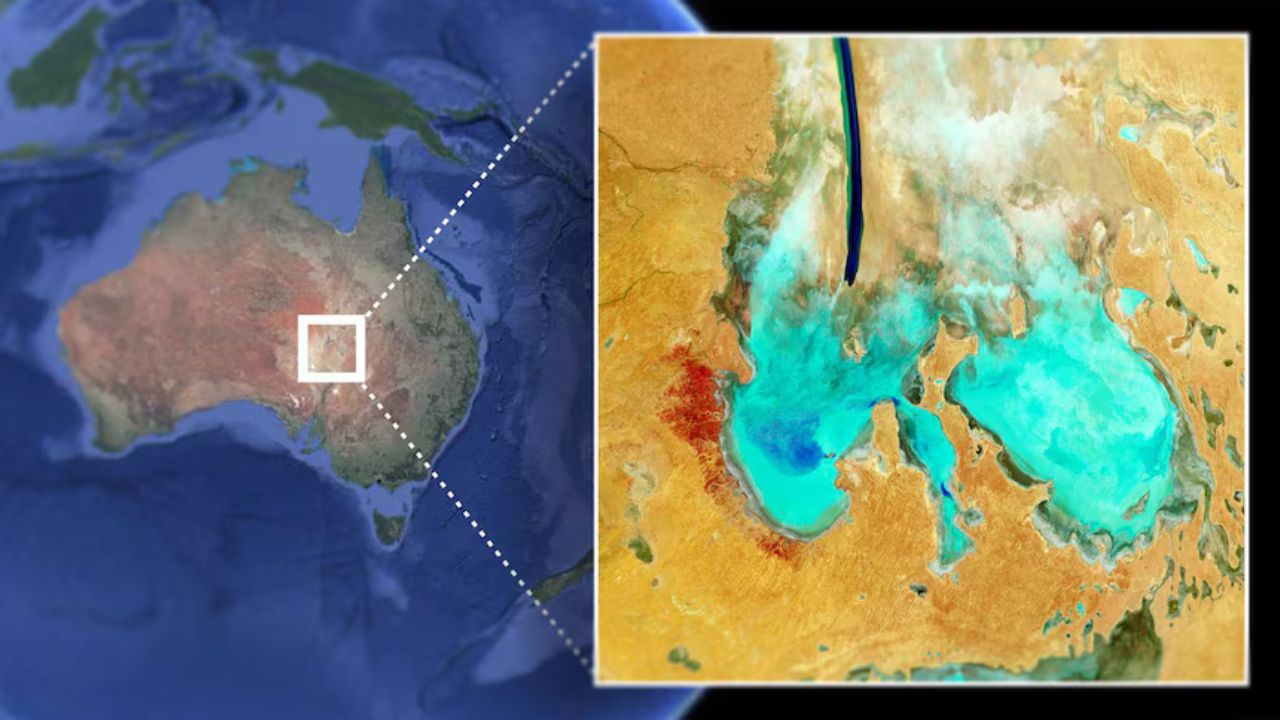
Frequently highlighted in images from NASA, the “lake that shouldn’t exist” in the heart of the Australian desert is 15 meters below sea level and suddenly turns into a colorful inland sea that appears and disappears, reshaping the Outback with each flood.
-
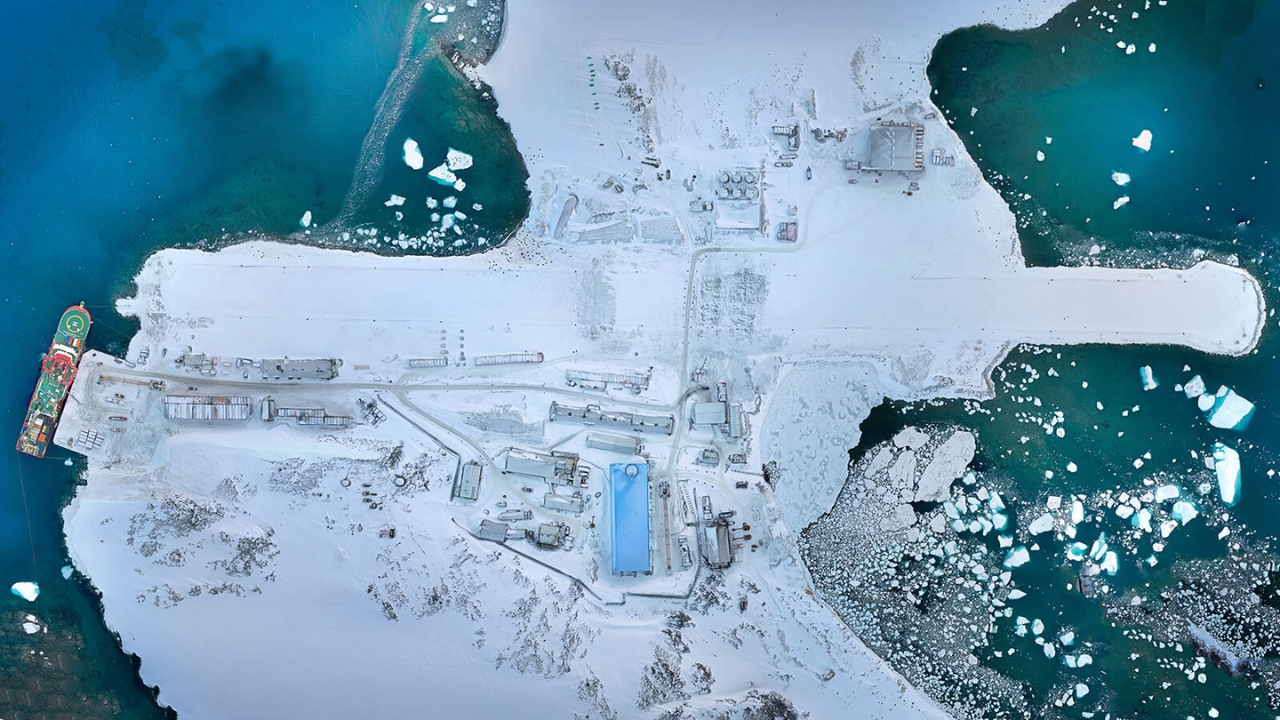
In Antarctica, a building has just achieved a certification that only 1% of accredited buildings worldwide can attain, in an engineering feat erected in one of the most hostile environments on the planet.
-
A Meta employee is accused of downloading over 30,000 private photos of Facebook users, and one of them could be you.

-
A diver found a 900-year-old sword at the bottom of the Mediterranean Sea, and its state of preservation impressed scientists so much that it could rewrite what is known about the Crusades.

Last Friday (10), mayors from seven cities in South Fluminense gathered to discuss the reactivation of the railway line connecting the region to Costa Verde.
Present were the mayor of Volta Redonda, Antônio Francisco Neto; from Barra Mansa, Luiz Furlani; from Quatis, Aluísio D’Elias; from Rio Claro, Babton Biondi; from Angra dos Reis, Claudio Ferreti; and from Piraí, Luiz Fernando Pezão.
State Deputy Munir Neto also attended the meeting, reinforcing political support for the initiative.
This collective movement demonstrates the commitment of local leaders to seek solutions for regional development, involving different sectors of society.
Coffee and Limestone Route: Logistics and Economic Boost
The project aims to implement the “Coffee and Limestone Route,” a railway corridor connecting Varginha (MG) to Angra dos Reis (RJ).
The proposal involves the requalification of the segments Varginha/Bhering (Lavras, MG) and Barra Mansa to the Port of Angra, facilitating the flow of mining commodities, especially coffee, which represents about 40% of national production.
In addition to coffee, limestone transportation will also be optimized, benefiting several industrial and agro-industrial sectors in the region.
Strategic Investment for Railway Revitalization
Péricles Aguiar, president of the Regional Development Agency (ADR) of South Fluminense, explained that the Centro-Atlântica Railway (FCA) is returning railway segments to the National Department of Transportation Infrastructure (Dnit), including segments in Rio de Janeiro.
The return requires the payment of an indemnity of R$ 3.5 billion.
Part of this amount could be invested in the reconstruction of the line between Barra Mansa and Angra dos Reis, estimated at R$ 600 million.
This investment will be crucial to modernize infrastructure and ensure safety and efficiency in passenger and freight transport.
Positive Economic Impacts for the Region
Delmo Pinho, advisor to the presidency of Fecomércio-RJ, highlighted the positive impact of the railway connection.
“This connection will transform the logistics of cargo and passengers, attracting industries and companies to South Fluminense,” he stated.
The expectation is that the region will benefit from increased tourist flow and economic dynamism.
The project will also contribute to job creation, both direct and indirect, boosting local commerce and the service sector.
Challenges and Perspectives for the Project’s Realization
Despite the enthusiasm, the project faces logistical and bureaucratic challenges.
The complexity of the railway requalification works requires detailed planning and coordination among different levels of government.
Securing funding and environmental regularization are also critical points for the execution of the projects.
Agenda with the Federal Government
To move forward with negotiations, the mayors contacted the Minister of Transport, Renan Filho.
A visit by the minister to the region was agreed for late January or early February to get a close look at the project and assess investment possibilities.
This approach to the federal government is essential to secure resources and technical support.
Railway Tourism: A Historical and Economic Rescue
The reactivation of the Tourist Train of the Atlantic Forest represents not just a logistical advance.
It is an opportunity to rescue the railway history of the region, foster sustainable tourism, and promote economic development in an integrated manner.
The project unites past and future, creating a new chapter for South Fluminense. The return of the tourist train also opens doors for partnerships with the private sector and historical preservation organizations.
And you, do you believe that the reactivation of the Tourist Train could boost the economy and tourism in the region? Leave your opinion in the comments!



Sim,acredito no sucesso da reativação do trem turístico dessa região
Excelente ideia. Parabéns pela ideia do retorno da ferrovia.
Sem dúvida alguma é fundamental que isto aconteça.