





 Portuguese
  English
  Spanish
  4 min of reading
  0 comments


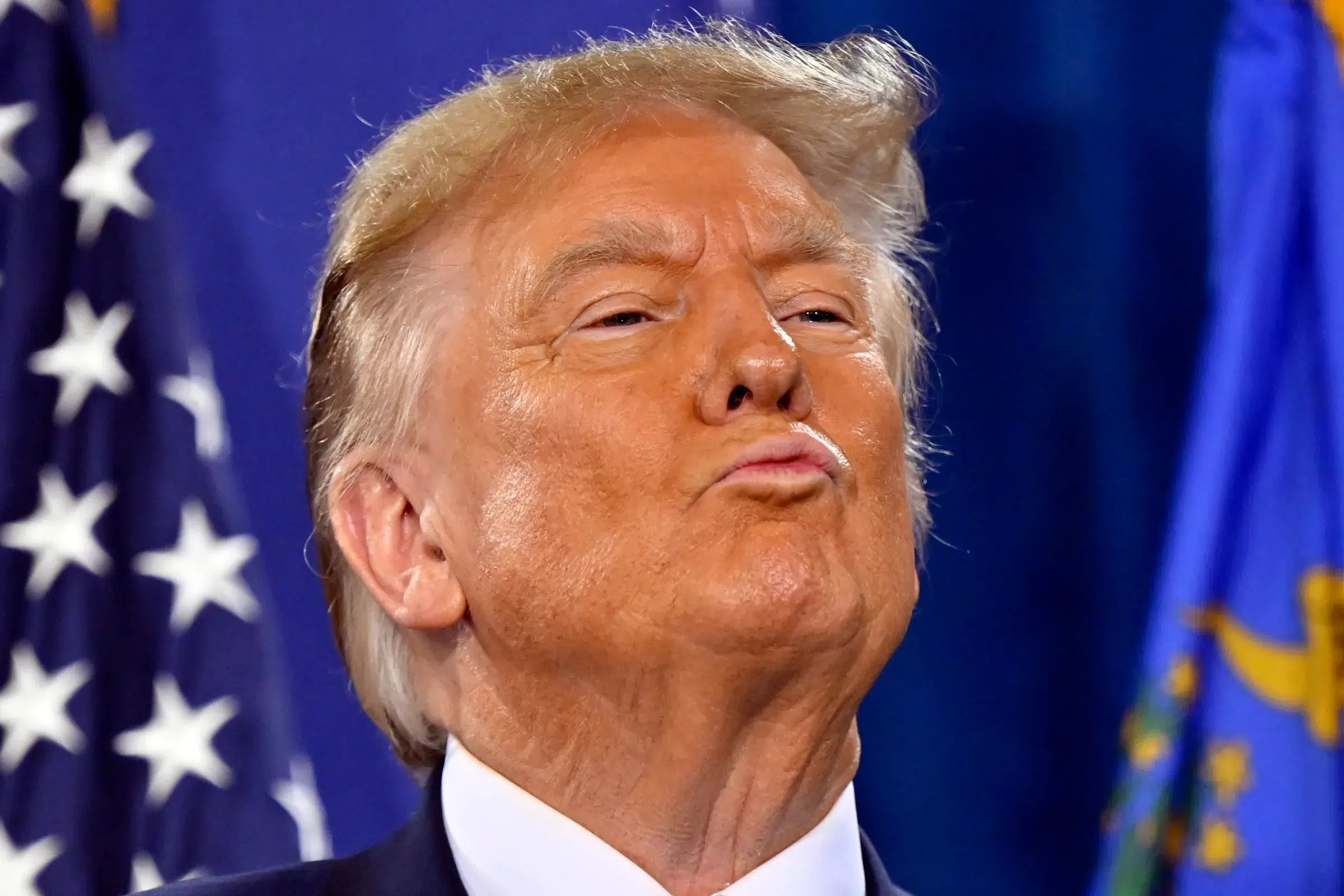
Loved By Many And Hated By So Many, The Powerful Trump Returns To The White House With The ‘America First’ Policy: Who Wins And Who Loses? Ukraine, NATO, Israel, And China — Global Allies And Rivals.
The return of Donald Trump to the global political scene in 2024 promises to shake the foundations of international relations and redefine the United States’ stance towards allies and rivals. With his “America First” policy returning to the center of attention, the impact of his decisions reaches from the U.S. Army to countries such as Ukraine, NATO, Israel, and China, raising both expectations of stability and fears of new global tensions.
But who really wins and who loses with this new American approach by Donald Trump? Understand how this change in direction may reshape the balance of power in the 21st century and profoundly affect the geopolitical landscape.
Impacts Of Trump’s Return: Gains And Losses For Ukraine, NATO, Israel, China, And The US Military
The return of Donald Trump to the White House signals a transformation both domestically and internationally. His pragmatic and straightforward style suggests a policy focused on strengthening the U.S. military and prioritizing American interests, often over multilateral alliances, causing enthusiasm in some sectors and concern in others.
-
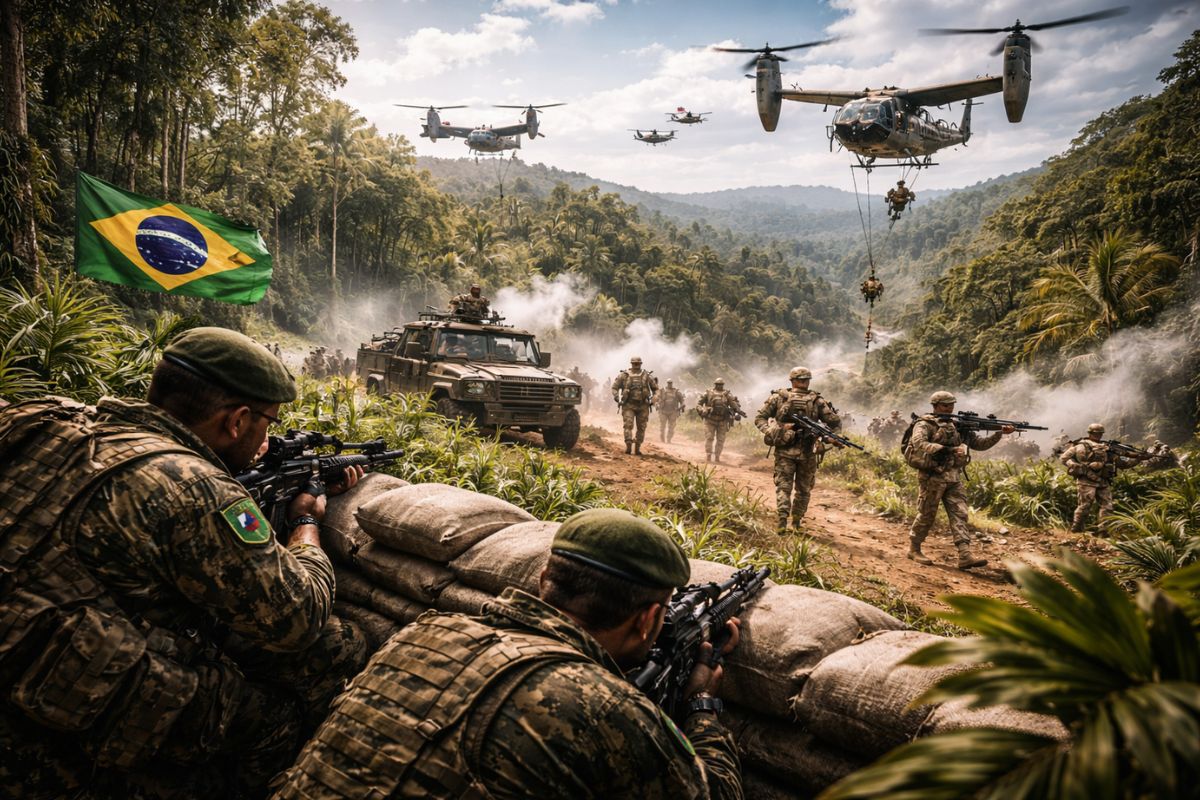
If the USA were to go to war with Brazil, Washington’s greatest fear would not be the attack itself, but facing a vast territory, prolonged resistance, and a costly, chaotic, and unpredictable occupation.
-
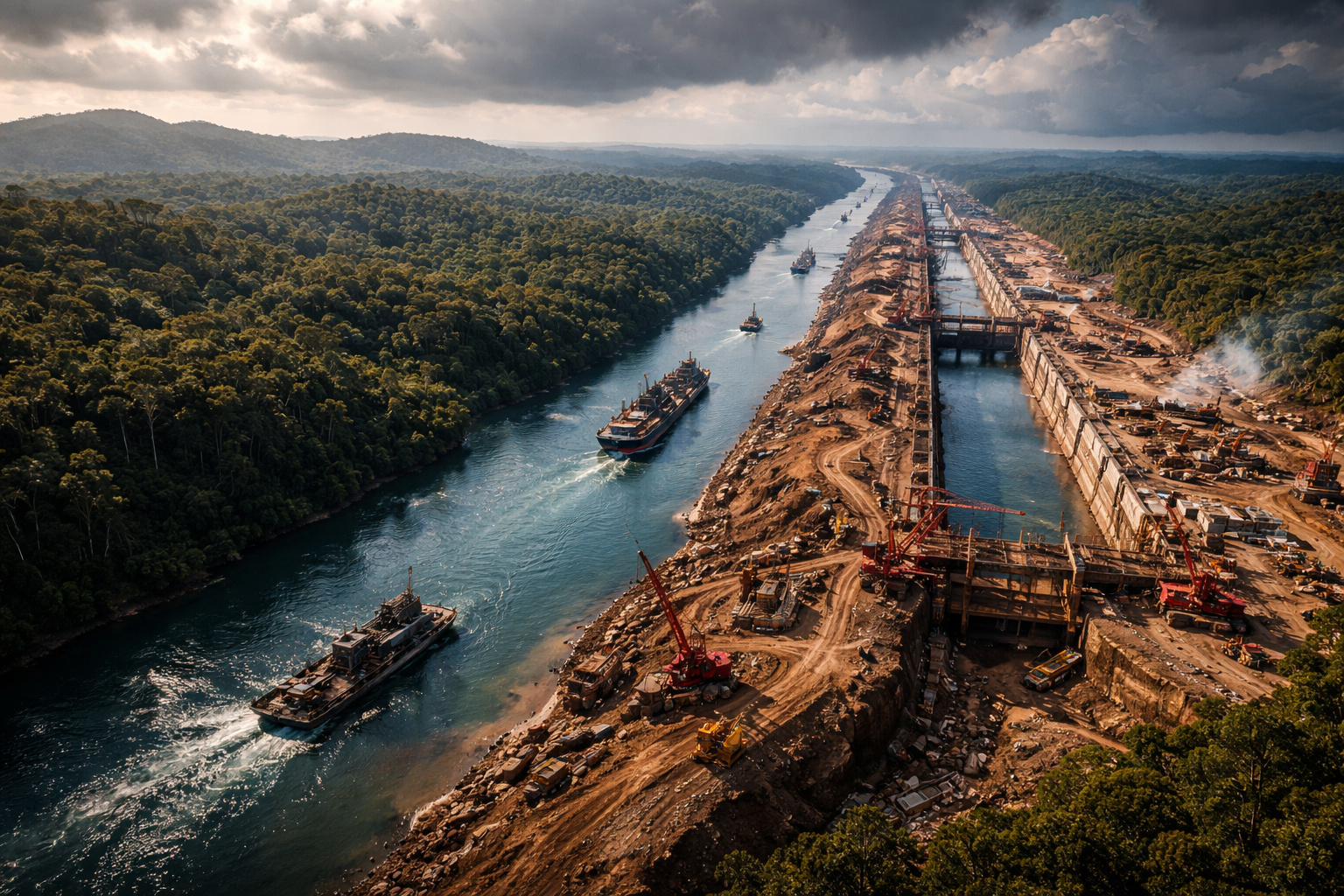
In 2013, Nicaragua sold the concession for a canal to rival Panama to a Chinese billionaire who lost 85% of his fortune, disappeared, and was declared bankrupt. Now the project resurfaces with a new route, a new Chinese partner, and a cost of $64.5 billion.
-
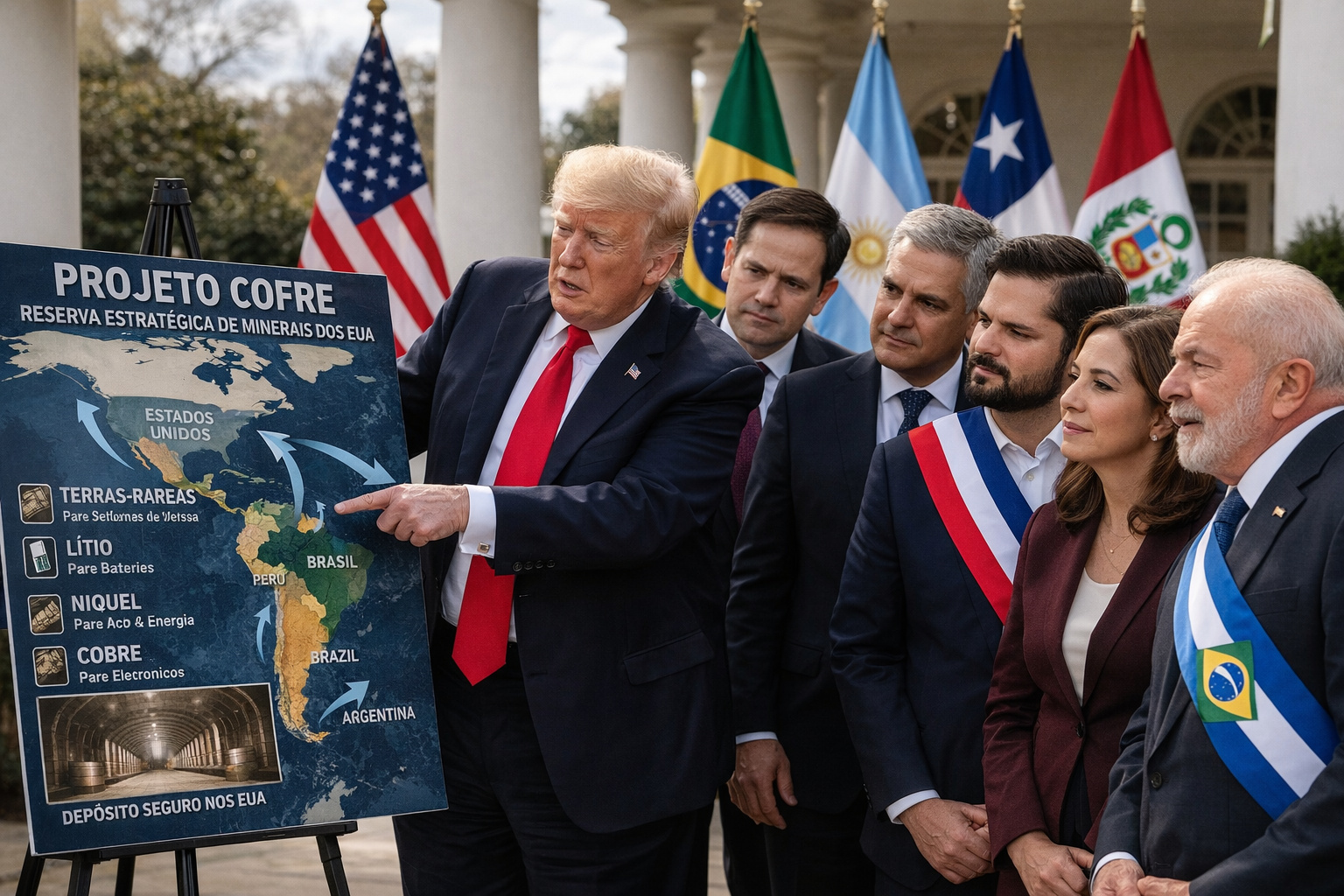
The USA announces a mysterious billion-dollar vault project to store critical minerals, but what intrigues experts is not just the plan itself, but why Latin America, including Brazil, has entered the center of this global dispute against China.
-
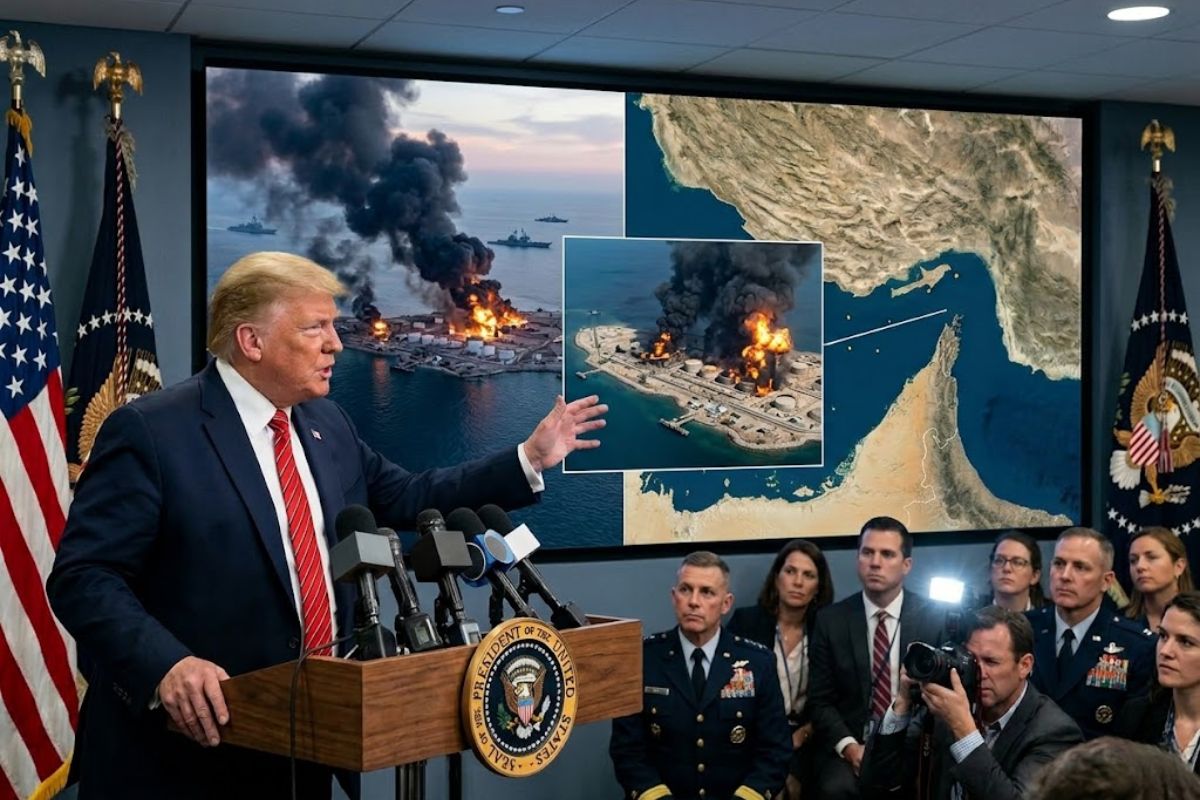
Trump Announces Bombing of U.S. Military Targets on Iranian Island Responsible for About 90% of Iran’s Oil Exports, Warns of Further Attacks if Navigation in Strategic Strait of Hormuz Is Threatened

During his first term, Donald Trump prioritized an external approach based on the “America First” concept, disregarding alliances that he viewed as burdensome. Now, the expectation is that the country will reduce its direct participation in conflicts, encouraging other nations to take on more responsibilities for their own defense.
NATO, for example, is expected to experience a reassessment of the U.S. role in the alliance, with Trump encouraging Europe to invest more in defense. This move, aimed at reducing European dependence on American military support, could strengthen regional alliances. However, it also raises concerns that the gradual withdrawal of U.S. troops could leave a space that powers like Russia and China may attempt to fill.
Ukraine And The Economic Weight Of The Conflict For The ‘Pocket’ Of The US
Since the beginning of the war in Ukraine, the U.S., under Biden’s administration, has become one of the main supporters of the European country. With Donald Trump in power, a change is likely: he advocates for a negotiated solution aimed at reducing the financial and economic costs of the war, including the impact on global energy prices.
This stance may be unfavorable for Ukrainian President Volodymyr Zelensky, who relies on Western support and U.S. military assistance to counter Russia. In contrast, Russian President Vladimir Putin may see advantages in a less interventionist and more negotiating American posture, as it favors his expansionist interests.
Middle East: Support For Israel And Pressure On Iran, Donald Trump Is Expected To Resume His ‘Deterrence By Force’ Policy
Donald Trump is known for his strong support for Israel and believes that the country’s security is essential for regional stability. In this regard, Israeli Prime Minister Benjamin Netanyahu may see himself benefited by the new American policy, which promises to continue with substantial military and financial support.
Regarding Iran, Trump is expected to resume his ‘deterrence by force’ policy. Since abandoning the nuclear agreement in 2018, he has intensified economic sanctions against Iran to restrain its nuclear program. Trump sees a nuclear Iran as a direct threat to Israel and allies in the Gulf, and he would be willing to support preventive actions to prevent the country from acquiring nuclear weapons.
Beijing On Alert: China Is Seen By Trump As The Biggest Economic Rival Of The US
China is viewed by Trump as the biggest economic rival of the U.S., and he has already signaled the possibility of increasing tariffs on Chinese products, seeking to protect the American economy and reduce the trade deficit. For him, these tariffs are not just a negotiating measure but also a way to strengthen domestic production and reduce U.S. dependence on Chinese products.
Regarding Taiwan, Trump believes that the country should take on a larger share of its defense costs but also promises to support its security, considering the strategic importance of the island in containing Chinese influence in the Pacific.
Abraham Accords: A Path To Peace In The Middle East
An important aspect of Trump’s policy is the desire to expand the Abraham Accords, which normalized relations between Israel and some Arab countries. These accords, seen as a path to peace in the Middle East, are expected to be broadened to include more Arab countries and promote a joint fight against terrorism.
The New Position Of The US In The International Scenario
Trump’s return represents a transactional approach focused on the direct interests of the U.S., which promises to divide opinions globally. Israel and Russia may see advantages in this pragmatism, while Ukraine and Iran may face greater challenges.
This new policy is likely to significantly impact international relations and geopolitics in the coming decades, defining a new American posture on the global stage.







Seja o primeiro a reagir!