





 English
  Francês
  Alemão
  Italiano
  Japonês
  Norueguês
  Portuguese
  Spanish
  2 min of reading
  0 comments



Manufacturers Increase Prices, But Some Hold Values. Understand the Changes in Electric Car Prices in the Automotive Market in 2024
Electric and hybrid cars are more expensive this year due to the return of the import tax. The rate, which will be 35% for all categories of electrified vehicles, was partially collected starting on January 1, 2024. Some manufacturers have already adjusted the prices of their models, while others chose to maintain the values, according to the AutoEsporte website.
Electric cars may be subject to import taxes depending on their origin and the country’s trade policies. Additionally, governments may offer tax incentives for the production and purchase of these vehicles, aiming to promote their adoption and the reduction of polluting emissions. Check below the price adjustments for electric cars in 2024 made by some automakers.
Quotas Divisions and Strategies of Automakers in 2024
The government established quotas divisions by type of propulsion, charging 10% for electric and 12% for hybrids starting in January. However, some manufacturers announced distinct strategies:
-
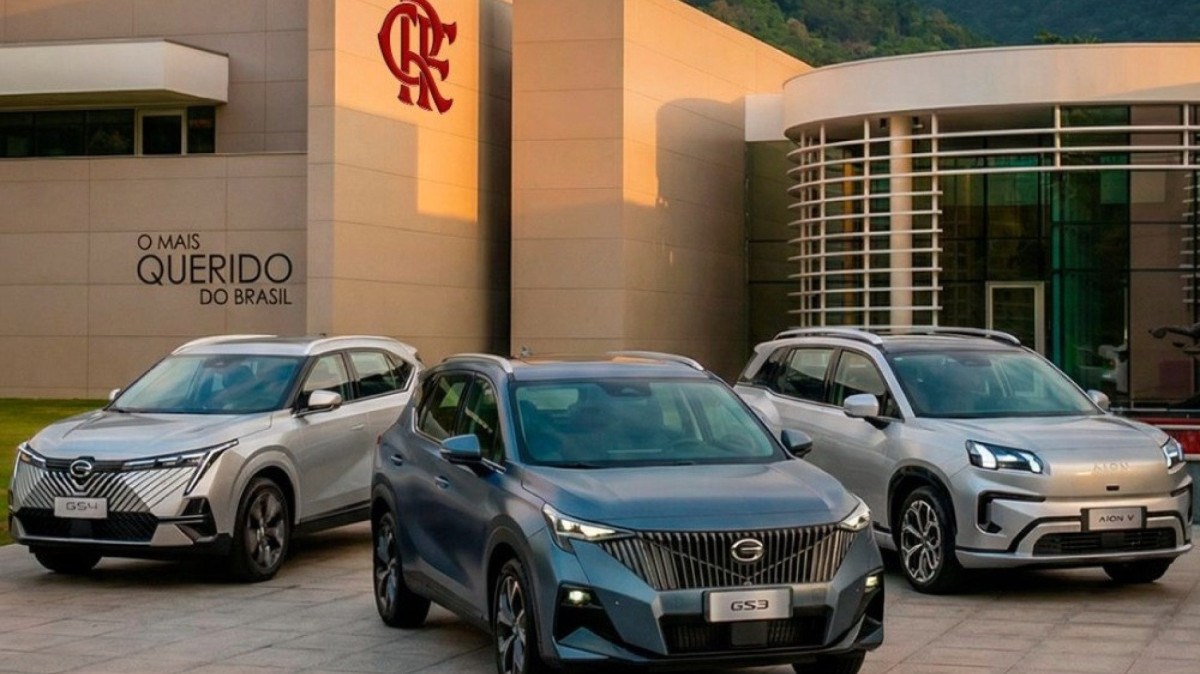
After launching the new GS3 with a 1.5 turbo engine producing 170 hp, GAC partners with Flamengo, enters the field with the largest fan base in Brazil, and accelerates an ambitious offensive to gain scale and confidence in the national market.
-
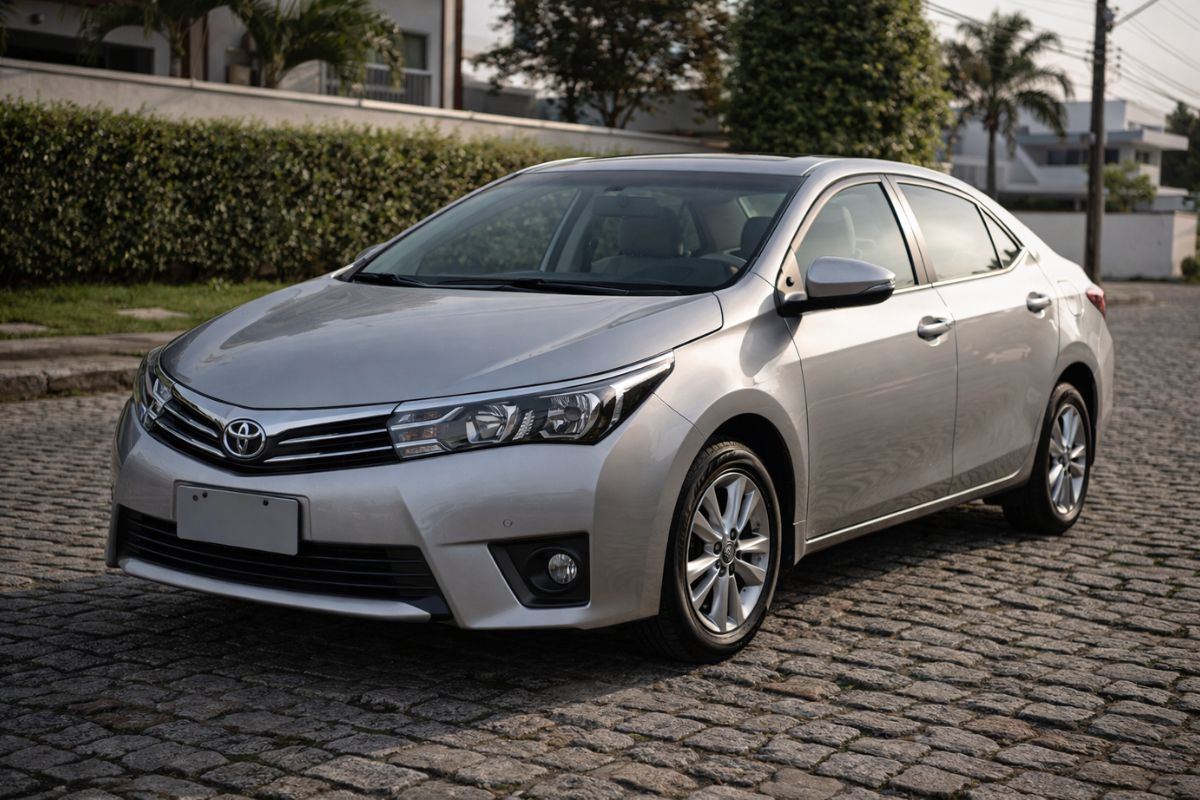
The Corolla from 2015 to 2019 depreciates so little that a 10-year-old model is still worth over 76 thousand reais, and owners treat this sedan as a safe investment thanks to its reputation for durability that no competitor has been able to match.
-
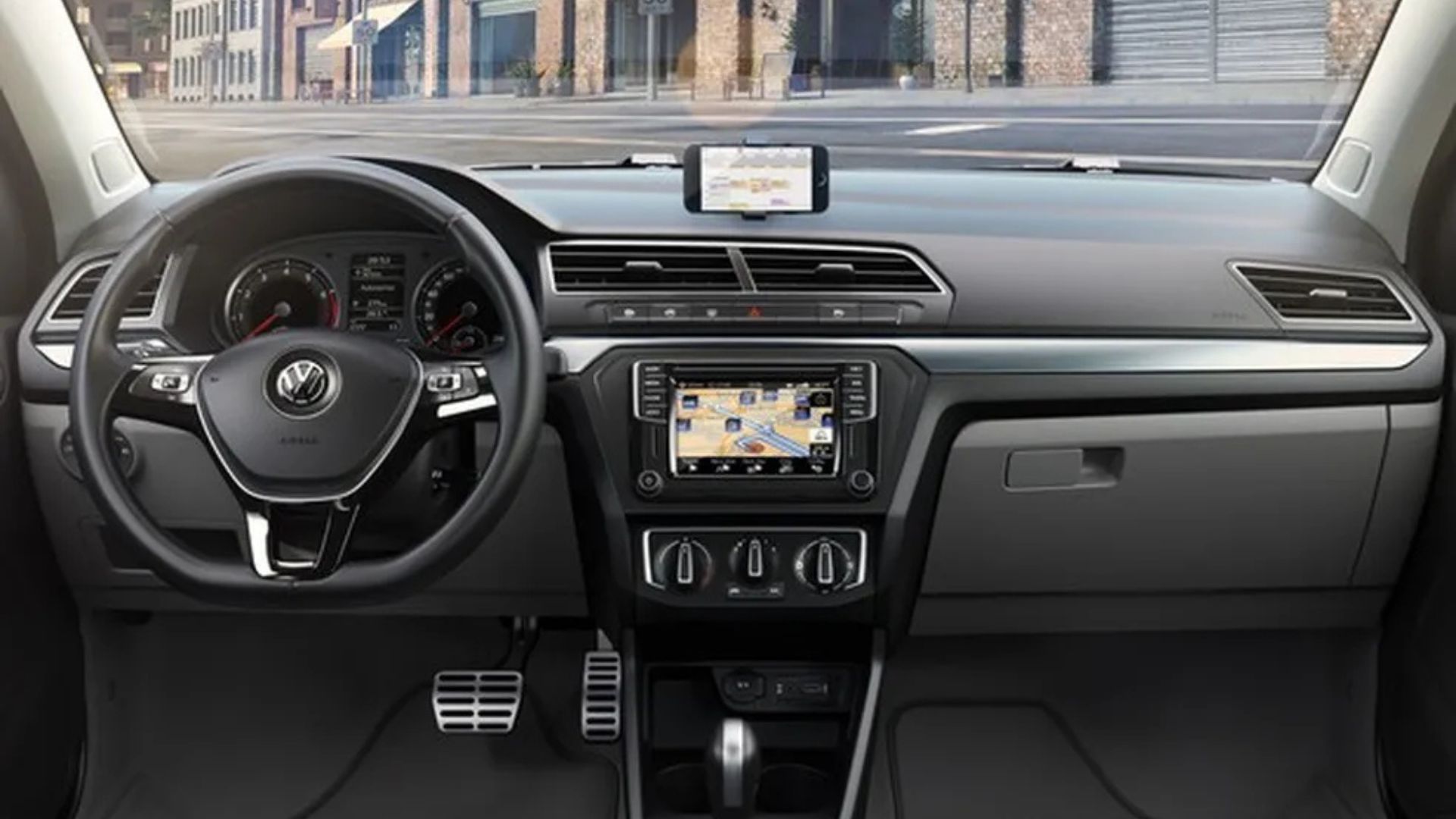
Is it worth considering a financed 2025 HB20 Comfort? A simulation with R$ 50,000 in the bank shows installments ranging from R$ 5,687 to R$ 2,365.

-
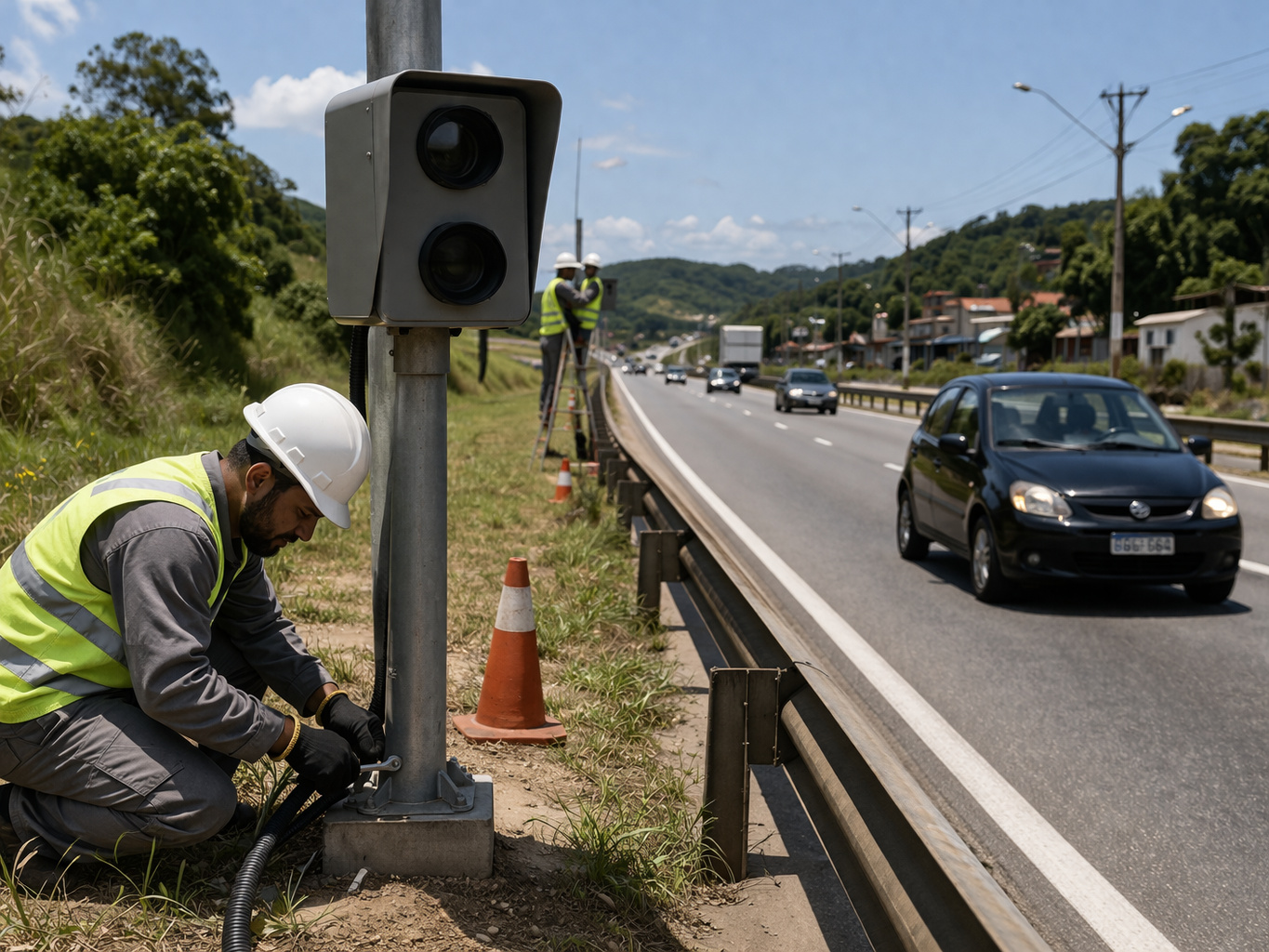
Road surveillance in Rio de Janeiro enters a new phase with the installation of more than 140 speed cameras on highways RJ-106 and RJ-104, and DER-RJ expands speed control in high-traffic areas.

BMW: The brand partially increased the prices of its electric cars, such as the BMW i4, while keeping others, like the BMW 530e, unchanged.
Volvo: The Swedish company plans to pass on an average of 7.7% of the new rate to the final consumer, with smaller increases than expected for some models.
Honda: Increased the prices of its hybrid cars, such as Civic and Accord, by 2.31% instead of the set 12%.
Kia: Chose to maintain the 2023 prices for the Niro, Sportage, and Stonic hybrids until the end of January, before applying a adjustment of up to 12%.
Seres, GWM, and Audi: The companies maintained the prices of their models until the end of January, awaiting possible increases.
Nissan: The Leaf, the brand’s electric model did not experience a price increase and there is no forecast for an adjustment.
Government Objectives and Market Impacts in 2024
The government claims that the measure aims to develop the national automotive industry and accelerate the decarbonization of the Brazilian fleet in 2024. The return of the tax occurs after eight years of exemption for electric and hybrid cars.
With the change, an impact on the market is expected in 2024, especially since currently no manufacturer based in Brazil produces electric cars, and national hybrids are limited. The expectation is that prices will adjust to the new scenario, reflecting the government’s objectives and the strategies of the automakers.







Seja o primeiro a reagir!