





 Portuguese
  English
  Spanish
  6 min of reading
  0 comments


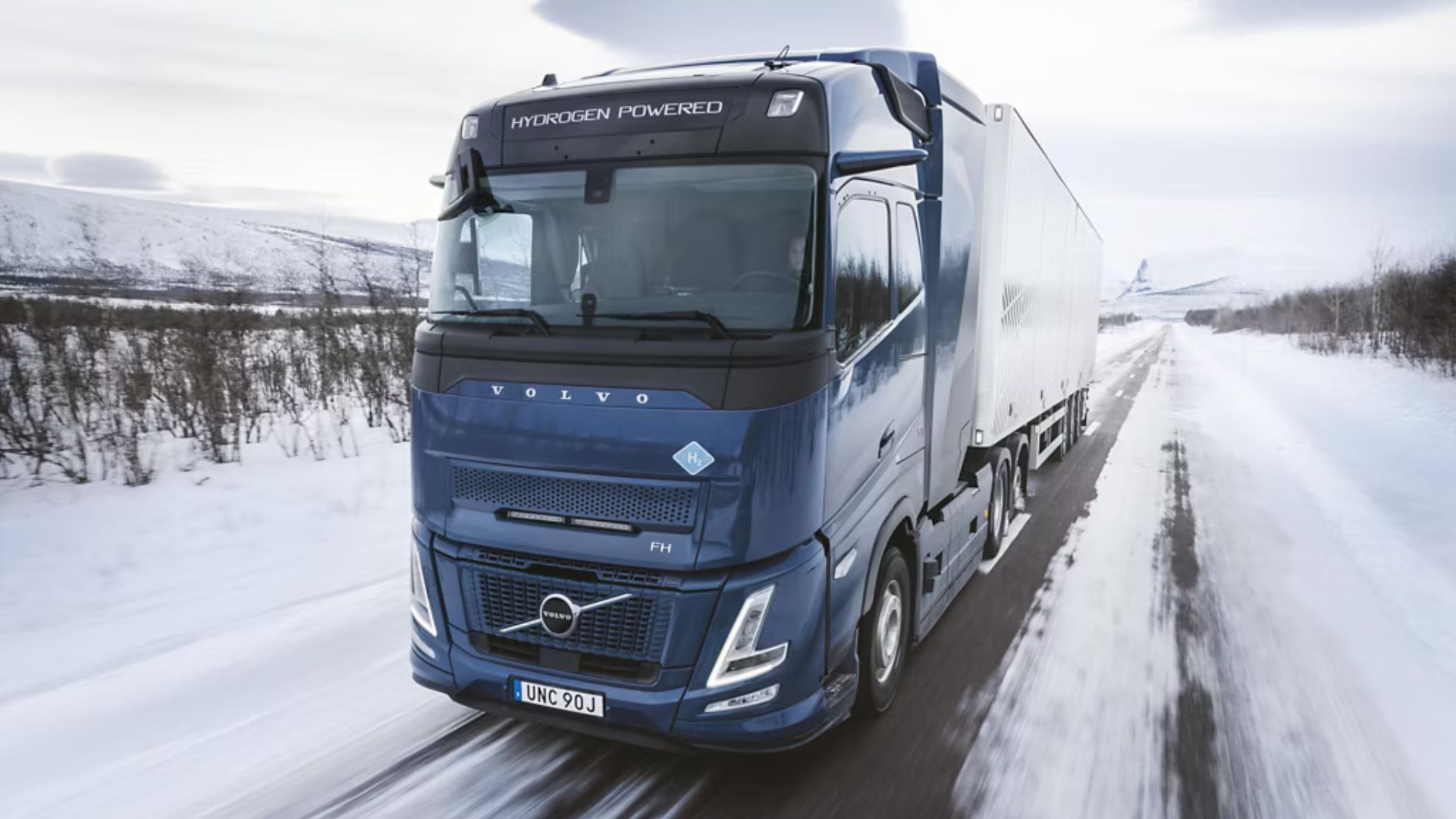
Volvo tests trucks with hydrogen combustion engine in Europe and bets on efficient technology to reduce emissions in heavy transport, expanding real paths to sustainable mobility.
Volvo has begun real-world testing of trucks equipped with hydrogen combustion engines in Europe, marking an important advance on the path to sustainable mobility. The initiative aims to validate the use of green hydrogen as fuel in heavy transport operations, focusing on energy efficiency, high performance, and significant emission reductions.
The tests are taking place on European highways and represent a decisive step before the commercial introduction of the technology, expected to occur by 2030. According to the Volvo Group, the vehicles can be classified as “Zero Emission Vehicles” (ZEV), according to European Union standards, when using renewable fuels in the ignition process.
This approach reinforces Volvo’s strategy to diversify solutions for decarbonizing heavy transport without relying solely on electrification.
-
China conducts the world’s first flight with a hydrogen aircraft engine of over 1 megawatt, a 7.5-ton cargo aircraft flies at 220 km/h and marks the beginning of a new era in aviation without fossil fuels.

-
The Federal District bets on innovation and sustainability by launching a hydrogen-powered bus on a new tourist route, promising to reduce emissions and transform the urban experience for residents and visitors.

-
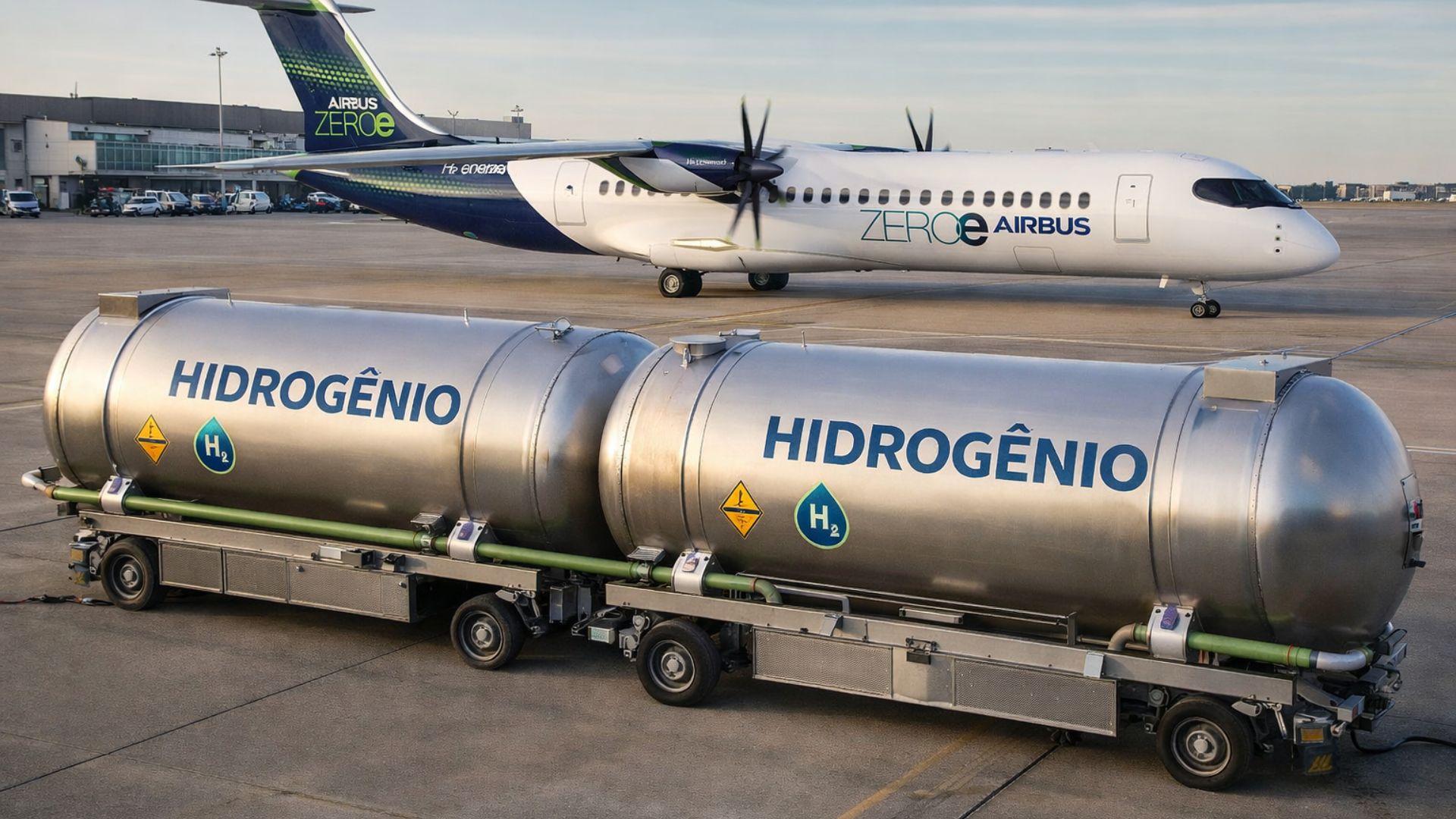
Hydrogen gains strength in aviation with Airbus and its fuel cell aircraft, potentially paving the way for sustainable flights, reduced environmental impact, and a new energy era in global air transport.
-
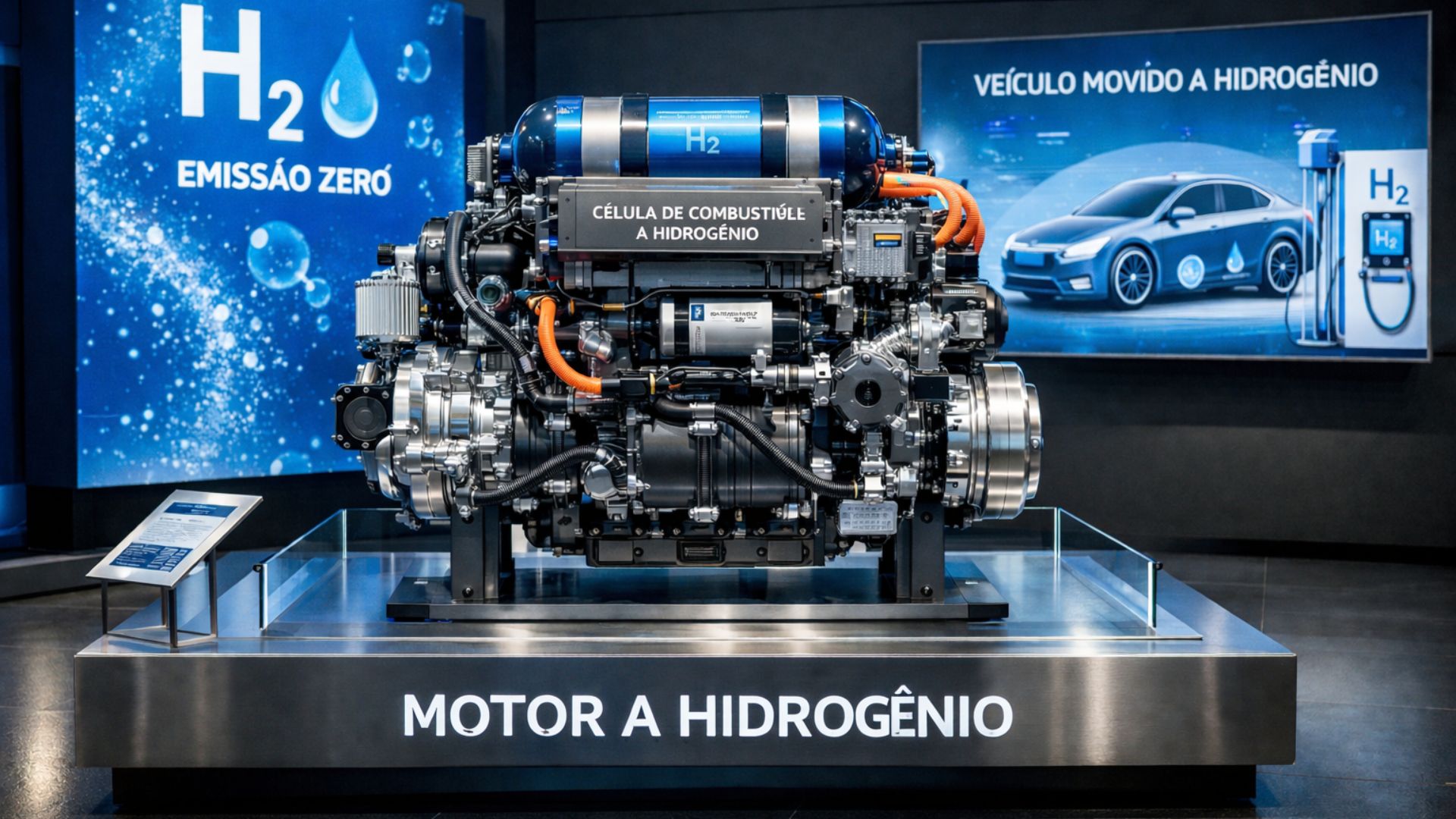
Hydrogen Engine Promises to Revolutionize Automotive Market and Creates a New Technological Horizon, But Economic Challenges Explain Global Resistance from Manufacturers
Volvo bets on trucks with hydrogen combustion engine in Europe as a viable alternative
Volvo has been consistently investing in the development of trucks with hydrogen combustion engines, betting on this technology as a practical and scalable solution to reduce emissions in road transport.
Unlike battery electric models, these trucks utilize a technological base already known to the industry. This facilitates adaptation, reduces transition costs, and allows operators to maintain part of the existing infrastructure.
Moreover, the choice of Europe as the starting point for the tests is not random. The continent has strict environmental goals and clear incentives for low-carbon technologies, creating a favorable environment for innovation and validation.
Another relevant factor is that these trucks are designed to meet the real demands of the logistics sector, especially in long-distance operations, where efficiency and autonomy are crucial.
HPDI technology guarantees efficiency, power, and lower fuel consumption
One of the main differentiators of Volvo trucks with hydrogen combustion engines is the HPDI (High Pressure Direct Injection) technology. This system is already used by the brand in gas-powered trucks, with over 10,000 units sold in Europe and other markets.
The operation of the system is based on a simple but highly efficient principle. A small amount of ignition fuel is injected before the admission of hydrogen, allowing for more controlled and powerful combustion.
In practice, this results in important benefits for heavy transport:
- Higher energy efficiency compared to conventional systems
- Reduction in fuel consumption
- Power and torque similar to diesel engines
- Better performance in demanding operations
According to Jan Hjelmgren, responsible for product management at Volvo Trucks, the road tests represent a milestone in the development of this technology. The expectation is that these trucks will be among the best in the industry in terms of efficiency and performance.

Green hydrogen and classification as zero emission vehicles in Europe
The use of green hydrogen is one of the central points of this innovation. When produced from renewable sources, hydrogen allows for a drastic reduction in carbon emissions associated with transport.
In Volvo trucks, the performance of the hydrogen combustion engine is similar to that of diesel engines, but with the possibility of achieving virtually zero CO₂ emissions. This is possible when ignition uses renewable fuels, such as HVO (hydrotreated vegetable oil).
Under these conditions, the vehicles can be classified as ZEV (Zero Emission Vehicles), according to European Union standards. This classification is essential to meet regulatory requirements and the climate goals of the bloc.
Furthermore, the “well-to-wheel” approach reinforces the potential of hydrogen as a sustainable solution, considering the entire cycle of production and use of the fuel.
Volvo trucks expand possibilities for sustainable mobility in heavy transport
Volvo’s strategy is not limited to a single technology. The company understands that the decarbonization of transport requires a combination of solutions, adapted to different operational contexts.
In this scenario, trucks with hydrogen combustion engines emerge as a complementary alternative, especially in situations where other technologies face limitations.
Among the main use cases are:
- Long-distance transport with high energy demand
- Regions without adequate electric charging infrastructure
- Operations that require high availability and quick refueling
Additionally, these trucks offer autonomy superior to the daily distances traveled by many carriers, which enhances their practical viability.
Alongside this technology, Volvo continues to invest in other fronts:
- Battery electric trucks
- Electric trucks with fuel cells
- Vehicles powered by renewable fuels, such as biodiesel, biogas, and HVO
This diversity reinforces the company’s commitment to sustainable mobility in a broad and adaptable way.
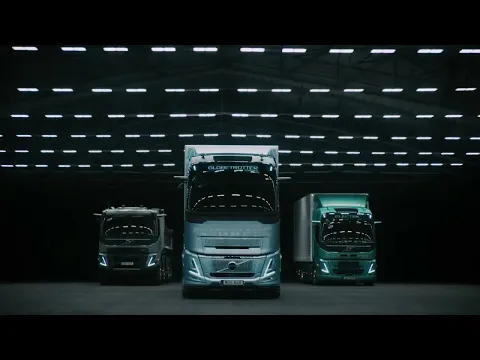
Tests on European highways validate performance in real conditions
The tests conducted in Europe play an essential role in the development of trucks with hydrogen combustion engines. Unlike simulations or controlled environments, operations on highways allow for performance evaluation in real situations.
This includes factors such as load variations, different types of terrain, and diverse weather conditions. These data are fundamental to ensure that the technology is ready for large-scale commercial use.
Additionally, the tests help identify any necessary adjustments before the planned launch by 2030. This process is common in the automotive sector, especially when it comes to emerging technologies.
The accumulated experience also contributes to increasing the confidence of carriers and logistics operators, who rely on reliable and efficient solutions for their daily operations.
Differences between hydrogen combustion engine and fuel cell
Although both use hydrogen, there are important differences between trucks with combustion engines and those equipped with fuel cells.
In combustion engines, hydrogen is burned directly to generate mechanical energy. In fuel cell systems, hydrogen is converted into electricity, which powers electric motors.
Each approach has its advantages:
- Hydrogen combustion engine
- Utilizes existing technologies
- Offers a response similar to diesel
- Facilitates the transition for operators
- Fuel cell
- Emits only water vapor
- High energy efficiency
- Integration with electrical systems
The choice between these technologies will depend on factors such as available infrastructure, cost, and type of operation.
Challenges for hydrogen expansion and next steps for Volvo
Despite the potential, the large-scale adoption of hydrogen-powered trucks still faces significant challenges. One of the main ones is the production of green hydrogen in sufficient quantities to meet the demand of the transport sector.
Another critical point is the refueling infrastructure, which is still under development in many regions. Without an efficient distribution network, the expansion of the technology may be limited.
There are also issues related to cost, both of production and operation. However, the expectation is that these costs will decrease with technological advancement and increased scale.
Volvo, in turn, continues to advance with tests and strategic partnerships. The forecast is that trucks with hydrogen combustion engines will be commercially launched in Europe by 2030, initially in controlled volumes.
A new chapter for Volvo trucks and the use of hydrogen in heavy transport
Volvo’s initiative represents more than a technological advance. It signals a concrete change in how heavy transport can evolve in the coming years.
Trucks with hydrogen combustion engines combine efficiency, performance, and potential emission reductions, offering a viable alternative for long-distance operations.
By investing in multiple solutions, Volvo demonstrates that sustainable mobility does not depend on a single answer, but on a set of complementary technologies. In this context, hydrogen stands out as one of the most promising options.
With ongoing tests, over 10,000 gas trucks already operating with related technology, and a launch planned by 2030, the sector is closely monitoring the next steps of this innovation that could redefine heavy road transport in Europe and beyond.







Seja o primeiro a reagir!