





 English
  Francês
  Alemão
  Italiano
  Japonês
  Norueguês
  Portuguese
  Spanish
  5 min of reading
  0 comments


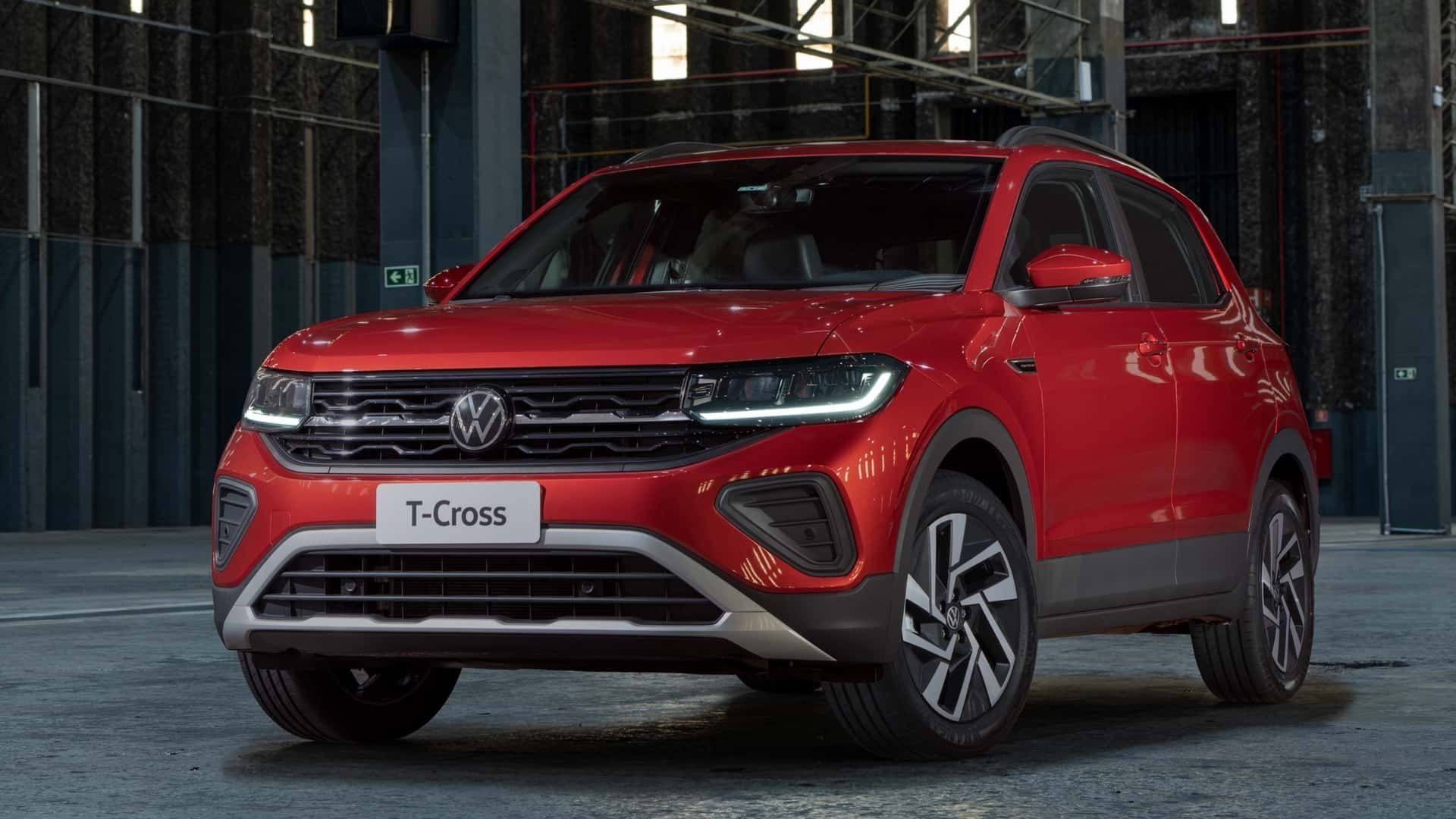
Volkswagen’s commercial movement shuffles prices between its own SUVs and places a more powerful and spacious model below the newer internal rival, creating a direct dispute between performance and equipment within the same price range at the end of March.
Volkswagen opened the final stretch of March with an offer that shuffles its own hierarchy among its SUVs.
Until March 31, 2026, the T-Cross 200 TSI is advertised for R$ 139,990, a price R$ 21,500 below the suggested public price of R$ 161,490 and also R$ 4,400 lower than the list price of the Tera High, set at R$ 144,390.
In practice, the larger model positioned above the base of the range now costs less than the top-of-the-line configuration of the smaller utility.
-
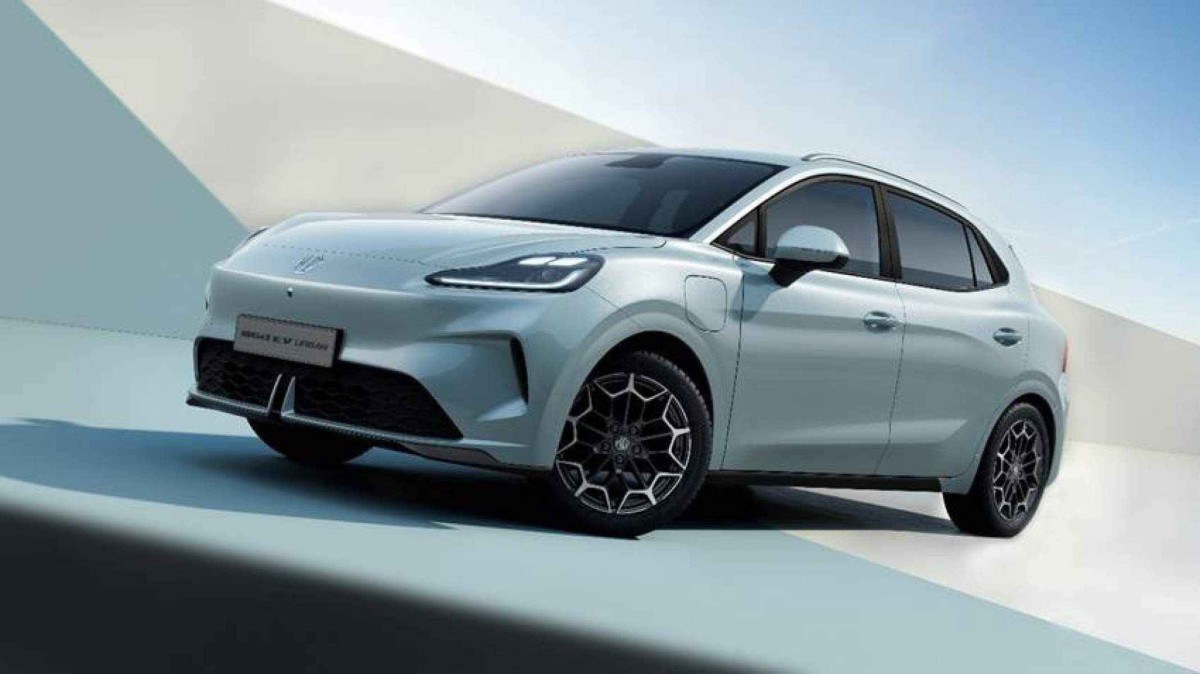
Confirmed in Brazil, the MG4 Urban arrives to firmly enter the competition of compact electric vehicles, challenging the BYD Dolphin and Geely EX2 with more power and range, intensifying a rivalry that promises to heat up even more in 2026.
-
While millions drive every day without knowing, drivers in the US and Europe are being paid to turn every kilometer into 3D maps with an accuracy of up to 5 cm, invisible data that feeds autonomous cars in a billion-dollar global market.

-
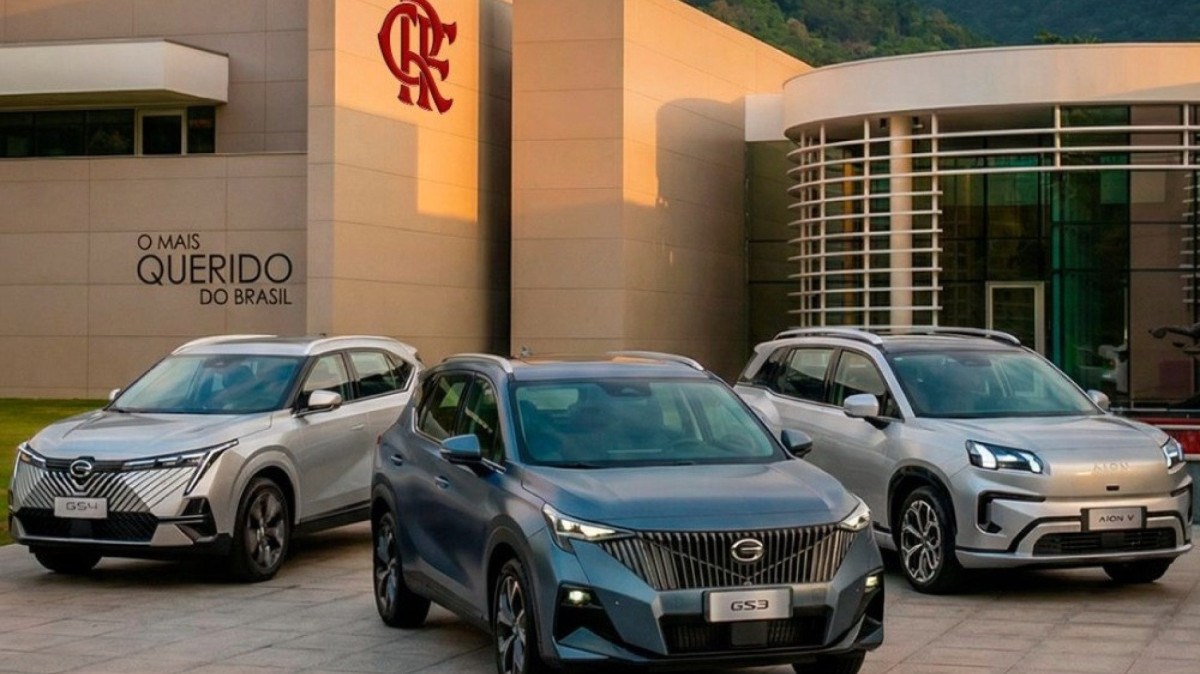
After launching the new GS3 with a 1.5 turbo engine producing 170 hp, GAC partners with Flamengo, enters the field with the largest fan base in Brazil, and accelerates an ambitious offensive to gain scale and confidence in the national market.
-
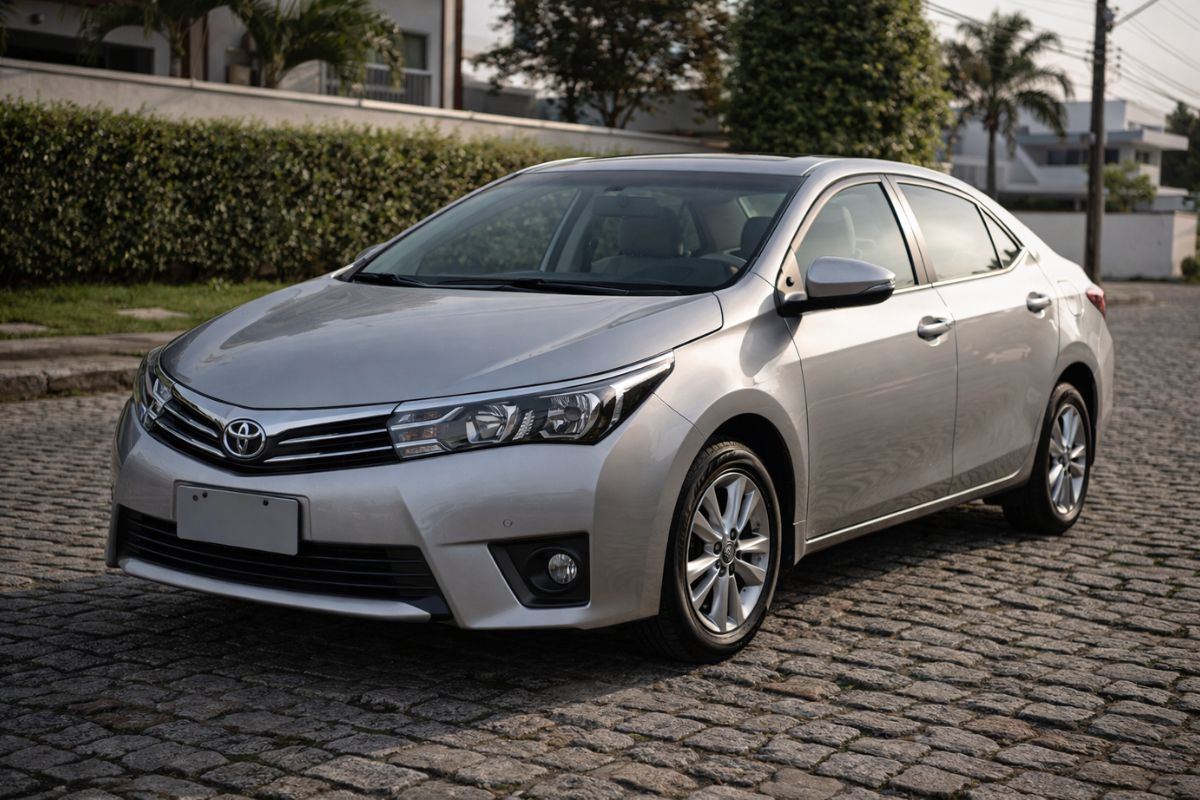
The Corolla from 2015 to 2019 depreciates so little that a 10-year-old model is still worth over 76 thousand reais, and owners treat this sedan as a safe investment thanks to its reputation for durability that no competitor has been able to match.

Promotion alters positioning between T-Cross and Tera
The movement draws attention because it does not result from an official price list change, but from a commercial action with specific deadlines and conditions.

The brand maintains the T-Cross as one of its main products in the country, and the Volkswagen website continues to list the line with a 200 TSI engine, six-speed automatic transmission, and a trunk capacity of 373 to 420 liters in VDA standard, characteristics that reinforce the space and family-oriented proposal of the model within the segment.
Under normal price conditions, the Tera High occupies a lower range than the T-Cross 200 TSI, although the difference between them was not wide.
With the March bonus, this logic is inverted.
The T-Cross now enters a price zone that brings it closer to the more expensive Tera and, at the same time, preserves typical attributes of a higher category SUV, such as a longer wheelbase, a wider cabin, and a proposal more focused on family use.
This commercial repositioning also occurs at a time when Volkswagen is trying to sustain the strength of the T-Cross without letting the newly arrived Tera lose appeal.
On the official website, the Tera is presented as a model with three engine options, while the Comfort and High versions use the 170 TSI engine, with 116 hp and 165 Nm of torque, always paired with the automatic transmission.
This helps explain why the price comparison gained immediate repercussion: both SUVs now compete in the same purchase range but deliver distinct technical proposals and dimensions.
Engine and performance difference weighs in choice
Under the hood, the T-Cross 200 TSI retains a well-known set in the Volkswagen range.
The model uses a 1.0 turbo flex engine with 128 hp with ethanol and 20.4 kgfm of torque, always with a six-speed automatic transmission.
This combination places it above the Tera High in power and torque, as the smaller SUV works with the 170 TSI engine of 116 hp and 165 Nm, also automatic.

In absolute numbers, the promotion does not transform the T-Cross into a more equipped car than the higher versions of its own line, but it makes it more aggressive in the relationship between price, performance, and internal space.
In addition to the engine, the T-Cross carries elements that support the perception of a more mature product in the portfolio.
Volkswagen highlights, on the model’s page, the presence of the six-speed automatic set, the positioning of the SUV as one of the best-selling in the country, and the luggage capacity above the range of 370 liters in VDA measurement.
In a direct comparison with the Tera, this weighs for consumers who prioritize use with more passengers, luggage, or family routine.
Simpler equipment explains part of the price
The discount, however, does not change the nature of the offered version.
The T-Cross 200 TSI advertised for R$ 139,990 is not the most equipped configuration of the line and appears with a more streamlined list of equipment than the higher variants and also more restrained in some points when compared to the Tera High.
According to the details published about the campaign, the package maintains items such as LED lighting but leaves out convenience features that have gained weight in this market segment, including rearview camera, digital air conditioning, and electric folding mirrors.
On the other hand, the Tera High continues to be supported by a proposal of more eye-catching content.
The smaller model adds, over the lower versions, rearview camera, front and rear parking sensors, vinyl-covered seats, a 10.25-inch digital panel, automatic air conditioning, and induction charging, among other items highlighted in specialized publications and in the brand’s own communication for the Tera line.
Thus, although it loses in engine and size, it preserves a purchase argument based on finish and convenience.
Offer conditions require high down payment and trade-in


The promotional price also depends on countermeasures that limit the reach of the offer.
To obtain the maximum bonus, the buyer needs to trade in a used vehicle manufactured between 2014 and 2026, with an average usage of up to 10,000 kilometers per year.
In financing through Volkswagen Bank, the disclosed condition requires 80% down payment, equivalent to R$ 111,992, and a balance in 12 installments of R$ 2,550.90.
In this simulation, the total amount paid rises to R$ 142,602, still below the cash price of the Tera High in the consulted table.
This detail is central to understanding the strategy.
Volkswagen did not structurally reduce the price of the T-Cross 200 TSI; it created a promotional window that shifts the model below an internal rival under specific negotiation conditions.
The practical effect is twofold: it helps preserve the turnover of the T-Cross at the end of the quarter and, at the same time, tests the market’s appetite for a more spacious and more powerful SUV in the same range where the Tera High tries to establish itself through its equipment package.
In the end, the comparison makes it clear that entry price, promotional price, and product positioning do not always align.
The T-Cross 200 TSI emerges as a stronger option in engine and size within the March campaign, while the Tera High continues to defend its space with more comfort and technology content.
For the buyer, the dispute ceases to be merely between “cheaper” and “more expensive” and shifts to which set makes more sense within a price range that, at least until March 31, was artificially compressed by Volkswagen itself.






Seja o primeiro a reagir!