





 Portuguese
  English
  Spanish
 4 min of reading
  3 comments





Anyone looking for a used mid-size sedan often faces the dilemma: invest in an established, but expensive model, or take a chance on newer options with less mileage and a reputation still being built? The used VW Virtus stands out as a balanced choice between space, technology, and reliability. But does it deliver as much as it promises, or does it hide some frustration points?
VW Virtus: Ample Space and Comfort
Among compact sedans, the VW Virtus has always stood out for its generous interior space. Anyone who has been in a Voyage or Polo will notice the difference: the Virtus has an extended wheelbase and ensures comfort even for those in the back seat. For families, the trunk with over 500 liters is a plus, ideal for trips without needing to juggle luggage. This combination is one of the first reasons many people trust the car.
Fuel Economy Above Average
Another attractive feature of the used VW Virtus is its fuel economy. The 1.0 TSI engines with turbo and direct injection are impressive, delivering sufficient power for agile driving without hitting the wallet hard. In mixed conditions, the average easily surpasses 12 km/l on gasoline, with reports of drivers achieving 15 km/l on highway stretches. For those who drive a lot, this is a decisive point.
-
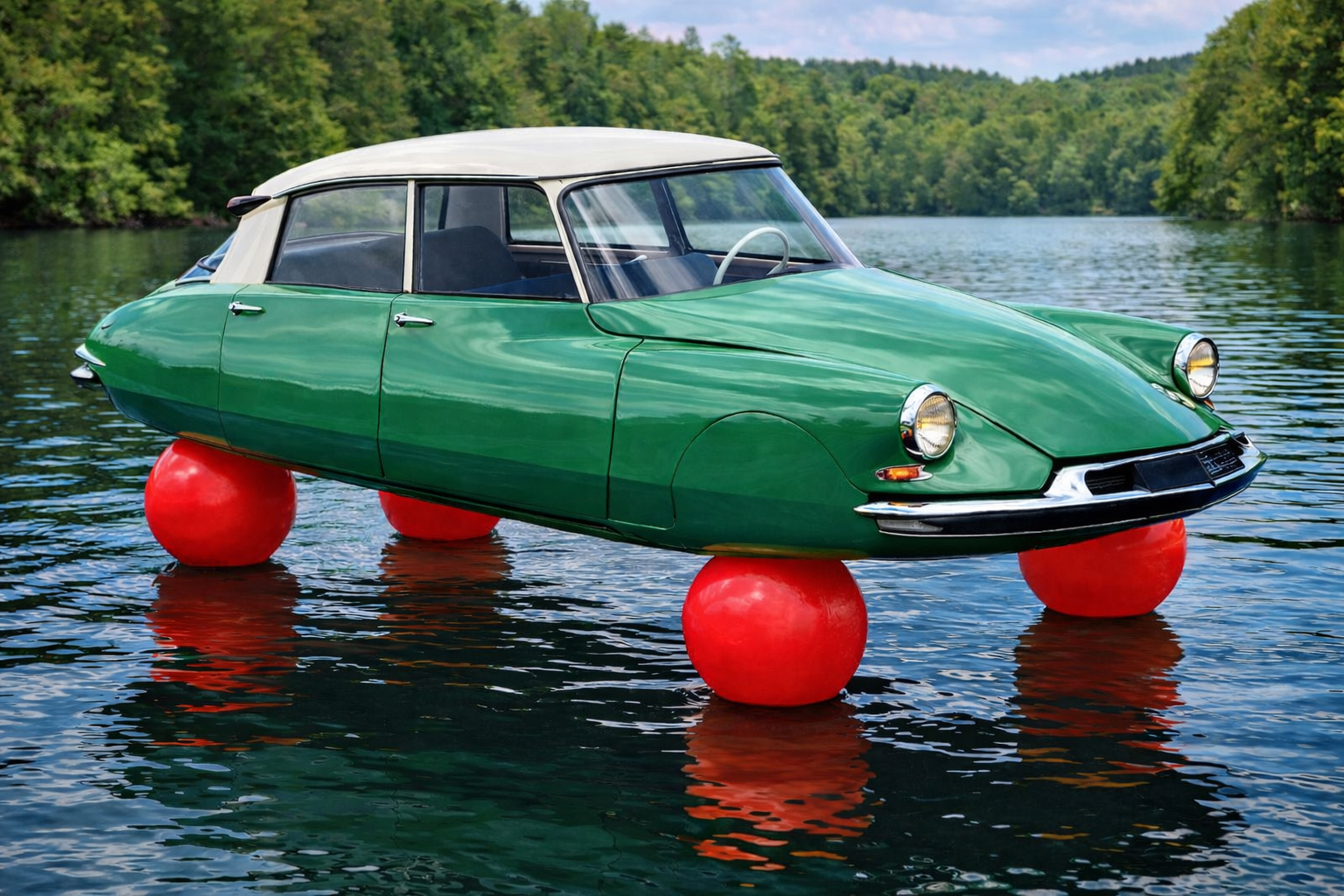
A French brand placed a car on four huge red balloons to prove that its suspension made the vehicle “float,” and the surreal scene became one of the most iconic and unusual images in automotive history.
-
Jeep Avenger begins production in Brazil, debuting as the brand’s new entry-level SUV and inaugurating an unprecedented phase by becoming the first national Jeep manufactured outside of Goiana, as part of a R$ 3 billion plan.
-
Costing R$ 12,490, the new Shineray Urban Lite 150 “cheap one” arrives in Brazil with a CVT transmission, digital dashboard, and LED lights, making it more affordable than the Biz and targeting those who want to abandon the bus.
-
Ducati brings to Brazil the Superleggera V4 Centenario: 228 hp that become 247 with a track kit, carbon fiber and carbon-ceramic brakes, estimated price between R$ 1.5 and 2 million, deliveries only in 2027.

Well-Distributed Technology and Features
Even in mid-range versions, the used Virtus does not leave the driver hanging. A multimedia center with Android Auto and Apple CarPlay, multifunctional steering wheel, and electronic stability controls were already included in many packages. In the more complete models, cruise control, parking sensors, and well-tuned automatic transmission are also present. This shows that the sedan holds its own in features against rivals like the Cronos and the Yaris Sedan.
Mechanical Robustness of the VW Line
Many buyers choose the used Virtus because they know the robust mechanical assembly of Volkswagen. The 1.0 and 1.6 engines have already been used in other models of the brand, and the maintenance tends to be predictable. Furthermore, there is a wide network of independent workshops and competitively priced parts, which reduces headaches when repairs are needed. The durability of the front suspension, even on uneven surfaces, is praised by many drivers.
Good Liquidity in the Used Market
The Virtus has never been a sales leader, but it has carved out a solid space in the used car market. This translates to good liquidity: it is not a difficult car to resell, especially when in more complete versions. The sober design, combined with the Volkswagen image, keeps the sedan attractive for those seeking value for money. This factor is significant for those who trade in cars every three or four years.
The Defects That Disappoint in the Virtus
Despite the positives, the used VW Virtus is not perfect. The first issue that bothers is the interior finishing. Many owners report that the dashboard plastics scratch easily and creaks appear after a few years of use. For a car in this price range, the perception of quality could be higher.
Another recurring problem is the automatic transmission in some batches, exhibiting noticeable jolts, especially during starts or gear shifts. Although not a widespread failure, there are enough reports to concern those looking for smooth operation in daily use.
Finally, the rear suspension, while sturdy, can transmit discomfort over very uneven surfaces. The setup is firmer, aimed at stability, but sacrifices some comfort in cities with potholes or poorly made speed bumps. For passengers in the back seat, this characteristic can be tiring on long trips.
Is It Worth Buying a Used Virtus?
Considering the five reasons for trust and the three points of attention, the used VW Virtus proves to be a balanced sedan, especially for those who prioritize space and economy. It is not a flawless car, but its defects are generally manageable. With good maintenance and attention to the vehicle’s history, it can be an ally for those looking to move from a hatch or small sedan to more comfort without spending too much.
The key is to research well before the purchase, choose models serviced at dealerships, and, if possible, take a test drive to feel the transmission and suspension. By balancing expectations, the used Virtus can be a smart choice — offering technology, robustness, and ample space for families and demanding drivers.









Tenho meu segundo Virtus 21/22 MSI, carro perfeito, econômico pelo tamanho, confortável e de baixa manutenção. Uma pena a VW não fabricarem mais o 1.6 MSI.
Tenho um 1.6 mecânico. Muito bom de curva, espaço muito bom e o importante, mesmo tendo acabamento em plástico, o virtus se destaca em segurança. Conheço bastante gente que possui o veículo, todos adoram o carro. Apesar de ser simples, pra quem nao liga muito pra luxo, ta muito bem servido.
Tenho um no modelo MSI 1.6, gostei muito, chegou a fazer 16 km/l na gasolina em rodovia.