





 Portuguese
  English
  Spanish
  4 min of reading
  0 comments


“`html
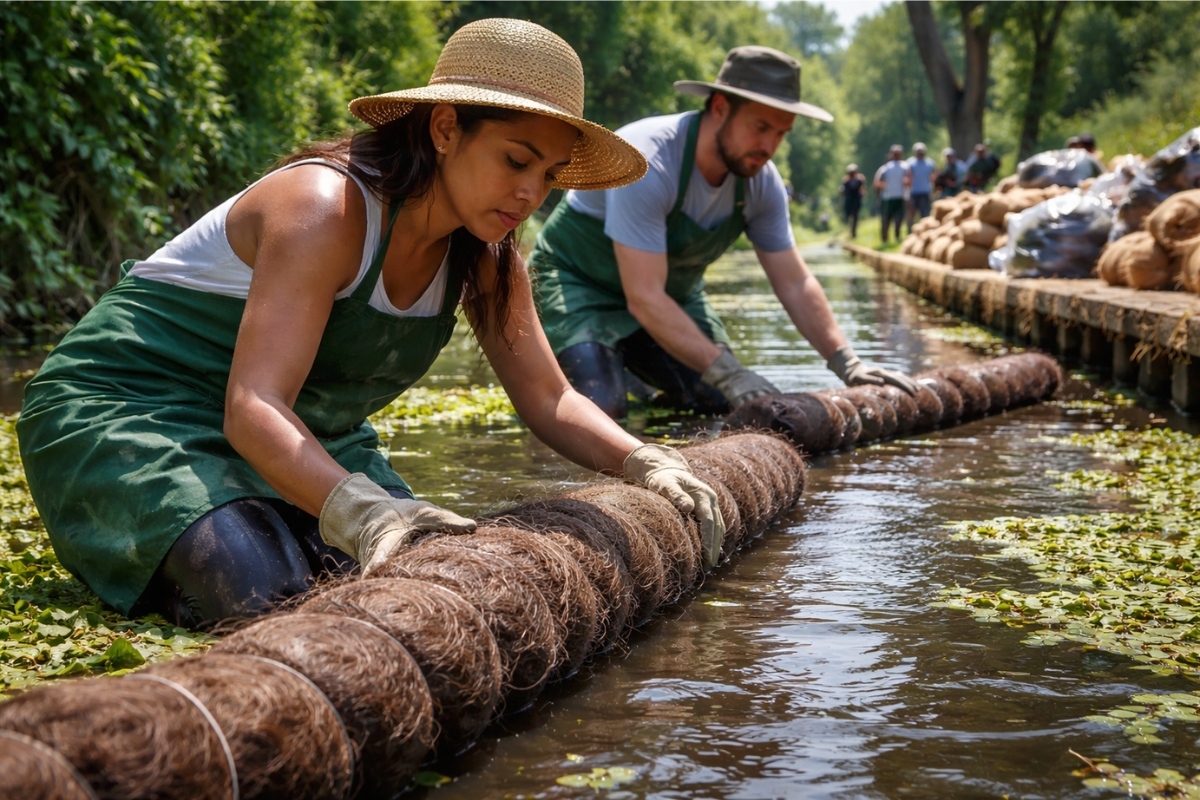
An environmental initiative bets on the reuse of human hair to create natural filters in channels of Latin America, focusing on waste retention and the protection of the local ecosystem.
Latin America has seen three environmental movements draw attention almost simultaneously. In one of them, beauty salons began to provide human hair to help clean historic channels in Mexico City.
In another front, thousands of people took to the streets in Chile to react to the removal of environmental protection regulations. In Brazil, a floating barrier returned to the center of the debate by containing trash in the Atuba River and reinforcing a low-cost solution with a direct effect on water.
-
China has deployed more than 1,400 fishing boats in formation, creating a barrier of 320 kilometers at sea, and the whole world wants to know if this is fishing, a military exercise, or a message of war.

-
Spain surprises the world by erecting 62 artificial dunes, mixing sand with natural remains of posidonia, and causing the structure to lose only 1.4% of its volume in 1 year.

-
With 16 Bulava missiles, improvements in acoustic stealth, and a design focused on silent patrols, Russia’s nuclear submarine was born to ensure Moscow’s invisible retaliation and has become one of the pillars of its maritime strength.

-
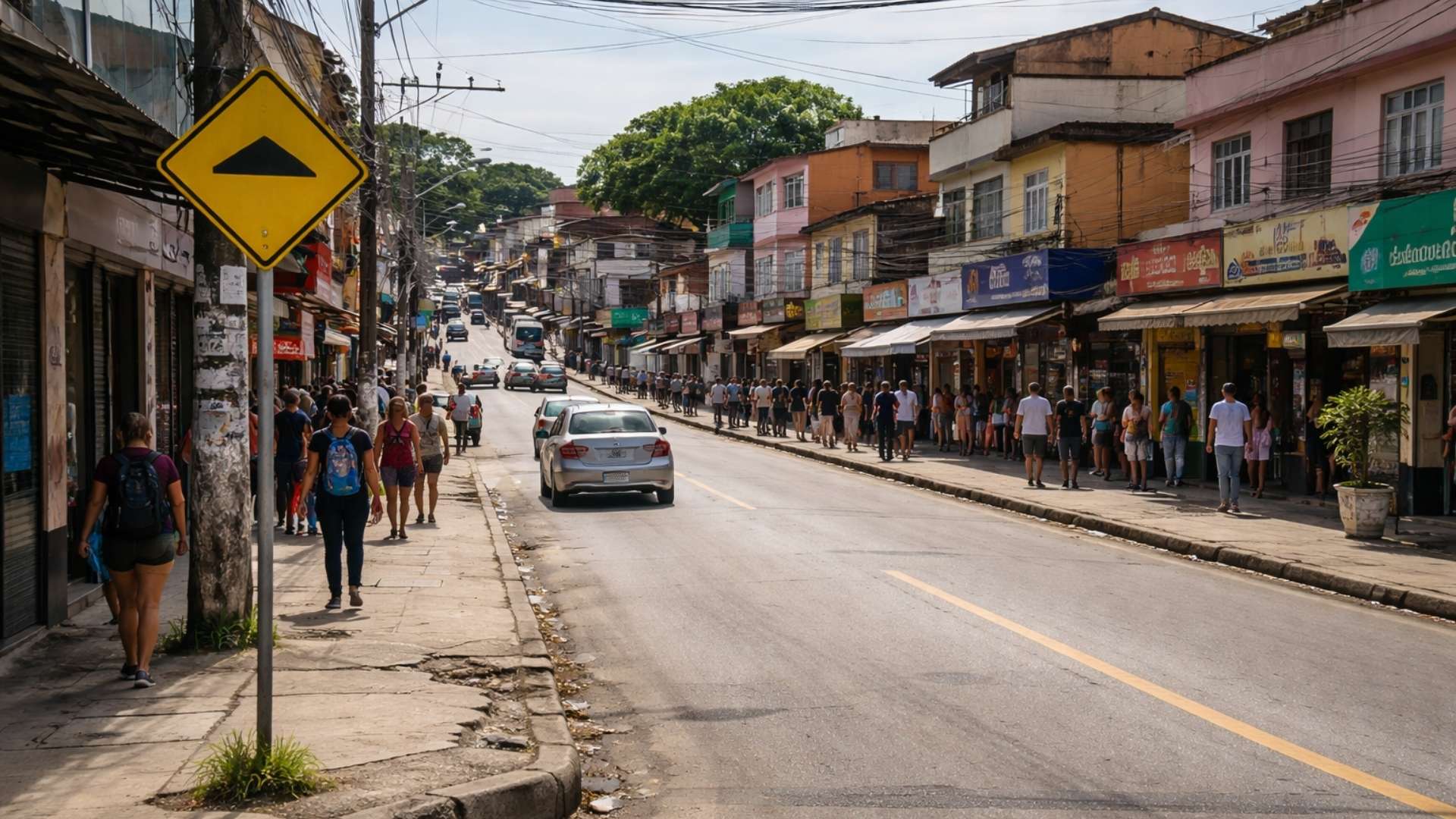
‘Populous’ city in Rio among the worst in Brazil in national ranking and exposes silent development crisis.

Xochimilco receives filters made with human hair to retain pollution
In the ancestral channels of Xochimilco, in Mexico City, the use of human hair has become a practical tool to try to reduce dirt on the water’s surface. The material collected from hair salons is transformed into filters and barriers capable of absorbing waste such as oil and grease.
This measure draws attention because it combines waste reuse and the protection of one of the country’s most well-known environmental and cultural spaces. The impact goes beyond immediate cleaning and reaches the preservation of the local ecosystem.

Historical area of Mexico faces pressure from contaminated water
Concern is growing because the channels receive degraded water from nearby urban areas. This puts pressure on an already sensitive environment and affects a region associated with traditional life in chinampas and the conservation of the axolotl.
The use of filters appears as a simple response to a complex problem. By holding back part of the contamination before it spreads, the action increases the containment capacity at a strategic point in the Mexican capital.
Chile registers protests after the removal of 43 environmental regulations
In Chile, the focus was different. Protesters occupied streets in Santiago and other cities after the removal of 43 environmental measures inherited from the previous government, a decision that heightened political and social tension around nature protection.
The mobilizations took place on March 22, 2026, a date linked to World Water Day. The movement gained strength because the regulations affected sensitive points, such as species protection, decontamination of areas, and rules on emissions.
Measures affect species, parks, and decontamination plans
The scope of the public reaction grew because the discussion was not limited to a single topic. The protection of the Darwin’s frog, the Humboldt penguin, the creation of parks, and plans aimed at environmental recovery entered the debate.
According to Reuters, an international news agency with global coverage, the combination of these decisions and the responses in the streets placed the environmental issue at the center of regional news and reinforced the perception of a dispute over the direction of public policies.
Atuba River returns to the center of the debate with a low-cost barrier
In Brazil, the case of the Atuba River gained new momentum with the visibility of an eco-barrier created to retain trash before waste advances through the current. The structure functions as a floating blockade and bets on a lower cost to enhance the local response.
The repercussions grew because the solution had already been operating for years and was highlighted again as an efficient alternative. The central point is that the barrier helps remove a significant volume of waste and reinforces the idea of continuous cleaning, with a direct effect on the water and surroundings.
Three different responses amplify environmental pressure in the region
The three cases show distinct paths to face the environmental crisis in the region. One bets on the reuse of common material, another exposes the weight of the streets on government decisions, and the third reinforces a practical solution against trash in rivers.
In the end, the result is greater than each isolated episode. The actions in Mexico, Chile, and Brazil push the debate to a new level, pressure authorities, and show that the environmental agenda has regained space, repositioning Latin America.
“`






Seja o primeiro a reagir!