





 Portuguese
  English
  Spanish
  4 min of reading
  0 comments


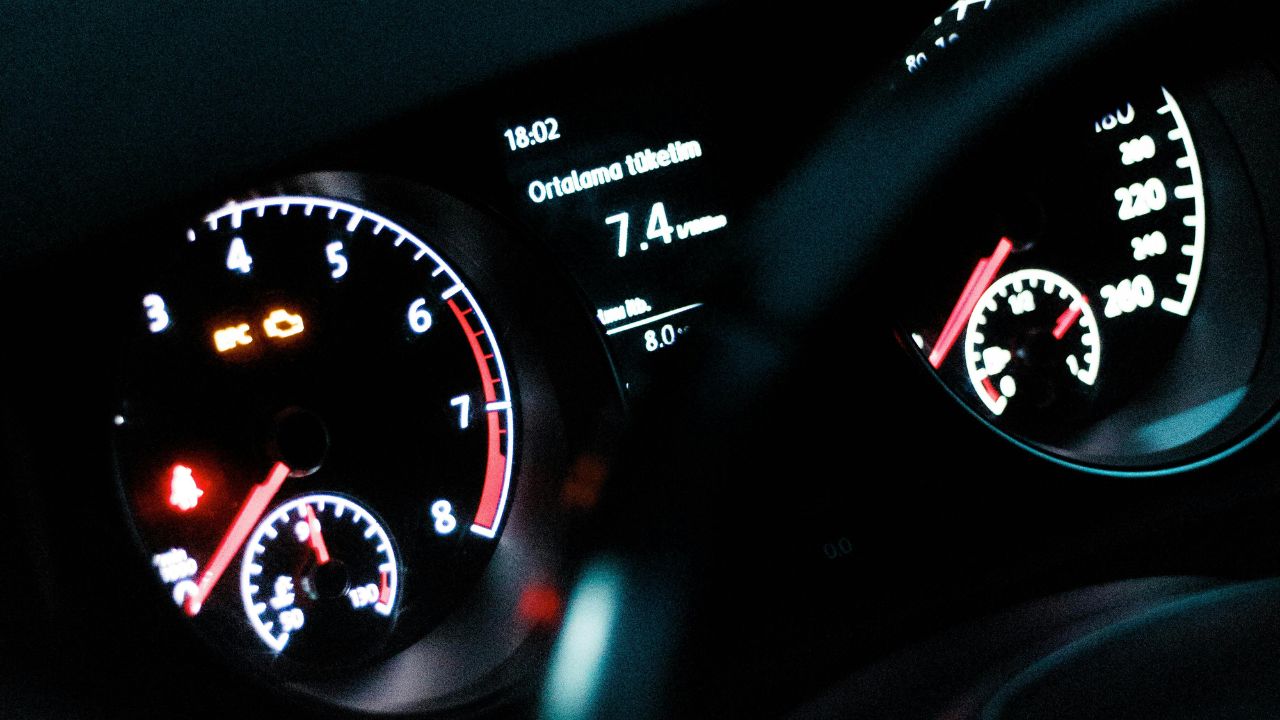
Learn To Decipher Your Car Warnings, Know When A Stop Is Urgent And Drive With Much More Safety And Peace Of Mind.
When an unknown light turns on the dashboard, many drivers’ hearts race. The anxiety is immediate. “Is it serious? Can I continue my trip?”. Far from being a messenger of chaos, the dashboard is the primary communication tool of your car. It is not designed to scare, but to inform and protect you and the mechanics of the vehicle. This practical guide will translate this language so you know exactly how to act.
Understanding The Seriousness Of Each Dashboard Warning Light
Before identifying the symbol, the color of the light provides the most crucial information. The logic is the same as a traffic light, allowing for a quick assessment of the situation.
A red light indicates a critical problem. It represents an imminent risk to your safety or potential severe and irreversible damage to the car. The only correct action is to stop the vehicle in a safe place as quickly as possible, turn off the engine and call for assistance. Continuing to drive could lead to catastrophic failure.
-
The Argentine government celebrates the lowest poverty rate in 7 years, but experts warn that the methodology has changed, real wages have fallen, unemployment has risen, and the number of people on the streets of Buenos Aires has increased by 57% since Milei took office.

-
The 2026 electric Vitara arrives in Brazil and proves that Suzuki is not leaving: 4×4 traction, 184 hp, 61 kWh LFP battery, 293 km range, R$ 259,000, and a trunk capacity of 224 L.
-
7.8 magnitude earthquake in Indonesia frightens the population, triggers tsunami alert, and hits an island with over 200,000 inhabitants this Thursday.

-
Google will finally let you change that embarrassing Gmail address you created in your teenage years without losing any accounts, logins, or old emails: the feature is already available in the United States.


Yellow or orange lights function as a warning signal. They indicate an anomaly that requires attention but is generally not an emergency. In most cases, you can proceed with caution to a workshop. However, ignoring the warning can worsen the problem and lead to more expensive repairs in the future.
On the other hand, green, blue, and white lights are purely informational. They confirm that a system, such as the headlights or turn signals, is active and functioning correctly. If a light of this color turns on, it means that a function has been activated, and you can proceed without worries.
Signals That Require Immediate Stop
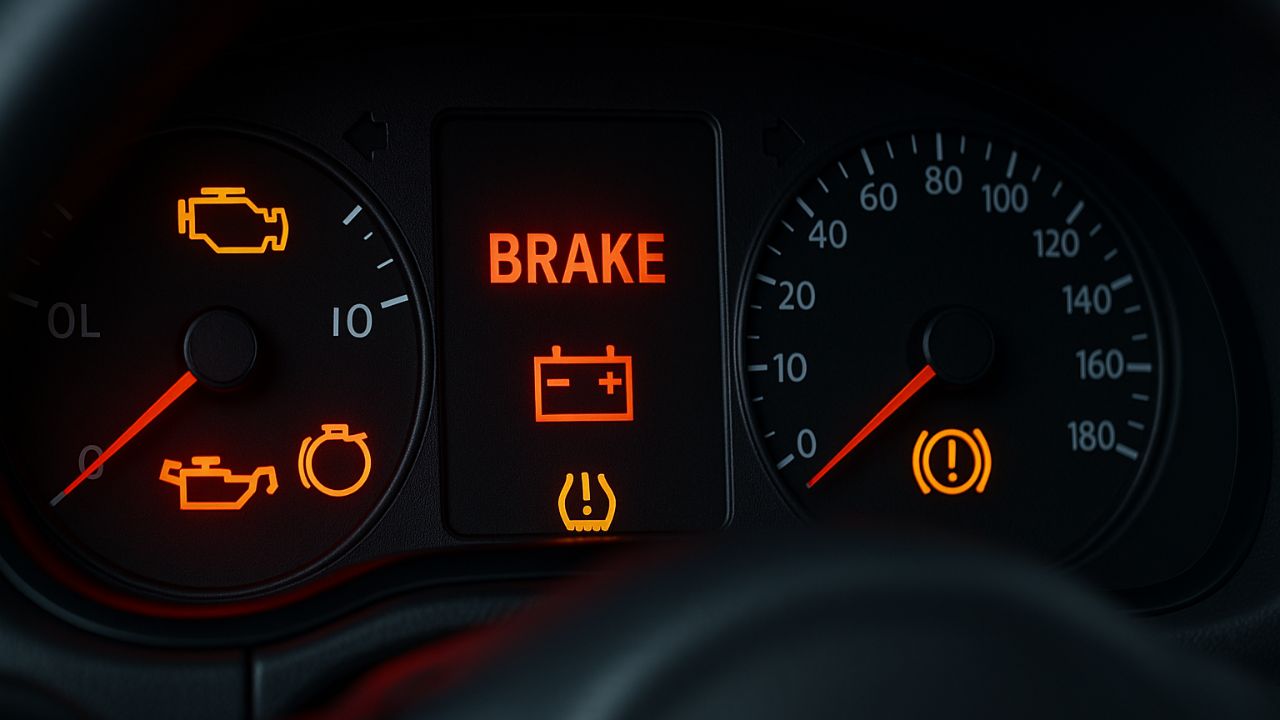
Red lights are commands, not suggestions. Ignoring them can have serious consequences. The oil pressure light, with its icon of an old lamp, indicates a dangerous loss of pressure in the lubrication system. Without oil circulating, friction can seize the engine. The action is clear: stop the car and turn off the engine immediately. Call for a tow.
Another critical alert is the engine temperature light, indicated by the thermometer symbol. It signals overheating. The recommendation is the same: pull over in a safe place and turn off the engine. Never open the radiator cap with the engine hot, as the pressurized liquid can cause severe burns.
The battery or alternator light indicates a failure in the electrical charging system. The car will only use the battery’s charge, which is finite. To avoid the car dying in a dangerous place, turn off everything that consumes power and seek help.
The brake system light, with the symbol “!” or “BRAKE”, may indicate the handbrake is engaged. However, if it is disengaged and the light remains on, it indicates a serious problem in the system. Your safety is compromised, stop the car and call for a tow.
Finally, the airbag light indicates a fault in the retention system. This means that the airbags are likely not to deploy in a collision. The car runs, but its primary safety function is inoperative. Go to a workshop immediately.
The Caution Zone And Maintenance Of The Dashboard Lights
Yellow lights are advice. They indicate a need for attention to prevent a small issue from becoming large and costly. The electronic injection light, the famous “little engine”, is the most common alert and its urgency depends on how it presents itself.
If the injection light is on continuously, a fault has been detected. The car may experience reduced power. You can drive, but you should schedule a visit to the workshop for diagnosis.
If the injection light is flashing, the signal is much more serious. This indicates a severe ignition failure that can destroy the catalyst in minutes, an extremely costly repair. In this case, slow down and head to the workshop urgently.
Other important yellow lights include the ABS light, which indicates a failure in the anti-lock brake system; the stability control (ESC/TCS) light, which, if continuously lit, points to a system failure; and the tire pressure (TPMS) light, which alerts to low tire pressure. In all these cases, drive with more caution and seek a workshop for repair.
The Calm Of Informative Lights And The Importance Of The Manual
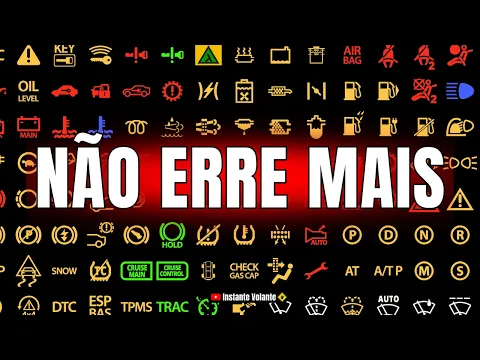

Not every light is a problem. Green, blue, and white lights only confirm that a system has been turned on and is operating normally.
Despite this guide, the owner’s manual is the most precise source of information for your specific model. Many drivers forget it in the glove compartment, but consulting it can prevent damage and clarify any doubts. If you don’t have a printed version, look for a digital one on the manufacturer’s website.
Understanding your car’s dashboard transforms anxiety into confidence. The rule is simple: assess the color, know the critical red alerts, and respect the yellow warnings. By internalizing this language, you ensure safer and calmer driving, protecting your life and your investment.








Seja o primeiro a reagir!