





 Portuguese
  English
  Spanish
  7 min of reading
  0 comments


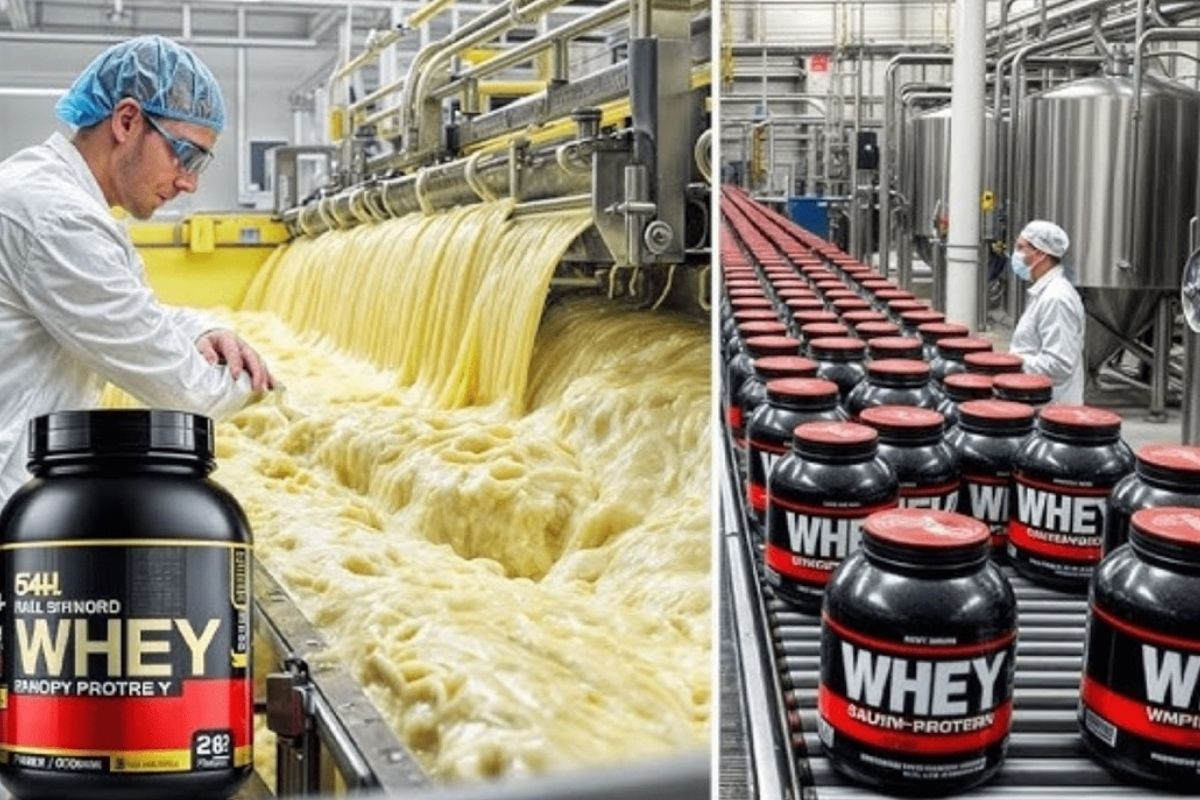
From Dairy Farms to Cheese Industries and Supplements, Whey Protein Is Derived from the Serum, Cooled, Analyzed, Pasteurized at 72°C for 15 Seconds, Coagulated, Separated, Microfiltered and Ultrafiltered, Concentrated in Evaporators, Dried in Spray Dryer, Sieved, Mixed, Packed, Labeled and Sealed in a 24-Hour Operation to Fill 10,000 Containers Daily
Whey protein starts in the field and in the dairy industry, when cow’s milk enters the production chain and, during cheese manufacturing, divides into two parts: the curds, which become cheese, and the whey, which becomes raw material for protein concentrates. It is along this path, between dairy farms, cheese factories and industrial processing lines, that a liquid historically treated as a byproduct gains value and turns into protein powder.
The transformation of whey protein depends on a continuous sequence of steps, with temperature control, physical separation, and membrane processes to concentrate protein and reduce undesirable components. In large plants, the logic is of constant flow, with daily milk reception, processing in tanks and pipelines, and industrial drying, until reaching the final phase in supply factories that operate 24 hours to package thousands of containers.
From Milk to Whey: Where Whey Protein Really Begins

The starting point of whey protein is cow’s milk.
-
Italian researchers have detected what appears to be a second Sphinx buried under the sands of Egypt, and satellite scans reveal a gigantic underground megastructure hidden beneath the Giza Plateau for over 3,000 years.

-
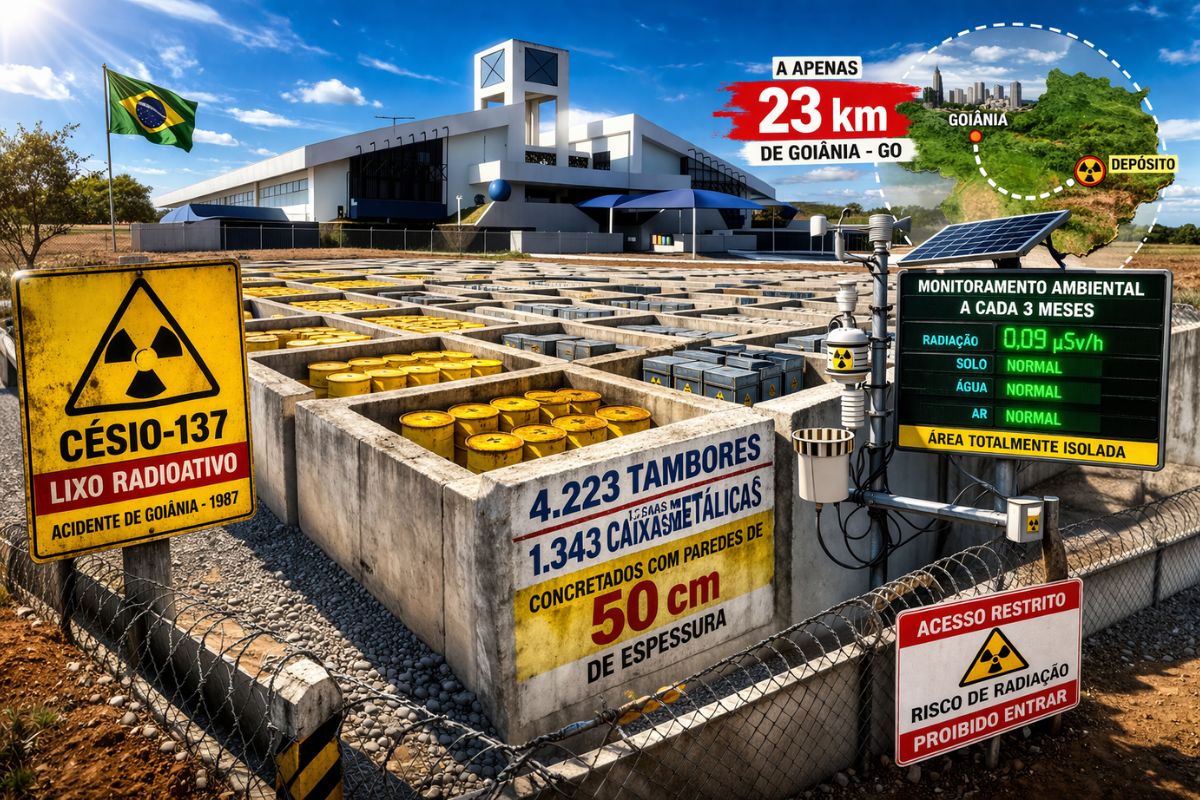
There are 4,223 drums and 1,343 metal boxes concreted with 50-centimeter walls that store the radioactive waste from Cesium-137 in the worst radiological accident in Brazil, just 23 kilometers from Goiânia, with environmental monitoring every three months.
-
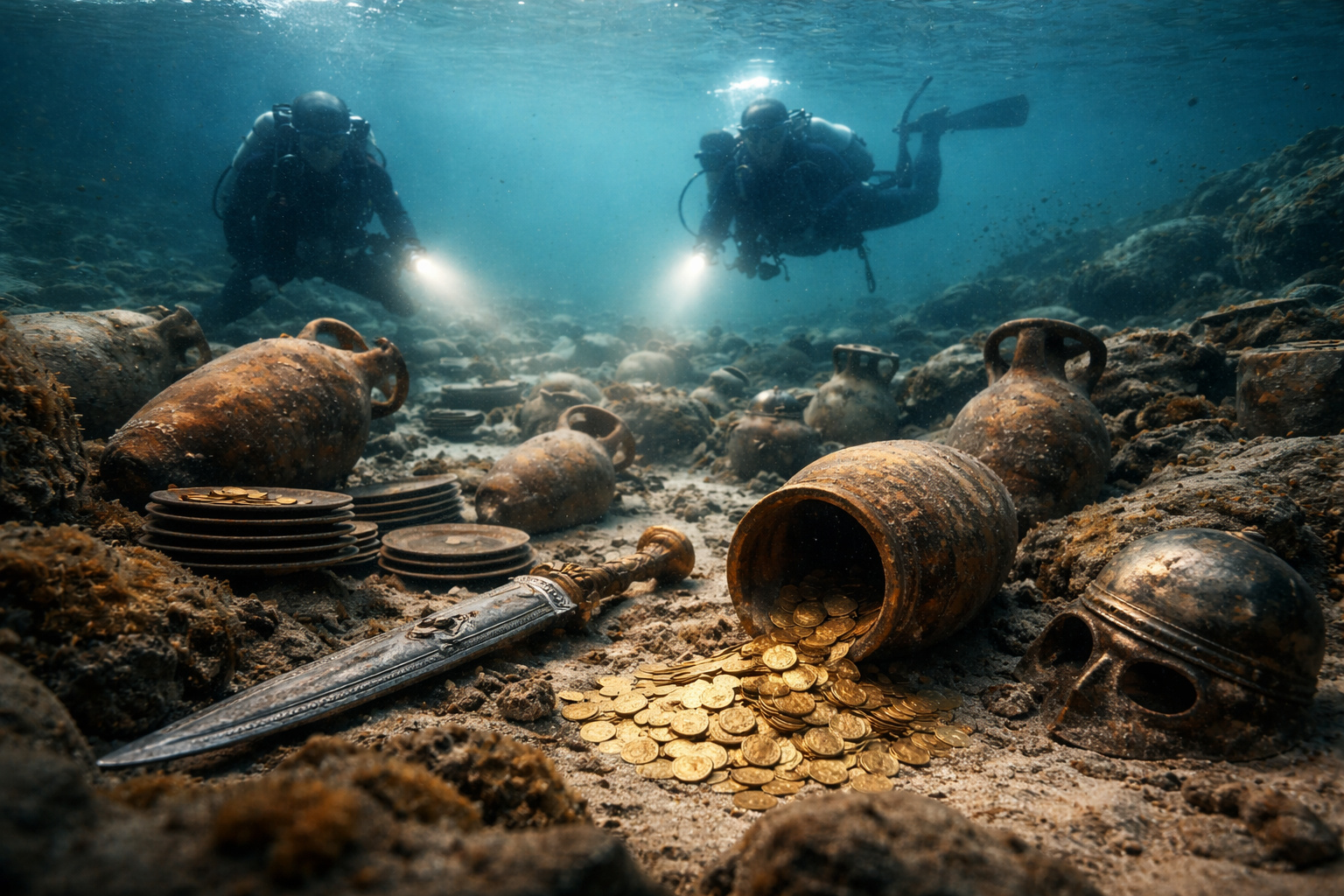
Giant Roman treasure found at the bottom of Lake Neuchâtel in Switzerland reveals an advanced trade system, circulation of goods, and armed escort in the Roman Empire about two thousand years ago.
-
He buried 1,200 old tires in the walls to build his own self-sufficient house in the mountains with glass bottles, rainwater, and an integrated greenhouse.


Whey appears when the milk coagulates in cheese production, naturally separating from the curds.
For centuries, this whey was seen as something unwanted, and improper disposal could impact water and soil, as it represented a liquid volume generated continuously by the dairy industry.
With the advancement of nutritional understanding, whey began to be recognized as a nutrient-rich liquid containing valuable components, such as essential amino acids.
From then on, the question shifted from “how to discard” to “how to transform,” driving the creation of more efficient industrial methods to concentrate the protein fraction and convert it into a high-demand ingredient.
Dairy Farms and the Quality of Raw Material

The whey protein chain begins on dairy farms, with animals raised for milk production.
The operational logic is straightforward: higher quality milk supports higher quality whey protein.
A dairy cow can produce, on average, about 30 liters per day, containing approximately 3% protein, with about 80% casein and 20% whey protein.
Milking occurs twice a day, using mechanical milking machines, and the freshly extracted milk goes into refrigerated tanks.
Cooling is a critical step to preserve freshness and reduce bacterial growth, as any initial instability multiplies throughout the industrial process.
Refrigerated Transport and Receiving at the Cheese Industry

After leaving the farm, the milk is transported in refrigerated trucks to cheese factories, maintaining the appropriate temperature throughout the journey.
Upon arrival, it is unloaded in specific receiving areas and undergoes quality checks, including freshness and microbiological safety assessments before moving on to processing.
In industrial practice, this moment functions as a control barrier.
The milk remains in refrigerated tanks until processing time, and only after approval does it flow through internal pipelines, with controlled pumping, to the thermal and coagulation stages that allow for curds and whey separation.
Pasteurization: Safety Before Separating Curds and Whey
The milk enters the pasteurization system, usually by the high temperature short time method.
The specified standard involves rapid heating to about 72°C for approximately 15 seconds, followed by cooling to around 4°C.
The goal is to eliminate harmful microorganisms and maintain product characteristics.
This step is crucial because whey protein depends on safe and stable whey, as the whey will proceed to a parallel processing line.
When pasteurization performs its role, the forward flow gains predictability and reduces microbiological risk in the whey that will be concentrated.
Coagulation and Separation: Whey Becomes a Standalone Line
After pasteurization, the milk goes into coagulation tanks, where it receives dairy cultures and coagulant.
This results in two paths: the solid part, the curd, goes for cheese production; the liquid part, the whey, becomes the basis for whey protein.
To completely separate the curds from the whey, physical methods such as filtration or controlled drainage are employed.
This whey still contains soluble proteins, lactose, minerals, and small amounts of fat, and thus is not ready to become powder.
The next step is to “clean” and concentrate the protein fraction, reducing what is not relevant for the final profile.
Microfiltration and Ultrafiltration: Concentrate Protein and Reduce Impurities
In modern facilities, whey undergoes additional clarification and purification stages.
This is where the processes of microfiltration and ultrafiltration come into play, used to concentrate proteins and remove impurities such as fat, bacteria, and part of the lactose.
An important operational detail is that these methods are performed at low temperatures, preserving nutritional quality and maintaining proteins in their native state.
In the end, the result is a more concentrated liquid fraction, with reduced levels of fat and carbohydrates, prepared to enter the phase where water becomes the main target.
Evaporation: Removing Water with Industrial Control
After being filtered and concentrated, the whey proceeds to evaporation.
The logic is both simple and heavy: remove water efficiently and in a controlled manner, without disrupting the solid fraction of interest.
The whey is directed to industrial multiple-effect evaporators, which heat and cool the liquid in a controlled manner.
Water gradually exits as vapor, while proteins and other solids become increasingly concentrated.
When the whey reaches the desired level, it is not yet ready for the container but is ready for the industry’s most visible phase: turning liquid into powder in seconds.
Spray Dryer: The Turning Point That Transforms Liquid Into Powder
Drying occurs in the spray dryer. The concentrated fraction is atomized into fine droplets inside a large dryer and comes into contact with hot air, which rapidly evaporates the remaining water.
The result is whey protein powder, formed almost instantaneously.
This powder exits hot and must undergo cooling to stabilize temperature and prevent material degradation.
Next, it goes through sieving to ensure uniform granulation, removing larger particles and clumps.
Subsequently, the product undergoes homogenization in a final mixer, adjusting residual moisture and ensuring uniform powder before proceeding to industrial packaging.
From Dairy Industry to Supplement Industry: Continuous Flow
The whey protein powder is packed in bags for distribution to manufacturers.
Thousands of bags can arrive daily at supplement manufacturers, where the final process involves formulation, mixing, and packaging.
In the largest operations, the pace is continuous: 24 hours a day, 7 days a week, processing hundreds of tons and turning powder into shelf-stable products.
It is in this second stage that recipe ingredients come into play, such as flavorings, sweeteners, and other components.
The central point is that the whey protein already arrives as a protein base, and the supplement factory works to standardize flavor, texture, weight, and labeling on a large scale.
Weighing, Sieving, and Mixing: Standardization by Batch
Upon arrival, the raw materials are weighed with high precision to ensure that each batch replicates the defined formula.
Next, the powders go through a fine industrial sieve, with openings around 2 mm, to break up clumps, remove larger particles, and loosen the material, facilitating mixing.
The sieved whey protein enters industrial mixers, such as rotary drums, ribbon blenders, or V-blenders.
During this phase, flavors, aromas, and sweeteners are incorporated, and the equipment rotates for a few minutes until the mixture is completely homogenized.
Packaging and Weight Control: How Thousands of Containers Are Produced
After mixing, the powder moves to the funnel of the packaging machine, transported by vacuum hoses or pneumatic systems, reducing waste and the risk of contamination.
The empty containers proceed on a conveyor belt, and the machine fills each container with the exact amount, using sensors and internal scales for precision.
Next, each container is weighed to confirm the final weight, and the measuring scoop is inserted, either manually or automatically.
It is in this combination of conveyor belts, dispensers, and checks that large factories manage to scale from “batches” to producing more than 10,000 containers per day, with repetition and batch tracking.
Sealing, Labeling, and Inspection: The Industrial Finishing of Whey Protein
The sealing changes according to the type of packaging.
In containers, the lid is placed and pressed, and it may receive a safety ring.
The set is sealed with heat in a heat sealing machine, ensuring tamper-proof and helping to prevent moisture and oxygen ingress.
Next, the automatic labeling system applies a label with the product name, nutritional table, ingredient list, and other required information. A laser printing system records the batch number and expiration date on the container or the label.
Finally, visual inspection occurs: checking cleanliness, seal integrity, proper label application, and absence of failure signs.
The containers are boxed, sealed, labeled, and proceed to shipping and storage.
What Changes When the Factory Operates 24 Hours
Operating 24 hours is not just about “producing more.”
It is about maintaining a flow of receiving, processing, and packaging in rhythm, reducing downtime, stabilizing batches, and supporting ongoing demand.
In the case of whey protein, the logic begins earlier, as the whey is born from the daily rhythm of the cheese industry, and the subsequent steps need to follow suit.
From pasteurization to spray dryer, the process is a sequence of industrial decisions: cool to preserve, filter to concentrate, evaporate to reduce water, dry to turn into powder, and then mix and package to become the final product.
The result is an ingredient that emerges from a byproduct of cheese and becomes a global industrial item, replicated at the scale of thousands of containers.
Do you think that the whey protein label should more clearly present stages like pasteurization, ultrafiltration, and spray dryer, to help consumers understand what they are buying?










-

-

2 pessoas reagiram a isso.