





 Portuguese
  English
  Spanish
  5 min of reading
  0 comments


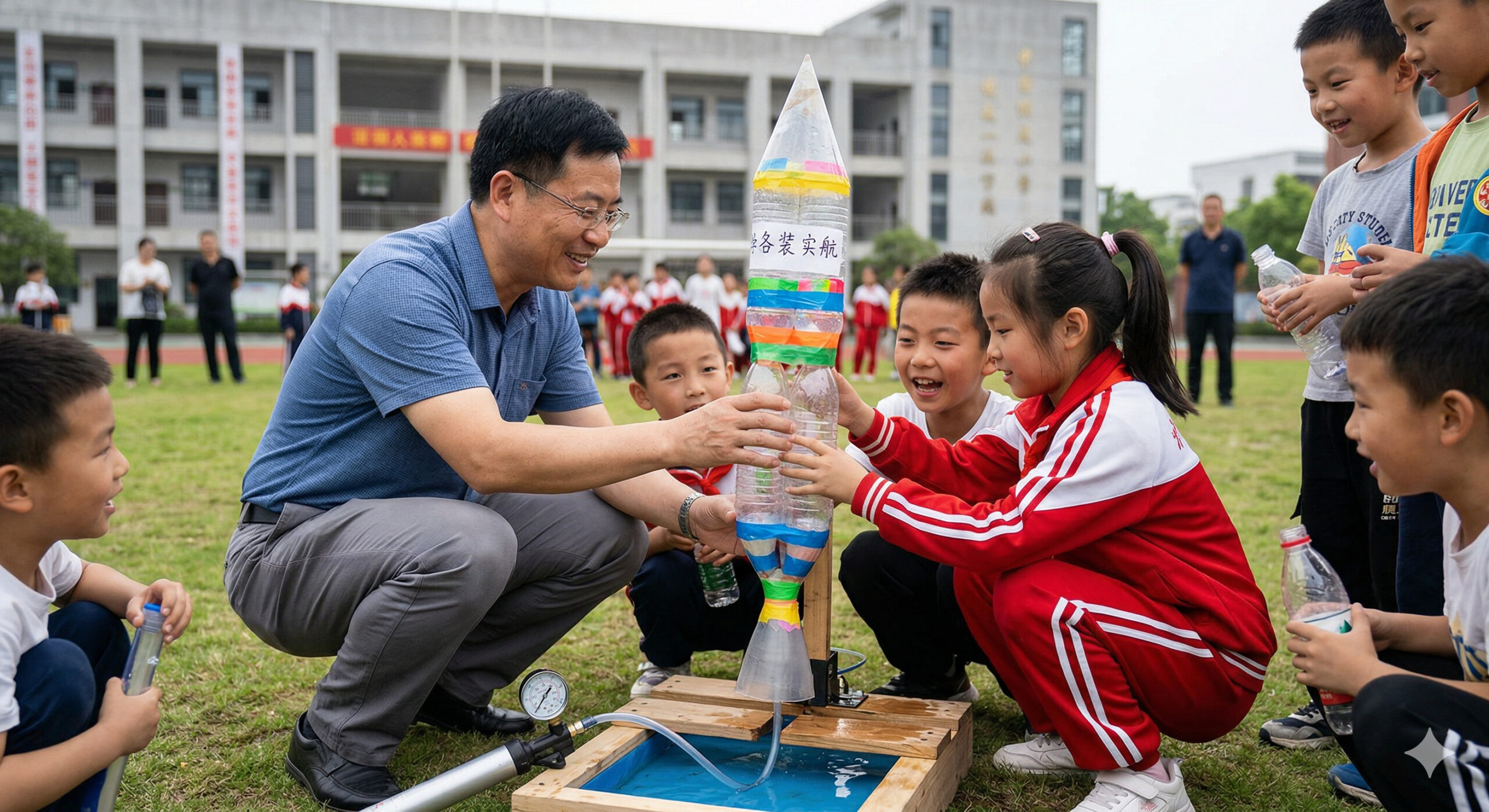
Professor in China goes viral for building a two-stage rocket with students using PET bottles, water, and pressurized air in a physics class.
In 2025, a video recorded in Jiangxi province, China, gained international attention by showing students participating in the construction and launch of a two-stage rocket made from plastic bottles. According to a report from NDTV, the experiment went viral on social media after capturing a successful launch where the rocket separates mid-flight and continues its trajectory, impressing users with its precision and execution.
The most relevant fact is that the rocket not only took off but executed stage separation during flight — a fundamental principle used in real space launchers. In the experiment, the system was built with simple materials, such as plastic bottles and pressurized water, using basic physics concepts.
The episode drew attention not only for the result but for the practical application of scientific concepts in a school environment, demonstrating principles such as pressure, action and reaction, and flight dynamics in an accessible and experimental way.
-
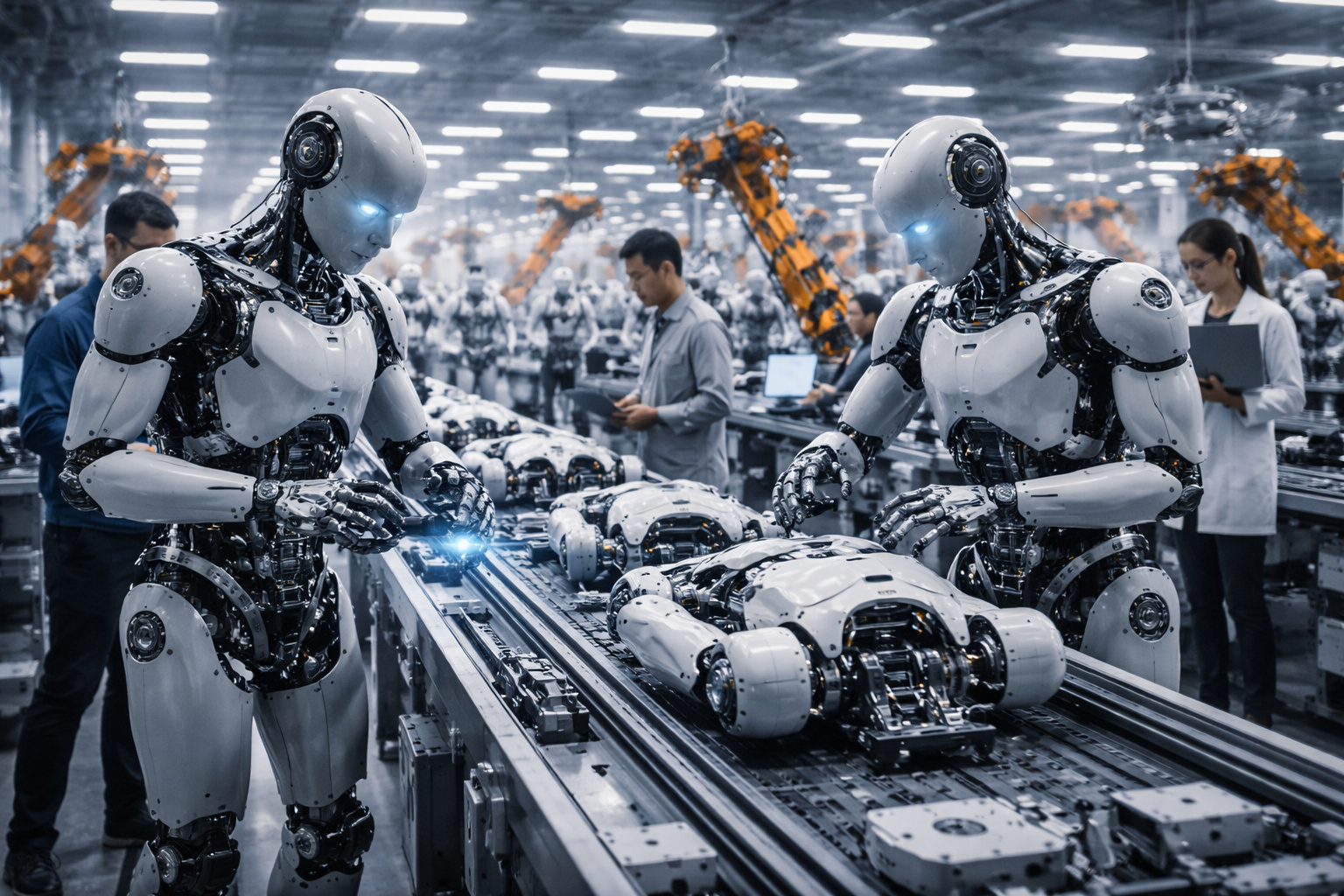
10 million robots per year in unprecedented industrial scale place China at the forefront of automated production and raise the question of how far machines can manufacture other machines.
-
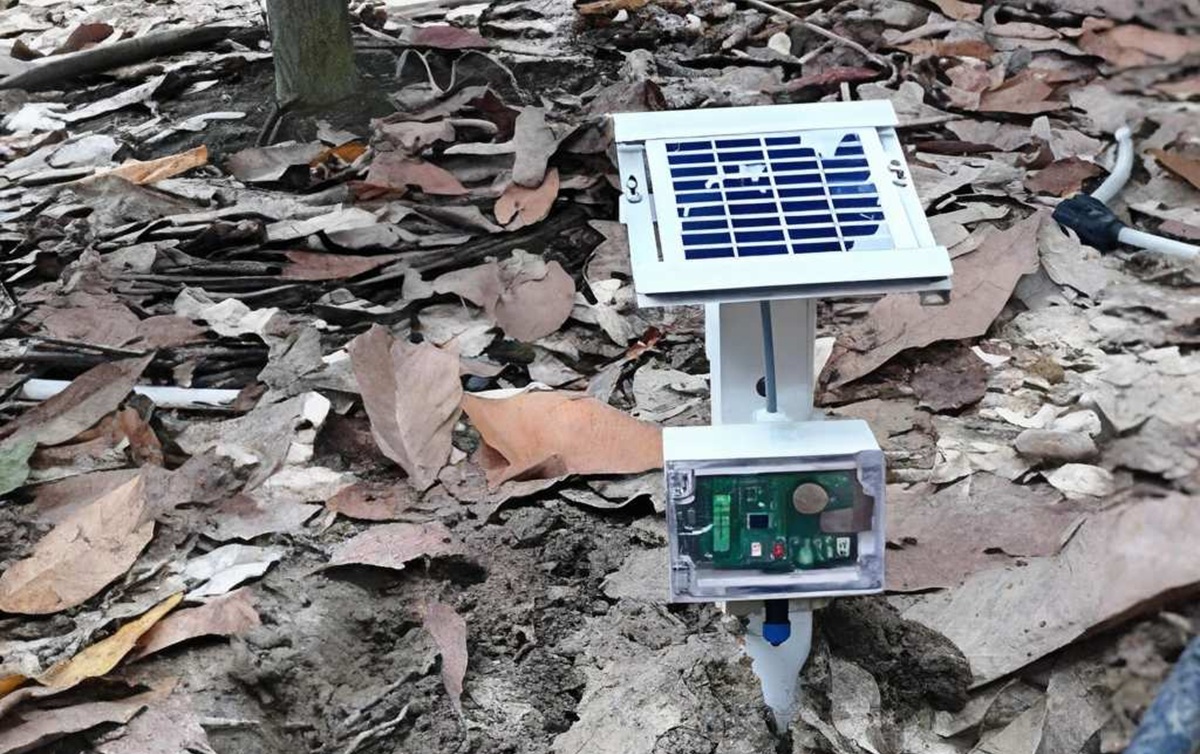
Researchers in Malaysia buried sensors at 15 and 30 cm and can now predict soil moisture with 95.49% accuracy, helping the field to irrigate only at the right time and reduce water waste.
-
Technology developed to protect military communications in the 1940s scrambled voices and today gives rise to the robotic sound that dominates current music.

-
If you look at the sky this Wednesday, you will see the Pink Moon shining at its peak at 10:11 PM, but before you get disappointed, know that the name has nothing to do with the color and instead refers to flowers that bloom at this time in the United States.


Experiment uses real propulsion principles with water and compressed air
The rocket built by the students is based on a concept known as “water rocket,” widely used in scientific demonstrations. The system works with compressed air and water, which act together to generate thrust.


During the launch, the pressurized air inside the bottle forces the water out, creating a reaction force that propels the rocket upwards. This principle is directly related to Newton’s third law.
Even though it is a simple experiment in terms of materials, the mechanism involves fundamental physics concepts, such as pressure, force, and conservation of momentum.
Two-stage system simulates technology used in real rockets
The differentiator of the experiment presented by the students lies in the construction of a two-stage system, something more complex than traditional water rocket models.
In this type of configuration, the rocket is divided into two parts. After the first stage burns out, separation occurs, allowing the second stage to continue ascending.
This concept is widely used in space rockets to increase efficiency and achieve greater altitudes.
The reproduction of this system in a school environment demonstrates a high level of practical application of scientific concepts.
Use of simple materials does not hinder project complexity
The rocket was built using accessible materials, such as PET bottles, water, and an air pressurization system. Despite the simplicity of the components, the project requires planning and understanding of the principles involved.
The students participated in stages such as assembly, pressure adjustment, and launch testing, turning the activity into a complete hands-on experience.
The use of simple materials reinforces the idea that relevant scientific experiments can be conducted without complex infrastructure. This type of approach broadens access to practical science education.
Experiment is not common, but highlights practical educational approach
Although the video gave the impression that this type of activity is common in all Chinese schools, it is a specific case that gained prominence due to its execution.
However, the episode highlights an educational approach based on practical experimentation, in which students actively participate in the learning process.
The construction of the rocket serves as an example of how theoretical concepts can be applied concretely in the classroom. The teaching model seeks to reduce the gap between theory and practice.
Application of scientific concepts increases student engagement
Hands-on activities like building rockets tend to increase students’ interest in the content. By visualizing how concepts work, learning becomes more tangible.
In the case of the experiment, students were able to directly observe the effects of pressure and force, as well as follow the rocket’s performance during the launch.
In China, students made a two-stage rocket using a cola bottle and water pressure.
— Tansu Yegen (@TansuYegen) July 17, 2025
pic.twitter.com/hHvLa0kpWq
This type of experience contributes to a deeper understanding of scientific concepts. Additionally, it fosters skills such as problem-solving and teamwork.
The viral case reinforces the importance of experimental teaching as a pedagogical tool. The practical application of concepts allows students to understand not only the “how” but also the “why” of phenomena.
Experiments like the water rocket demonstrate that complex principles can be taught in an accessible way. The integration of theory and practice is considered one of the most effective strategies in science education. This model can be adapted to different educational contexts.
Comparison with real rockets highlights the scale of concepts
Although the experiment uses simple materials, the principles involved are the same as those applied in rockets used in space missions. Stage separation, for example, is an essential resource for reducing weight and increasing efficiency during launch.
The main difference lies in the scale and complexity of the systems, but the physical basis remains the same. This connection between simple experiments and advanced applications contributes to the understanding of science.
The viral nature of the video demonstrates global interest in educational initiatives that utilize practical approaches. The experiment drew attention not only for the result but for the way it was conducted.
The repercussions also highlight the importance of scientific dissemination on digital platforms. Cases like this expand the debate on teaching methods and the role of experimentation in learning.
Simple experiment reveals the potential of applied teaching
The two-stage rocket built by elementary school students in China represents more than an isolated experiment. It demonstrates how scientific concepts can be applied practically and accessibly.
By transforming theory into action, the activity highlights the potential of experimental teaching to make learning more efficient and engaging.
Even though it is a specific case, the episode reinforces the relevance of methods that bring students closer to science through practice, contributing to a deeper understanding of the phenomena studied.






Seja o primeiro a reagir!