





 Portuguese
  English
  Spanish
  5 min of reading
  0 comments



A Project That Started as a Technological Experiment is now beginning to take shape on big stages. Whindersson Nunes is helping to develop an innovative device that allows hearing-impaired individuals to “feel” music and sounds through vibrations — and the device has already been tested during a performance by the comedian in Teresina, Piauí.
The initiative is the result of a partnership with the Piauí-based Tron Robótica Educativa, a startup focused on technology and education. The project started as a proposal for sensory inclusion and is now advancing to tests at large-scale events, such as Whindersson’s own show and, in September, Rock in Rio, where about 15 hearing-impaired individuals will participate in the next phase of equipment testing, called MR.
From YouTube to the Stage: How the Idea for the Inclusive Device Came About

The project was initially presented in a video published on Whindersson Nunes’ YouTube channel last Monday (25), the date that commemorates the National Day of the Brazilian Sign Language. In the recording, the comedian showcased the first tests of the device and explained how the technology works.
-
Brazil has a laboratory with more lethal viruses and operates with restricted access and strict protocols.

-
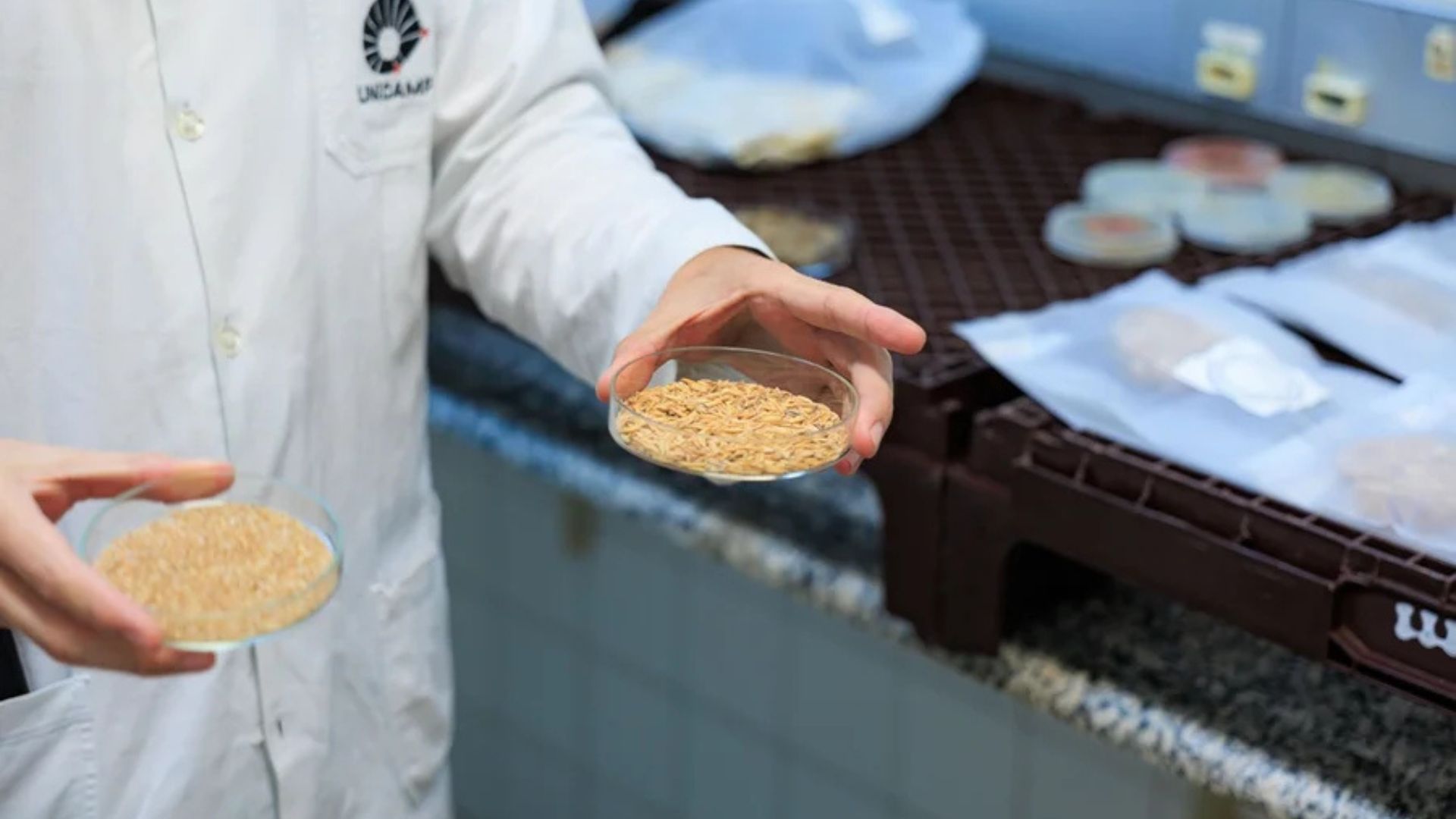
Scientists use fungi to create plant flour with a meat-like smell from waste such as potato peels and açaí, a solvent-free technology from Unicamp that increases protein, generates vitamin D, and has a patent pending.
-
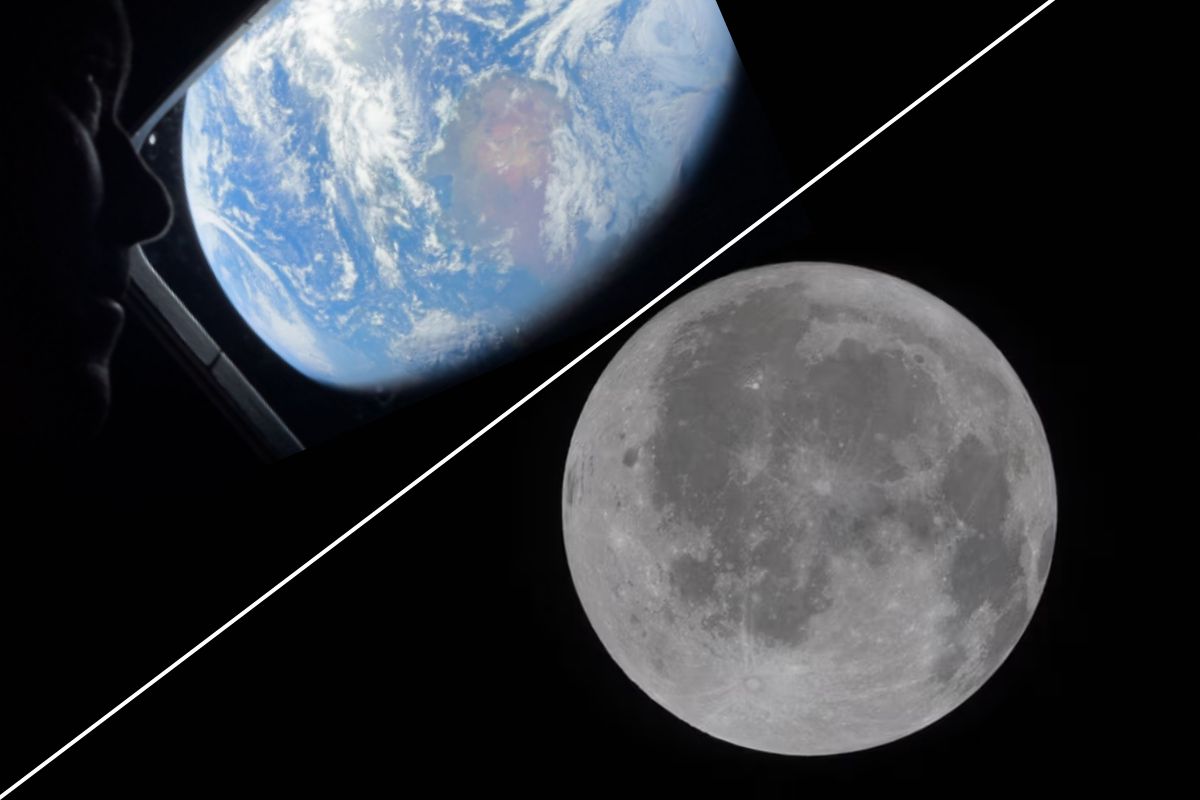
Artemis II photographs the Moon and shows an area never seen by human eyes: part of the Orientale Basin appears in the image, while Orion approaches the flyby this Monday (6) after passing the halfway point.
-
The global fuel crisis is doing what years of environmental campaigning could not convince consumers to switch from gasoline cars to electric ones, and in Thailand, reservations are skyrocketing with over a million people at the Auto Show.

The device, in its first version, resembles a small portable speaker. However, unlike conventional equipment, it does not aim to emit audible sound but to transform sound frequencies into intense mechanical and sensory vibrations.
During the initial tests, three hearing-impaired individuals participated in the experience. The influencer positioned the device on the chest, on the back, and even on the head of one of the participants. “We can feel the difference in the beat. I think in this area [the chest] it’s a bit better,” said the young man. Whindersson explained: “It’s because it distributes the sound throughout all organs.”
Additionally, the selection of songs was made strategically, prioritizing bass in different tones. “The idea is to capture the frequency and make it appropriate for the person,” the comedian emphasized.
One of the participants conducted the test without hearing aids and emotionally stated: “I can hear the music! How cool!”. She then confessed: “I’m very afraid of becoming completely deaf and not being able to hear music anymore.” After feeling the vibrations on her back, she celebrated: “It feels perfect!”.
Historic Test at a Show in Teresina
If the initial tests were already considered promising, the show held in Teresina marked a significant advancement in the project. This was the first time the device was used during a complete performance in Piauí.
According to physicist Gildário Lima, co-founder of the startup, the test was crucial because for the first time, participants followed an entire event — and not just isolated segments. They positioned themselves in the front seats and received support from interpreters and professionals involved in developing the device.
“Saturday’s test was important because for the first time the hearing-impaired individuals followed the entire show; previously, they were momentary tests,” Gildário explained.
One of the accounts that moved the team the most was the fact that participants were able to perceive the intensity of the jokes. As the audience reacted with more enthusiasm, the vibrations increased.
“They commented that now it was possible to know the intensity of the joke, because as the joke was really good, the whole audience vibrated, and they started to feel that. They felt the applause through vibrations, and that was something that stood out to me,” emphasized the physicist.
In short, the device not only transmits music but also captures the sound environment and converts applause, laughter, and sound waves into vibrations spread throughout the body.
MR Technology and Next Steps


The device was named MR in honor of a hearing-impaired student named Maria Rita, who used the TRON method in schools and inspired the development of the technology through her questions.
According to Gildário Lima, the device operates at two levels:
- Environment Mode: captures all sounds around, processes them, and transforms them into mechanical vibrations distributed throughout the body.
- Smartphone Mode: connected to a phone, directly converts music and sounds played on the device into a vibrational experience, regardless of external noise.
According to the physicist, the technology is already functionally ready. The next step involves ergonomic improvements to make it lighter, more accessible, and comfortable.
Whindersson also acknowledged that the project is not yet finalized. “The device is not at 100%, in fact, it’s practically 0.01%, because it was just the first test,” he stated at another development stage. Now, the goal is to reduce the size of the device and make it even more sensory.
In addition to the MR, Tron is developing other projects, such as a low-cost wheelchair prototype, which will proceed after the musical device is finalized.
Inclusion, Technology, and Social Impact

For Gildário, Whindersson’s role goes beyond financial investment. “He bought into the idea, as it is a startup that emerged in Piauí and is having a national impact, revolutionizing the introduction of technology in schools through the TRON method. And he is a great advocate for inclusion,” he stated.
The comedian’s involvement helped to give national visibility to the project and boost large-scale tests, such as those planned for Rock in Rio.
Thus, what started as an idea inspired by the desire to allow hearing-impaired individuals to feel music at home, like playing video games or cooking with sound, is now gaining space on packed stages and international events.
After all, if technology can turn steps into energy or vibrations into emotion, why not also transform the way each person experiences a performance?
And you, have you ever imagined feeling the intensity of a show just through the vibrations of the audience around you?








-

-

-

-

-

52 pessoas reagiram a isso.