





 Portuguese
  English
  Spanish
  4 min of reading
  0 comments


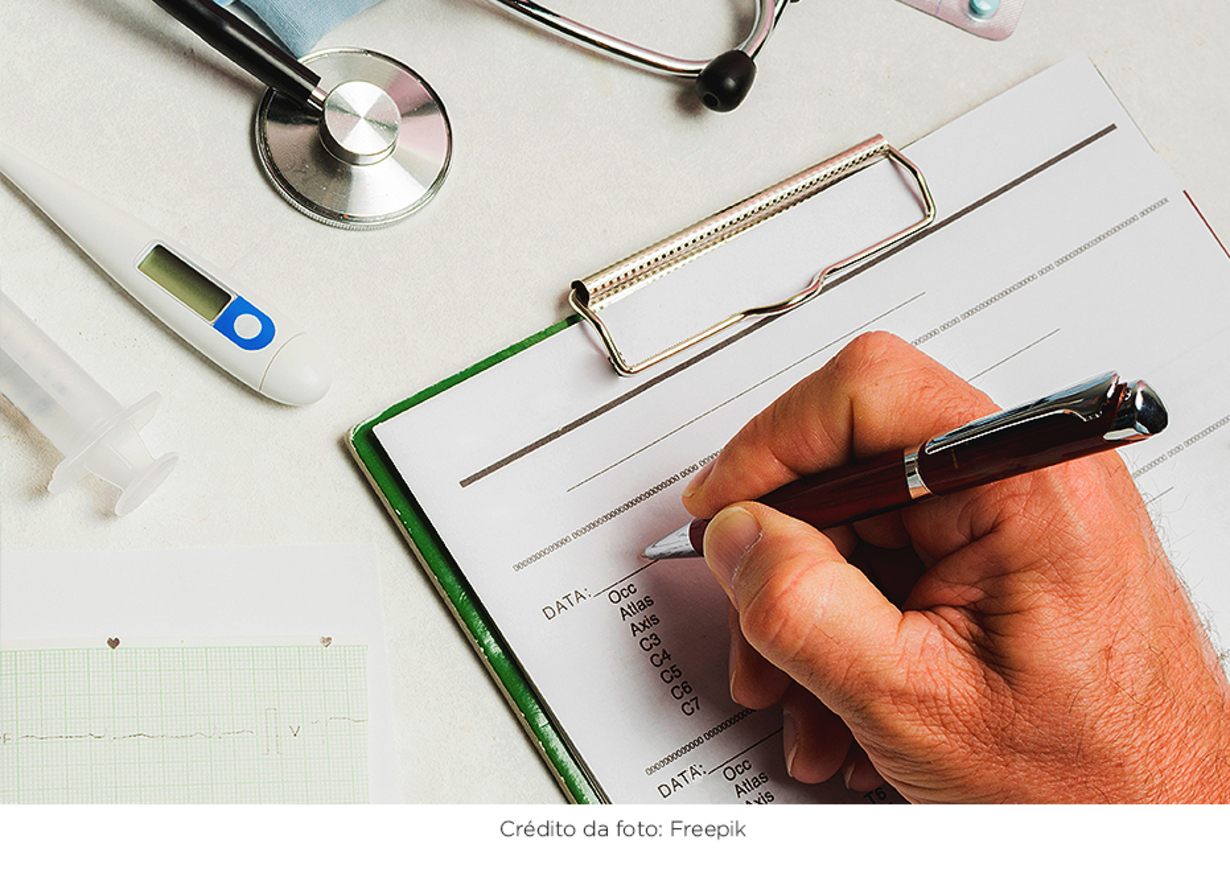
But, Why Is Doctors’ Handwriting Bad? Is It Lack of Time, Fatigue, or Is There Something Deeper Behind This Phenomenon?
It’s an old cliché, but it still generates perplexity and even jokes: the infamous handwriting of doctors. Almost everyone has encountered a prescription or certificate whose reading seemed like deciphering a secret code.
The neuroscience behind handwriting begins to unravel this mystery, revealing that haste and cognitive overload may be the real villains behind illegible writing.
Why Is Doctors’ Handwriting Bad? The Factors That Contribute to Illegibility
The question why is doctors’ handwriting bad doesn’t have a single answer, but rather a combination of factors that add up to make handwriting illegible.
-
Hidden marks on the walls of the site associated with the Last Supper of Jesus for centuries have been deciphered in Jerusalem, revealing medieval inscriptions left by pilgrims, European nobles, and travelers from the Middle East.
-
One of the most important lakes in the United States for birds, the balance of nature, and the climate has dried to historic levels, leaving boats stranded, revealing salt flats, and showing how the lack of water can transform an entire landscape.

-
It’s not Cristiano Ronaldo or Messi: the richest football player in the world is only 27 years old, has a fortune of 100 billion reais, and is the nephew of a sultan from an Asian country that few people know about.

-
At 77, the king of one of the most famous and powerful crowns on the planet is said to be under pressure to leave the throne, while behind the scenes there are already talks of a new coronation that could cost R$ 260 million.


It’s a global problem that affects not just Brazil, but various parts of the world where doctors face intense routines.
Main Reasons for Illegible Medical Handwriting:
- Haste and Patient Volume: Doctors, especially in hospitals and clinics with high demand, need to see a large number of patients in a short time. The need to register information quickly, while already thinking about the next appointment or the next step in the diagnosis, doesn’t allow the time necessary for careful writing.
- Fatigue and Work Overload: Long shifts, exhausting duties, and constant pressure for quick decisions lead to physical and mental fatigue. Tired hands and overloaded minds tend to produce less precise and more hurried handwriting.
- Prioritization of Information: For the doctor, the top priority is the accuracy of the diagnosis, the choice of treatment, and the effectiveness of oral communication with the patient. The clarity of written handwriting, although important, can become secondary in the face of urgency and the complexity of medical information. They focus on content, not form.
- Habit and Lack of Handwriting Practice: With the increasing digitalization of medicine, many young doctors predominantly use computers to record medical records and prescriptions. This, ironically, can lead to a decrease in manual writing practice, causing handwriting to deteriorate even more when they need to write by hand.
The Neuroscience Behind Handwriting: The Brain in Action
The neuroscience behind handwriting offers insights into the phenomenon of doctors’ handwriting.
Writing is a complex cognitive process that involves several areas of the brain, including those responsible for language, memory, fine motor coordination, and attention.
How the Brain Affects Manual Writing:
- Mind-Hand Connection: Handwriting is a complex motor skill that requires precise coordination between the brain and the muscles of the hand and wrist. When the brain is overloaded with other tasks (such as thinking about the diagnosis or the dosage of a medication), the attention devoted to the finesse of writing is reduced.
- Processing Speed vs. Motor Execution: The doctor’s brain processes information at high speed, formulating ideas and decisions quickly. However, the motor execution of manual writing has a speed limit. To “keep up” with the rhythm of thought, handwriting becomes faster and less legible.
- Automation of Writing: To save cognitive energy, the brain automates many routine tasks, including writing common words and phrases. In the case of doctors, technical terms and the structure of prescriptions can become so automated that concern for the form of handwriting decreases.
- Stress and Adrenaline: In emergency situations or high stress, the production of adrenaline and other hormones can affect fine motor coordination, making handwriting even more shaky or hurried.
Implications and Solutions: Reducing the Risks of Medical Handwriting
While understanding why doctors’ handwriting is bad helps to contextualize the problem, illegibility can have serious consequences, such as medication errors or misinterpretation of instructions. Hence, the search for solutions is constant.
Topics on Improvement and Prevention:
- Digitalization of Medical Records and Prescriptions: Transitioning to electronic medical records and digital prescriptions is the most effective solution. This not only ensures legibility but also improves patient safety, facilitates access to information, and optimizes workflow.
- Handwriting Training: Although less common, some medical residency programs and courses may include modules focused on the importance of legible handwriting, especially for documents that still require manual writing.
- Awareness: Raising awareness about the risks of illegibility and encouraging doctors to take extra time for clear writing, especially on prescriptions.
- Patient-Doctor-Pharmacist Communication: Encouraging patients always to ask questions about their prescriptions and pharmacists to confirm information with the doctor in cases of illegibility, creating a safety net.
The neuroscience behind handwriting shows that doctors’ handwriting is a reflection of a profession that demands quick thinking and constant cognition.
However, with technology and awareness, the problem of illegible handwriting may soon be a thing of the past, ensuring greater safety and clarity for all.







Seja o primeiro a reagir!