





 Portuguese
  English
  Spanish
  8 min of reading
  0 comments


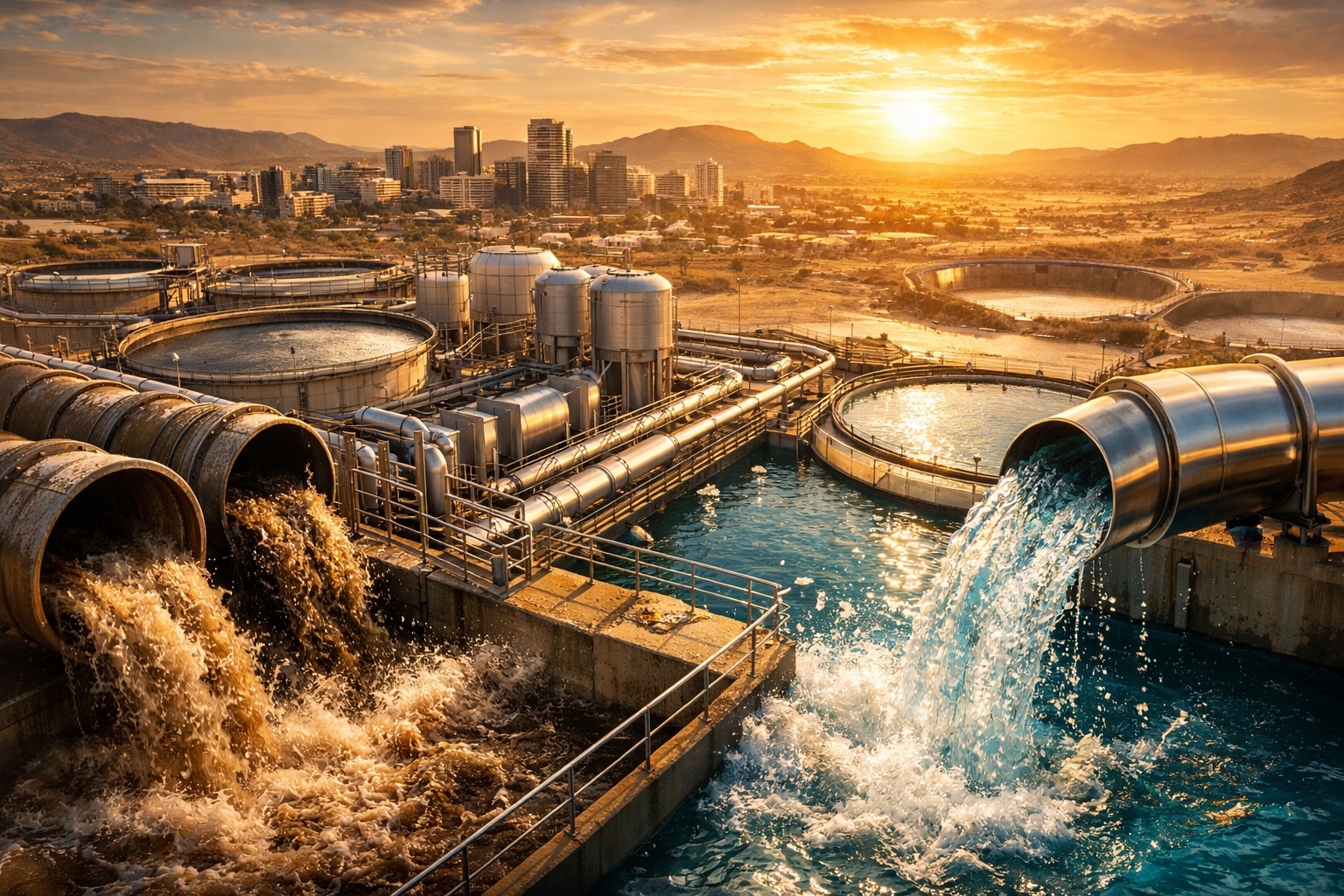
In 1968, Windhoek, in Namibia, inaugurated the first plant in the world to convert sewage directly into drinking water. Today, the system supplies about 35% of the capital and has become a global reference for cities threatened by water scarcity.
An African capital built in the desert and without permanent rivers forced the city to reinvent water supply: Windhoek, capital of Namibia, is located in the center of the country, more than 200 kilometers from the coast and surrounded by arid hills. The Namibian territory is considered one of the driest in Africa. The average annual precipitation is around 280 millimeters of rain, and about 83% of this water evaporates before even infiltrating the soil. The city has no permanent rivers nearby. The closest waterways are over 500 kilometers away, both north and south of the country. Between these extremes, what exists are dry riverbeds that only transport water during occasional storms — and, in some years, it doesn’t even rain enough to activate them.
When German colonizers arrived in the region in the 19th century, Windhoek developed around a few natural springs. These springs quickly ran dry with the growth of the city. The initial solution was to drill underground wells, but they also became insufficient. The next step was the construction of dams. The Avis Dam, built in the 1930s, was supposed to solve the supply issue. However, it would be completely dry about four out of ten years. The Goreangab Dam, inaugurated in 1958, temporarily improved the situation, but it was unable to sustain the accelerated population growth.
In the 1950s, Windhoek was growing at about 6% per year, and water consumption was increasing at the same rate. In 1957, the city had already implemented water rationing. Three years later, the municipal administration realized that there was no conventional solution capable of ensuring stable supply in the long term.
-
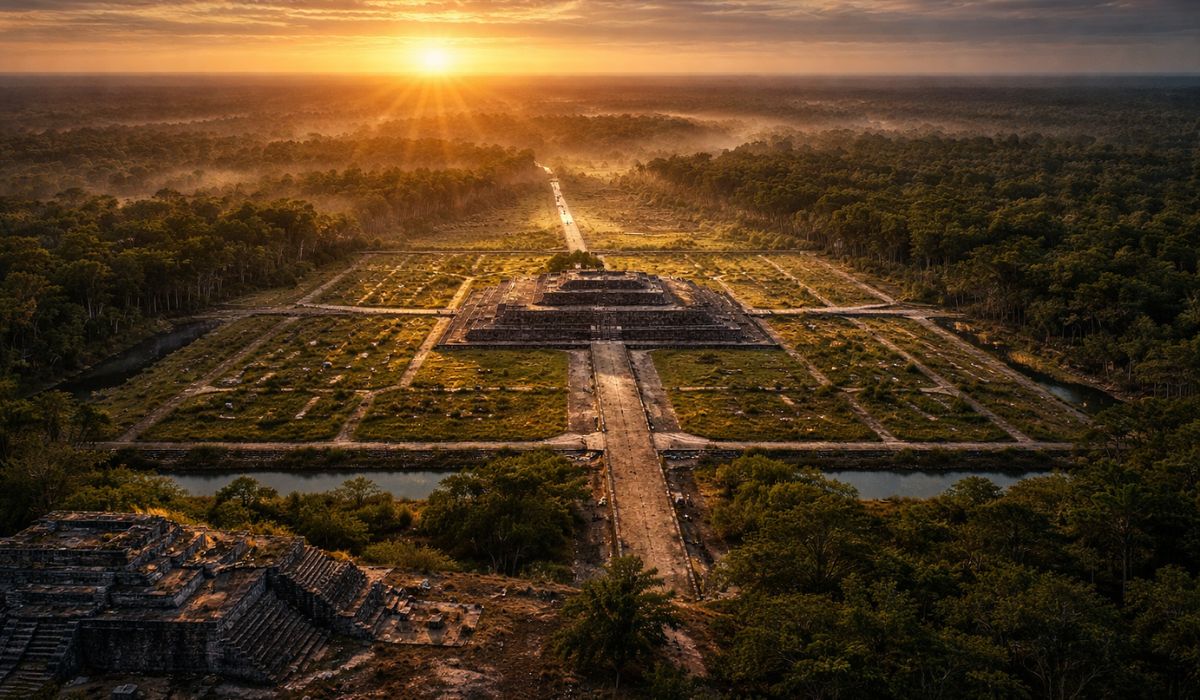
In Mexico, a 3,000-year-old Maya site with the dimensions of an entire city may have been built as a colossal map of the cosmos, created to represent the order of the universe and reveal how this people organized space, time, and rituals.
-
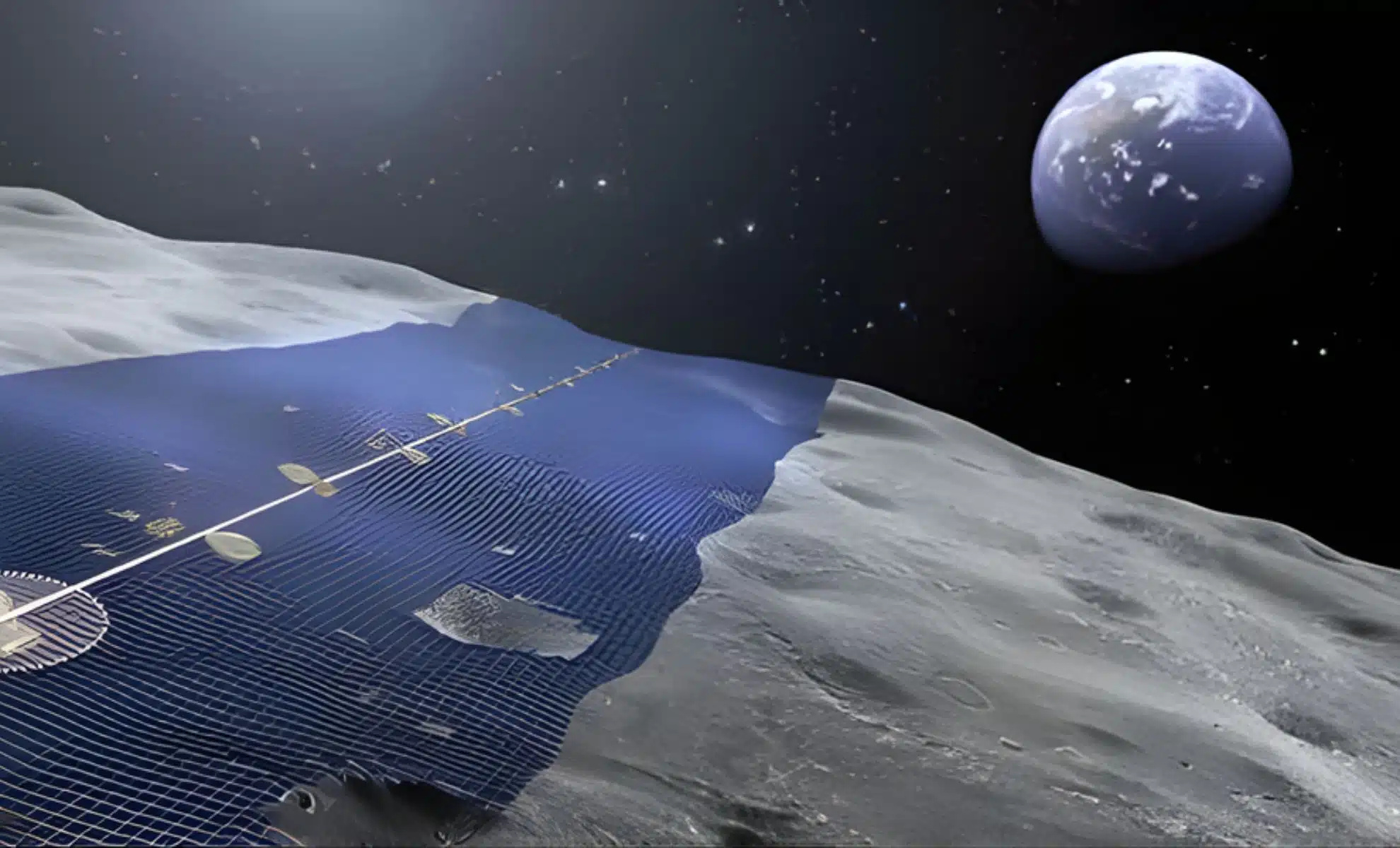
Japan wants to build a solar ring of 10,900 kilometers on the Moon to continuously send energy to Earth.
-
Weighing almost 1 ton, with temperatures of up to 3,000°C, the ability to launch 10,000 fragments within a radius of 1 km, capable of penetrating concrete and melting steel, Turkey’s terrifying bomb emerges as one of the most destructive non-nuclear weapons ever presented.

-
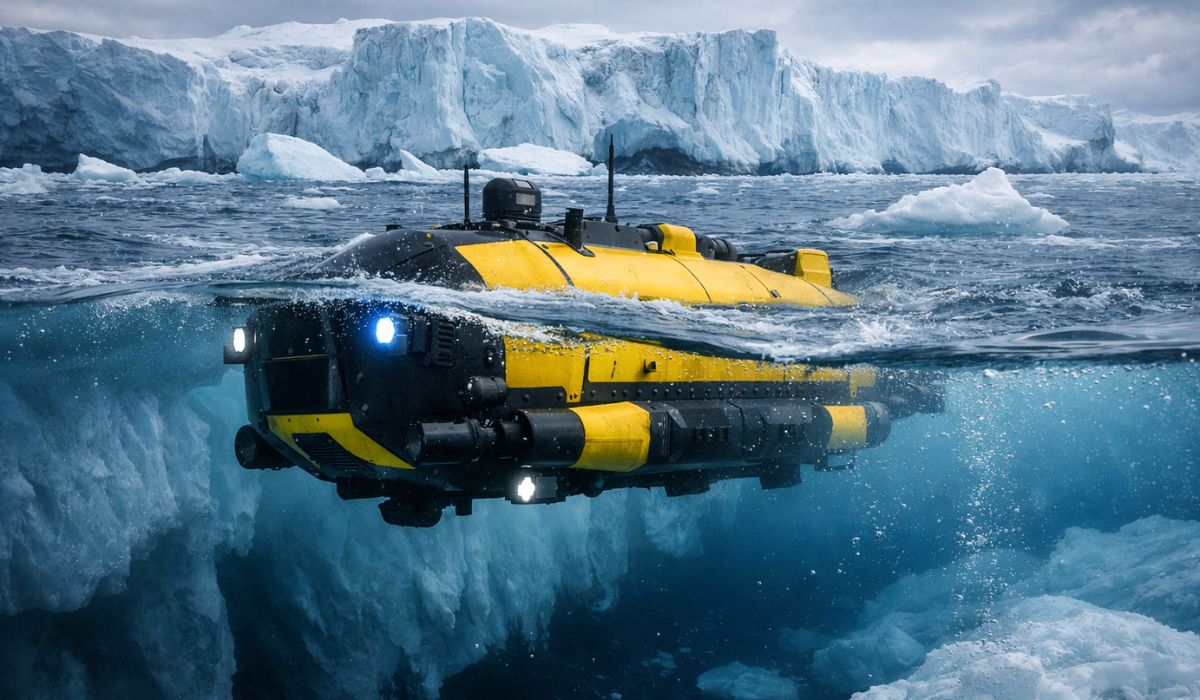
After a submarine disappeared beneath the “Doomsday Glacier,” scientists announce a new monstrous machine capable of operating at 3,000 meters depth to return to the heart of the ice and investigate a threat that could raise sea levels worldwide.

Eight Years Of Studies Led Windhoek To Create The First Direct Potable Water Reuse System In The World
The water crisis forced engineers and city managers to think radically differently. In most of the world, the water cycle works in a relatively predictable way: rain feeds rivers and reservoirs, water is captured, treated, and distributed to the population. After use, it returns as sewage to treatment stations and is released back into rivers, where the natural purification process starts again.
Windhoek did not have this natural circuit. There was no river to receive treated sewage and reintroduce it into the hydrological cycle.
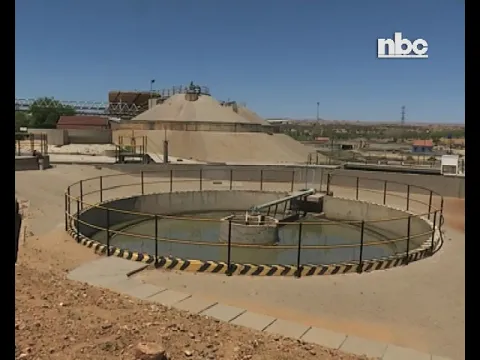

The solution proposed by the municipal engineers was to eliminate the intermediate steps. Between 1962 and 1965, technical teams from the city hall conducted several pilot studies to verify if it would be possible to treat domestic sewage directly to meet drinking water standards. The goal was to turn sewage into drinking water without relying on rivers or natural purification processes.
In October 1968, the city inaugurated the Goreangab Water Reclamation Plant, with an initial capacity of 4,800 cubic meters per day.
This facility became the first plant in the world to produce drinking water directly from treated sewage, in a process now internationally known as direct potable reuse.
The Population Only Found Out They Were Drinking Recycled Water Three Months After The Plant Started Operating
The inauguration of the plant represented a radical change in the way the city produced drinking water. However, residents were not immediately informed.
The population of Windhoek only discovered the news about three months after the system was already in operation. In November 1968, the South African newspaper Sunday Tribune published the headline that would become historical: “Windhoek Drinks Sewage Water”.
To demonstrate confidence in the system, the mayor of the city participated in a blind taste test. After comparing different samples, he publicly declared that he preferred the water treated by the new plant over the water from traditional sources. At the time, Namibia was under South African administration during the apartheid regime. The government did not consult the black majority of the population before important administrative decisions.
Years later, the city’s chief engineer, Sebastian Husselmann, would summarize the situation directly: “It was accept or die. There was no other alternative.”
The Modern Treatment Process Uses Ten Steps To Transform Sewage Into Drinking Water
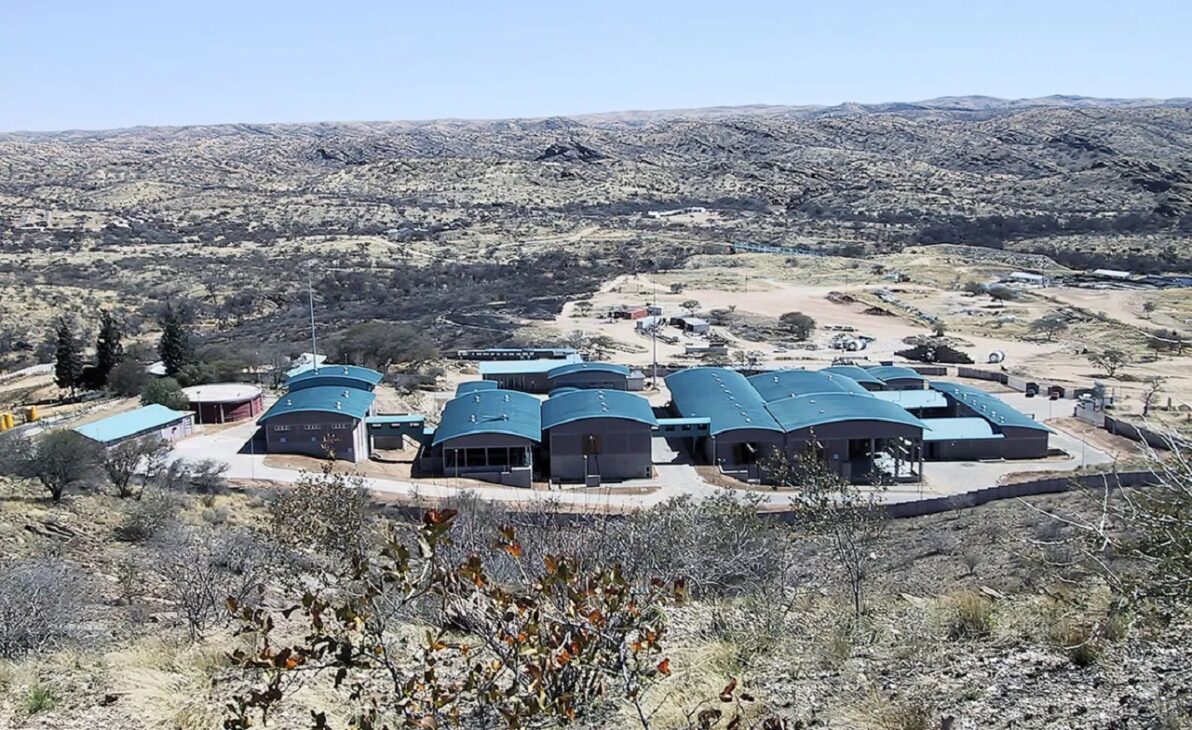
The original plant was replaced in 2002 by a much more advanced facility: the New Goreangab Water Reclamation Plant (NGWRP). The new plant has a capacity of 21,000 cubic meters of water per day and operates continuously, 24 hours a day, seven days a week. The system is managed by an international consortium formed by Veolia (France), Berlinwasser International (Germany), and WABAG (Austria and India).
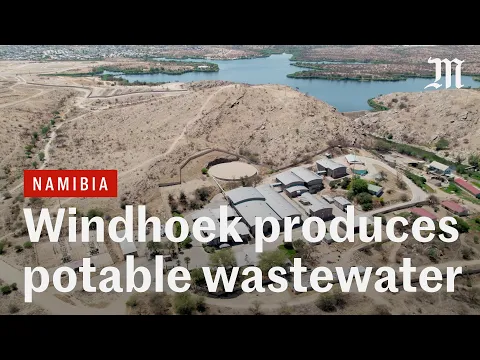
The process starts with domestic sewage that has already undergone initial treatment at the Gammams station. From there, the water undergoes a sequence of highly controlled purification steps.
Among the main processes are:
- pre-ozonation
- coagulation and flocculation
- dissolved air flotation
- dual media filtration
- secondary ozonation
- biological activated carbon filtration
- granular activated carbon adsorption
- membrane ultrafiltration
- chlorination
- final pH adjustment
The entire treatment cycle takes about 24 hours. After complete purification, the water is mixed with other sources in the city, such as reservoirs and underground wells, before being distributed through the urban network.
Sensors Monitor Water Quality Every Two Seconds To Prevent Any System Failure
The major innovation of the modern plant is not only in the purification technology but also in how the system is monitored. Digital sensors installed at different stages of the process send data to the control room every two seconds. These sensors check chemical, physical, and microbiological parameters of the water in real-time.
If any indicator exceeds the defined limits, the plant automatically enters recirculation mode. In this mode, the water returns to the beginning of the treatment process, and no liter is distributed until the parameters return to a safe standard.
Additionally, composite samples are collected every hour at different points in the system and stored for laboratory analysis. Additional microbiological samples are also collected manually.
The system uses the industrial automation protocol SCADA, which allows for remote control of the entire process and also monitors the quality of water already distributed through the city network. Since the start of operations in 1968, there have been no recorded disease outbreaks related to direct water reuse in Windhoek.
Epidemiological Studies Confirmed The Safety Of The System After Decades Of Operation
Between 1974 and 1983, the city conducted a ten-year epidemiological study to assess possible impacts on public health. The study compared two groups of residents: those who consumed water with a recycled component and those who used other supply sources.
The result was surprising.
The researchers found no detectable difference in the rates of diarrheal diseases or infections between the two groups. Since then, the plant has maintained a continuous scientific research program, including analyses on the presence of viruses, pharmaceutical compounds, microcontaminants, and potential toxic effects. According to engineer Thomas Honer, responsible for overseeing the system:
“We know that there are antibiotics, cosmetic preservatives, and household chemicals in the sewage. Our job is to find them and remove them completely.”
The Phrase That Became A Global Motto For Water Recycling
Engineer Lucas van Vuuren, one of the pioneers of the Goreangab project, formulated a phrase that eventually became a global reference in the debate on water reuse:
“Water should not be judged by its history, but by its quality.”
This phrase summarizes the main challenge for the adoption of technology in other parts of the world: the psychological barrier. In the United States, for example, similar projects faced strong public opposition due to the expression “toilet to tap.”
Windhoek did not face this problem initially because the government simply implemented the solution without public consultation. Today, however, the city invests heavily in educational programs to explain how the technology works.
The Direct Reuse System Today Supplies About 35% Of The Water Consumed In The Capital Of Namibia
Currently, the direct reuse system of Goreangab supplies about 35% of the drinking water consumed in Windhoek. The remainder of the supply comes from dams, reservoirs, and underground wells.
Despite the city’s growth, the technology continues to be considered one of the most efficient solutions for arid regions with no access to large rivers or lakes. Technical delegations from various countries regularly visit the Namibian capital to study the system.
The megadrought affecting the southwest United States since 2001, for instance, led engineers from states like Arizona, Nevada, and California to visit Windhoek to understand how the model could be applied in other regions.
Direct Water Reuse Consumes Less Energy Than Desalination
One of the reasons why the Windhoek model attracts so much international attention is its energy efficiency. The desalination of seawater, widely used in countries like Israel and Saudi Arabia, consumes between 3 and 4 kilowatt-hours per cubic meter of water produced.
The direct water reuse system used in Windhoek consumes between 1 and 1.5 kilowatt-hours per cubic meter, less than half the energy needed to desalinate seawater.
For cities located inland in arid regions — far from the ocean — this difference can be decisive.
Windhoek Has Become A Global Reference In Drinking Water Recycling Technology
Today, the residents of Windhoek know that part of the water they drink has already passed through the city’s sewer system before returning to the taps. According to local authorities, the majority of the population views this with pride.
The city has become a global symbol of innovation in water resource management. At the exit of the new Goreangab station, there is even a public fountain offering water directly produced by the plant. A sign informs visitors: purified water made from treated domestic sewage.
Engineers, researchers, and officials from various countries regularly visit the site to observe how the system operates.
What began as a desperate solution for a city without rivers has transformed into one of the most studied water supply technologies on the planet — and a potential model for regions facing increasing water scarcity in the 21st century.





Seja o primeiro a reagir!