





 English
  Francês
  Alemão
  Italiano
  Japonês
  Norueguês
  Portuguese
  Spanish
  3 min of reading
  0 comments


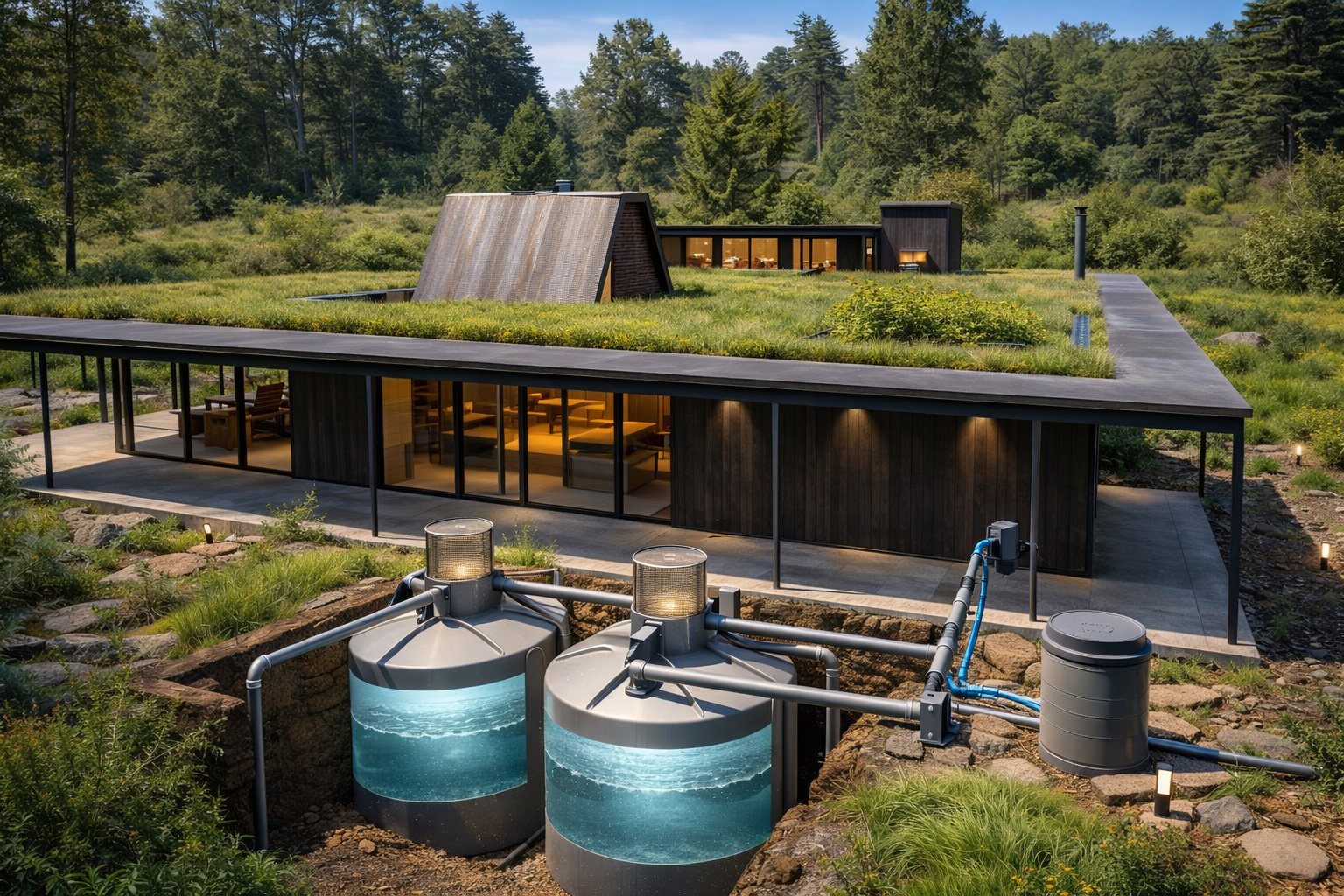
Project in Mexico shows how a sustainable prefabricated house uses rainwater to ensure supply all year round
A sustainable prefabricated house in Mexico has been attracting attention for a simple and surprising reason. It manages to transform rainwater into supply for the entire house. The property has 370 square meters and is located in an area surrounded by nature, near Temascaltepec.
The project was designed to operate independently, thus using natural resources available on-site.
The information was released by ArchDaily, an international platform specialized in architecture and innovative projects.
-
Seen from space, a colossal ‘Y’ cuts through the largest desert in China, blending a jade-filled river, red and white mountains, and revealing the absurd scale of the transformation of the Taklamakan surrounded by a green wall with billions of trees.

-
The Pacific Ocean reveals what the cliffs of Big Sur have hidden for millennia: Pfeiffer Beach, in California, features swirling purple sand formed by garnet crystals and displays a stone arch that is illuminated by the sun in winter for just a few days each year.

-
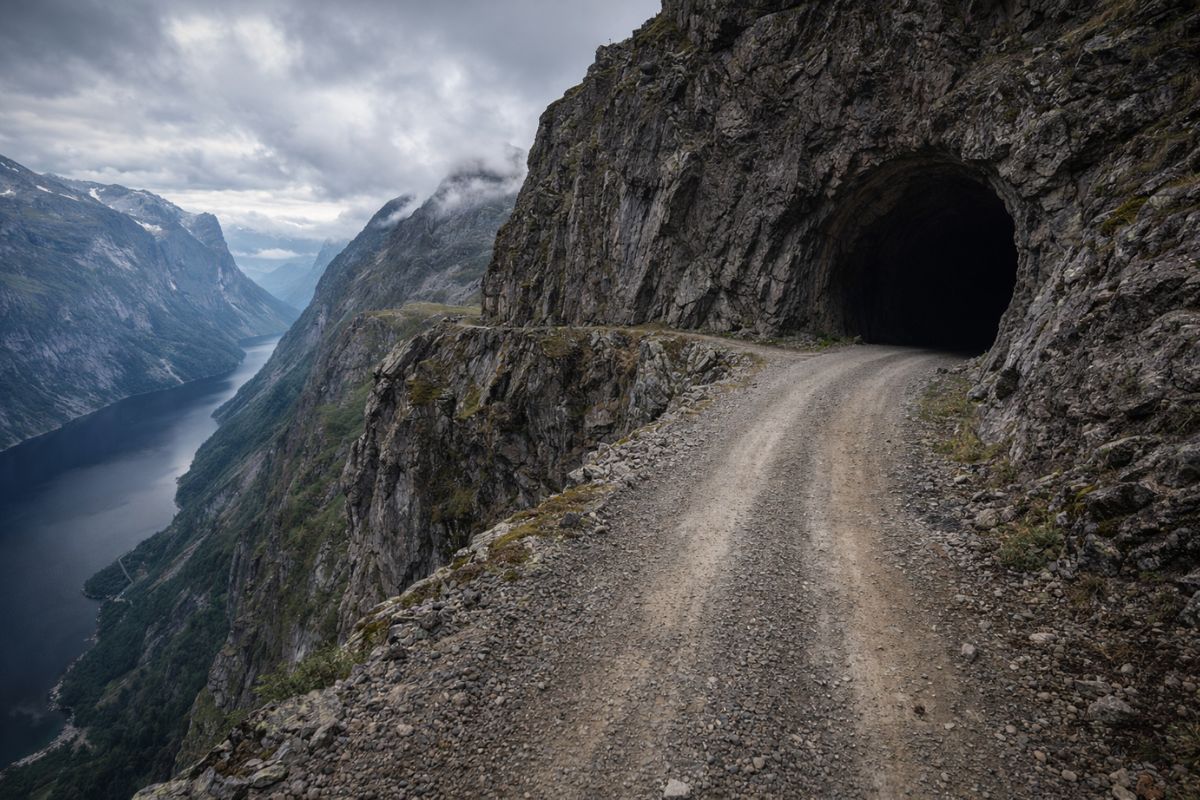
Aursjøvegen in Norway is a 100-kilometer gravel road that crosses chasms and dark tunnels carved into the rock at an altitude of 947 meters in the fjords and is only open for four months a year.
-
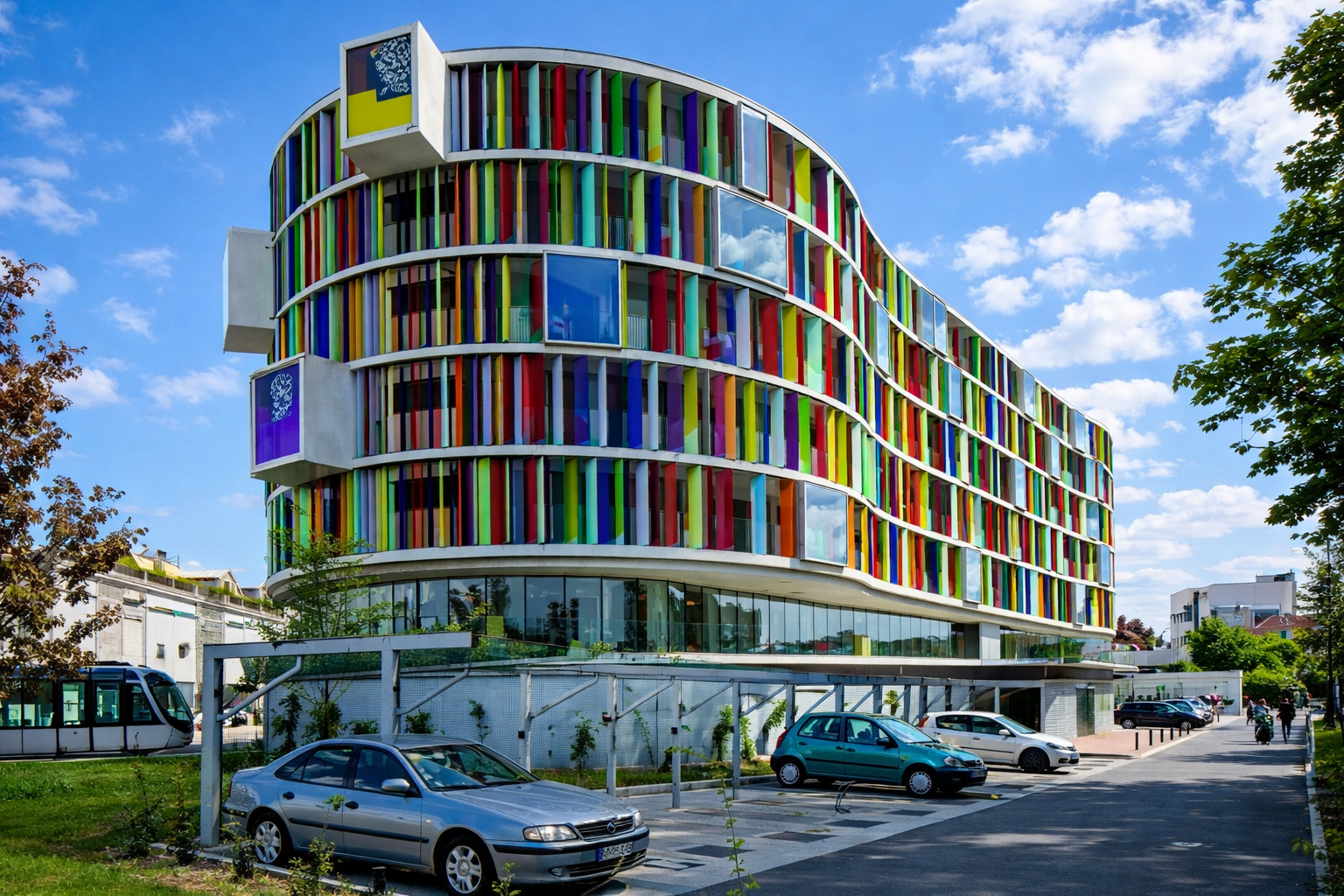
With about 4,000 m², the building constructed in a traditional neighborhood in France looks like a rainbow, has a colorful facade, mixes vibrant glass, and creates one of the most unusual visuals in Bordeaux.


How the sustainable prefabricated house works in practice
The idea behind the house is clear: use what nature offers to keep everything running.
The project utilizes solar energy to generate electricity and a system that captures and stores rainwater. This allows the house to function without relying on public networks.
The region’s climate helps in this process. Summers are rainy, ensuring water storage, while dry periods are compensated by what has been accumulated.
Rainwater is treated and used throughout the prefabricated house
One of the most interesting points is how the water is utilized.
The house has systems installed above and below ground that collect and store rainwater. After that, this water goes through a cleaning process before being used.
Thus, it can serve for daily activities, such as internal use and also for irrigating plants on the property.
System also reuses water used inside the house
In addition to capturing rain, the project also takes care of already used water.
There is, therefore, a sewage treatment system that does not use chemical products. The water goes through this process and can be reused.
This reuse allows the water to be used again, for example, in flushes or for taking care of the orchard.
ArchDaily, an international platform specialized in architecture and innovative projects, highlights that this type of solution is still uncommon, even in regions with plenty of rain.
House is divided into three connected spaces
The project is not just a single house. It consists of three different parts.
There is a main residence, an art studio, and a spa. Although separate, all spaces connect with each other and with the external environment.
The buildings use dark wood on the outside and natural materials on the inside, such as stone and exposed wood.
Design values natural light and views of nature
The main house was built as an open space, with plenty of light coming in.

Large windows allow for views of the surrounding landscape, including the Nevado de Toluca, a volcano located to the north of the region.
The bedrooms are located in higher parts of the structure, which helps bring natural light into the internal spaces.
Project bets on a simpler and more sustainable life
The prefabricated house also features areas for growing food.
With gardens and local production, the space helps create a more independent system, where part of the food comes from the property itself.

This reduces the need for external resources and brings residents closer to a simpler lifestyle.
The sustainable prefabricated house shows that it is possible to live comfortably using simple and well-planned solutions. The use of rain as a water source is one of the project’s major highlights.
Moreover, the combination of solar energy, water reuse, and food production creates a model that can inspire other constructions.
Would you live in a house that works like this? Share this idea and tell us what you think.









Seja o primeiro a reagir!