





 Portuguese
  English
  Spanish
  5 min of reading
  0 comments



Professional shortage threatens renewable energy expansion in Brazil and pressures solar, wind, and green hydrogen projects.
In 2025, the accelerated advancement of the energy transition in Brazil began to encounter an unexpected bottleneck: the lack of qualified professionals to sustain the sector’s growth. According to a survey released by the Terra portal based on data from specialized recruiters, 74% of renewable energy companies are struggling to hire technical professionals and engineers in the country, precisely at a time of record expansion of solar, wind, and green hydrogen projects.
The most impactful data is that the labor shortage is no longer just a hiring problem, but a factor that is beginning to limit the execution of strategic energy projects, directly affecting the growth capacity of one of the most important sectors of the Brazilian economy today. This scenario arises amid a global race for clean energy sources, where Brazil holds a privileged position but is facing a structural challenge in the training of professionals.
Accelerated growth of renewable energy pressures the job market
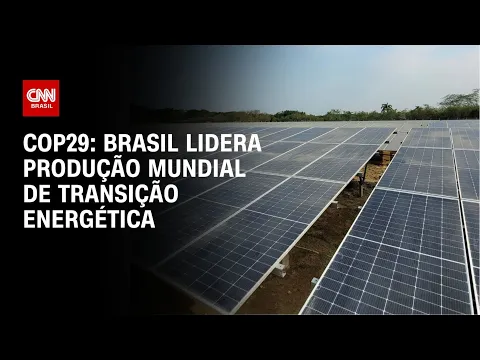
In recent years, Brazil has recorded significant expansion in installed renewable energy capacity, particularly in solar and wind sources. The country is already among the global leaders in wind generation and has one of the largest solar potentials in the world.
-
Historic bankruptcy of Centauro shocks the market, and the century-old company puts more than 500,000 products, machines, and complete infrastructure up for online auction.

-
New shoe factory in Ceará is expected to create 400 jobs and strengthen the local economy.

-
No one imagined it, but a mixture of sawdust with a mineral that fights fires surprises scientists with a result that changes the course of fire-resistant construction.

-
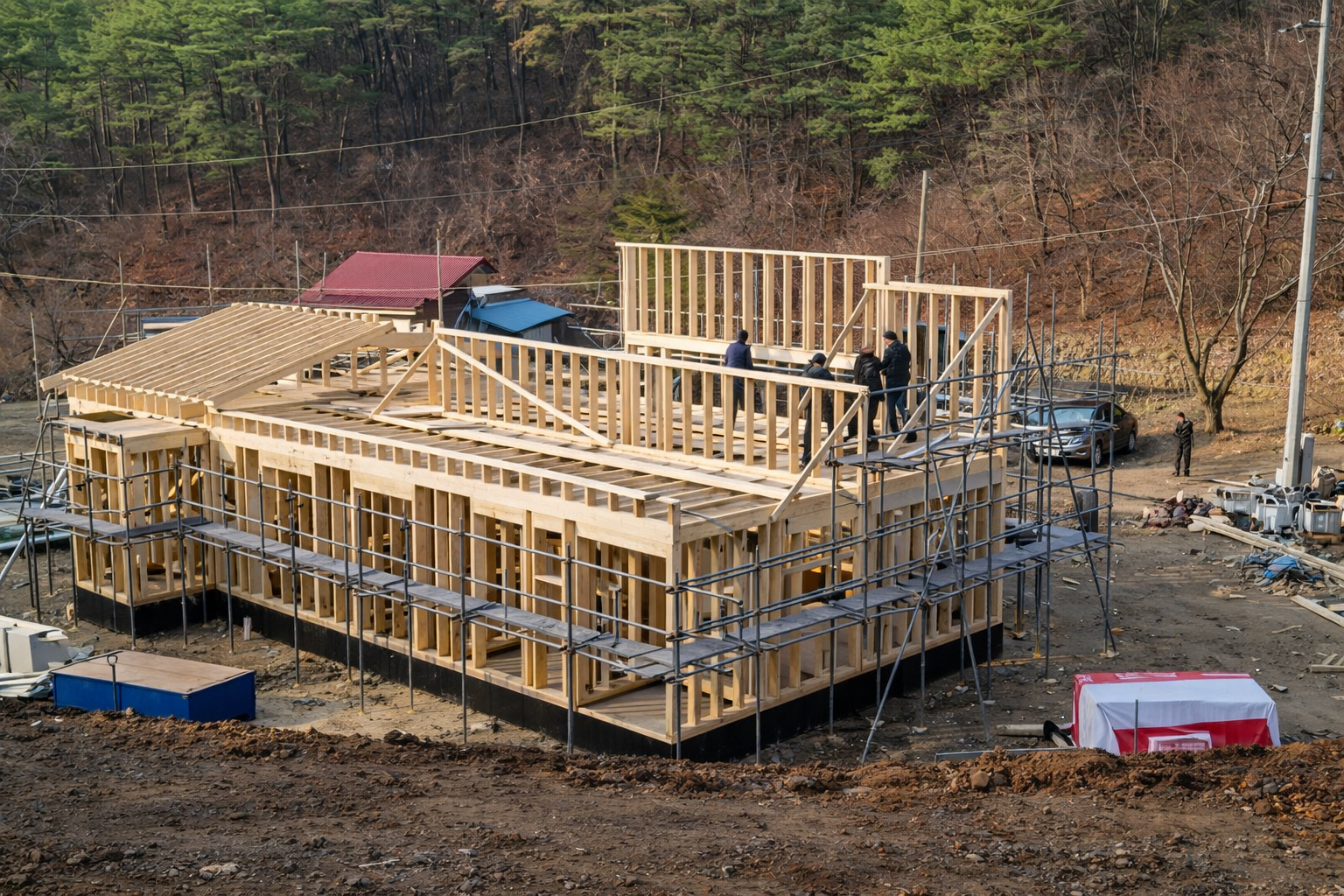
From empty land to a high-end house, wooden construction uses a lightweight system, metal structure for the foundation, ventilated ceramic cladding, and special windows to create an efficient and comfortable living space throughout the year.


This growth has been driven by the increasing demand for clean energy, private and international investments, technological advancements, and incentive policies. However, while infrastructure is growing at an accelerated pace, the training of professionals is not keeping up, creating a mismatch that is becoming visible throughout the sector.
The direct consequence is that companies are competing for the same professionals, increasing pressure on the job market.
Technical roles become the main bottleneck of expansion
Unlike other sectors, the shortage in renewable energy is concentrated in essential technical roles for the operation and maintenance of systems. Among the most in-demand professionals are:
- Project engineers;
- Operation and maintenance (O&M) technicians;
- Energy storage specialists;
- Professionals related to green hydrogen.
These roles are responsible for ensuring that solar and wind farms operate efficiently, safely, and continuously, being indispensable for the functioning of power plants. Without these professionals, the expansion of installed capacity does not translate into effective operation.
Green hydrogen further increases demand for specialized professionals
The emergence of new technologies within the energy transition, such as green hydrogen, adds an extra layer of complexity to the scenario. Projects of this nature require advanced knowledge in chemical processes, integration with renewable energy systems, and specific industrial infrastructure.
This creates a demand for highly specialized professionals, who are still rare in the Brazilian market, further widening the labor deficit. Green hydrogen is considered one of the country’s strategic bets, but it directly depends on the training of these professionals to advance.
Shortage begins to impact deadlines and project execution
The lack of professionals is already having concrete effects on project execution. Companies report delays in schedules, difficulty in expanding operations, increased time for plant deployment, and limitations in maintaining existing structures.

This scenario creates an operational risk, where projects fail to advance at the planned pace, compromising energy expansion goals. In a sector where the timing of deployment is critical, these delays can lead to significant financial impacts.
Salary pressure reveals increasing competition for talents
With the limited supply of professionals, the market is beginning to show clear signs of valuing labor. Companies are competing directly for the same technicians and engineers, raising salaries and benefits to attract and retain talent.
This movement creates a chain effect, with increased project costs, rising operational costs, and greater difficulty for small companies to compete. At the same time, it reinforces the perception that these careers are among the most promising in the current market.
Professional training does not keep up with the speed of the sector
One of the main factors behind the shortage is the lack of adequate training. Despite the sector’s growth, the number of qualified professionals is still limited. Technical and specialized courses have not evolved at the same pace as demand.
This mismatch reveals a structural problem, where the educational system cannot respond quickly to changes in the energy market. Furthermore, many of these roles require practical experience, which further complicates the entry of new professionals.
Global energy transition increases pressure on Brazil
The problem is not exclusive to Brazil. The global energy transition has been creating a growing demand for professionals in various countries. According to data from the International Renewable Energy Agency (IRENA), the sector already employs millions of people worldwide, but the need for labor is growing at an even faster pace.
This means that Brazil is not only competing internally for professionals but also with the international market, which seeks the same technical profiles. This scenario intensifies the competition for talent and may lead to the migration of qualified professionals.
A bottleneck that could limit the country’s energy potential
Brazil has significant natural advantages for renewable energy generation, including high solar incidence and favorable conditions for wind energy. However, these advantages depend on the capacity to execute projects.

Without enough professionals, the country’s energy potential may be partially limited, reducing its global competitiveness in the sector. This risk transforms the labor shortage into a strategic problem that goes beyond the job market.
The human challenge of the energy transition
The expansion of renewable energy in Brazil reveals a scenario where technology, investment, and demand are advancing rapidly but encounter a limit in the availability of qualified professionals. The shortage of technicians and engineers becomes one of the main challenges to sustain the sector’s growth, directly affecting project execution and the pace of the energy transition.
More than just a specific problem, this scenario highlights the need to align professional training with the demands of a transforming market, where clean energy depends not only on natural resources but also on specialized human capital.








Seja o primeiro a reagir!