





 Portuguese
  English
  Spanish
  6 min of reading
  0 comments



FLIP, the ship that turned into a tower in the ocean, operated for 60 years with 91 meters submerged and unique stability before being decommissioned in 2023
The R/P FLIP, short for Floating Instrument Platform, was one of the most unusual structures ever built for ocean research, operating for over six decades as a floating laboratory capable of completely changing its orientation at sea. According to the Scripps Institution of Oceanography, the platform participated in over 300 scientific missions over 60 years, being decommissioned in August 2023 after becoming one of the most unique projects in the history of naval engineering.
Unlike any conventional ship, the FLIP had no engine and needed to be towed to its operating area. However, upon arriving at the site, it performed a procedure that no other vessel in the world executed: it rotated 90 degrees, standing vertically, with 91 meters submerged and only 17 meters above the surface, transforming into an extremely stable floating tower.
Origin of FLIP: a naval project created by scientists to solve acoustic measurements in the ocean
The story of FLIP began in 1960 at the Marine Physical Laboratory of the Scripps Institution of Oceanography, when researchers Fred Fisher and Fred Spiess were seeking a solution for underwater acoustic measurements.
-
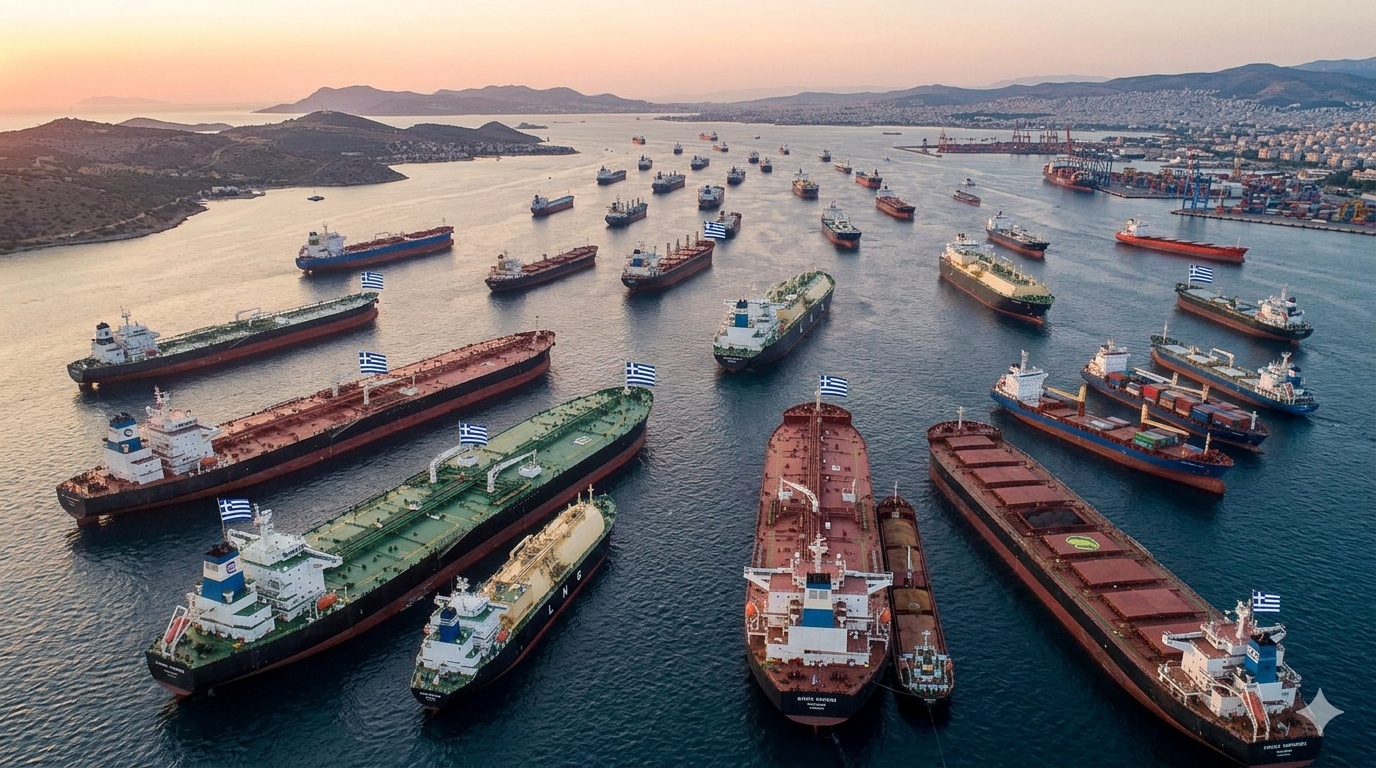
Neither the USA nor China: a small European nation has become one of the largest maritime powers on the planet, controlling one of the largest merchant fleets in the world with thousands of ships and dominating the global transportation of oil and strategic cargo.
-
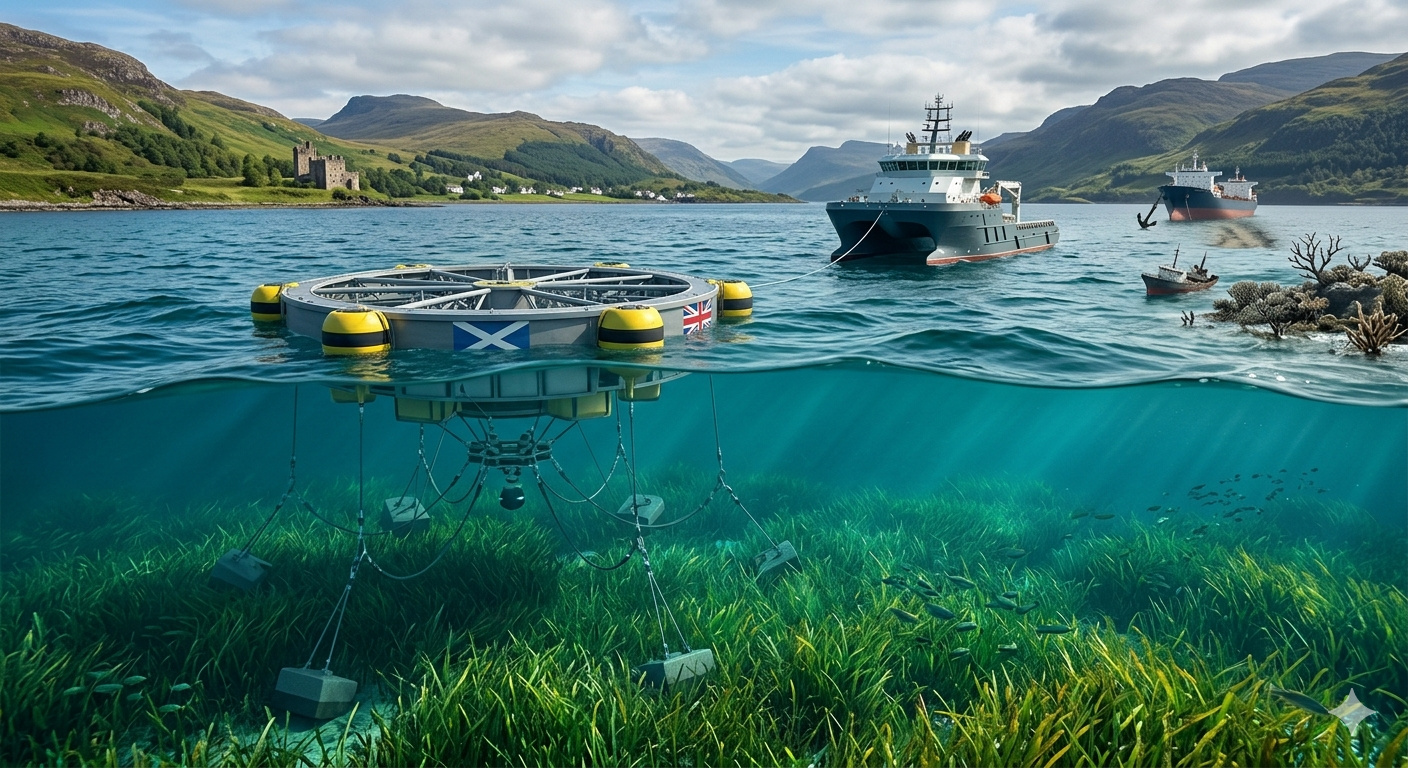
Scotland and the United Kingdom have created a new anchoring system that floats in the water without touching the seabed, after discovering that the current from a conventional anchor destroys up to 50 m² of seagrass meadow per event and that ship-damaged reefs showed no signs of recovery even ten years later.
-
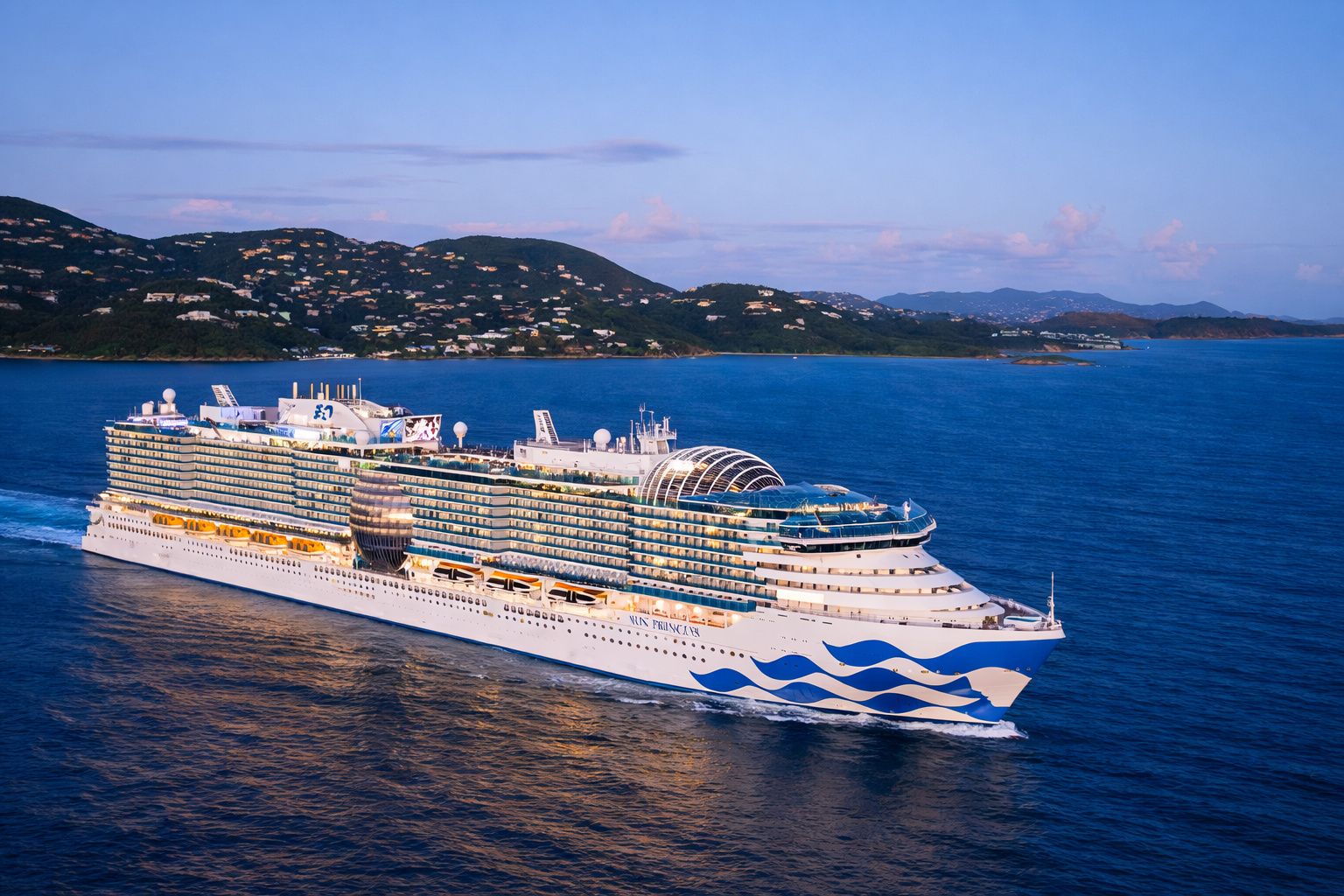
Weighing 175,500 Tons, Measuring 345 Meters Long, and With Capacity for Over 4,300 Passengers, the Sun Princess Becomes the Largest Ship Ever Built by Princess Cruises and Attracts Global Attention for Its Huge Glass Dome Inspired by Santorini’s Architecture Installed on Top of the Vessel
-
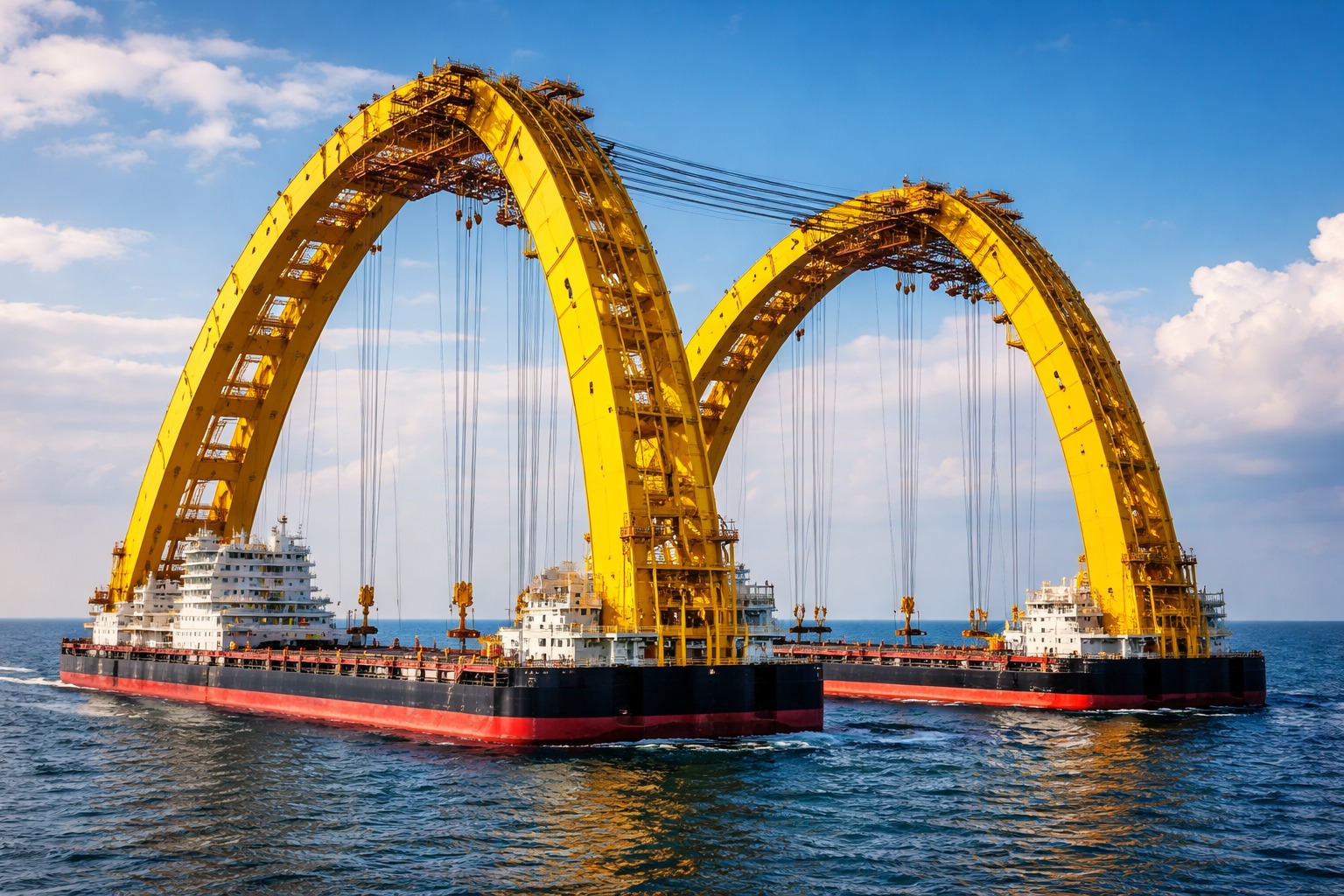
TX-10, The Colossus of The Sea: Largest Lifter Ship in The U.S., With Two Giant Barges, 73-Meter Tall Structure, and Strength to Raise 7,500 Tons of Sunken Oil Rigs

At the time, they were using a decommissioned submarine from the United States Navy, but faced a critical problem: the constant movement compromised the accuracy of the data.


Fisher proposed a radical solution: to create a long, thin structure that, when positioned vertically in the ocean, would remain practically motionless. Spiess supported the idea and encouraged the development of the concept.
The first model was made using a Louisville Slugger baseball bat, which demonstrated the feasibility of the proposal. The project received funding from the Office of Naval Research and support from the company Glosten and Associates.
This simple solution gave rise to one of the most innovative structures ever created for scientific research at sea.
Construction of the FLIP ship: 108 meters long and tower-shaped engineering
The FLIP was built in just six months at the Gunderson Brothers shipyard in Portland, Oregon, at an approximate cost of $600,000. It was launched on June 22, 1962.

The platform is 108 meters long and displaces about 700 tons. Its structure is divided into two main parts:
- A long tubular section called the “cable”
- A wider section called the “shell”
The hull was built with high-strength Tri-ten steel, designed to withstand extreme stresses during the transition between positions.
In the horizontal position, the vessel appears disproportionate. In the vertical position, it takes the shape of a floating tower — a feature that often led observers to believe they were witnessing a shipwreck.
Operation of the FLIP: how the platform rotates 90 degrees in 28 minutes
The rotation process of the FLIP is based on ballast control. Upon reaching the operating point, operators pump about 700 tons of seawater into tanks located at the tubular end.
Simultaneously, compressed air is injected at the opposite end. This mass imbalance causes the structure to rotate slowly.
The entire process takes about 28 minutes, with the final minutes occurring more quickly and noticeably. During this period, the crew remains on the external deck while the interior completely reorganizes.
To return to the horizontal position, the system is reversed, with compressed air expelling water from the tanks. This mechanism makes the FLIP one of the few structures capable of completely altering its operational orientation in the ocean.

Internal engineering of the FLIP: environments that work in horizontal and vertical
The interior of the FLIP was designed to operate in two distinct orientations. This required unusual engineering solutions.
The rooms have double doors for use in both positions. Sinks are installed on different surfaces. Showers have heads angled at 90 degrees.
Beds, stoves, and toilets are mounted on gimbal systems that automatically rotate during the transition. Scientific instruments are positioned so that they only function correctly in the vertical position.
During rotation, the floor becomes a wall and vice versa, requiring constant adaptation from the crew. This internal configuration makes the FLIP one of the most complex habitable structures ever designed.
Stability of the FLIP: floating tower with 91 meters submerged reduces wave impact
When in the vertical position, the FLIP operates as a spar buoy-type structure, with most of its mass submerged.
This allows the platform to remain below the influence zone of surface waves. A 9-meter wave causes only about 1 meter of oscillation.
The FLIP was designed to operate in waves up to 9 meters but has withstood conditions exceeding 24 meters without structural damage. It could operate in depths greater than 3,600 meters, anchored or drifting, depending on the mission.

This extreme stability was the main differentiator that made the FLIP essential for high-precision ocean research.
Engine-less system of the FLIP ensures accurate acoustic measurements in the ocean
The FLIP had no engine by engineering decision. Mechanical vibrations would interfere with the acoustic measurements taken on board.
The platform operated with hydrophones, sonars, pressure and temperature sensors, as well as highly sensitive meteorological instruments. Power was supplied by two 150 kW diesel generators mounted on pivots, along with a 40 kW emergency generator.
The absence of propulsion ensured an extremely quiet environment, essential for accurate scientific data collection.
Scientific use of the FLIP: from military design to global ocean laboratory
Initially conceived for the U.S. Navy’s anti-submarine program SUBROC, the FLIP quickly became a multifunctional scientific platform.
Over six decades, it was used for studies of:
- Wave dynamics
- Water temperature and density
- Sound propagation in the ocean
- Ocean turbulence
- Thermal structure of marine layers
- Behavior of marine mammals
The versatility of the FLIP solidified its importance in various areas of oceanography. The FLIP had a reverse osmosis system capable of producing about 117 liters of fresh water per hour, with a total storage of 5,600 liters.
This allowed continuous operation for up to 30 days without resupply. The onboard routine involved scientific work at high elevation, with access via steep stairs and narrow walkways. The operation required physical fitness and adaptation to a highly unusual environment.
Decommissioning of the FLIP in 2023 ends six decades of ocean research
Throughout its lifespan, the FLIP participated in over 300 missions, primarily in the Pacific Ocean, but also in the Atlantic.
The COVID-19 pandemic impacted funding and reduced the frequency of missions. In 2023, it was estimated that about $8 million would be needed to keep the platform active.
On August 3, 2023, the FLIP was towed for the last time, destined for a scrapyard in Mexico. The end of the FLIP marked the conclusion of one of the most singular projects in the history of ocean science.
The appearance of the FLIP in the vertical position often caused confusion. Ships nearby reported to the Coast Guard the presence of a vessel apparently sinking.
The structure, with its bow pointing to the sky and body submerged, looked like a ship in collapse. For researchers, however, it was a normal operation.
FLIP never replicated and remains unique in the history of naval engineering
Despite its effectiveness, the FLIP has never been reproduced by any other institution, navy, or university.
During its 61 years of existence, it remained a unique structure, capable of operating both horizontally and vertically, with adaptable internal systems and unparalleled stability.
Even after its decommissioning, the concept remains unmatched in the world, solidifying the FLIP as one of the most extraordinary creations of modern naval engineering.










Seja o primeiro a reagir!