





 Portuguese
  English
  Spanish
  5 min of reading
  0 comments


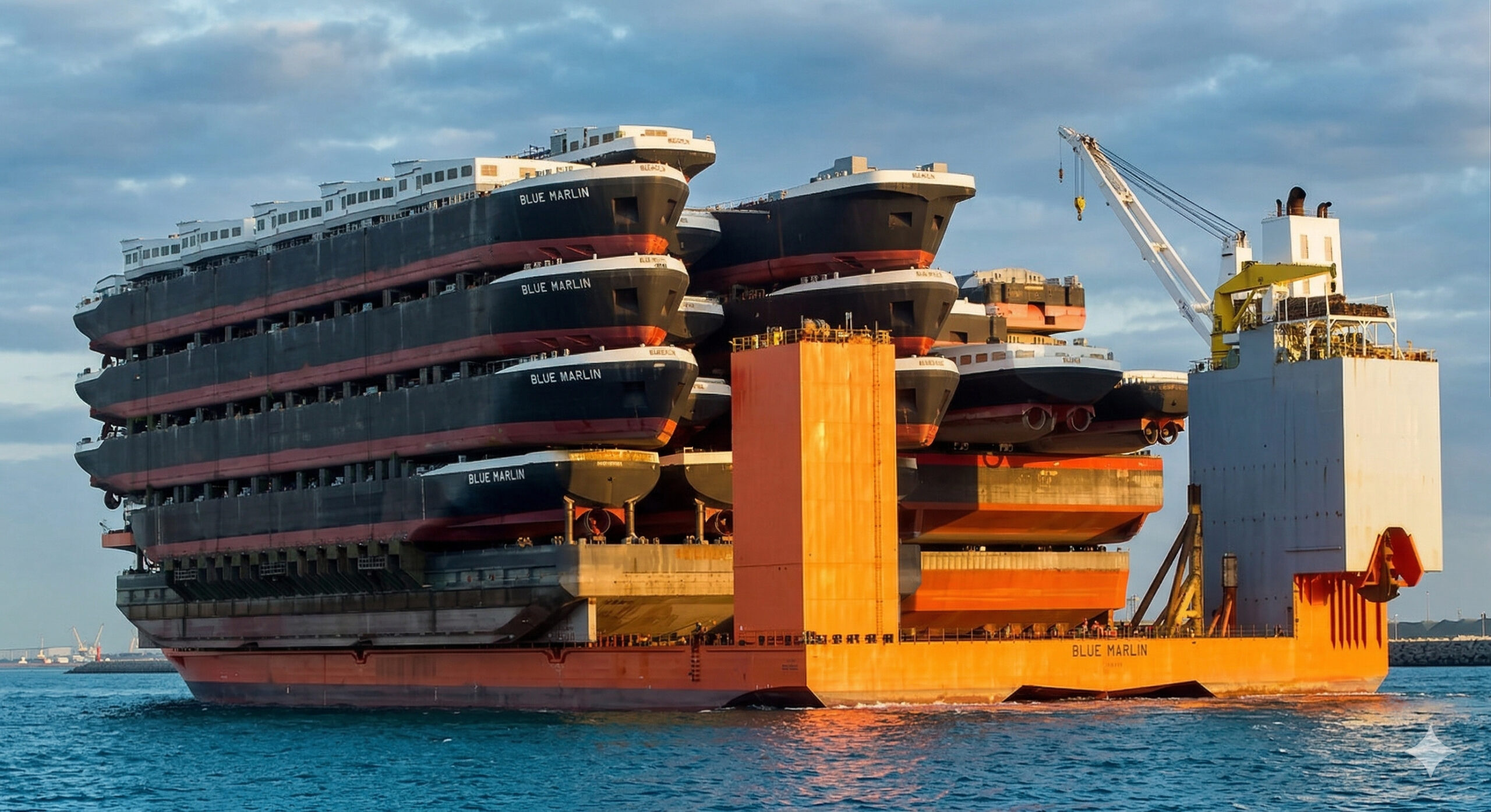
Blue Marlin submerges the deck to 28 meters to carry up to 76 thousand tons, including warships and giant offshore platforms
The MV Blue Marlin is one of the most impressive ships ever built for heavy maritime transport, operated by the company Boskalis. With a length of 225 meters, a width of 63 meters, and a capacity of up to 76 thousand tons, the semi-submersible vessel has become a global reference for transporting structures that no other logistics system can move. According to the technical sheet from Boskalis, the Blue Marlin has a system that allows the deck to submerge up to 28 meters below the surface, enabling giant loads to float above it before being lifted back above water. This technology has completely transformed offshore and military logistics, allowing the transport of oil platforms, destroyers, and strategic structures on a global scale.
How the semi-submersible ship Blue Marlin works and its ballasting system
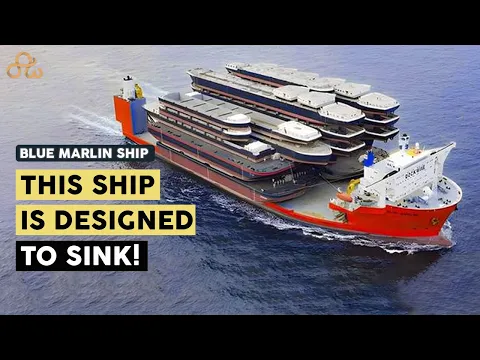
The operation of the Blue Marlin is based on a highly controlled ballasting system. Internal tanks are flooded with seawater, causing the main deck — an area of 178 meters by 63 meters — to descend below the surface.
At this moment, the load, already floating, is positioned over the deck by tugboats. After alignment, four pumps with a capacity of 3,300 cubic meters per hour empty the tanks, raising the ship again.
-
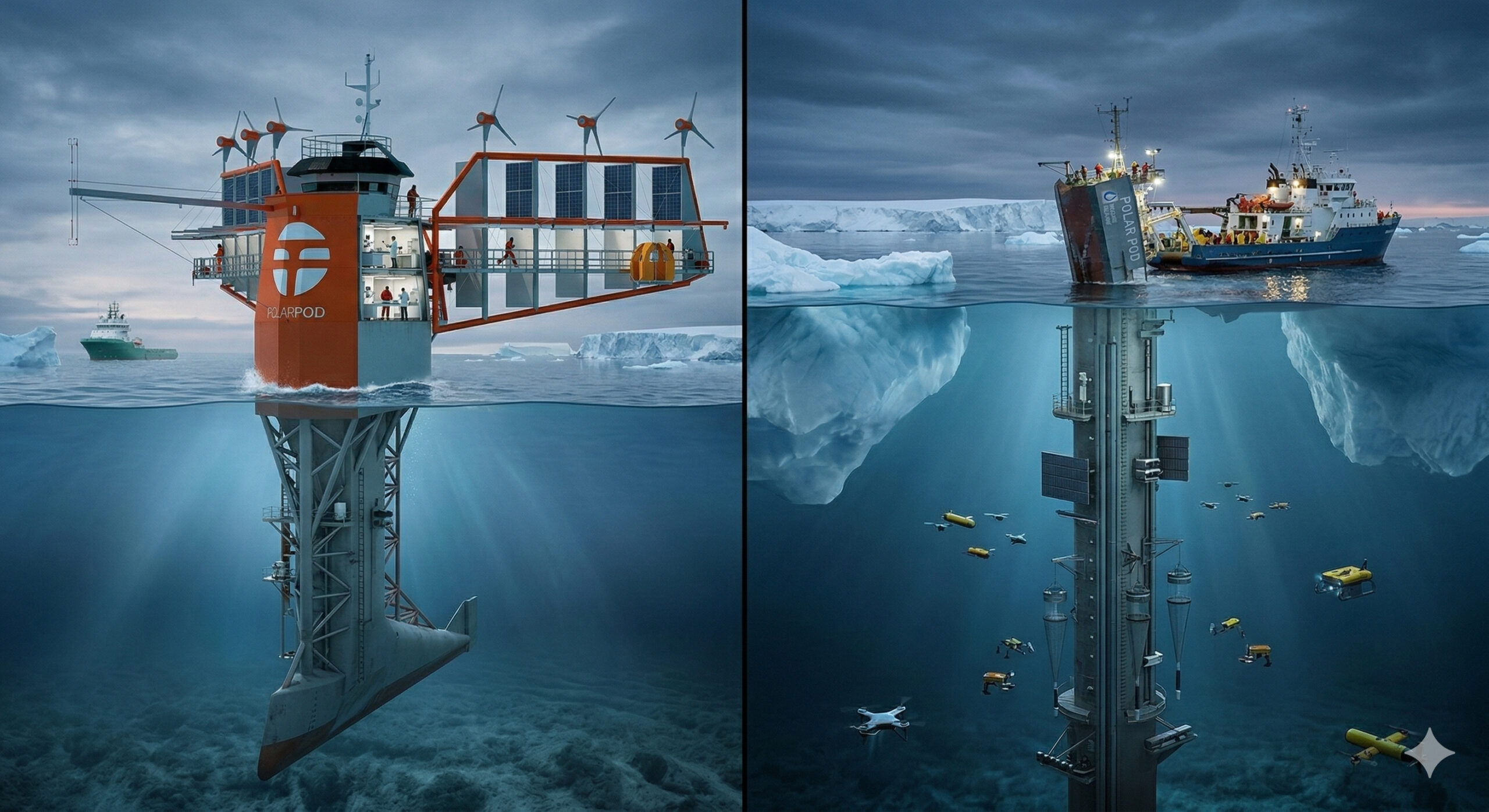
A 100-meter platform without a motor, without a keel, and operating upside down rotates 90 degrees in the ocean, sinks 75 meters, and drifts around Antarctica for two years driven by the planet’s most powerful current to study the largest carbon sink on Earth, still poorly understood by science for accurate climate modeling.
-
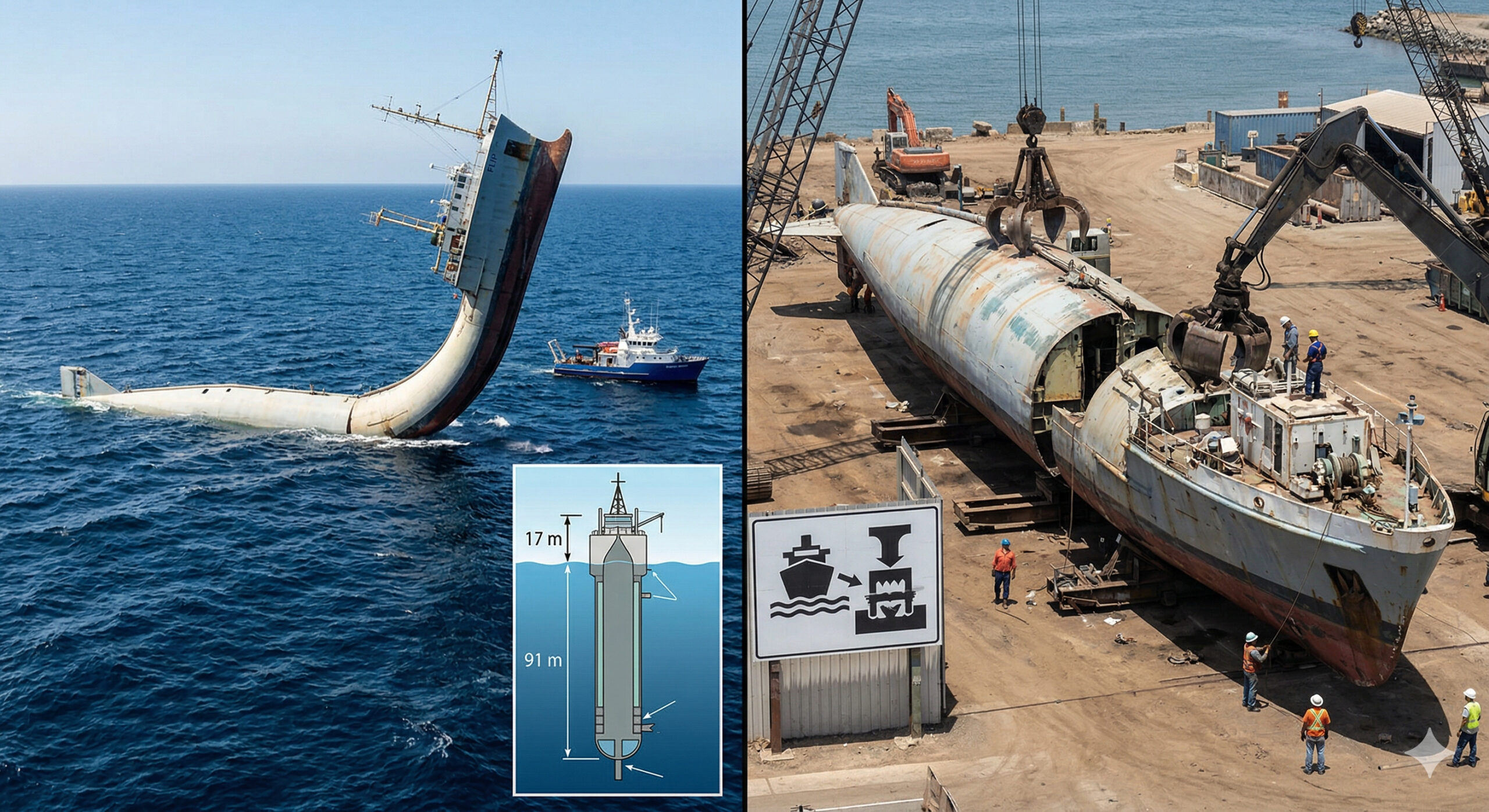
With a length of 108 meters and a giant spoon shape, the FLIP was the only ship in the world capable of rotating 90 degrees in the ocean and remaining vertical, with 91 meters submerged, operating for 60 years until it was retired and sent to the scrapyard in 2023.
-
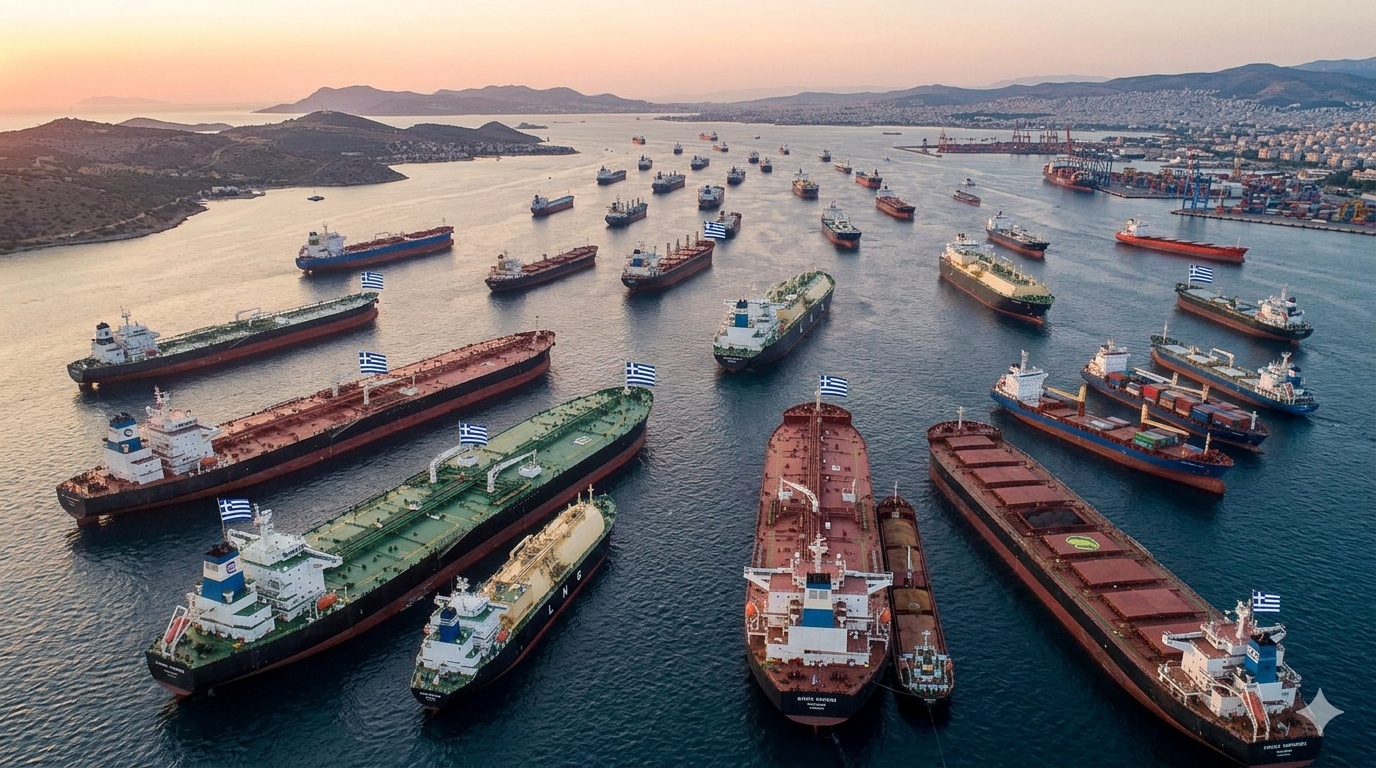
Neither the USA nor China: a small European nation has become one of the largest maritime powers on the planet, controlling one of the largest merchant fleets in the world with thousands of ships and dominating the global transportation of oil and strategic cargo.
-
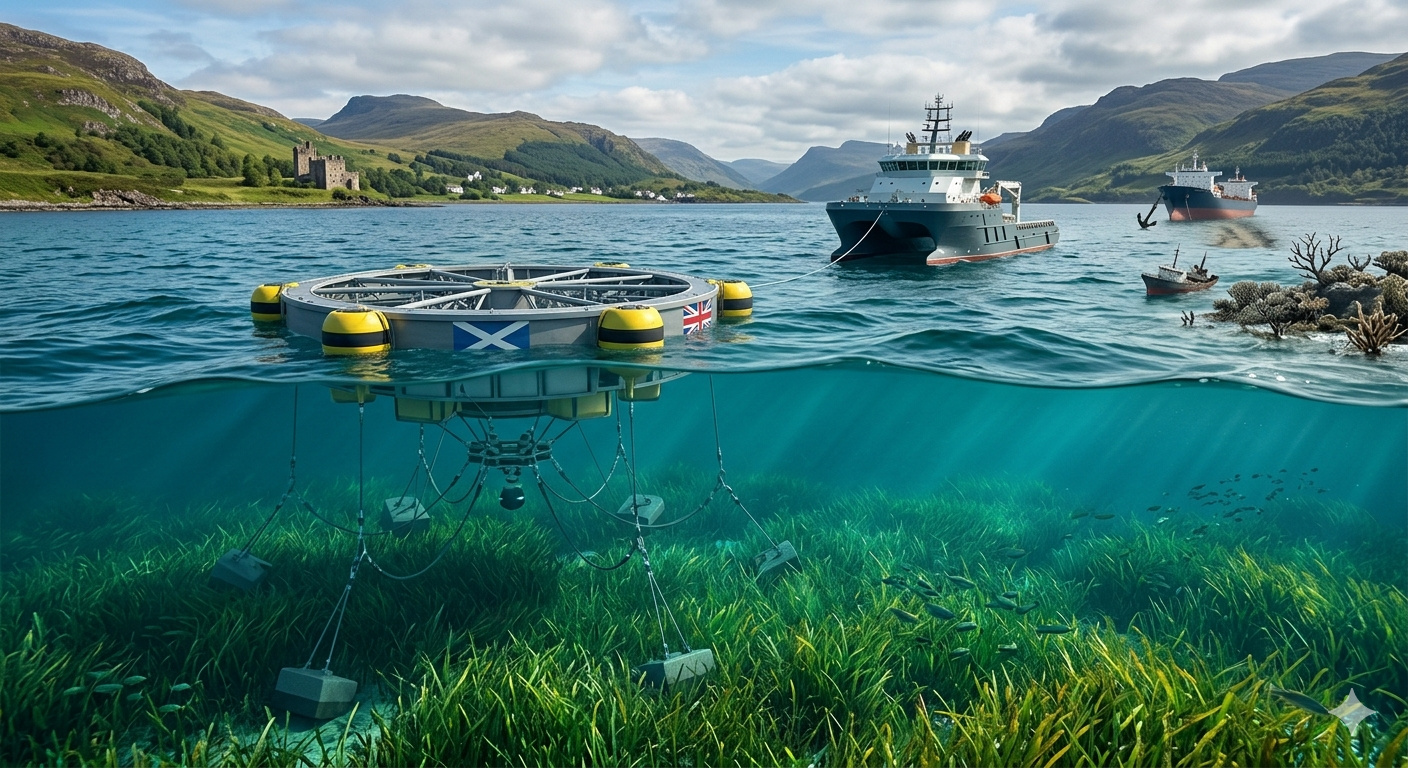
Scotland and the United Kingdom have created a new anchoring system that floats in the water without touching the seabed, after discovering that the current from a conventional anchor destroys up to 50 m² of seagrass meadow per event and that ship-damaged reefs showed no signs of recovery even ten years later.

The result is a unique operation in the world: the ship sinks to load and emerges to transport, eliminating the need for giant cranes or complex port infrastructure.
Transport of the USS Cole: war destroyer was carried over the deck of the Blue Marlin
In October 2000, the destroyer USS Cole suffered an attack in the port of Aden, Yemen, resulting in a 12-meter hole in the hull and the death of 17 sailors.
Without navigation capability, the ship was transported by the Blue Marlin. The deck was submerged in deep waters, the destroyer was positioned and secured, and the vessel traveled over 10,000 nautical miles to the United States.

The operation avoided the Suez Canal for security reasons and ended at the Ingalls Shipbuilding yard, where the ship was rebuilt. This episode solidified the Blue Marlin as one of the most critical solutions for emergency military logistics.
Thunder Horse Platform: 60 thousand ton structure crossed the ocean on the deck
In 2004, the Blue Marlin transported the Thunder Horse PDQ platform from BP, considered at the time the largest offshore structure ever moved by a ship.
Weighing about 60 thousand tons, the platform was taken from South Korea to Texas. The image of the ship carrying an entire platform became a symbol of modern maritime engineering. The operation established a historic milestone in the transport of large-scale cargo across the ocean.
SBX-1 Missile Defense Radar: 18 thousand ton structure crossed 15 thousand miles
In 2005, the Blue Marlin transported the SBX-1 missile defense radar, an 18 thousand ton structure, from the United States to Alaska.
The route included passage through South America and a stop in Pearl Harbor. The operation demonstrated the ship’s ability to transport strategic defense equipment over long distances.
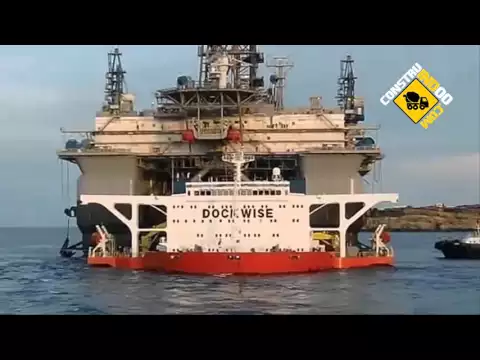
The image of the radar on the deck reinforced the unique capability of the Blue Marlin to transport structures larger than the ship itself.
In addition to military operations, the Blue Marlin also transported a complete gas refinery from the Snøhvit project from Spain to Norway in just 11 days. In 2012, it transported the hull of the warship HMAS Canberra from Spain to Australia, demonstrating its ability to move incomplete vessels between continents.
This versatility positions the ship as a key player in the global naval and energy industry.
Pirate attack and citadel system enhance the security of the Blue Marlin ship
In 2019, the Blue Marlin was targeted by pirates off the coast of Africa. The crew took refuge in an internal armored citadel designed to withstand armed attacks.
Even under gunfire, the invaders could not access the crew. The system includes independent communication and life support.
This episode highlights that heavy cargo ships operate in high-risk zones and require advanced security protocols.
Dimensions of the Blue Marlin: 178-meter deck and capacity of 76 thousand tons
The deck has over 11 thousand square meters of area, equivalent to almost two football fields side by side. The absence of obstacles allows for accommodating loads of different shapes and centers of gravity. There are no main cranes on board — the entire operation relies on controlled submersion.
This configuration transforms the deck into a universal platform for transporting giant structures.

The Blue Marlin operates with about 24 crew members and can accommodate up to 60 people. It has diesel engines with about 17 thousand horsepower.
After modernization between 2003 and 2004, it received azimuth thrusters, increasing its maneuverability in ports. The maximum speed is about 13 knots, which requires detailed planning for each operation.
In addition to military and offshore cargo, the ship has simultaneously transported 22 barges from South Korea to Europe. Each unit weighed about 3 thousand tons, demonstrating its industrial-scale transport capability.
Operational flexibility is one of the main competitive advantages of the Blue Marlin in the global market.
Blue Marlin and the evolution of naval engineering in the transport of giant structures
Built in 2000 at the CSBC shipyard in Taiwan, the Blue Marlin is part of the Marlin class of semi-submersible ships.
Although it has been surpassed by the Dockwise Vanguard in capacity, it continues to be widely used in complex operations.

The ship has redefined the limits of maritime engineering by transforming impossible operations into routine logistical processes.
The Blue Marlin has consolidated a concept that seemed unfeasible: submerging to load giant structures and emerging to transport them safely. Over more than two decades, it has become a key player in the naval, energy, and military industries.
More than just a ship, the Blue Marlin represents a structural shift in how the world moves extreme-scale cargo across the oceans.








Seja o primeiro a reagir!