





 English
  Francês
  Alemão
  Italiano
  Japonês
  Norueguês
  Portuguese
  Spanish
  3 min of reading
  0 comments


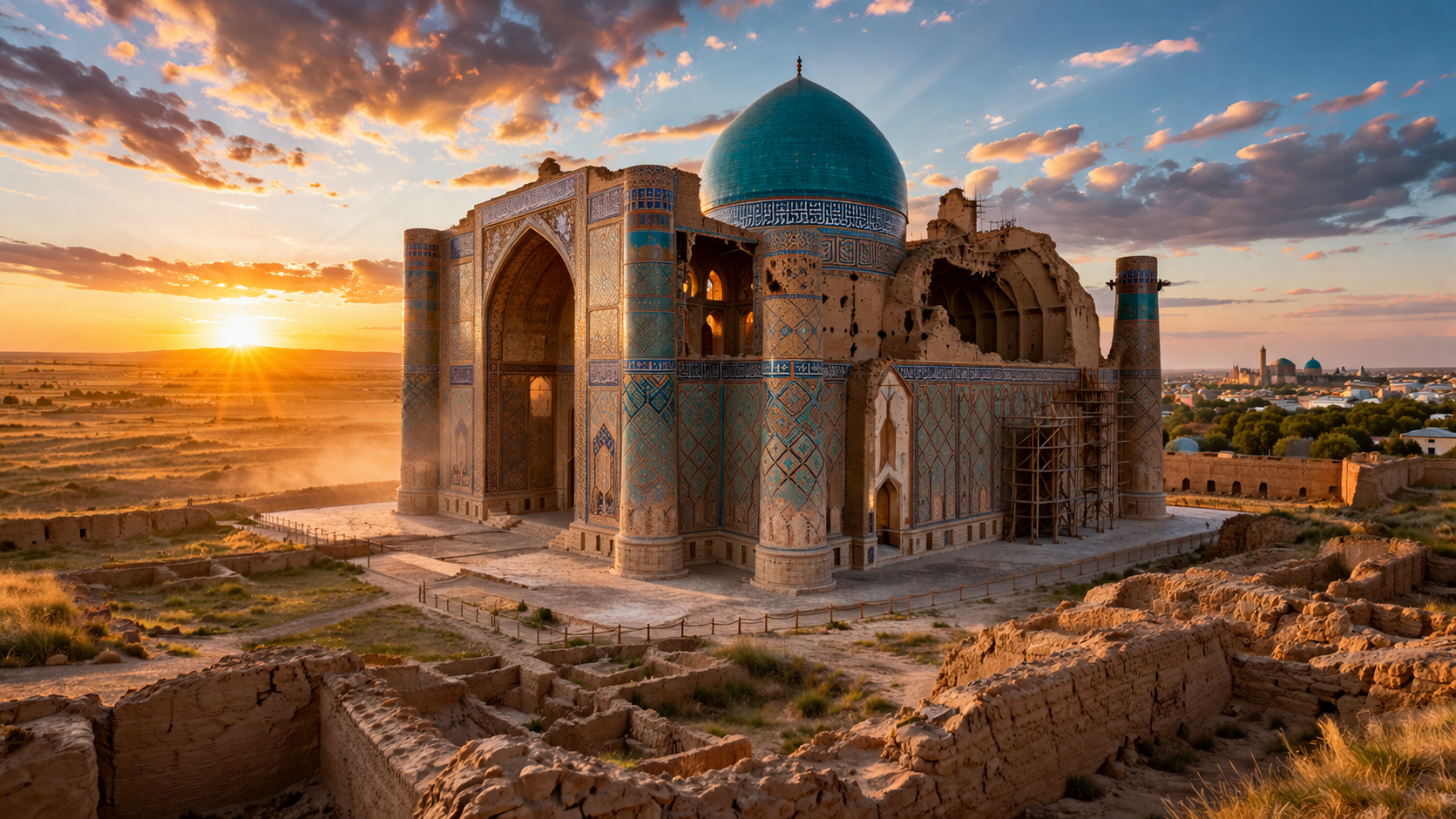
Unfinished monumental construction reveals unique details of the Mausoleum of Khoja Ahmed Yasawi and its historical importance in Central Asia
The Mausoleum of Khoja Ahmed Yasawi impresses with its size and the history that spans centuries. Located in Turkestan, in southern Kazakhstan, the monument was erected by order of Timur, one of the most influential rulers of Central Asia.
Construction began in 1389 and continued until 1405, when it was interrupted after Timur’s death. Even though it was not completed, the building became one of the best-preserved examples of architecture from that period.
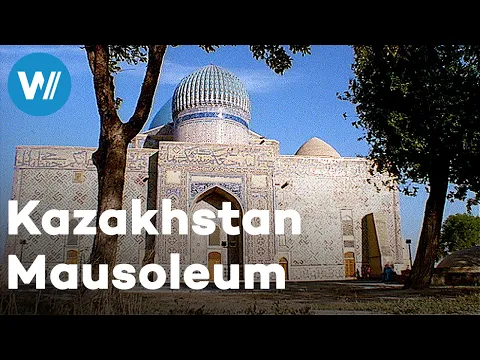

The information was released by the UNESCO World Heritage Centre, an international organization dedicated to global cultural preservation, which recognizes the historical and architectural value of the site.
-
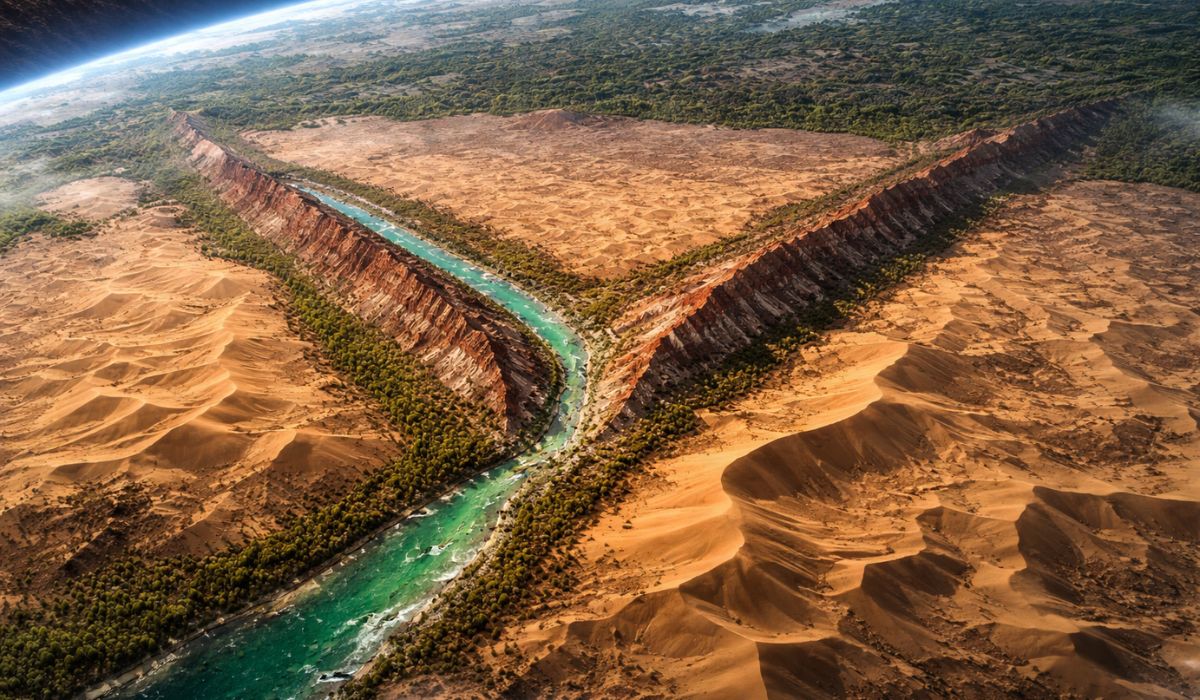
Seen from space, a colossal ‘Y’ cuts through the largest desert in China, blending a jade-filled river, red and white mountains, and revealing the absurd scale of the transformation of the Taklamakan surrounded by a green wall with billions of trees.
-
The Pacific Ocean reveals what the cliffs of Big Sur have hidden for millennia: Pfeiffer Beach, in California, features swirling purple sand formed by garnet crystals and displays a stone arch that is illuminated by the sun in winter for just a few days each year.

-
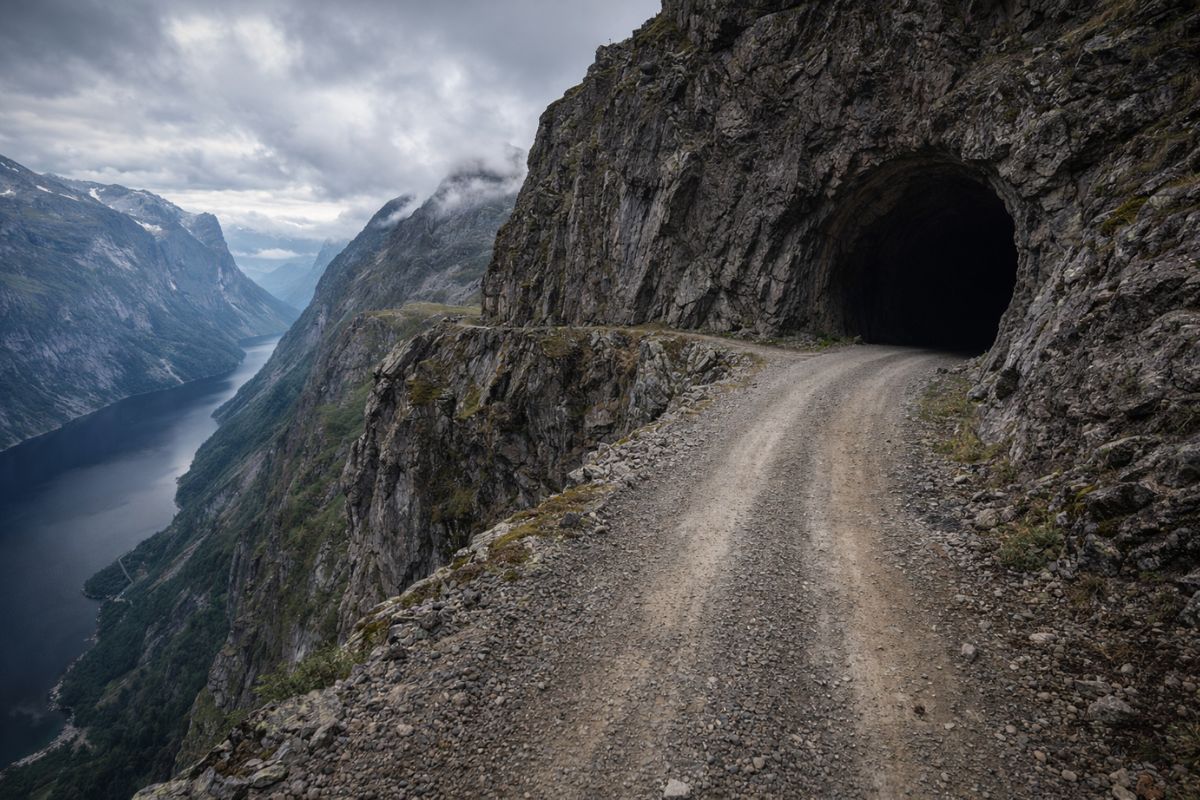
Aursjøvegen in Norway is a 100-kilometer gravel road that crosses chasms and dark tunnels carved into the rock at an altitude of 947 meters in the fjords and is only open for four months a year.
-
With about 4,000 m², the building constructed in a traditional neighborhood in France looks like a rainbow, has a colorful facade, mixes vibrant glass, and creates one of the most unusual visuals in Bordeaux.

Kazakhstan mausoleum honors influential religious leader
The monument was built to house the tomb of Khoja Ahmed Yasawi, a religious master from the 12th century who played an important role in the expansion of Islam in the region.
His influence was so significant that the site became a place of great spiritual meaning. Over time, the mausoleum began to attract attention not only for its religion but also for the history it represents.
In addition to serving as a burial site, the building also functioned as a prayer space, combining features of a mosque and mausoleum in a single structure.
Giant structure impresses with dimension and details
The Mausoleum of Kazakhstan has a rectangular shape and is about 38.7 meters high, being considered one of the largest of its time. The construction includes approximately 35 rooms, distributed with different functions.
The main dome is one of the most striking elements and is among the largest in Central Asia in this style. It covers the central hall, known as Kazandyk.
The interior and exterior are decorated with geometric patterns, religious inscriptions, and remnants of ancient paintings, showcasing the level of detail applied by the artisans.
Techniques used in the work influenced other constructions
During construction, Persian masters applied innovative solutions for the time. The use of domes, arches, and internal organization served as a model for other great works, especially in Samarkand.
Even unfinished, the mausoleum allows us to understand how construction techniques evolved over time. The structure serves as a historical record of the construction methods used during that period.
The UNESCO World Heritage Centre, an international organization dedicated to global cultural preservation, highlights that these characteristics helped in the development of Islamic architecture.
Site preserves remnants of an ancient medieval city
The mausoleum is located in an area where the ancient city of Yasi once existed. Today, the space is considered an important archaeological site, with preserved historical layers.
As there was no reconstruction at the site, the remnants remain intact, allowing studies on different phases of the city over time.
This enhances the importance of the monument, which represents not only an isolated construction but also an entire historical context surrounding it.
State of conservation maintains original characteristics
Despite having gone through periods of abandonment, the mausoleum retains a large part of its original structure. Architectural elements, materials, and decorative details remain preserved.
Unfinished parts, especially at the main entrance and in internal areas, help to show what the construction process was like at the time.
Currently, the site is protected by the government of Kazakhstan, which maintains actions aimed at preserving the monument.
The Mausoleum of Khoja Ahmed Yasawi remains one of the greatest historical symbols of Central Asia. Its importance encompasses architecture, religion, and the cultural formation of the region.
Even incomplete, the monument continues to attract attention for its grandeur and for revealing details about ancient techniques that still spark interest.
Did you enjoy this historical discovery? Share it with others and leave your comment about this impressive monument.







Seja o primeiro a reagir!