





 English
  Francês
  Alemão
  Italiano
  Japonês
  Norueguês
  Portuguese
  Spanish
  2 min of reading
  0 comments


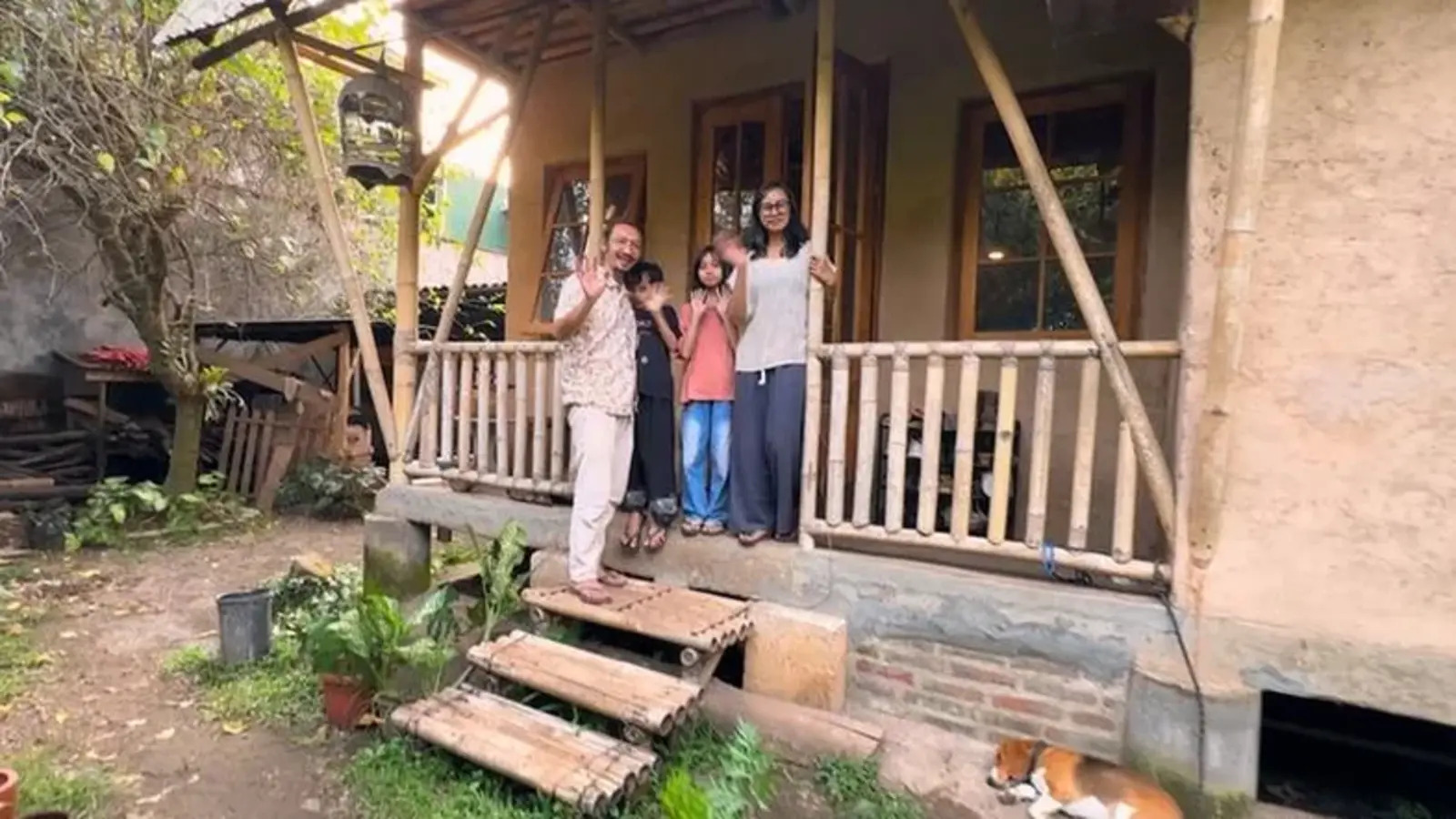
In Indonesia, Misbah Dwiyanto built a mud house with just over 460 dollars in materials, reducing costs by 40% and highlighting thermal, acoustic, seismic, and environmental advantages over conventional construction
Amid rising construction costs, Indonesian expert Misbah Dwiyanto erected a mud house using earth, bamboo, straw, and lime for just over 460 dollars, a 40% lower expenditure than the market standard and significant for combining economy, technical performance, and lower environmental impact.
Dwiyanto reported having invested the equivalent of just over 460 dollars in all the materials used in the construction.
According to him, the final cost of the mud house was about 40% below what is required for a conventional building.
-
Rodrigo de Freitas Lagoon advances in environmental recovery with sanitation, elimination of irregular sewage, and the resumption of water sports in Rio de Janeiro.

-
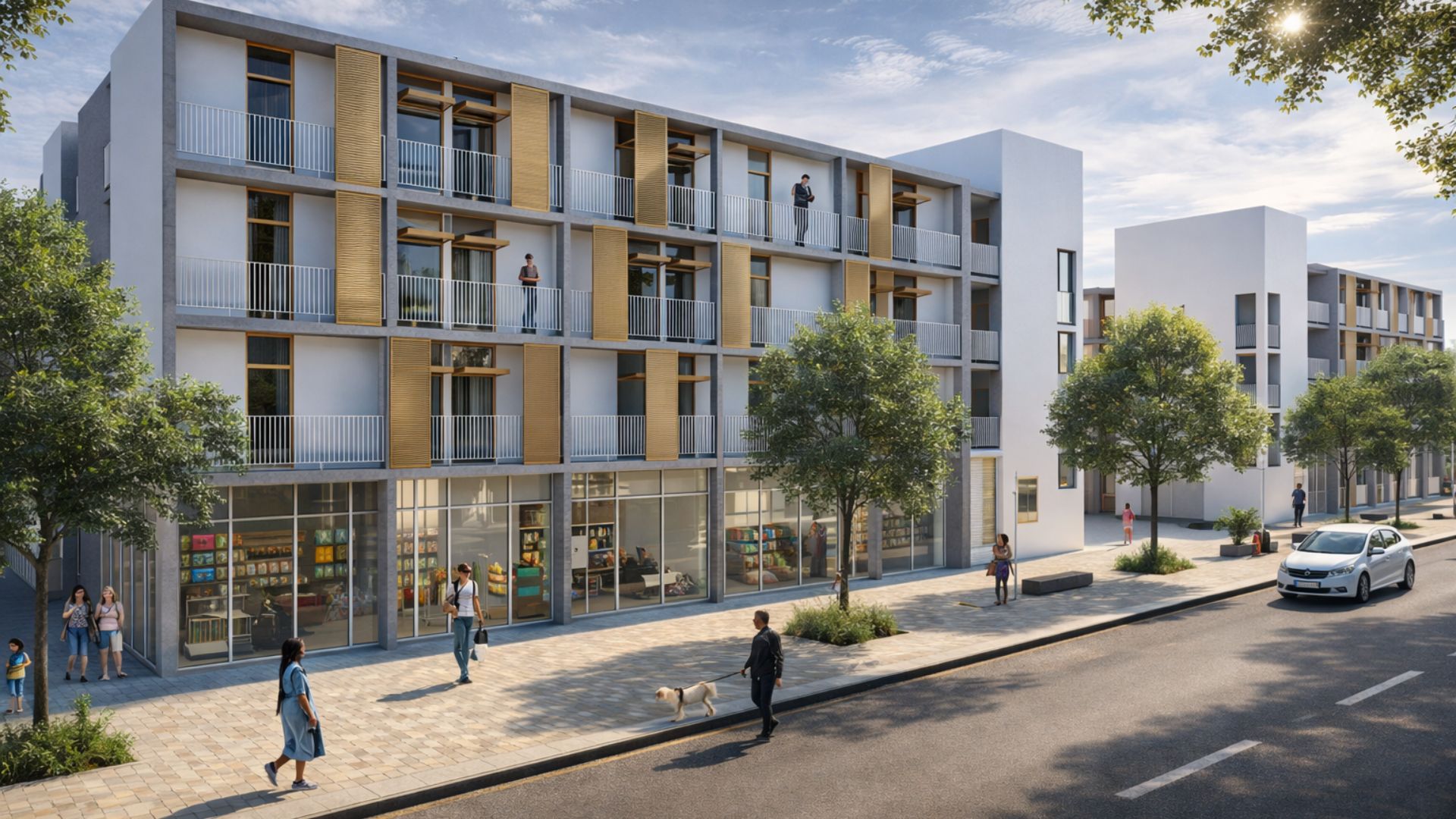
Sustainable housing gains strength with a nationally awarded project in Campo Grande, highlighting innovative solutions that combine sustainability, urban integration, and efficiency in the use of natural resources.
-
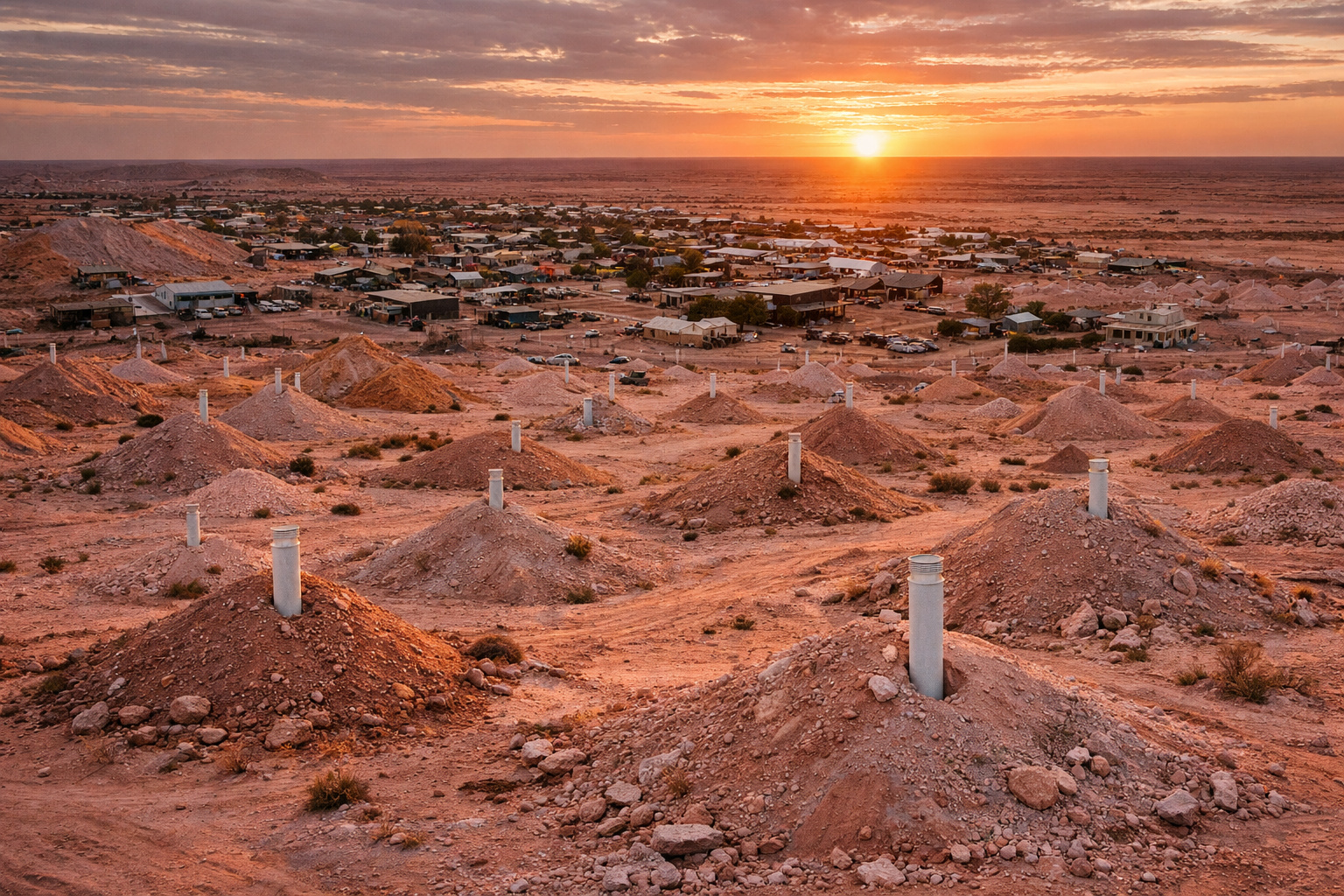
City Where Residents Live Underground to Escape 52°C May Be a Picture of the Future on an Increasingly Hot Planet
-
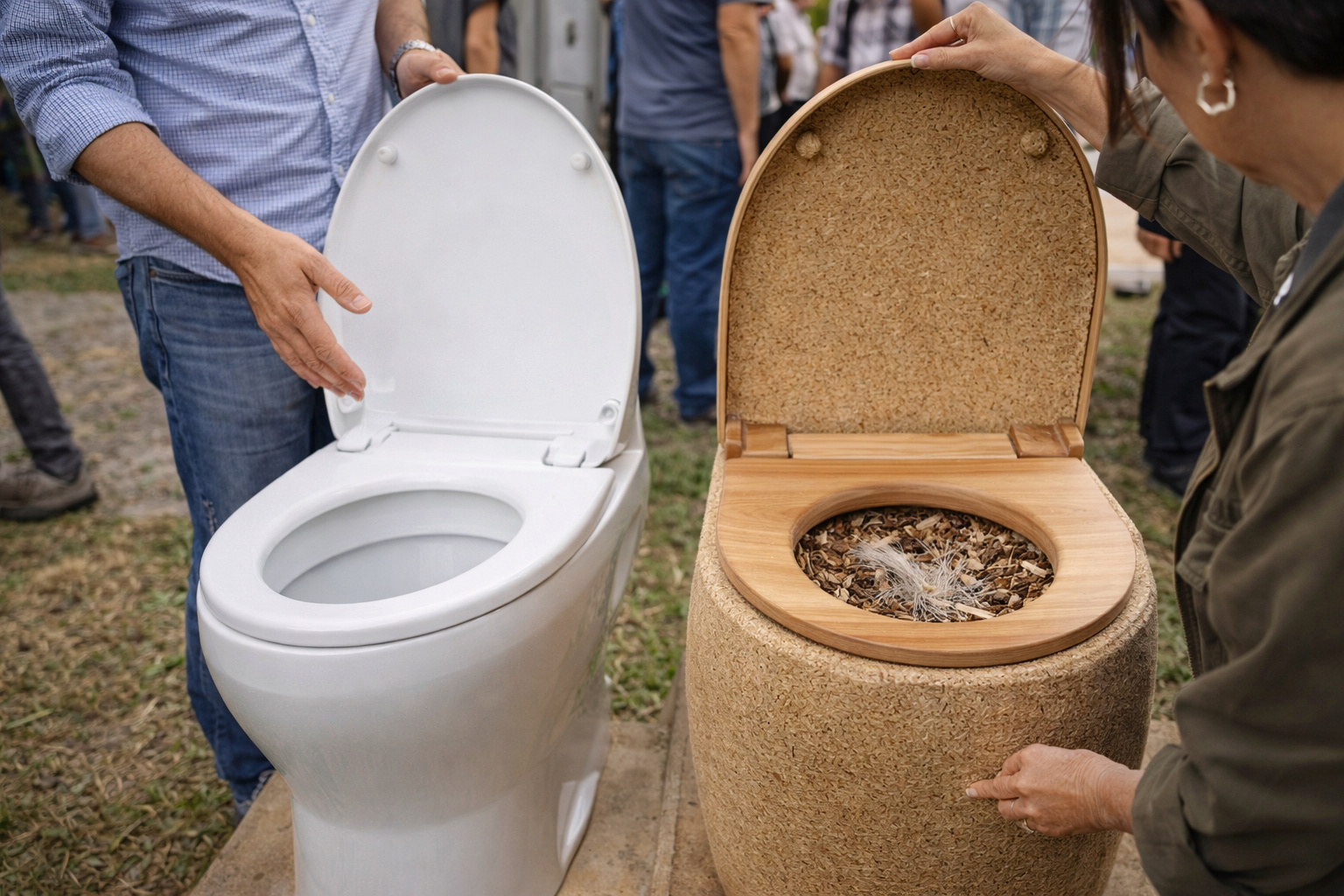
Brazilian Industries Accelerate Emission Cuts and Transform Sustainability Into Competitive Strategy, Boosting Energy Efficiency, Technological Innovation, and New Environmental Gains in the Economy




Prioritized materials
The structure was made with earth, bamboo, straw, and lime mortar. The use of cement and steel was minimized and restricted only to the foundation, a measure adopted to reduce the environmental impact of the residence built by him.
In addition to the savings, the mud house offers technical benefits considered superior in a tropical climate.
Among them are thermal comfort, natural acoustic insulation, and structural flexibility, which makes the construction more resistant to earthquakes.
These characteristics differentiate this type of housing from rigid cement houses. The composition of the materials allows for more favorable performance in both temperature control and noise reduction in the internal environment.
Longer construction time
Misbah Dwiyanto emphasized, however, that the cost reduction requires more time for execution. The artisanal process of molding and drying can take about twice as long as a conventional construction, which alters the pace of building.
The experience combined real savings, limited use of industrial inputs, and functional advantages.
With traditional materials and artisanal application, the mud house built by Dwiyanto presented itself as a robust, ecological, and cheaper alternative to common masonry, in practice.
With information from Istoé.








Seja o primeiro a reagir!