





 Portuguese
  English
  Spanish
  4 min of reading
  0 comments


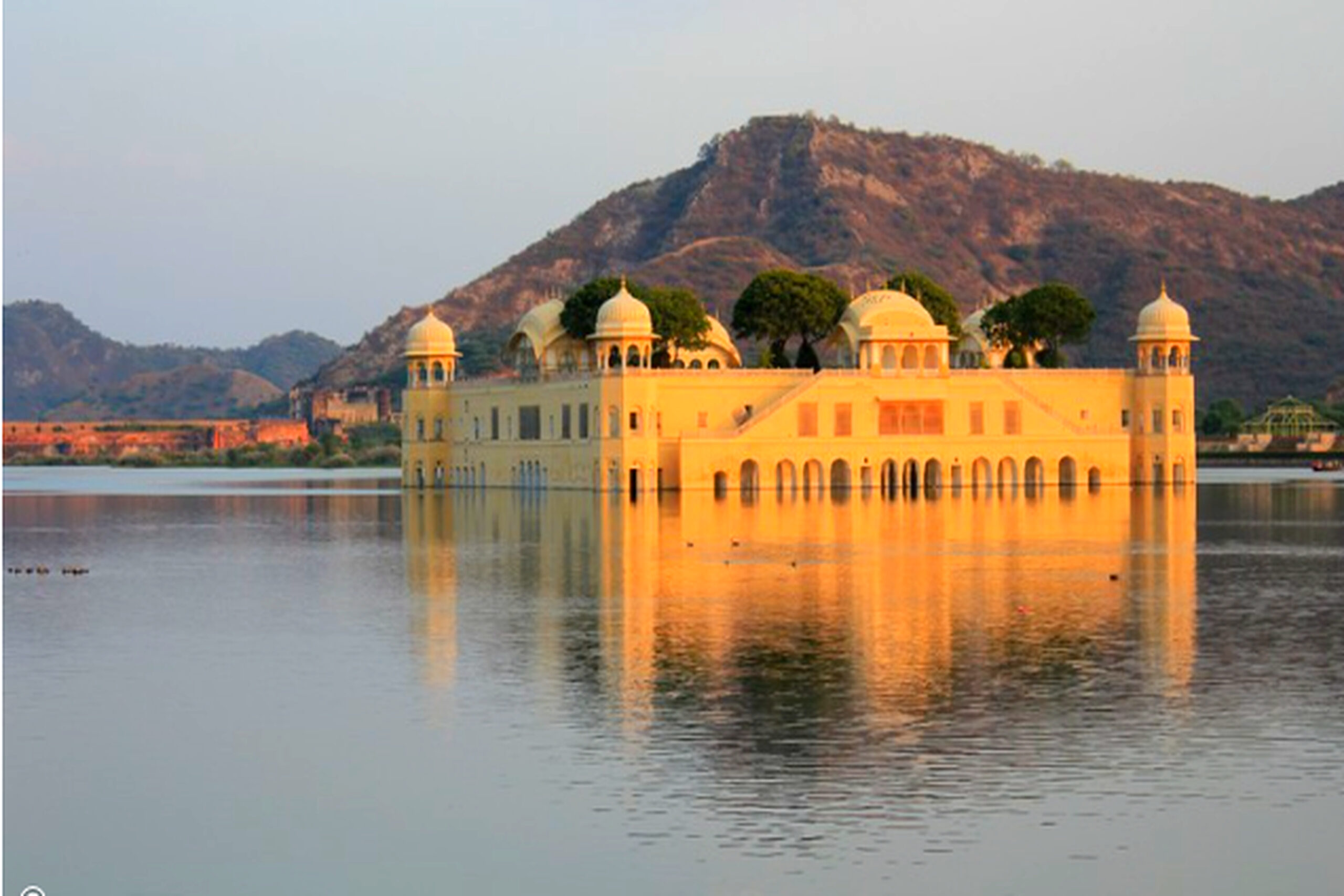
A building called Jal Mahal impresses with its hydraulic engineering, appears to float, and ancient construction made with marble, red sandstone, and limestone ensures strength and thermal comfort even when submerged
The Jal Mahal and its applied hydraulic engineering attract worldwide attention for combining historical architecture and technical solutions that still surprise today. Located in Jaipur, India, the palace appears to float on the lake but hides a complex structure designed to withstand water for centuries.
This example of hydraulic engineering and sustainable construction shows how ancient techniques managed to solve challenges that remain relevant today, such as moisture control, structural stability, and thermal comfort.
The result is one of the most intriguing projects in the history of engineering.
-
Brazilians are no longer welcome in these countries, even with valid passports.

-
Nothing from Switzerland or the USA: the first city in the world to reach the highest standard of quality of life is in Brazil.

-
Mega tsunami in Greenland causes Earth to vibrate for 9 days and reveals extreme effects of global warming that worry scientists worldwide.
-
Maria Branyas Morera lived to be 117 years old, eating three yogurts a day without developing cancer or dementia, and when scientists analyzed her DNA, they found a secret that no one expected: her biological clocks indicated an age two decades younger than her actual age.


Jal Mahal emerges as part of an urban engineering and water management project
The Jal Mahal was built on Man Sagar Lake, about 4 km from Jaipur, in an area that was originally a natural depression. This space was transformed into a reservoir in the 16th century with the construction of an earthen dam.


The work had a strategic function of water management in an arid region, ensuring water storage and environmental control. The palace was not born merely as a monument but as part of an integrated system between infrastructure and urban planning.
Britannica, the international reference encyclopedia, describes the historical context of Jaipur as one of the first examples of structured urban planning in India, reinforcing the role of the lake and architecture in the organization of the region.
Five-story palace maintains four submerged levels without compromising the structure
The highlight of the Jal Mahal and its hydraulic engineering lies in how the building was designed. The palace has five stories, with four being submerged when the lake reaches its maximum level.
This feature creates the illusion of a floating building, but in practice reveals a precise calculation of load distribution and resistance to water pressure. The symmetry of the construction allows hydrostatic forces to dissipate evenly.
The thick stone walls help keep the interior cooler, functioning as a natural passive cooling system, which is extremely efficient in hot climates.
Materials and techniques ensure durability even with constant contact with water
The construction of the Jal Mahal uses red sandstone, marble, and limestone, materials known for their strength and durability. Wood also appears in internal structures, treated to withstand humid environments.
The structure follows the model of direct load, in which walls and pillars support the weight without the use of modern reinforced concrete. Another relevant point is the use of the corbelling technique, which allows for stone cantilevers without the need for arches.
In the submerged levels, the use of lime mortar with natural additives acts as a hydraulic sealant. This traditional mixture helps prevent leaks and increase the lifespan of the construction.
Britannica, the international reference encyclopedia, also highlights the use of traditional Indian construction techniques that combine aesthetics and structural functionality.
Submerged foundation was designed to withstand water pressure and time
The base of the palace follows a robust model, with compacted fill, rubble, and wooden piles. This combination helps control settlement and deal with the buoyancy of water around the structure.
This type of foundation allows the building to remain stable even with variations in the lake level. The interaction between soil, water, and structure was carefully planned to avoid displacements and cracks.
The result is a system that balances weight, pressure, and resistance, keeping the palace intact even after centuries of continuous exposure to moisture.
Degradation and restoration show the importance of heritage engineering
Over time, the lake suffered from pollution and sediment accumulation, which directly affected the condition of the palace. The lack of maintenance intensified structural and environmental problems.
Between 2000 and 2010, a recovery project included dredging of the lake, structural reinforcement, and restoration with traditional materials. The intervention aimed to preserve the original characteristics without compromising the integrity of the construction.
This process highlighted the importance of restoration engineering, which requires compatibility between ancient techniques and modern solutions to ensure safety and historical authenticity.
Jal Mahal proves that ancient engineering still inspires modern solutions
The performance of the Jal Mahal and its hydraulic engineering demonstrates that solutions from the past remain relevant. The combination of natural materials, structural symmetry, and integration with the environment creates an efficient and sustainable model.
The construction has managed to withstand adverse conditions for over two centuries, including variations in water level and constant exposure to moisture. This reinforces the value of traditional techniques applied with precision.
Today, the palace remains a symbol of historical innovation and inspires modern projects that seek to intelligently integrate architecture and the environment.
The Jal Mahal continues to impress with its structural resilience and thermal efficiency, showing that well-executed engineering transcends generations.
And you, did you already know this example of hydraulic engineering that defies time? Leave your comment and share with those interested in construction and innovation.






Seja o primeiro a reagir!