





 Portuguese
  English
  Spanish
  5 min of reading
  0 comments


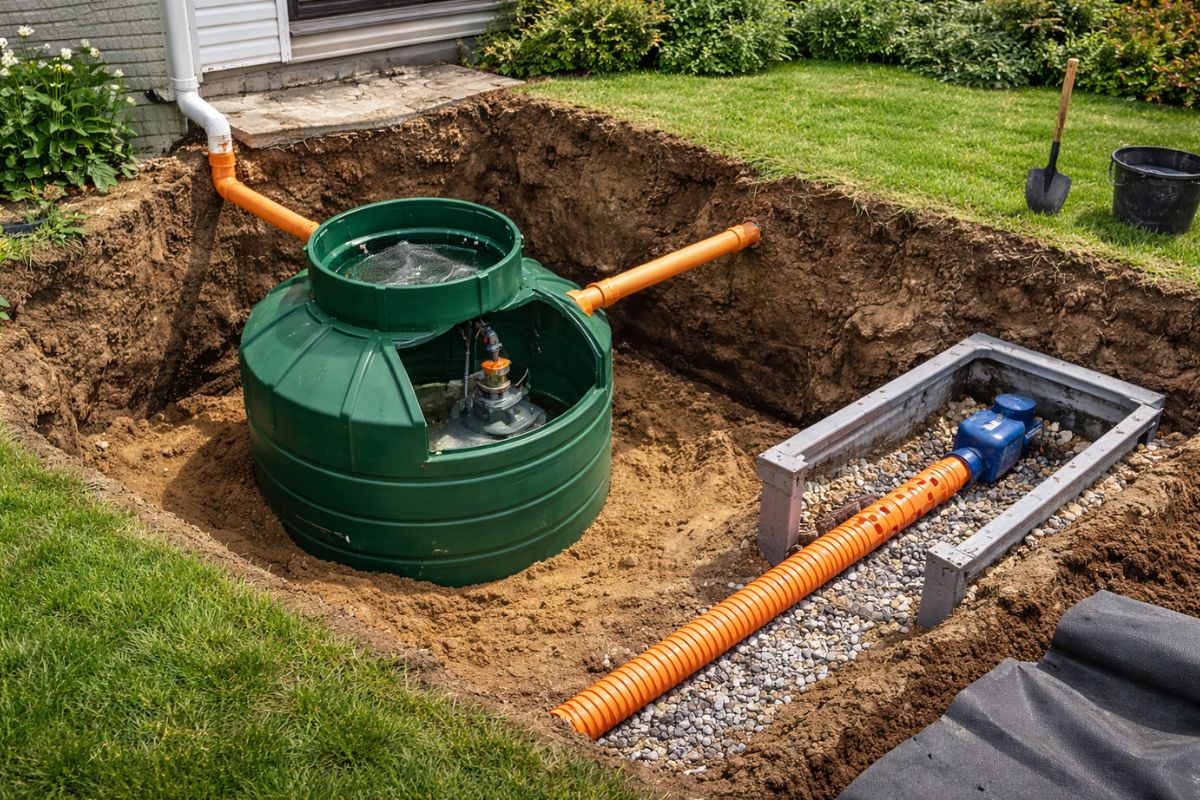
The underground cistern costs between R$ 3,000 and R$ 6,000 to build, captures rainwater for washing the yard, garage, and vehicles, reduces the monthly water bill, protects against rationing, and uses concrete rings with waterproofing and a submersible pump that costs between R$ 400 and R$ 900.
Water rationing affects various regions in Brazil and increases the cost of using the public network, but there is a solution that fits in the yard and the budget of most families. An underground cistern built with concrete rings, proper waterproofing, and a submersible pump solves the problem of heavy cleaning of garages, sidewalks, and vehicles without burdening the water bill, with a total investment ranging from R$ 3,000 to R$ 6,000. The return comes in the form of cheaper monthly bills and the security of having a water reserve during supply cuts.
In addition to the direct savings, the underground cistern increases the property’s value in the market. Having a functioning rainwater capture system demonstrates planned infrastructure and offers water security that buyers and tenants value. The construction is not complex for those who hire experienced professionals, and the materials can be found in any construction supply store. The investment pays off over the months in savings on the water bill and the peace of mind of never having to rely solely on the public network.
How much does it cost to excavate the land for the underground cistern
The first stage of the construction is drilling the soil to the exact size of the concrete rings that will form the structure of the underground cistern.
-
In France, there is a restaurant that prepares its main dish handmade, prioritizes local agriculture, and has become a culinary trend due to a food that Brazilians love.

-
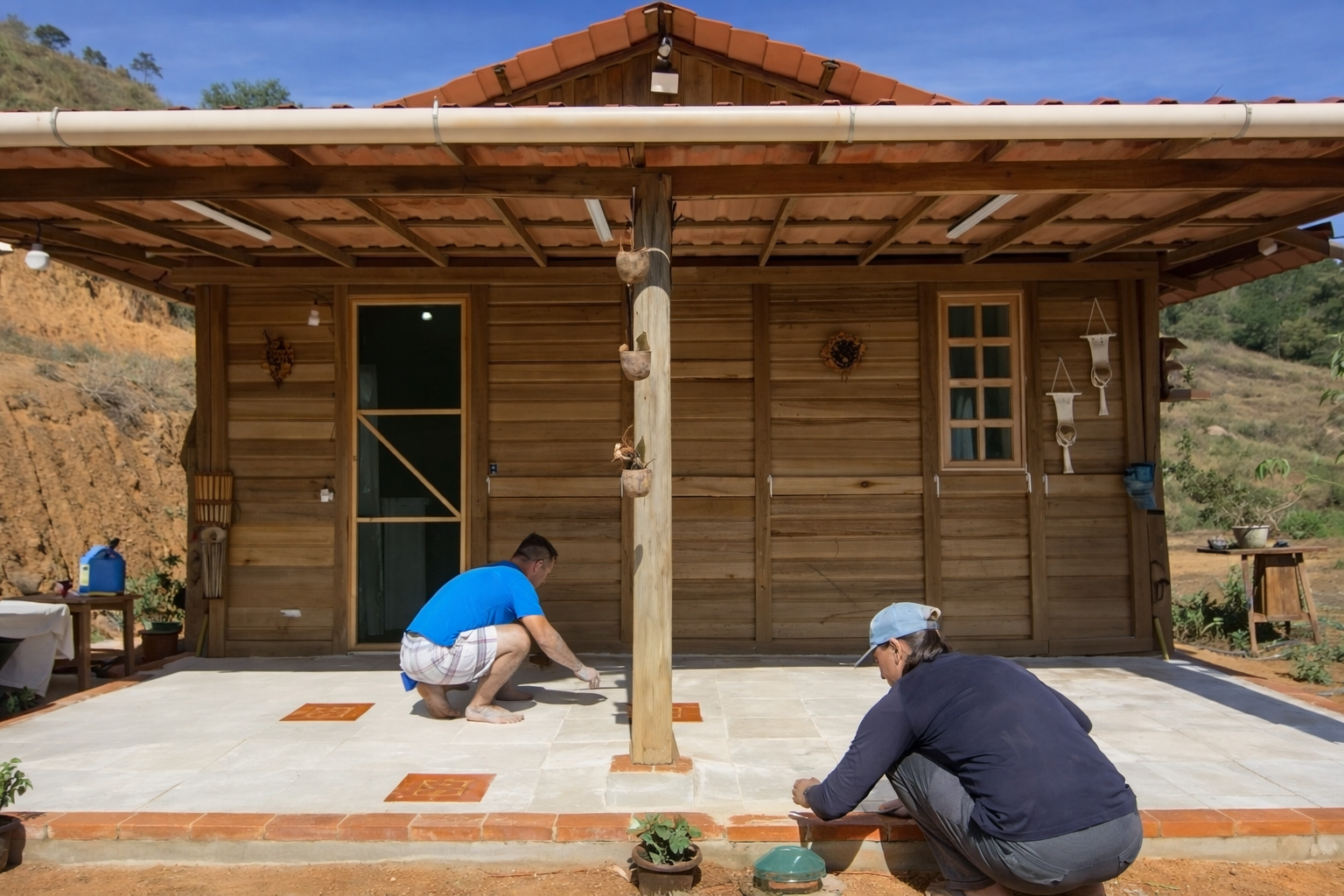
With a lot of talent and creativity, a couple builds a house completely from scratch, using ceramic tiles, a cement base to level the ground, wood for the flooring, ceiling, and entire structure, transforming the construction with slats that fit together and impressing with an impeccable result.
-
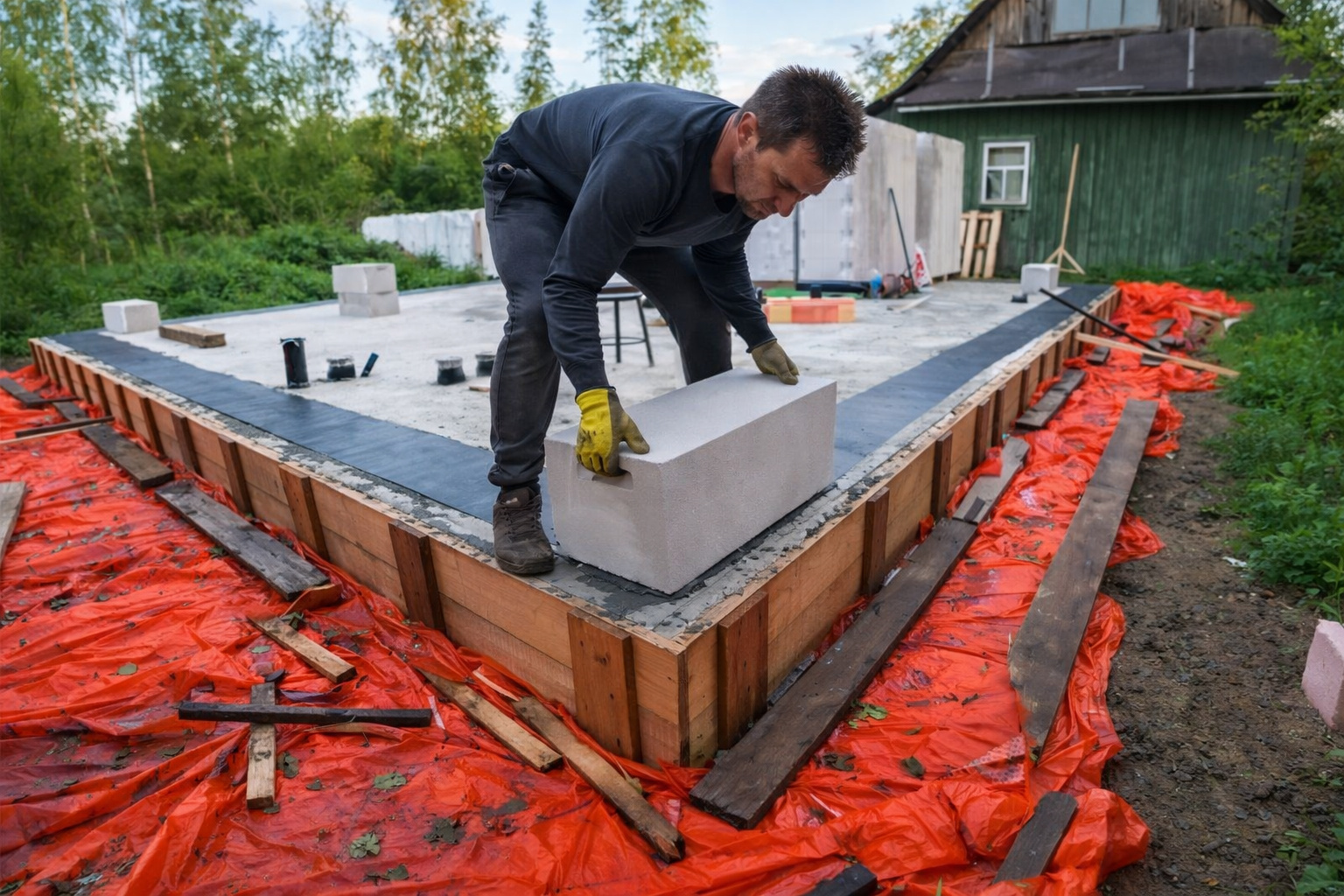
Many said it was impossible, but a man built a house by himself, leveled the ground with soil, used cement blocks with foam to raise the structure, and framed it with wood.
-
He saw a loophole in the 1967 space treaty and claims to have made millions selling lots on the Moon and other planets.

The cost of labor for excavation ranges from R$ 600 to R$ 1,500, depending on the type of soil and the desired depth. Softer and sandy soils require less work, while hard and compacted terrains may require renting an electric breaker to speed up the service.
The daily rate for masons and helpers consumes a good part of the initial resources for the underground cistern, and it is important to include in the budget the cost of removing and disposing of the excavated soil.
In small yards, access for equipment may be limited, which increases manual labor. Planning the logistics of excavation before starting avoids surprises that increase the cost of the project.
How much do the concrete rings and waterproofing of the underground cistern cost
The pre-molded concrete rings are the pieces that give structure to the underground cistern. Each unit costs between R$ 150 and R$ 300, varying according to the diameter and height of the piece, and the quantity needed depends on the desired storage capacity.
For a standard residential underground cistern, between three and five rings are stacked, creating a reservoir capable of storing thousands of liters of rainwater.
The waterproofing is the stage that ensures that the water stored in the underground cistern does not seep into the soil and that external moisture does not contaminate the reservoir.
Polymer mortar and quick-drying additives are applied to the bottom and side walls in crossed layers, requiring patience and respect for the curing time of each layer. Reserve at least R$ 300 for waterproofing products.
This stage is essential: a poorly sealed underground cistern constantly loses water and can contaminate the reserve with dirt from the soil.
How much does the submersible pump and the piping for the underground cistern cost
To draw water from the bottom of the underground cistern and use it with enough pressure to wash the yard, garage, or vehicles, an electric submersible pump is necessary.
The equipment costs between R$ 400 and R$ 900, varying according to the motor power, and must be sized according to the depth of the cistern and the intended use. More powerful pumps serve those who need pressure for heavy washing, while simpler models are suitable for garden irrigation and light cleaning.
The PVC piping, connections, and leaf retention filters also enter the budget for the underground cistern. Following the technical guidelines of the National Water and Basic Sanitation Agency, keeping filters clean at the system’s entry prevents organic matter and debris from entering the reservoir.
The cost of piping and accessories varies according to the distance between the roof gutter and the underground cistern, but rarely exceeds R$ 500 in a standard residential installation.
How to organize the complete budget for the underground cistern
Buying all the materials at once eliminates costs with repeated freight and allows negotiating discounts at construction supply stores.
The main items in the underground cistern budget include: concrete rings (R$ 450 to R$ 1,500 for the set), excavation and labor (R$ 600 to R$ 1,500), waterproofing products (starting at R$ 300), submersible pump (R$ 400 to R$ 900), and piping with filters (R$ 200 to R$ 500). Adding everything up, the total investment ranges from R$ 3,000 to R$ 6,000.
Getting quotes from at least three different suppliers can reduce the final cost of the underground cistern by up to 20%.
Prices for concrete rings and waterproofing products vary significantly between suppliers, and labor costs also fluctuate depending on the region. Writing down all the necessary items on a list before going shopping avoids extra trips and impulse purchases that inflate the budget.
The financial return that the underground cistern delivers over the months
The investment of R$ 3,000 to R$ 6,000 in the underground cistern pays off in savings on the water bill over months or a few years, depending on the household’s consumption.
The rainwater collected is used for washing the yard, garage, sidewalk, vehicles, and garden irrigation, activities that consume significant volumes of treated water when done with the public network. In regions where the water tariff is high or where rationing is frequent, the return is even faster.
The underground cistern also eliminates the invisible cost of rationing: the need to buy water from tank trucks or to postpone heavy cleaning until normal supply periods. For those living in regions with prolonged dry spells, having their own water reserve means not depending on the utility’s decisions about when and for how long the supply will be cut.
The water independence that the underground cistern provides has practical value that goes beyond financial.
Have you ever thought about building an underground cistern in your yard or do you already have one functioning? How much do you pay for water per month and do you think the investment of R$ 3,000 to 6,000 would pay off quickly in your case? Share in the comments. Saving water is a topic that interests everyone, especially when rationing is knocking at the door.









Seja o primeiro a reagir!