





 Portuguese
  English
  Spanish
  5 min of reading
  0 comments


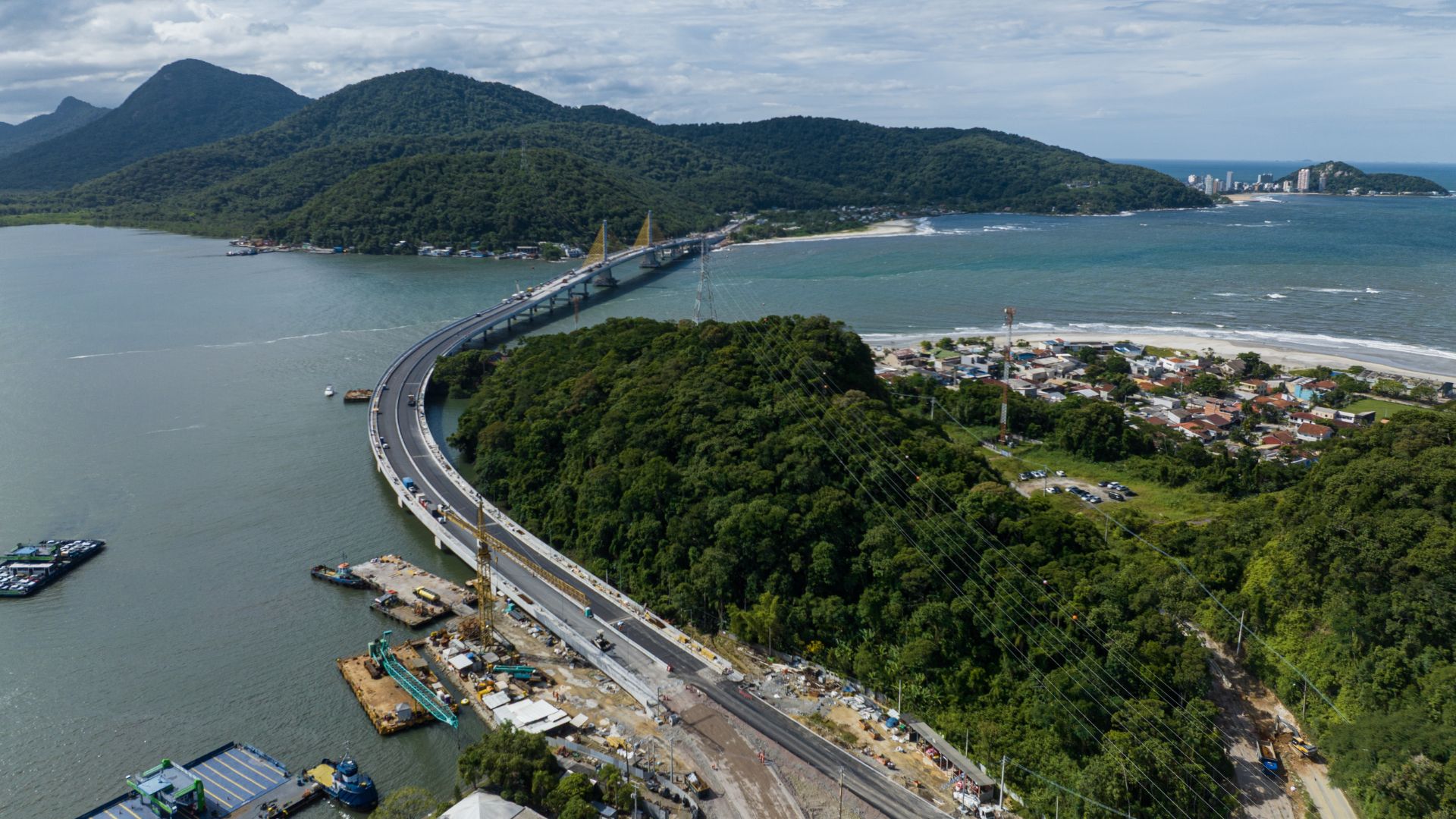
Structure awaited for decades changes mobility on the Paraná coast and ends a historic ferryboat crossing, with a million-dollar investment, a new road connection, and direct impacts on tourism and the daily lives of local residents.
The Government of Paraná has scheduled the delivery of the Guaratuba Bridge for April 29, a project that will replace the ferryboat crossing in the bay and alter traffic between Guaratuba and Matinhos.
The announcement was made by Governor Carlos Massa Ratinho Junior on Thursday (02) alongside the state secretary of Infrastructure and Logistics, Sandro Alex, amid the final stages of work on the deck, access points, and lighting system.
The inauguration coincides with the anniversary of Guaratuba and ends a wait that spanned decades of promises, projects, and deadlocks.
-
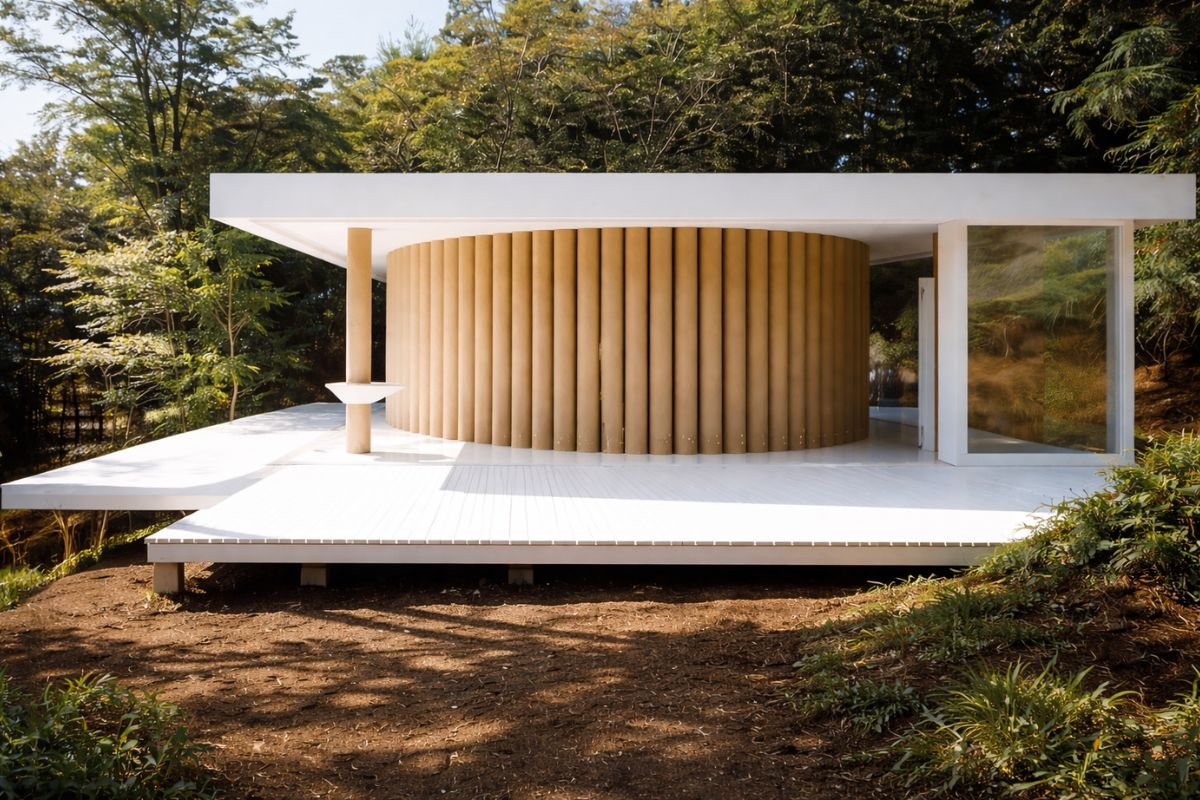
Paper houses that withstand earthquakes, last more than a decade, and cost less than a high-end smartphone: the brilliant invention of a Japanese architect that is changing post-disaster reconstruction around the world.
-
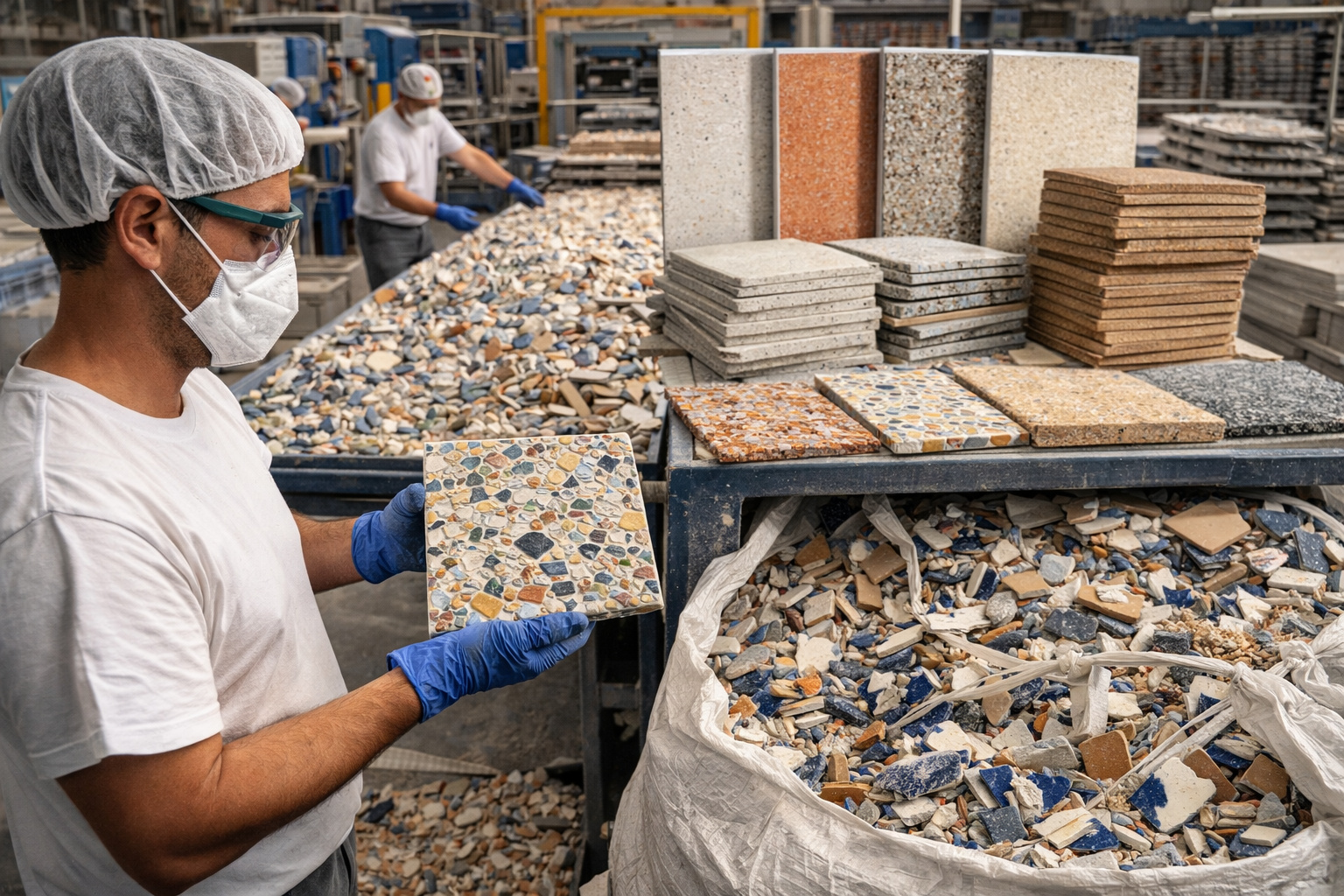
The Portuguese industry reuses broken tiles and waste from its own factory to create new coatings with up to 94% recycled material, produces more than 1,400 tons, and uses only 6% new raw material.
-
Researchers transform fish waste into ultralight material capable of capturing CO₂, technology reuses fishing waste and can help reduce pollution in the construction industry.

-
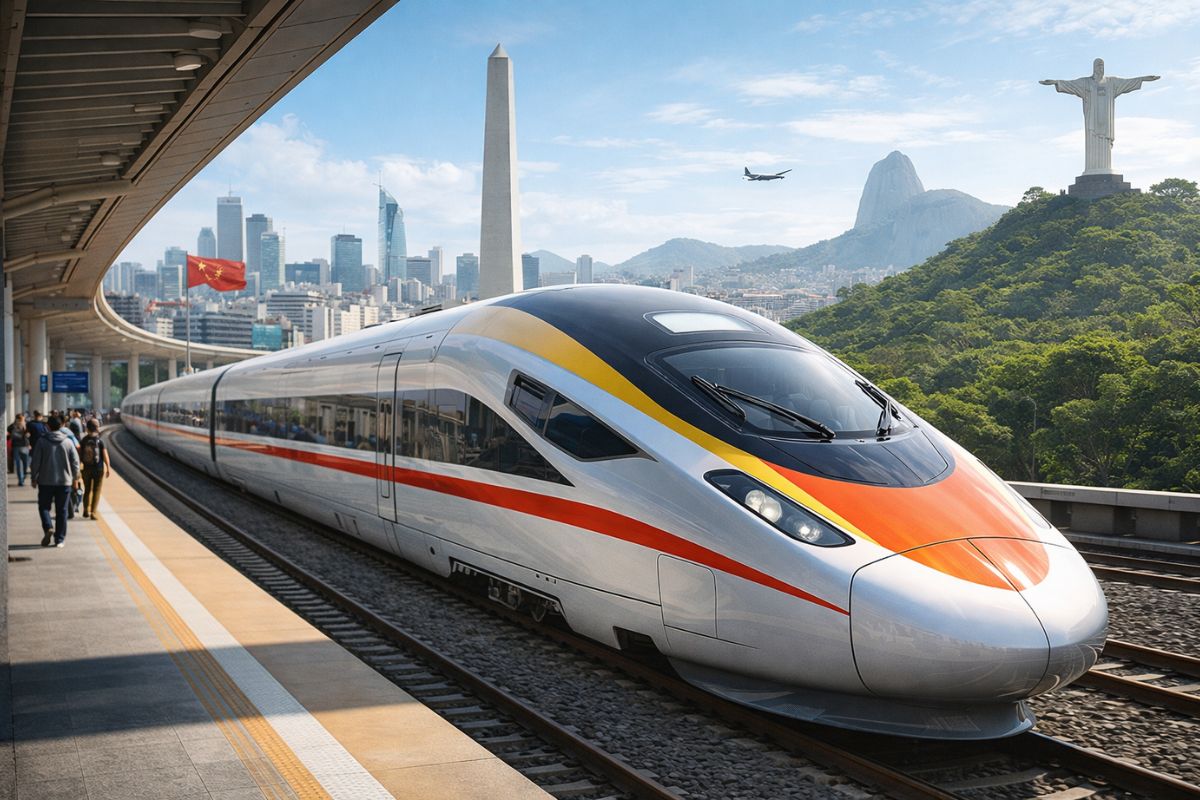
South America will have its fastest train in history: a billion-dollar project with Chinese capital will connect two capitals in two hours and create 20,000 jobs.
Confirming the date, Ratinho Junior stated that the structure represents “a great gift for Paraná” and said that the completion of the project ends the discussion about the feasibility of a fixed link between the two sides of the bay.
Sandro Alex also associated the delivery with the city’s calendar and defined the bridge as the most awaited gift by the local population.
According to him, the completion is occurring within the schedule announced by the state government, at a time when construction is already focusing on finishing touches, road safety, and operation of the land accesses.
Final stages of the work and finishing touches

In recent weeks, the work has progressed to stages that typically mark the transition between heavy construction and preparation for operation.
The application of the final asphalt layer on the deck began on March 20, while the asphalt concrete covering has also started to be executed on the accesses from both Guaratuba and Matinhos sides.
At the same time, teams are continuing the installation of guardrails along the sides, as well as the implementation of expansion joints, components responsible for absorbing the natural movement of the structure.
This set of services is complemented by New Jersey-type concrete barriers, used to separate traffic directions and organize vehicle circulation more safely.
Work continues on a 24-hour schedule, with daytime and nighttime teams distributed between the main body of the bridge and the land connections.
After the installation of the stays and the closing of the central span, a stage known as the “kiss of the bridge,” the operational focus has shifted to finishing touches, signage, lighting, and preparation of immediate accesses.
On the central side of Guaratuba, the containment structures have already been completed, and paving is ongoing.
In the connection with Matinhos, the work still includes drainage, pavement, and the construction of a reinforced earth wall, an engineering solution used to overcome height differences in areas with limited space, without excessively expanding the surrounding occupation.
Bridge lighting and environmental impact

Among the most visible elements of this phase is the lighting system, which began testing at the end of March.
The first activations occurred on the pre-cast section of the deck where vehicles will circulate, with gradual activation as the electrical circuits are completed and the fixtures undergo operational checks.
The project provides for 211 poles along the bridge and accesses, and about half had already been installed at the time of the official announcement of the inauguration.
Tests are expected to advance to other areas, including the access from Guaratuba, in the Morro dos Bombeiros region, and the side facing Matinhos, leaving the stay cable section for the final stage.
The technical choice of the fixtures was also presented as a differentiating factor of the project.
The system uses a lower color temperature, around 2,700 Kelvin, producing a more yellowish light to reduce impacts on wildlife and marine life in an area surrounded by sensitive preservation zones, without compromising the visibility requirements set forth in road lighting standards.
This combination aims to accommodate drivers, cyclists, and pedestrians, as the bridge was not designed solely for automobile traffic.
In addition to vehicle circulation, the project includes infrastructure aimed at non-motorized transportation, which enhances the structure’s role in the daily lives of the local population and in organizing tourist flow.

New Guaratuba Bridge changes logistics and tourism
The Guaratuba Bridge will have over 1,240 meters over the bay and exceeds 3 kilometers in total length when the land accesses are included.
The layout was designed with four traffic lanes, safety lanes in both directions, sidewalks, a bike lane, and guardrails, forming a permanent solution for a journey historically conditioned to the operation of the ferryboat.
The investment exceeds R$ 400 million, an amount that places the project among the largest recent mobility projects executed by the State.
The execution is the responsibility of the Nova Ponte Consortium, under the coordination of the Paraná Department of Highways, an agency linked to the Secretary of Infrastructure and Logistics.
In practice, the opening of the bridge eliminates the dependence on a crossing that shaped the routine of the coast for over half a century.
The ferryboat system in Guaratuba dates back to the early 1960s, and the state government reports that around 40 million vehicles have already used this service throughout history, a dimension that helps to measure the scale of the logistical change now underway.

The replacement of the crossing with a fixed link is expected to reduce uncertainties associated with queues, schedules, operational conditions, and seasonality, especially during holidays and peak periods.
In addition to the direct impact for residents and visitors, the government maintains that the new connection should strengthen integration between municipalities on the Paraná coast and improve access to the border with Santa Catarina.
Images released by the State already show the stay cable section with the masts without scaffolding and the visible configuration of the lanes, bike lane, and areas reserved for pedestrians.
With the design of the structure practically defined, the current stage focuses less on visual transformation and more on operational adjustments to ensure the release occurs within the date announced by the government.
Ratinho Junior summarized the political and symbolic weight of the project by stating that it ends “the discussion of over 50 years” regarding the project’s realization.
Just days before the inauguration, the bridge enters the final stretch of the work surrounded by local expectation, regional impact, and the promise to definitively replace a crossing that, for decades, was synonymous with waiting.






Seja o primeiro a reagir!