





 Portuguese
  English
  Spanish
  4 min of reading
  0 comments


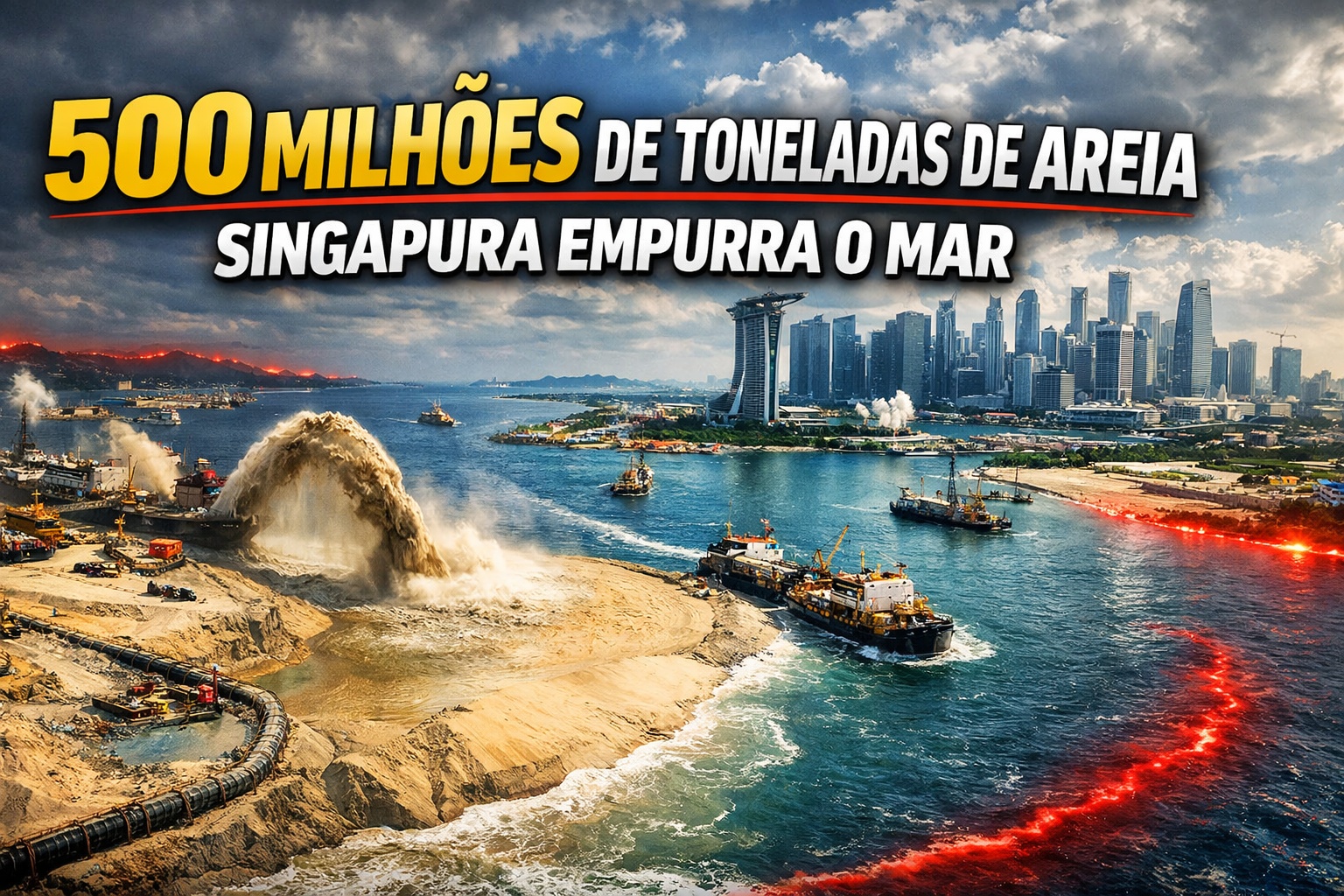
Singapore Grew About 25% Over The Sea With More Than 500 Million Tons Of Imported Sand, But The Strategy Generated Regional Erosion, Environmental Crises, And Diplomatic Disputes.
Few people know, but the land area of Singapore, a compact and densely urbanized city-state, has grown by over 25% since the 1960s thanks to massive land reclamation projects, raising its area from about 581 km² to over 725 km² and with plans to reach nearly 766 km² by 2030. This feat, the result of an aggressive “land reclamation” program, has been a driver of economic growth, enabling the construction of entire neighborhoods, industrial areas, port zones, and the expansion of the international airport, but it also exposes deep environmental consequences and tensions with neighboring countries that provided the inputs for this expansion.
The Engineering That Pushes The Ocean Back
Singapore is an island city-state situated in an extremely restricted geographic context. With little land available for horizontal expansion, the solution adopted since the 1960s has been to increase the existing territory through coastal reclamation.
This involves dredging and transporting sands and marine sediments to fill shallow areas of the sea and create new stretches of land that later become urbanized.
-
Friends have been building a small “town” for 30 years to grow old together, with compact houses, a common area, nature surrounding it, and a collective life project designed for friendship, coexistence, and simplicity.

-
This small town in Germany created its own currency 24 years ago, today it circulates millions per year, is accepted in over 300 stores, and the German government allowed all of this to happen under one condition.

-
Curitiba is shrinking and is expected to lose 97,000 residents by 2050, while inland cities in Paraná such as Sarandi, Araucária, and Toledo are experiencing accelerated growth that is changing the entire state’s map.

-
Tourists were poisoned on Everest in a million-dollar fraud scheme involving helicopters that diverted over $19 million and shocked international authorities.


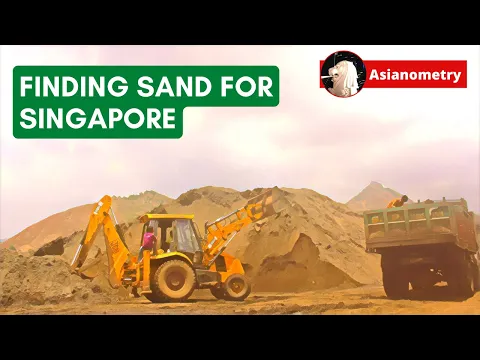

According to official information from the Singapore government, the country increased from 581.5 km² in 1960 to 725.7 km² in 2019 and plans to reach 766 km² by 2030 with new reclamation projects.
Materials such as sand are essential in this process because, unlike clayey or rocky soils, they allow for a stable foundation for urban construction and infrastructure. The problem is that the country does not have sufficient domestic resources of suitable sand for reclamation and relies heavily on the import of sediments from other countries.
The Global Hunger For Sand And The Environmental Impact Beyond Borders
According to a report by the United Nations Environment Programme, Singapore has been for decades the largest importer of sand in the world, having received an estimated 517 million tons over the last two decades for its reclaimed land projects.
Although some of this sand has come from legal sources, the high demand has generated a global coastal mining industry that has severe ecological impacts in supplying countries.

Countries such as Indonesia and Malaysia have restricted exports when environmental damage became unsustainable. Indonesia, for example, banned the export of sand in the mid-2000s after witnessing parts of islands disappear and experiencing severe coastal erosion due to dredging.
On another front, extraction in areas such as the Tatai River in Cambodia, related to the supply of sand for Singapore, has been associated with declines of up to 85% in fish, crab, and lobster catches and the destruction of mangroves critical to local biodiversity — reports that have drawn criticism from international environmental groups.
This pattern illustrates a paradox: Singapore’s territorial expansion, often promoted as a symbol of urban efficiency, has generated environmental impacts beyond its borders, altering marine ecosystems, provoking coastal erosion, and affecting fishing communities that relied on those habitats.
Diplomacy, Natural Resources, And Sovereignty
The tensions caused by the demand for sand have not only been environmental but also diplomatic. Supplier countries have imposed restrictions or bans on exports to protect their coasts and limit environmental degradation.
When Indonesia Banned The Export Of Sand To Singapore, for example, this directly impacted the supply chains of the construction and reclamation sector of the city-state and forced logistical and procurement strategy adjustments.
The restrictions also affected the Mekong Delta region and other areas where excessive sediment removal compromised the stability of riverbanks and the integrity of coastal swamps, contaminating the already delicate relationship between urban development in Southeast Asia and environmental conservation.
The Dilemma Of Urban Sustainability
Although Singapore is investing in alternative methods to reduce its dependence on imported sand — such as the use of polder techniques, inspired by the Netherlands, which can reduce the need for sand in reclamation by up to 40%, the country remains an emblematic case of how human infrastructure can massively modify natural geography, creating urban areas where there was once only open sea.
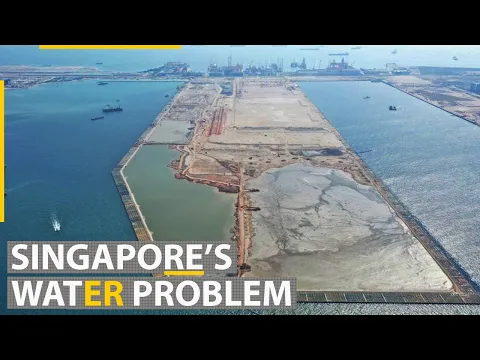
The territorial expansion of the city-state also highlights broader issues about urban sustainability, international trade of natural resources, and the need for a balance between economic growth and environmental protection.
As Singapore continues to consolidate its position as a global hub for trade, finance, and technology, the environmental cost of this rise, both within and beyond its borders — remains a critical chapter of reflection in discussions about 21st-century urban development.










-

3 pessoas reagiram a isso.