






 Portuguese


Australia and the United States lead foreign advances on rare earths in Brazil, while billion-dollar investments reach strategic projects and 25% of requests overlap or are near protected areas and traditional communities
With the second-largest rare earth reserve in the world, Brazil has become the target of an international race for new deposits. Companies linked to foreign capital account for 42% of the 2,727 requests registered as of June, while investments from the United States push forward in strategic projects and the country’s only commercial producer.
The race for rare earths accelerates with 86% of requests being recent
Data shows that the competition for rare earths has quickly gained traction. Of the 2,727 requests submitted to the National Mining Agency, 86% have been registered since 2023.
Although companies connected to foreign capital represent only 12% of the holders of the requests, they accumulate 42% of all analyzed requests.
-
Central Bank Tightens Pix Regulations, Limiting Unregistered Device Transfers to R$200 per Transaction and R$1,000 per Day

-
Petrobras Loses Lawsuit Over R$850 Million in the Superior Court of Justice, Significantly Impacting State-Owned Company’s Financial Balance
-
Brazilian Company with 72-Year History Explores Production in Paraguay, Leveraging 1% Tax, Affordable Energy, and Lower Costs to Reexport Entire Output to Brazil

-
Brazil Activates Reciprocity Law in Response to Trump’s Tariff Increase, but Countermeasures Could Raise Costs for Machinery, Technology, Chemicals, and Other Imports, Economist Warns


They also control 31 of the 45 processes considered the most advanced, already in operation or in pre-commercial operation.
Among the 20 companies with the most requests, 11 have ties to foreign investors. Australia leads the field, with mining companies responsible for 695 requests. U.S. companies follow with 347.
Borborema Recursos Minerais, a subsidiary of Australian firm Brazilian Rare Earths Pty, leads the list individually with 217 requests.
Close behind is Alpha Minerals Brazil, recently acquired by U.S.-based Rare Earth Americas, with 181 requests.
The company announced $15 million in private investments this year and began its initial public offering process in the U.S.
Also among the highlights are Mineração Apollo, partially controlled by U.S. firm Atlas Lithium, and Canadian Aclara Resources.
According to Julio Nery, director of the Brazilian Mining Institute, finding truly viable projects is challenging.
Of every thousand potential projects, only a hundred would justify exploration and research, and out of that group, only two would end up becoming good projects.

U.S. invests $565 million and enters Brazil’s only commercial producer
The U.S. presence has strengthened especially after China restricted rare earth exports to the United States in April 2025. China currently dominates various stages of this production chain, from extraction to processing.
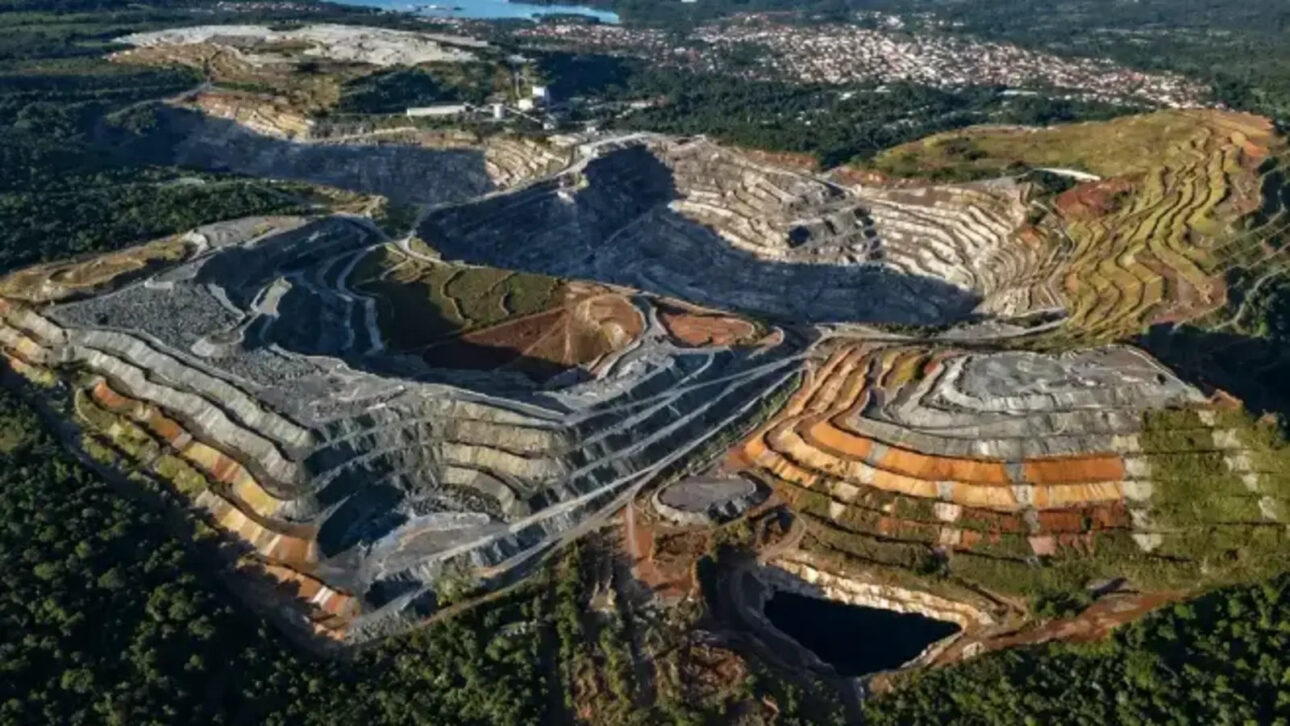
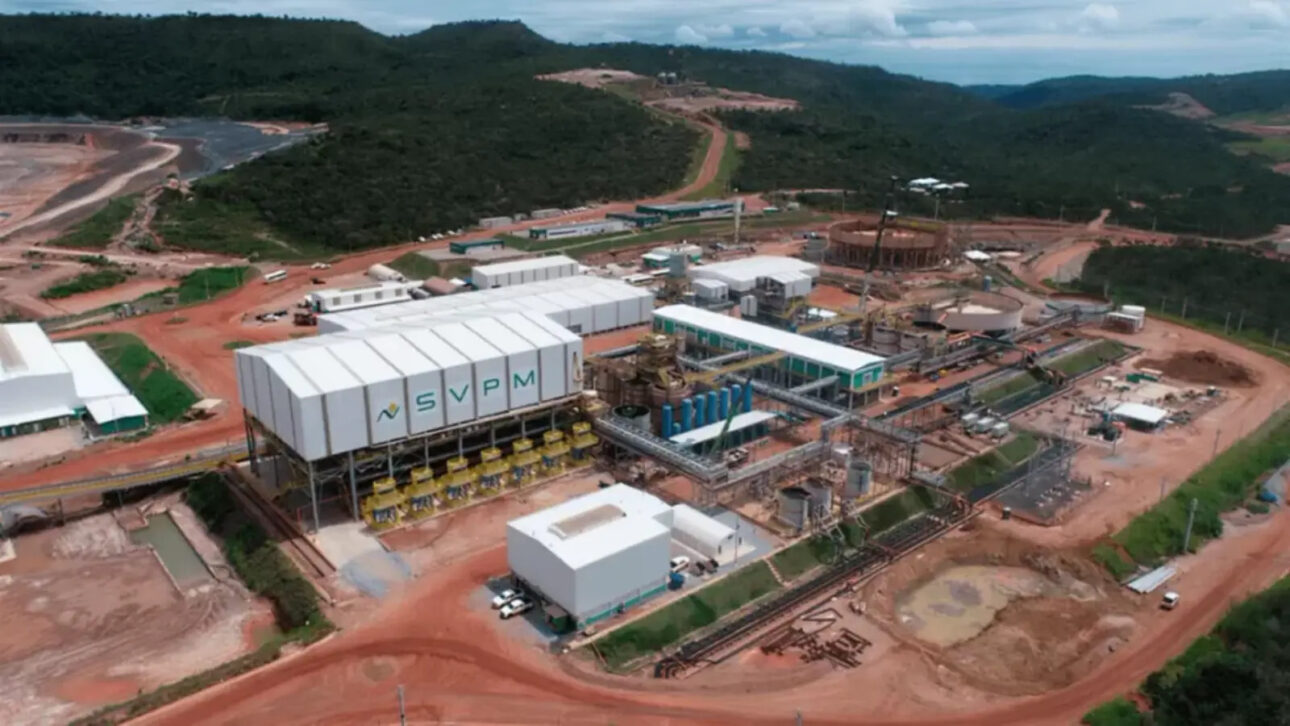
The most notable example of this movement is in Goiás. Serra Verde, Brazil’s only commercial rare earth producer, received $565 million in public funding from the United States since the beginning of the year.
The mining company was also acquired by U.S. firm USA Rare Earth for $2.8 billion (about R$14 billion).
The U.S. government is now a minority shareholder in the company after making a $1.6 billion investment earlier this year.
Serra Verde has another strategic feature. It is the only producer outside of Asia capable of supplying four types of rare earth magnetic elements: neodymium, praseodymium, dysprosium, and terbium.
These materials are utilized by the automotive, medical, electronics, renewable energy, robotics, defense, and aerospace industries.
In July, USA Rare Earth also announced the acquisition of a stake in the French company Carester, which specializes in the separation and processing of these elements.
Under the arrangement, Serra Verde will supply raw materials, and the American company will gain access to French technologies.
As of June, Chinese companies did not hold any rare earth requests in Brazil, although firms from the country have shown interest in potential deposits.
25% of requests are near or over protected areas
The expansion of mining also raises environmental concerns. Of the total requests assessed, 25% overlap with conservation units or traditional communities, or are located within 10 kilometers of these territories.
Data from the Energy Transition Observatory indicate that the requests could affect up to 283 protected areas, including Indigenous lands, quilombola territories, and conservation units.
One case involves the Carina Project by Aclara Resources in northern Goiás. Requests related to the project showed partial overlap with the territory of the quilombo Família Magalhães.
The community consists of 30 families and was recognized as quilombola in 2004; they have been waiting for 20 years for the titling of their lands.
In the meantime, the project has progressed. The environmental licensing began last year, during the same period that Aclara received $5 million from the U.S. government.
The feasibility study released this year anticipates the construction of the industrial unit in 2027, with an initial investment of $780 million.
Community demands answers regarding rivers, springs, and wildlife
The first official meeting between the company and the community took place only at the end of July. According to Gilvan Magalhães, president of the residents’ association, the residents do not oppose the project but seek answers regarding the issues it may cause.
Among the concerns mentioned are potential effects on rivers, springs, and wildlife.
Aclara stated that six mining rights originally encompassed areas of the quilombo, but it chose to exclude these locations from the project and declared that it will not conduct mining activities in these areas.
The advancement comes as the international competition for rare earths places Brazil at the center of a supply chain deemed essential for technologies, renewable energy, vehicles, electronics, defense, and the aerospace industry.
This article was prepared based on information from Repórter Brasil and the Associated Press, using public data from the National Mining Agency and the Energy Transition Observatory, with figures and statements preserved as per the consulted material.


