





 Portuguese
  English
  Spanish
  3 min of reading
  0 comments


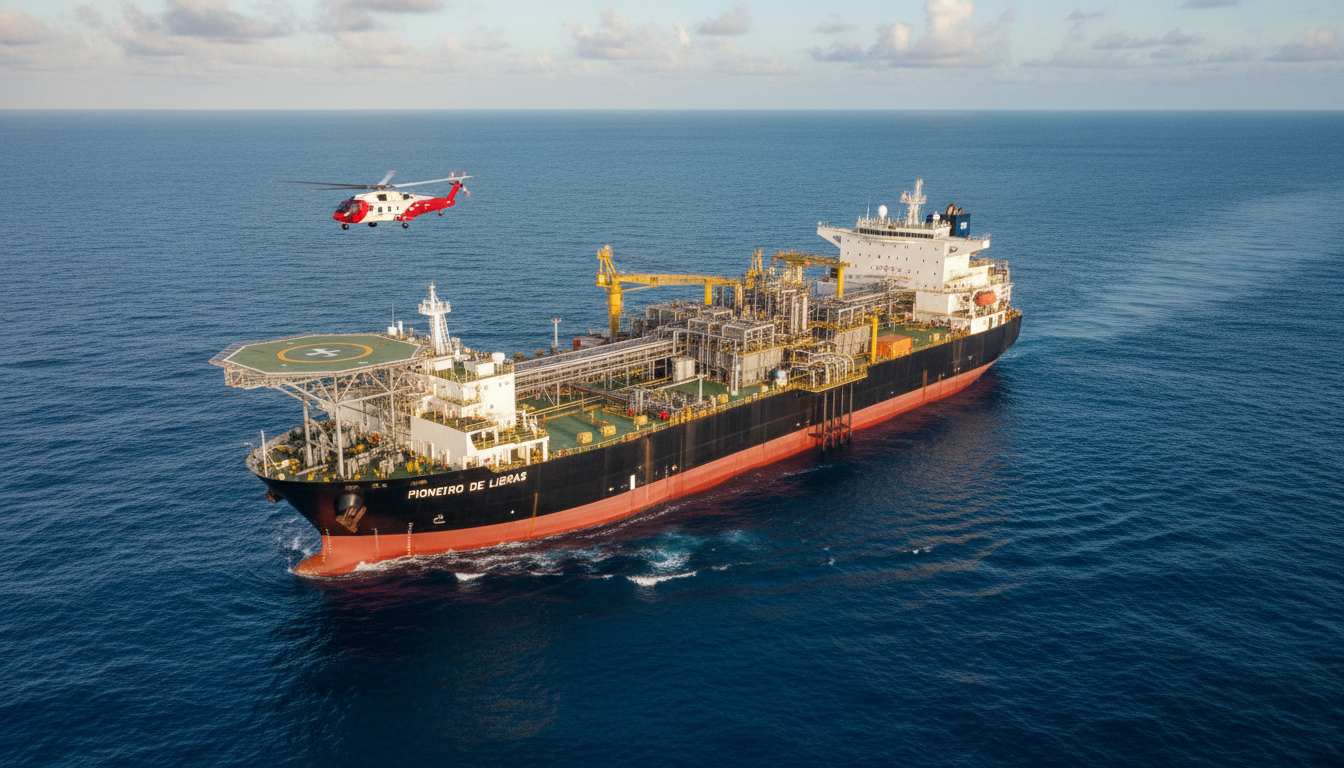
Official data from ANP confirms that Brazil’s oil production reached a record 5.304 million barrels of oil equivalent per day in February 2026, with the pre-salt accounting for 80.2% of the total and Petrobras operating 89.46% of all national extraction — numbers that reposition the country in the global energy scenario
In February 2026, Brazil’s oil production reached a record historical level. According to official data released by ANP on April 1, 2026, the country extracted 5.304 million barrels of oil equivalent per day, surpassing the previous record of October 2025, when the figure had reached 5.255 million. Considering only oil, there were 4.061 million barrels per day — a 16.4% increase compared to February 2025.
These numbers gain even more weight when considering the global context. With Iran’s production severely compromised by instability in the Middle East, Brazil is quietly rising in the ranking of the world’s largest producers. Thus, the country consolidates itself as a central piece in global energy security, producing more than many nations traditionally associated with oil.
The pre-salt drives Brazil’s record oil production with 181 wells and 20% growth in one year

The undisputed protagonist of this record is the pre-salt. In February 2026, the pre-salt fields generated 4.243 million barrels of oil equivalent per day, representing 80.2% of all Brazilian production. There were 3.264 million barrels of oil and 155.56 million cubic meters of natural gas per day, operated by 181 wells.
-
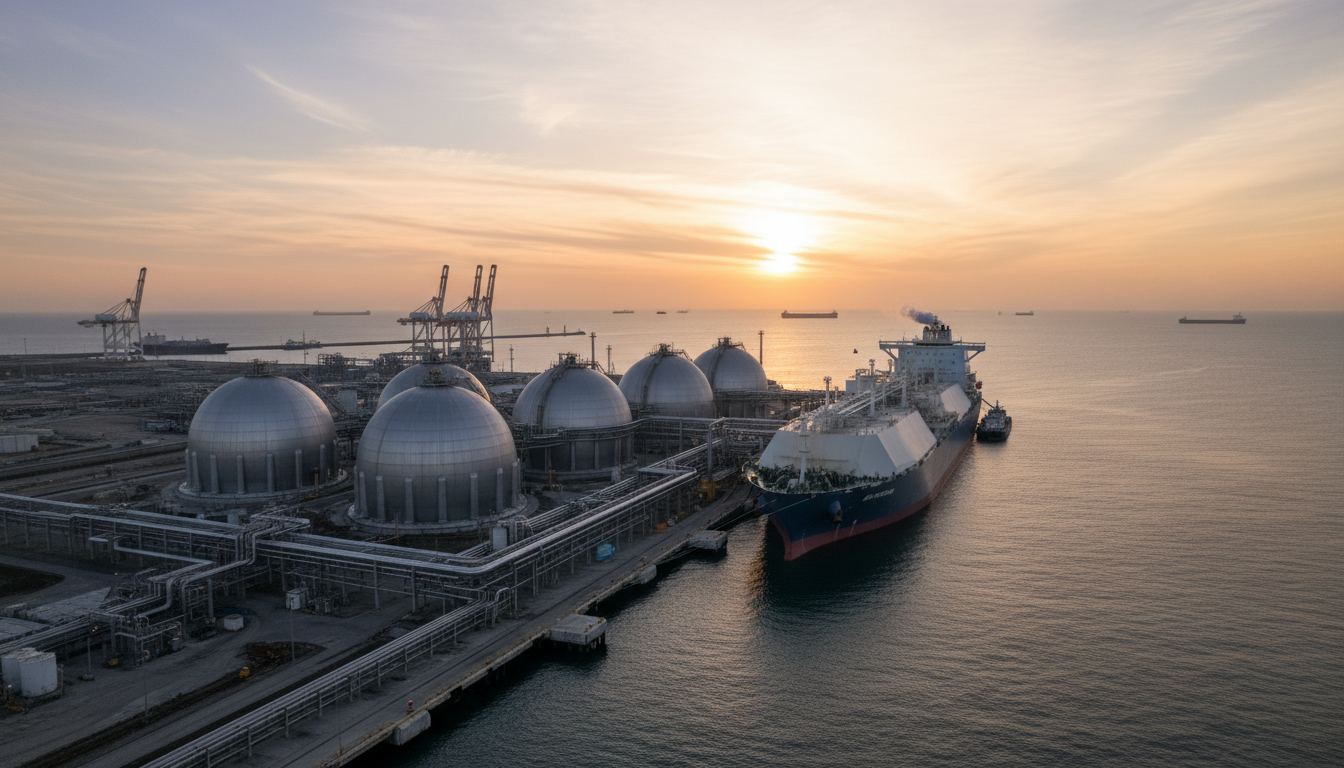
After years of delays and billions invested, the Golden Pass megaterminal in Texas is about to start exporting liquefied gas and will reshape the global energy map amid the Middle East crisis.
-
The artificial intelligence market within the oil industry is worth billions today and will more than double by 2033, and those who do not get on board now with the race for digital twins and autonomous drilling will be left behind.

-
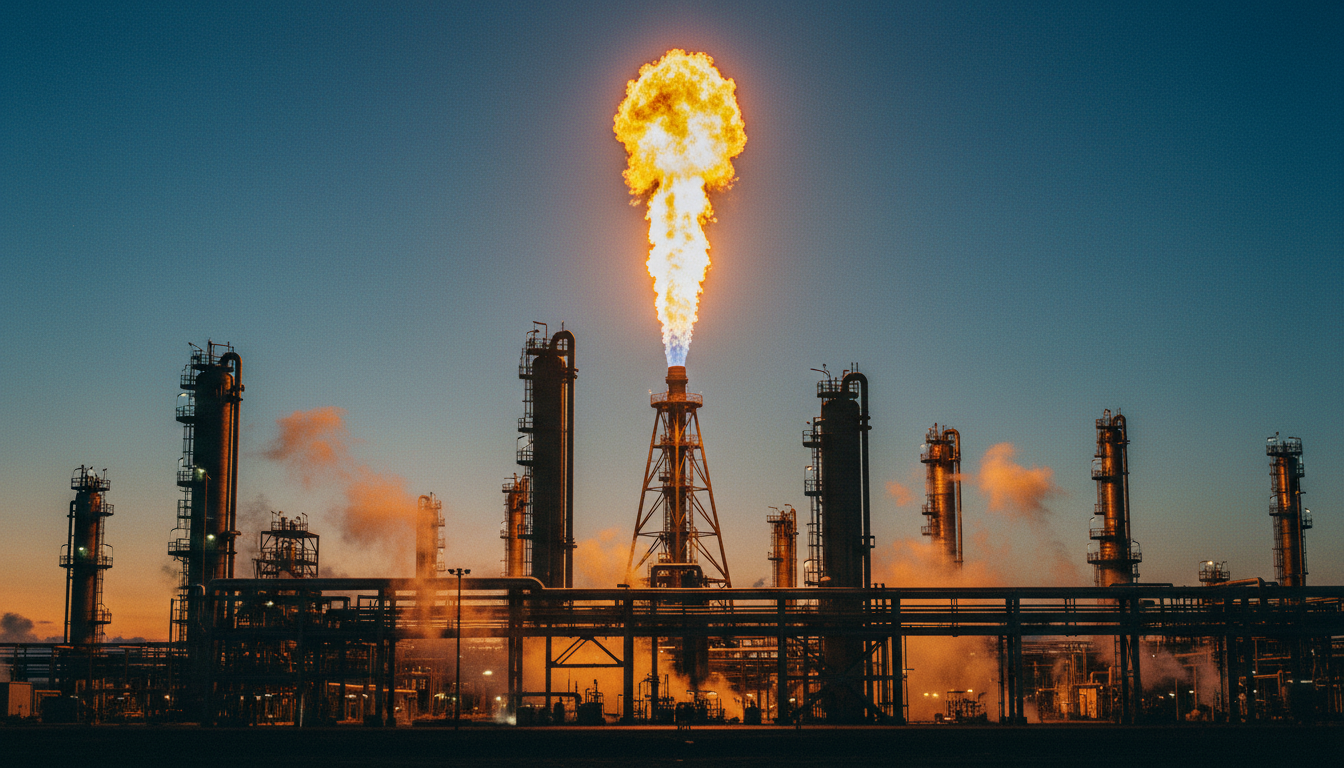
Petrobras quietly installed an artificial intelligence system called Smart Tocha in six of its largest refineries, and the technology independently controls the burning of gases to reduce emissions without any operator needing to intervene.
-
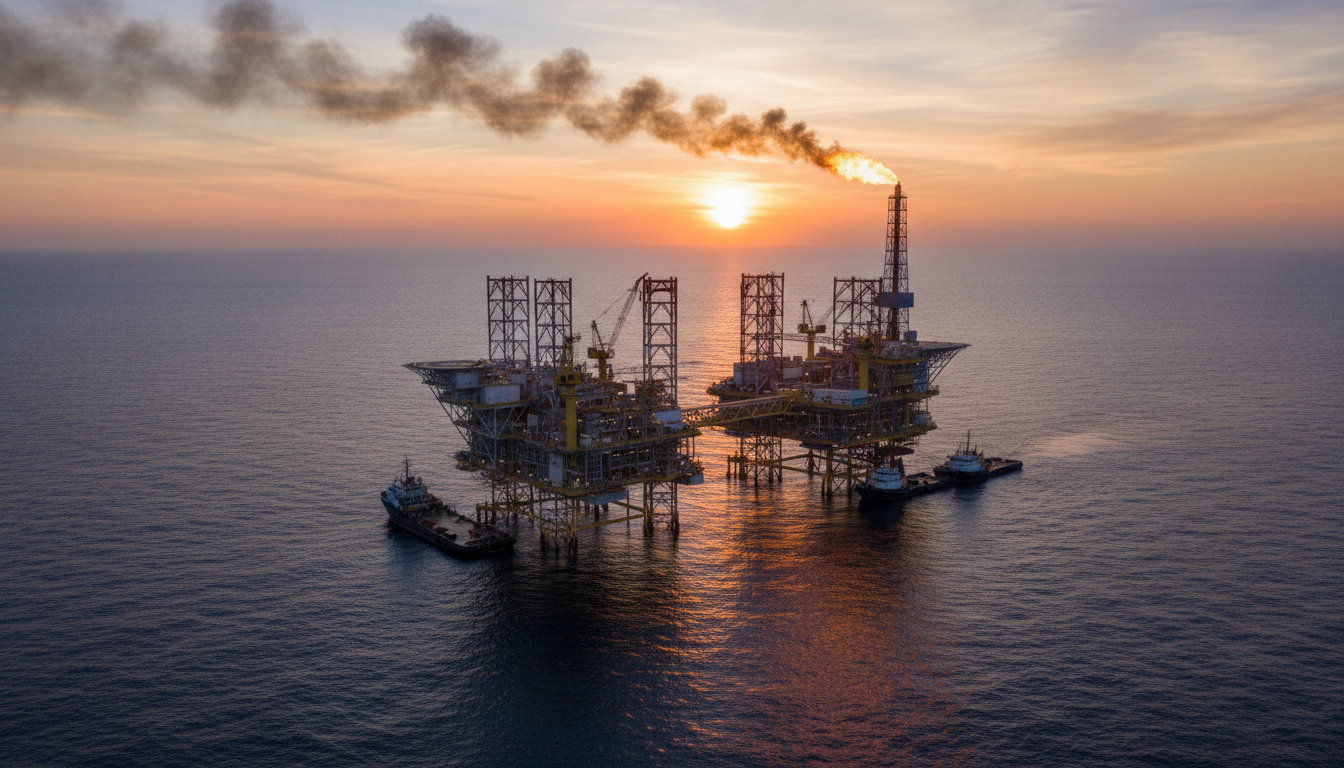
Most oil platforms in the world operate at only 77% of their potential, and McKinsey has just calculated that artificial intelligence alone can cut costs in half and increase value by 30% in just one year.
The growth is impressive. Compared to February 2025, the pre-salt advanced by 20.1%. Additionally, the Tupi field, in the Santos Basin, led with 865.98 thousand barrels of oil and 42.87 million cubic meters of gas per day. Therefore, a single Brazilian field produces more than entire countries.
- Total pre-salt: 4.243 million boe/d (80.2% of national production)
- Pre-salt oil: 3.264 million bbl/d
- Pre-salt gas: 155.56 million m³/d
- Wells operating: 181 in the pre-salt
- Leading field (Tupi): 865.98 thousand bbl/d of oil
- Annual growth: +20.1% vs February 2025
Petrobras operates almost 90% of all Brazil’s record oil production

The Brazil Agency confirmed that Petrobras was responsible for 89.46% of total production in February, operating alone or in consortium. In January, the state-owned company produced 2.41 million barrels per day of oil, equivalent to 61% of the national total — a 14.8% increase compared to January 2025.
Shell appears as the second largest producer in Brazil with 407.5 thousand barrels per day, followed by TotalEnergies with 166.2 thousand barrels per day. However, the gap between Petrobras and any other operator in the country is vast, reflecting decades of investment in the pre-salt and accumulated technical knowledge in ultra-deep waters.
This operational dominance of Petrobras is directly connected to the law that requires oil companies to invest billions in technology, which has already yielded significant advances in automation and operational efficiency in the pre-salt.
Brazil leads expansion in South America, surpassing Venezuela

The record oil production in Brazil is part of a larger movement in South America. According to estimates from Rystad Energy, Brazil, Guyana, and Argentina together add more than 700 thousand barrels per day to regional production in 2026, surpassing Venezuela. Thus, Brazil’s stable regulatory governance contrasts with the instability of other producers and attracts long-term investments.
The Brazilian production structure also impresses by its scale. There are 6,079 wells in total — 582 offshore and 5,497 onshore. However, the offshore wells account for 98% of all oil and 87.8% of the gas extracted in the country. Thus, offshore work continues to be the backbone of the Brazilian oil industry.
The record does not guarantee the future: what could slow Brazil’s ascent
Despite the exceptional moment, the record oil production in Brazil faces challenges ahead. The global energy transition and the growth of electric vehicles may reduce demand for fossil fuels in the coming decades. Additionally, the consolidated data from ANP for February is still preliminary until the final release.
However, in the short and medium term, the combination of instability in the Middle East, high Asian demand, and proven technical capacity in the pre-salt places Brazil in a privileged position. Still, maintaining this pace requires continuous investment in exploration, technology, and human capital — factors that do not materialize overnight, but that the country has demonstrated the capacity to deliver.





Seja o primeiro a reagir!