





 Portuguese
  English
  Spanish
  4 min of reading
  0 comments


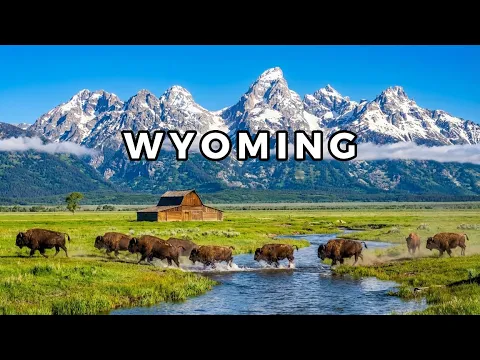
With Minimal Population, Extreme Nature, and Fenceless Territories, Wyoming Holds Some of America’s Last Truly Wild Havens, Where Climate, Geology, and History Shape a Unique Way of Life
When looking at the map of the United States, Wyoming appears just as a large empty rectangle in the west. However, this “emptiness” carries a rare symbolic weight in the modern world. Wyoming is the least populous state in the country. There are about two people per square kilometer. Still, this isolation does not indicate a lack of life. On the contrary, it reveals preservation. Almost half of the territory consists of public lands. There are no extensive fences or rigid divisions. In this context, nature follows its own rhythm, as it has for thousands of years.
The information was released by the National Park Service, according to official surveys on land use and environmental conservation in the American west. However, living in this scenario requires resilience. The climate imposes harsh rules. Long winters, intense snowstorms, and constant winds drive away those seeking immediate comfort. For this reason, Wyoming has never attracted large urban centers. Still, it has formed a distinct culture, marked by ancient codes and curious laws that reflect the cowboy spirit.
One such law still prohibits the wearing of large hats in cinemas and theaters. It may seem strange. However, it reinforces how tradition and coexistence walk together in the state.
-
Spain surprises the world by erecting 62 artificial dunes, mixing sand with natural remains of posidonia, and causing the structure to lose only 1.4% of its volume in 1 year.

-
With 16 Bulava missiles, improvements in acoustic stealth, and a design focused on silent patrols, Russia’s nuclear submarine was born to ensure Moscow’s invisible retaliation and has become one of the pillars of its maritime strength.

-
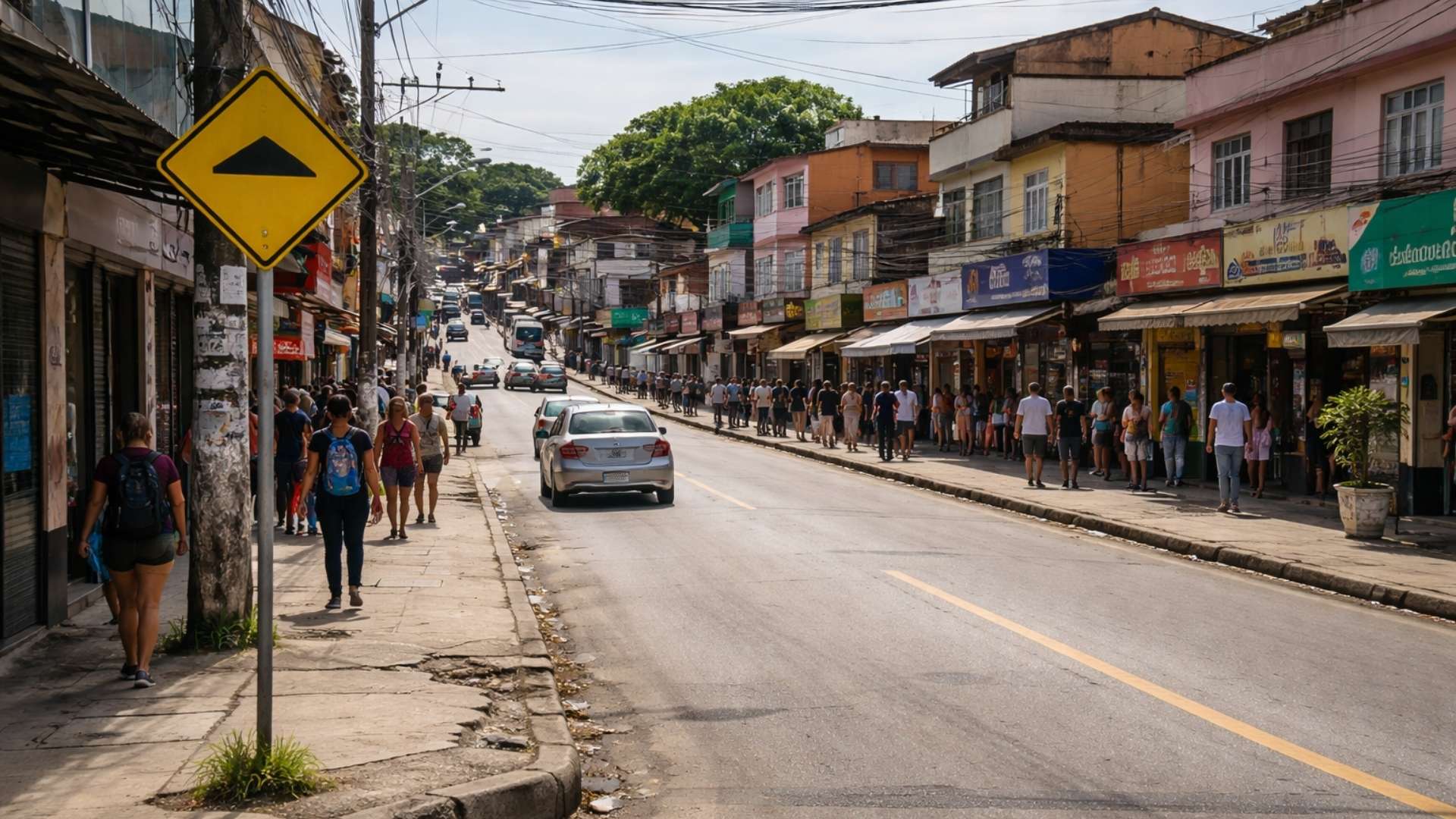
‘Populous’ city in Rio among the worst in Brazil in national ranking and exposes silent development crisis.
-
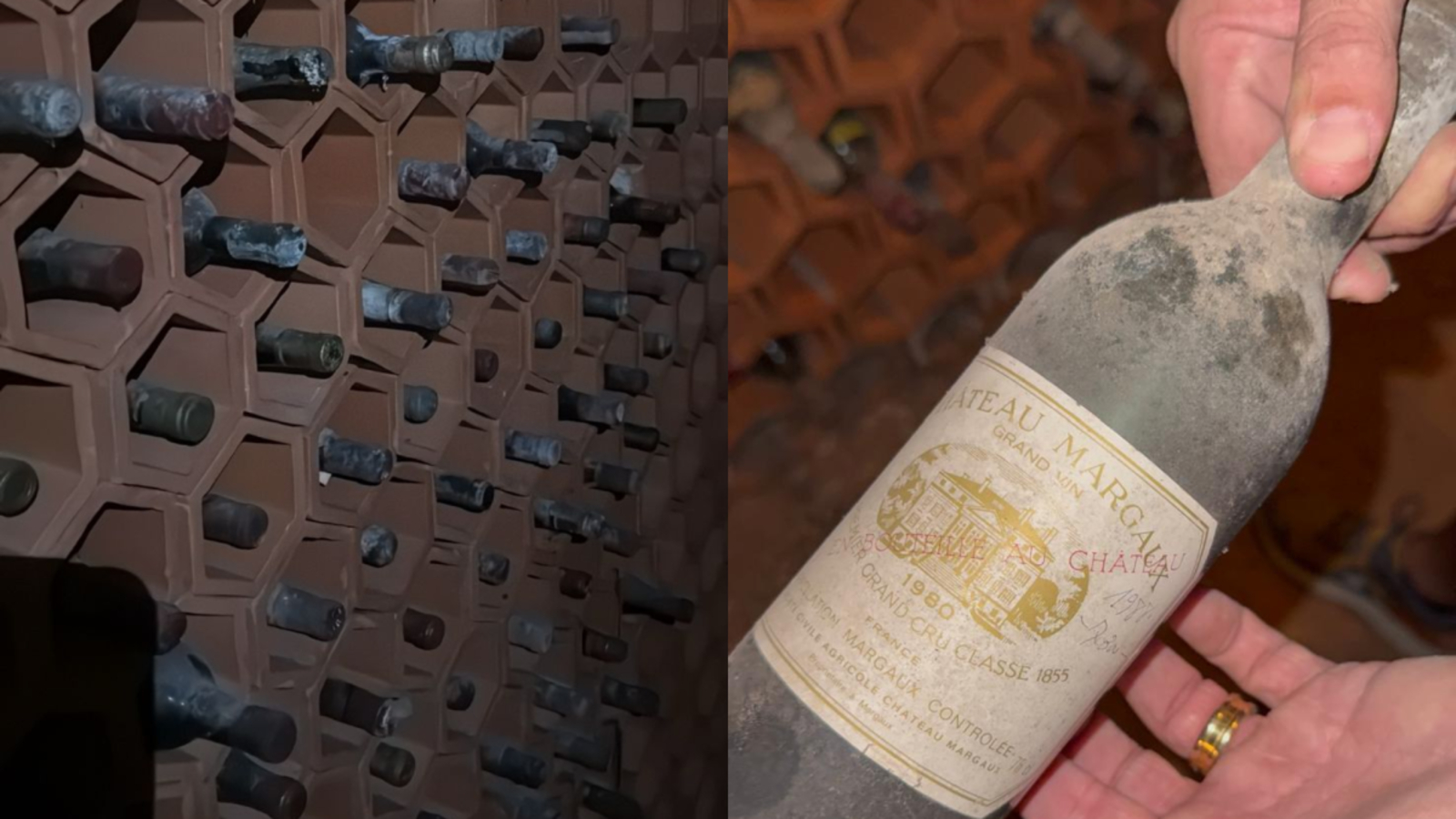
Couple buys house in the South Zone of São Paulo, opens a hidden door in the garage, and finds a secret wine cellar with dozens of old wines forgotten since the 1970s.

Free Mustangs and Cities Where Time Slowed Down

If the climate drives people away, it protects living symbols of American history. Among them are the wild mustangs. These horses are descendants of animals brought by the Spaniards over 500 years ago. They escaped, adapted, and reclaimed their freedom. At the same time, they live in organized herds. The stallion guards the territory. The mares lead the foals. Survival requires constant strategy. Still, mustangs are divisive. For some, they compete with cattle. For others, they represent the free spirit of the west.
Meanwhile, human cities reflect striking contrasts. In the southeast, Cheyenne keeps alive the state’s railway and political heritage. Founded in 1867, the city grew with the arrival of the Union Pacific Railroad. Today, it houses the state Capitol and the largest outdoor rodeo on the planet. During the Cheyenne Frontier Days, the population doubles. The past, therefore, has not become a tourist attraction. It remains present in daily life.
On the other hand, Jackson offers a distinct setting. Located at the foot of the Tetons, it combines adventure, luxury, and extreme nature. In winter, it hosts some of the world’s best skiers. At the same time, it has cowboys, artists, and billionaires in the same urban space. This paradox defines Wyoming. Tradition and modernity coexist without apparent conflict.
Supervolcanoes, Beasts, and Landscapes That Challenge Reason

Leaving the cities, the most impressive heart of the state emerges: Yellowstone National Park. Established in 1872, it was the first national park in the world. However, it hides a disturbing detail. It rests over an active supervolcano. The ground breathes. The earth boils. Geysers erupt regularly. The Old Faithful shoots water columns up to 50 meters high.
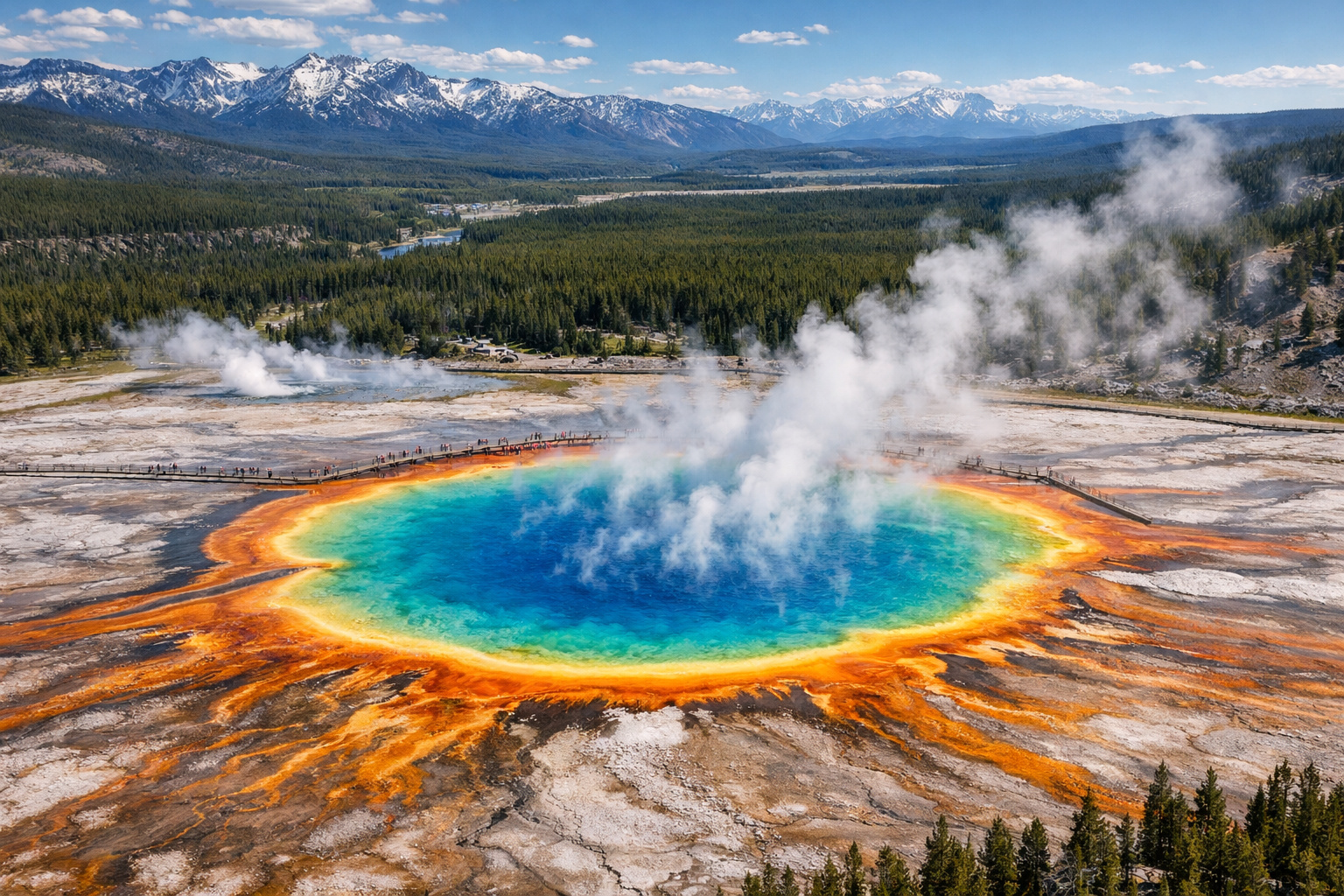
At the same time, the Grand Prismatic Spring reveals impossible colors. Extremophile bacteria paint the ground in vibrant shades, creating an alien spectacle. The information was published by the U.S. Geological Survey, according to studies on geothermal activity and volcanic risk in the region. Still, geology does not reign alone. Yellowstone hosts the largest concentration of megafauna on public lands in the United States.
Bison block roads. Grizzly bears dominate the food chain. Wolves, reintroduced in the 1990s, restored the ecological balance. Meanwhile, in the northeast of the state, the Devils Tower rises as a vertical enigma. A volcanic core exposed by erosion. For indigenous peoples, it is a sacred site. For cinema, it has become a symbol after the film Close Encounters of the Third Kind. Consequently, Wyoming does not offer passive landscapes. Each scenario demands respect, silence, and awareness of human limits.
Conclusion
Wyoming is not empty. It is selective. The state demands courage, adaptation, and humility in the face of nature. In return, it offers genuine freedom, rare silence, and a deep connection with the natural world. Exploring Wyoming means accepting that humanity occupies only a small fraction of geological time. Yet, this perception transforms those who pass through.
Would you have the courage to live in a place where nature sets the rules, or do you prefer only to visit this type of extreme territory?








-

-

-

4 pessoas reagiram a isso.