





 Portuguese
  English
  Spanish
  4 min of reading
  0 comments


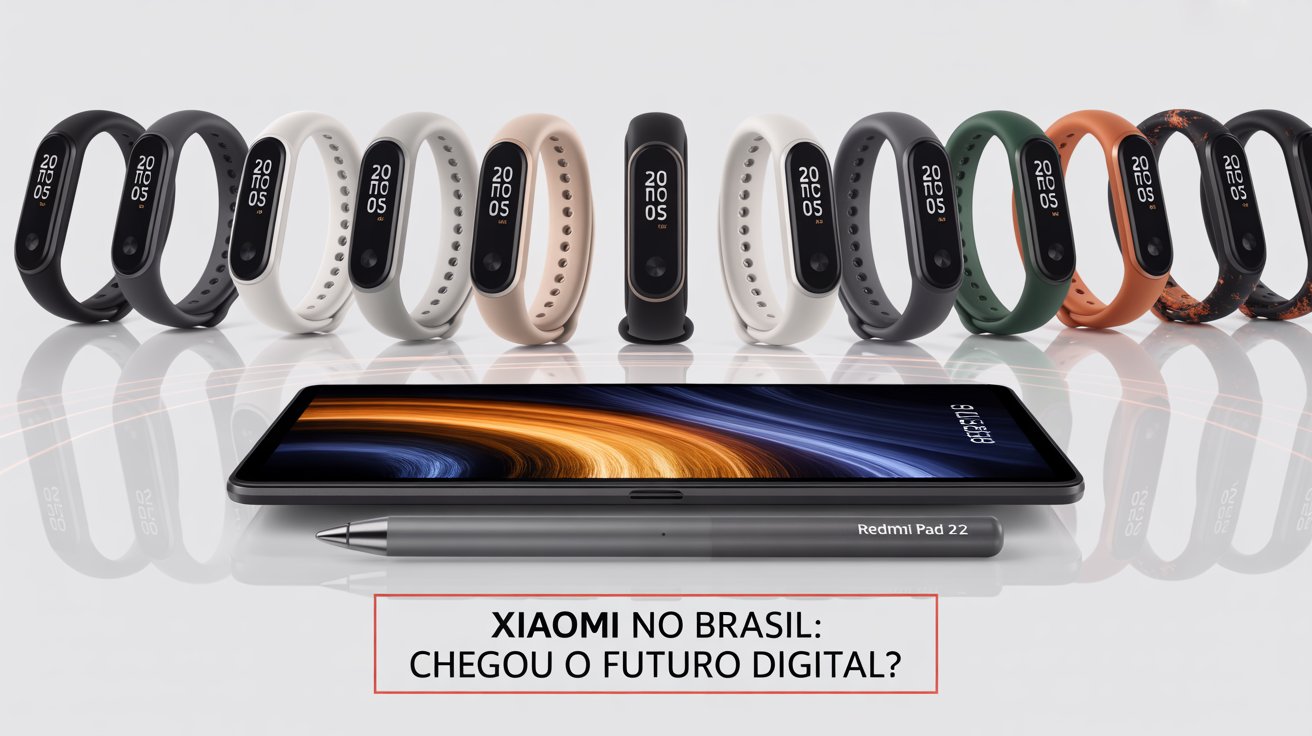
New Releases From Xiaomi Arrive in Brazil Highlighting Advanced Artificial Intelligence Features, High Brightness Display, and Great Battery Life, Strengthening the Brand’s Bet on Wearable Technology and Entertainment Devices.
Xiaomi announced this week the official arrival of two new products in the Brazilian market: the Xiaomi Smart Band 10 and the Redmi Pad 2.
The devices are already available for purchase on the brand’s official website and in partner stores across Brazil, expanding the company’s portfolio in the country and strengthening the Chinese manufacturer’s presence in the wearable devices and tablet segment.
The launch event, held at the end of July 2025, was attended by journalists and influencers from the technology sector.
-
With a cost per shot close to zero, the DragonFire laser could change naval warfare in 2027 and provide British ships with nearly unlimited defense against drones.

-
A British startup creates tires that generate electricity in electric vehicles when passing over potholes, speed bumps, and cracks.

-
Scientists have created robots made with living cells that have their own nervous system, swim on their own, explore the environment, and self-organize without any genetic engineering, and now they want to do the same with human cells.

-
Students create a solar-powered ambulance that operates without a plug, without fuel, and still keeps medical equipment running in remote areas.

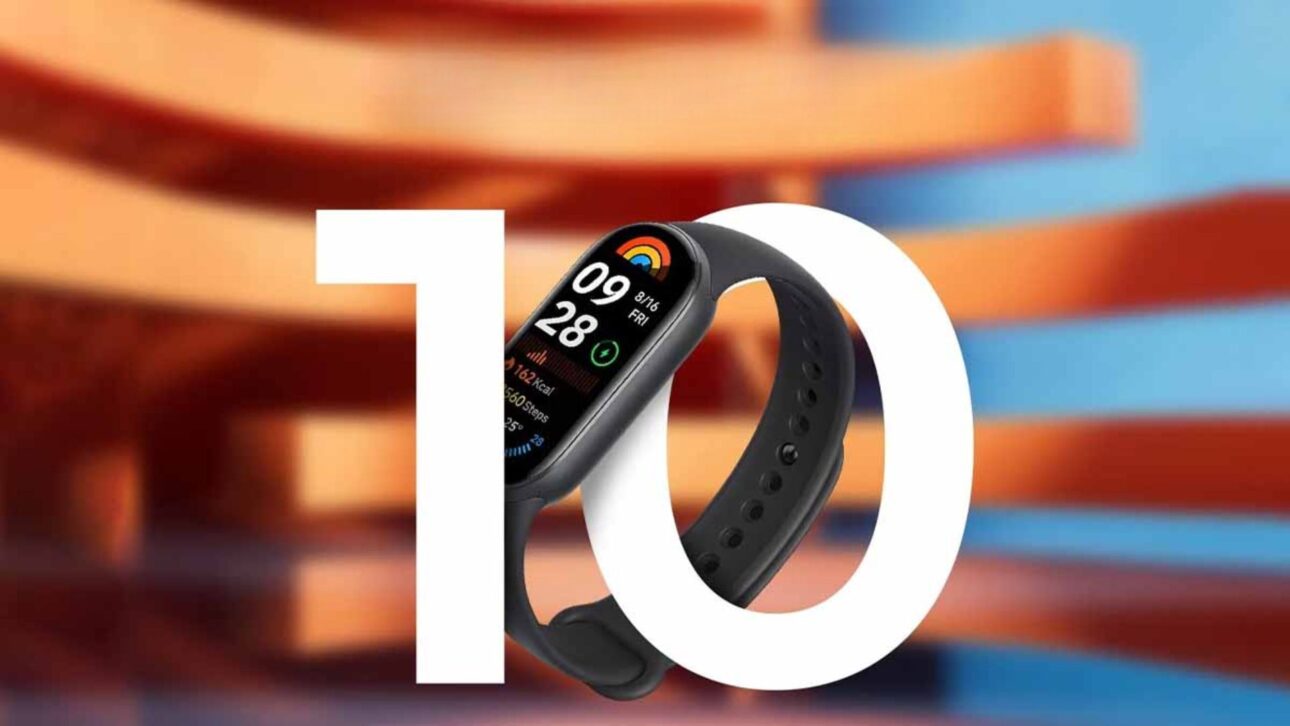
Among the main highlights, the Xiaomi Smart Band 10 was presented as a smart bracelet focused on technology, design, and functionalities geared towards health and fitness monitoring.
Its global launch took place at the end of June 2025, demonstrating the rapid arrival of the product in Brazil.
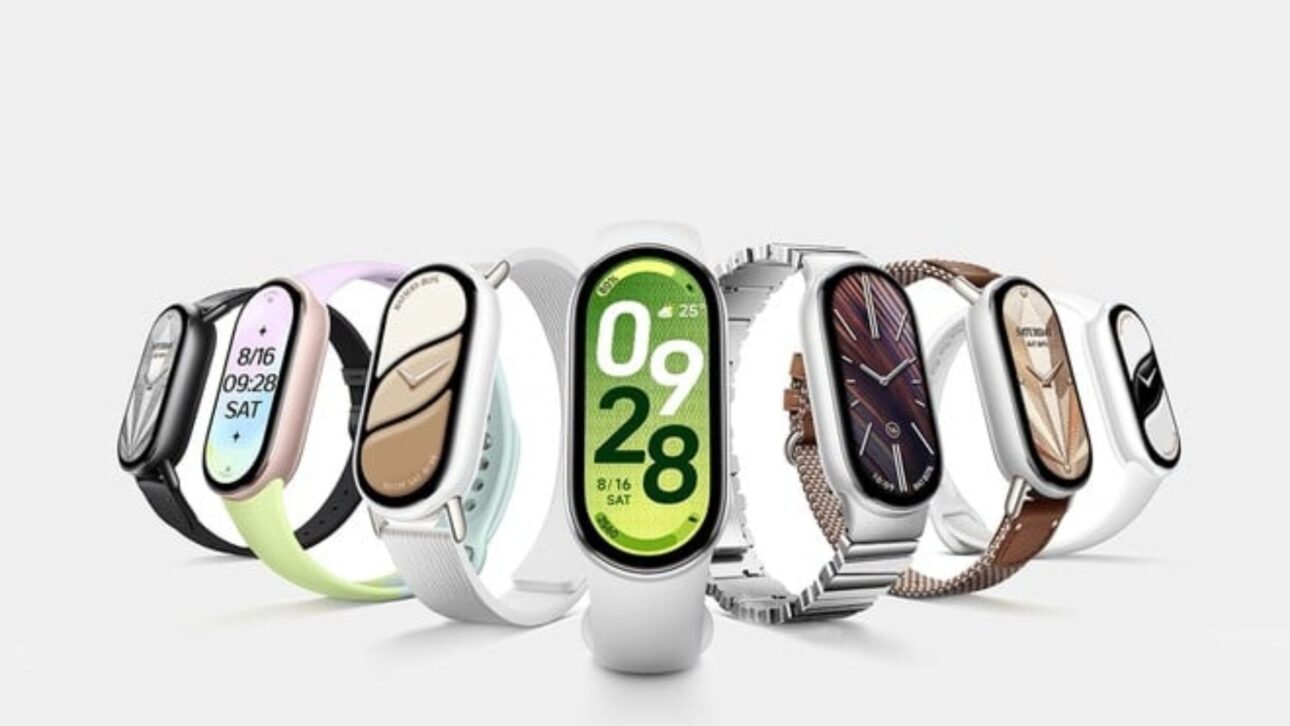
Xiaomi Smart Band 10: AMOLED Display and AI for Health
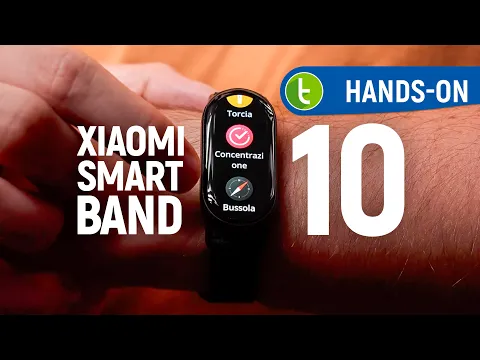
The Xiaomi Smart Band 10 features a rectangular AMOLED display, measuring 1.72 inches, with a refresh rate of 60 Hz and a maximum brightness of 1,500 nits.
These attributes ensure a clear display even in intense sunlight, facilitating outdoor use.
The device’s design combines metallic materials and a variety of finish options, including versions in black, silver, rose gold, and green, as well as premium editions in pearl white ceramic, purple, or gray.
All models come with 5ATM water resistance certification, ensuring protection against immersion at depths of up to 50 meters, according to the manufacturer.
The smart bracelet incorporates features based on artificial intelligence, including automatic exercise detection, continuous heart rate monitoring, blood oxygen level analysis, sleep tracking, and stress level control.
The product also features an Always On Display function, which keeps essential information visible on the screen throughout the day, with a battery life of up to nine days of use without recharging.
Connection with smartphones occurs via Bluetooth 5.4, a technology that provides greater stability and range.
In addition to traditional health monitoring functions, the Xiaomi Smart Band 10 focuses on smart solutions to optimize workouts and create personalized routines, reinforcing the brand’s bet on the integration of wearable technology and artificial intelligence.
According to company representatives, “the goal is to simplify the tracking of well-being indicators and make physical activity more efficient for the user”.
Redmi Pad 2: Performance and Battery Life
In the tablet segment, Xiaomi presented the Redmi Pad 2 as an alternative for consumers seeking a second screen with performance and battery life.
The device features an 11-inch IPS LCD panel, with a resolution of 2,560 x 1,600 pixels and a refresh rate of 90 Hz, along with a brightness of up to 600 nits, ideal for browsing, video streaming, and using applications in various environments.
The unibody metal design gives the device a thickness of only 7.36 mm and a weight of 510 grams, providing portability and robustness.
The Redmi Pad 2 arrives in the country equipped with a MediaTek Helio G100-Ultra processor, paired with options of 4 GB or 8 GB of RAM and up to 256 GB of internal storage.
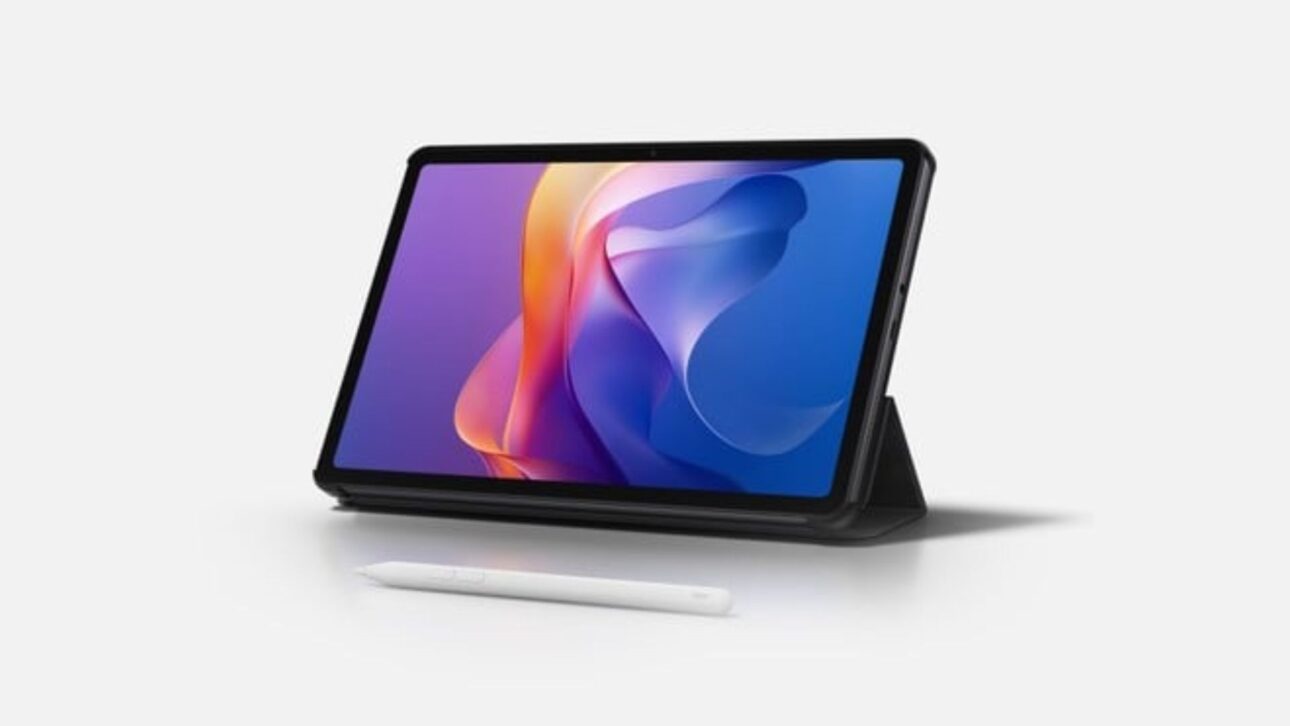
The model supports Wi-Fi 5, Bluetooth 5.3, and a 9,000mAh battery with 18W fast charging via USB-C 2.0, ensuring autonomy for prolonged use in professional activities, studies, or entertainment.
For photos and video calls, the tablet features a 5-megapixel front camera and an 8-megapixel rear camera.
The operating system is HyperOS 2, an interface based on Android 15, which promises frequent updates and access to the main applications available in the Google ecosystem.
According to Xiaomi, “the long-lasting battery and robust performance make the Redmi Pad 2 a versatile option for those seeking productivity and for those who value digital entertainment”.
The launch comes amid a growing tablet market in Brazil, driven by demands for remote learning, hybrid work, and media consumption.

Prices, Availability, and News for Brazil
Regarding availability and pricing, the Xiaomi Smart Band 10 is available in black, silver, and rose gold, with a suggested retail price of R$ 599.99.
The Redmi Pad 2 has two options:
- 4 GB of RAM and 128 GB of storage: R$ 2,249.99
- 8 GB of RAM and 256 GB of storage: R$ 2,649.99
The products can be found on the brand’s official website and at major national retailers, with warranty and local technical support.
The company also confirmed that the Redmi Pad 2 4G will be launched in the Brazilian market throughout 2025, expanding the range of options for consumers interested in mobile connectivity.
Expansion and Trends in Wearable Technology
The launch of these two products reinforces Xiaomi’s strategy to cater to different user profiles, from technology enthusiasts to those seeking practical and accessible solutions for everyday life.
The integration of artificial intelligence and the focus on health monitoring features align with a global trend of personalization and automation in wearable devices and personal electronics.
In the current scenario, how have wearable technology and tablets impacted the routines of Brazilians, and what functionalities are truly valued in daily life?







-

-

-

-

6 pessoas reagiram a isso.