





 Portuguese
  English
  Spanish
  3 min of reading


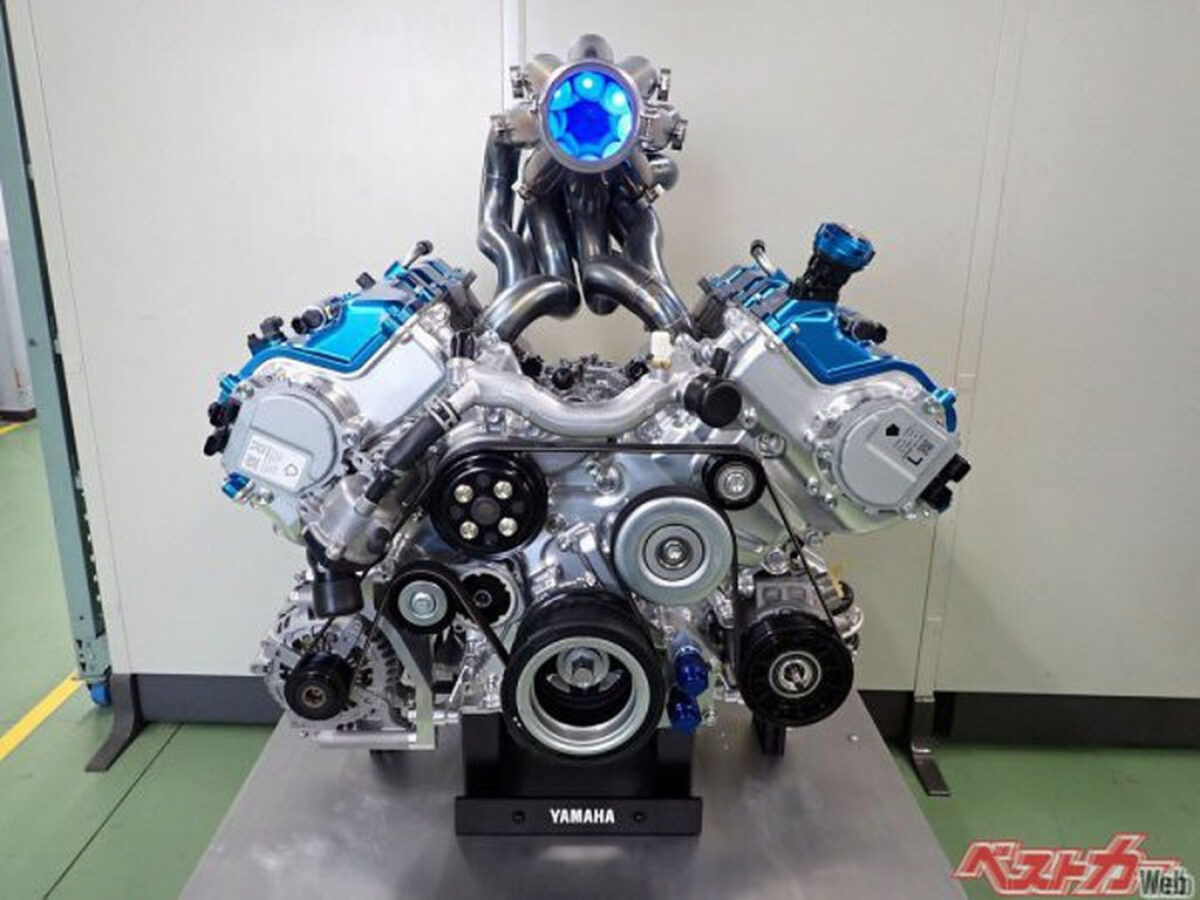
Yamaha Is Advancing with Hydrogen Usage, Just Created the First Hydrogen-Powered V8 Engine Based on the Lexus LC500 and LC-F for the Automotive Industry
Yamaha is quite famous for producing engines for the automotive industry and has even ventured into creating its own car models, although these were only concepts. Nevertheless, even as an important player in motorcycles and musical instruments, Yamaha remains committed to engineering for the future, and has now launched the first hydrogen-powered V8 engine.
Read Also
Yamaha’s Hydrogen-Powered Engine Has Base on Lexus LC500 and LC-F Engine
As hydrogen fuel emerges as an alternative to electric cars, Yamaha has decided to modify its 5.0 V8 engine to use the fuel.
The Japanese company used the LC-F and LC500 engine as a basis, developing new cylinder heads, intake manifolds, and injection systems. As a result, the new hydrogen-powered engine in the automotive industry produces 455.5 horsepower and 55.1 kgfm.
-
A French brand placed a car on four huge red balloons to prove that its suspension made the vehicle “float,” and the surreal scene became one of the most iconic and unusual images in automotive history.

-
Jeep Avenger begins production in Brazil, debuting as the brand’s new entry-level SUV and inaugurating an unprecedented phase by becoming the first national Jeep manufactured outside of Goiana, as part of a R$ 3 billion plan.

-
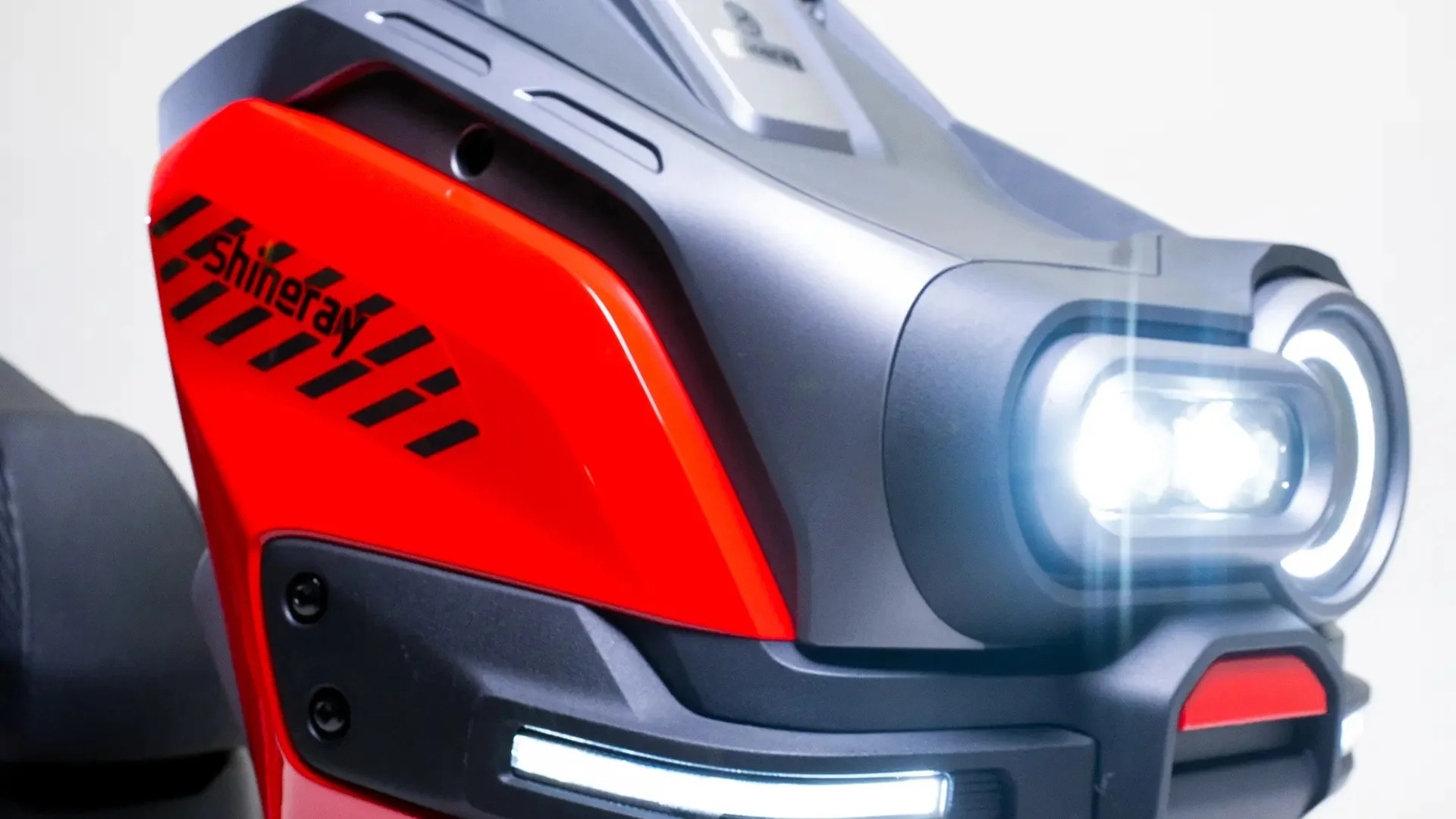
Costing R$ 12,490, the new Shineray Urban Lite 150 “cheap one” arrives in Brazil with a CVT transmission, digital dashboard, and LED lights, making it more affordable than the Biz and targeting those who want to abandon the bus.
-
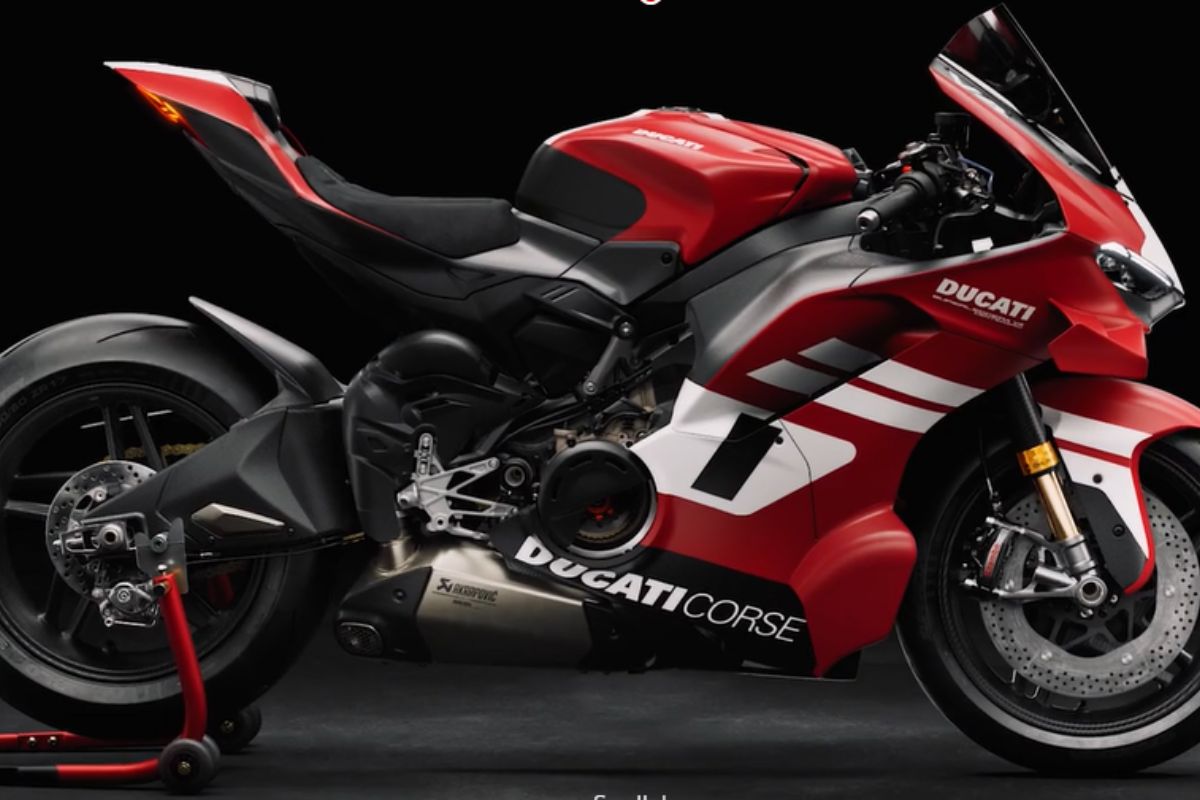
Ducati brings to Brazil the Superleggera V4 Centenario: 228 hp that become 247 with a track kit, carbon fiber and carbon-ceramic brakes, estimated price between R$ 1.5 and 2 million, deliveries only in 2027.
This is enough to move the large Lexus coupe, as well as the LS sedan. The modification of the 5.0 V8 engine made by Yamaha for the automotive industry claims that Toyota will not use hydrogen engines only in the more modest models.
Toyota Is Advancing with Hydrogen Use in the Automotive Industry
Toyota is using hydrogen on tracks with the Corolla in its touring version, featuring a variant of the G16E-GTS engine from the GR Yaris. This same engine is placed in the production Corolla, as well as in the upcoming Prius. There is a possibility it may be used in all models based on GA-C (TNGA).
If the intention is to further increase the presence of hydrogen engines in the brand’s cars, the automaker could use an intermediate engine between the 1.6 three-cylinder and the 5.0 V8 from Lexus. In this case, a 3.0 V6 or a four-cylinder could fit between the two.
As it does not place its bets solely on electric cars, Toyota wants more options to stay on top. With the use of hydrogen fuel cells in the automotive industry, it should meet the demand for cars using natural gas and establish itself more solidly in countries like the USA and China, as well as the European Union. In Brazil, flex technology is already being explored.
Learn How Hydrogen-Powered Engines Work
Unlike hydrogen-powered electric cars, which use a battery to power the engine through a chemical reaction between oxygen and hydrogen, these engines generate energy through combustion. It operates similarly to a gasoline engine: the fuel cell is filled with hydrogen gases, where the mixture is compressed by the pistons, providing energy to the networks.
The differences lie in the exhaust and injection systems, as well as the absence of heavy batteries, as seen in 100% electric or hybrid cars. According to Naoyuki Sakamoto, chief engineer at Toyota, the company aims to propose various solutions to meet the regional needs of each part of the world.
One of the main challenges for the Japanese in manufacturing the hydrogen-powered engine is creating an injection system capable of managing the fuel while achieving stable combustion.










-

-

3 pessoas reagiram a isso.