





 Portuguese
  English
  Spanish
  3 min of reading
  0 comments


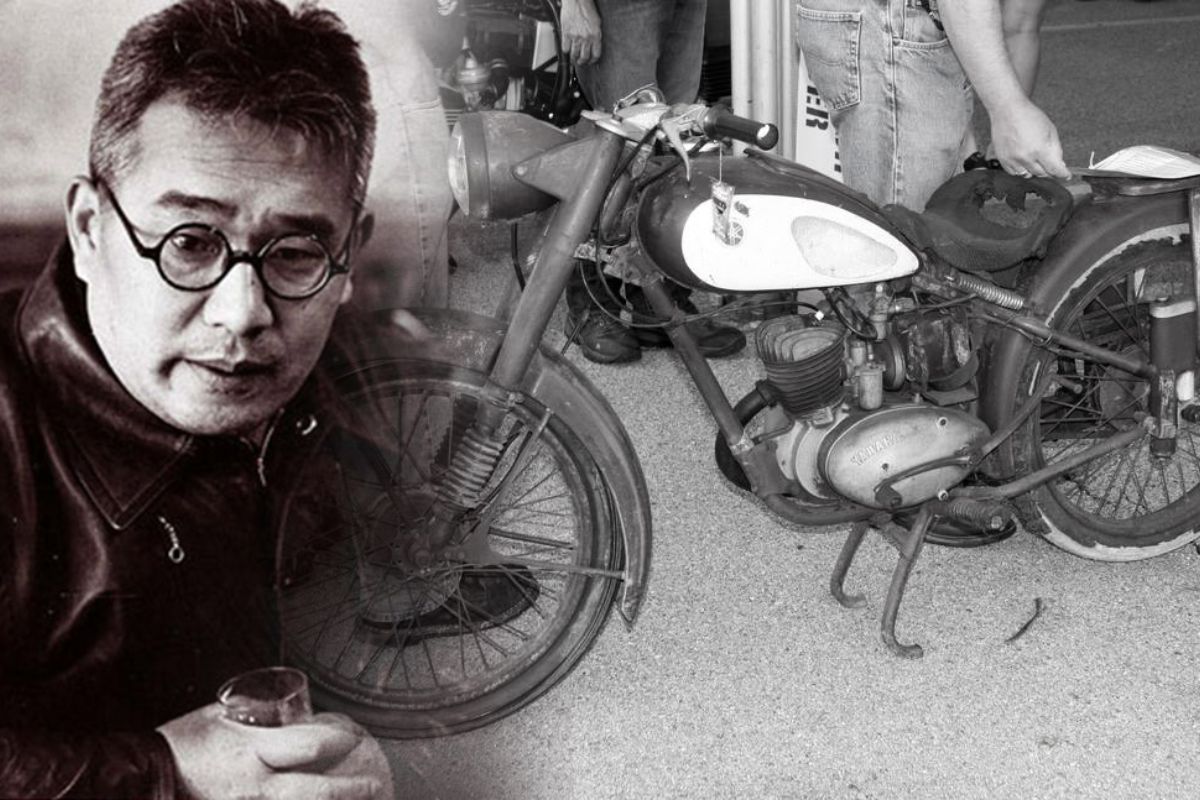
The History of Yamaha Is One of Two Creations: The Musical Instruments Brand, Founded by Torakusu Yamaha in 1887, and the Famous Motorcycle Division, Established by Genichi Kawakami in 1955.
The question “who created Yamaha?” has a dual and fascinating answer. The brand, which today is synonymous with both pianos and guitars as well as motorcycles and boat engines, actually represents two distinct companies, born in different times and with different founders, but sharing the same origin of technical excellence.
According to the official Yamaha Motor website, while the original brand was created in the 19th century by a skilled musical instrument craftsman, the engine division, which conquered the roads and seas, only emerged more than half a century later, under the leadership of a visionary who decided to use the company’s machinery for a new purpose.
The Dual Identity of Yamaha: Musical Instruments and Engines
Despite being two independent companies today (Yamaha Corporation and Yamaha Motor Co.), both share the same brand and the iconic logo of three crossed tuning forks.
-
Spain surprises the world by erecting 62 artificial dunes, mixing sand with natural remains of posidonia, and causing the structure to lose only 1.4% of its volume in 1 year.

-
With 16 Bulava missiles, improvements in acoustic stealth, and a design focused on silent patrols, Russia’s nuclear submarine was born to ensure Moscow’s invisible retaliation and has become one of the pillars of its maritime strength.

-
‘Populous’ city in Rio among the worst in Brazil in national ranking and exposes silent development crisis.

-
Couple buys house in the South Zone of São Paulo, opens a hidden door in the garage, and finds a secret wine cellar with dozens of old wines forgotten since the 1970s.

This symbol directly refers to the musical origin of the company. The precision and technical excellence required to manufacture musical instruments were the foundation that, decades later, would give rise to the production of high-performance engines.
The Beginning of Everything: Torakusu Yamaha and the Passion for Precision (1887)
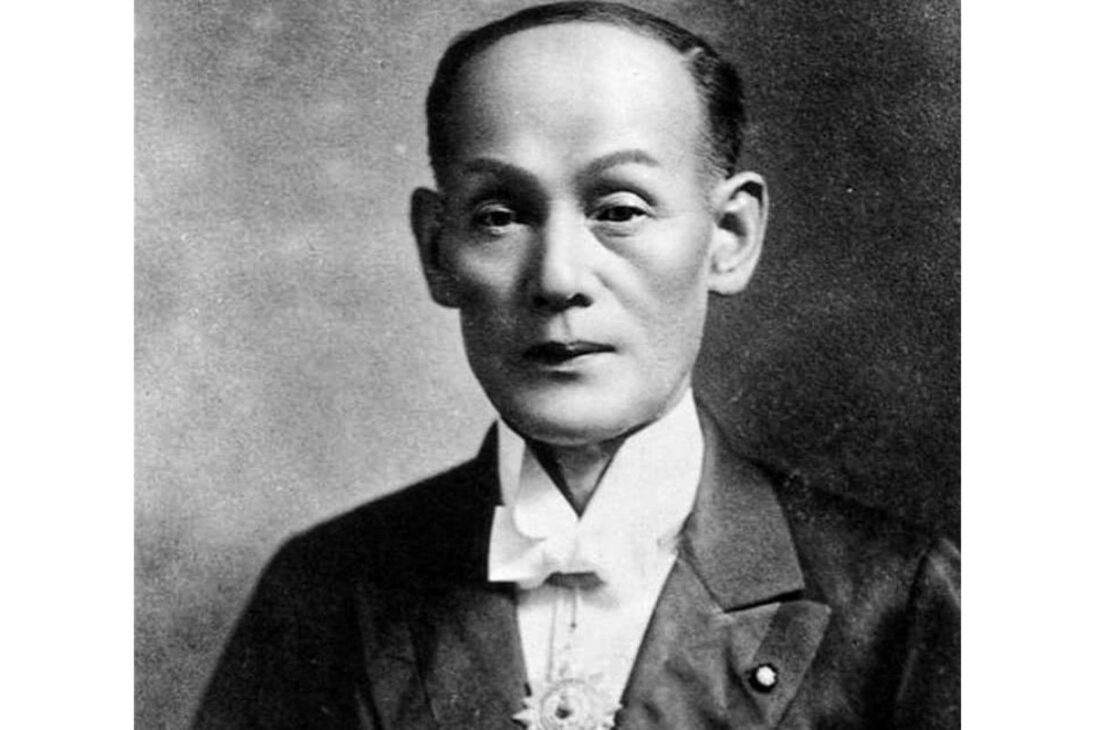
The founder of the Yamaha brand was Torakusu Yamaha (1851-1916), a skilled technician of medical equipment. The story of the company began in an unusual way in 1887, in the city of Hamamatsu, Japan.
That year, Torakusu was called to repair an imported reed organ at a school. Enchanted by the complexity of the instrument, he decided to build his own version. The success of the project led him to establish Nippon Gakki Co., Ltd. (Japanese Musical Instruments Company) on October 12, 1897. In 1987, the company was officially renamed Yamaha Corporation, in honor of its founder.
The Birth of Yamaha Motor: The Division That Conquered the Tracks (1955)
After World War II, Nippon Gakki (Yamaha) had advanced machinery and great metallurgy experience, acquired from producing propellers for warplanes. In 1953, the then-president of the company, Genichi Kawakami, had the vision to use this industrial capacity for a new purpose.
Under his direction, the company decided to enter the competitive motorcycle market. On July 1, 1955, the engine division was officially separated as a new company: Yamaha Motor Co., Ltd., with Genichi Kawakami as its first president.
The First Motorcycle: The Legendary YA-1 “Red Dragonfly”
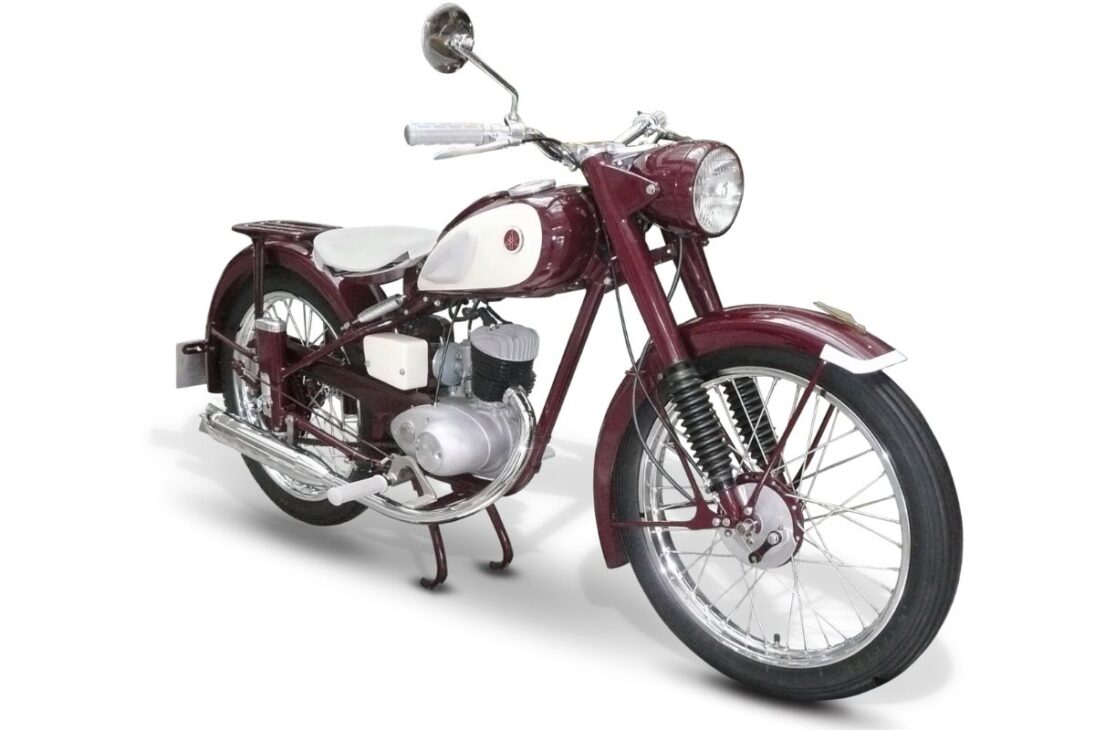
The first motorcycle of the Yamaha brand was the YA-1, launched in 1955. It was a 125cc bike, whose elegant design and reddish-brown paint earned it the nickname “Aka-tombo” (Red Dragonfly).
The success of the YA-1 was immediate, both in sales and in racing competitions, which solidified the decision to create a separate company and marked the beginning of Yamaha’s legendary history in the world of two wheels.
The Legacy in a Symbol: The Three Tuning Forks
The famous logo of Yamaha, featuring the three crossed tuning forks, is a direct heritage from its musical origin. The symbol represents the three pillars of music: melody, harmony, and rhythm.
It has been adopted by both Yamaha Corporation (musical instruments) and Yamaha Motor Co. (engines), representing the quest for excellence and harmony between the product, the customer, and technology in both realms.







Seja o primeiro a reagir!