





 Portuguese
  English
  Spanish
  6 min of reading
  0 comments


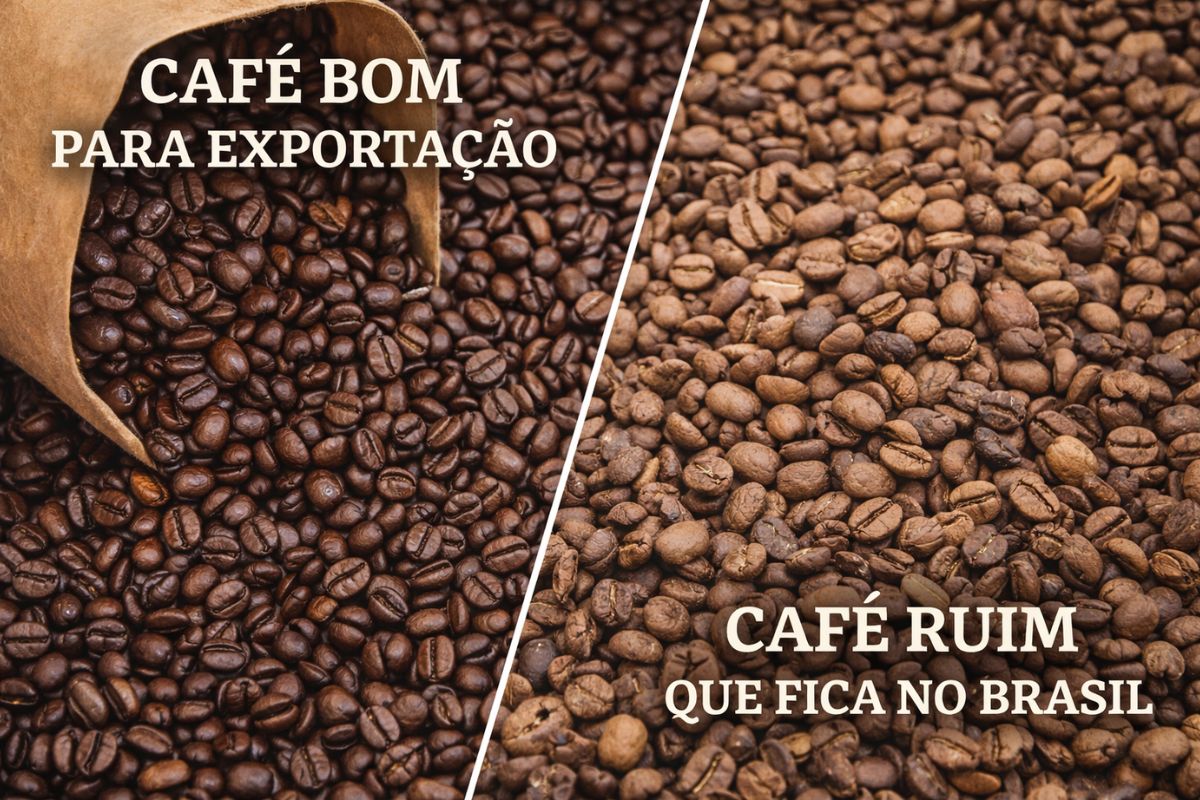
The coffee that Brazilians drank in the 80s had up to 30% fraud with corn, barley, and other roasted grains mixed into the product, but the domestic market underwent a transformation that raised the quality of coffee consumed in Brazil to the point where Brazilian specialty coffees now compete with the best in the world in international competitions
If you grew up in Brazil, you probably heard the phrase that good coffee goes all abroad and what’s left for Brazilians is the leftovers. For decades, this was true. In the 80s, research from the Brazilian Coffee Industry Association (ABIC) revealed that about 30% of the coffee sold in the Brazilian domestic market was adulterated with roasted corn, barley, husks, and other grains that had nothing to do with coffee. The consumer drank a dark and bitter beverage thinking it was pure coffee, and in most cases, it was not.
But this story changed. What few Brazilians realized is that the domestic coffee market underwent a profound transformation in the last three decades. The ABIC Coffee Quality Program, created in the 90s, fought against fraud and forced the industry to offer a genuine product. Today, the coffee that Brazilians drink is incomparably better than that of the 80s, and specialty coffees produced in Brazil compete equally with the best in the world in international competitions.
The coffee that Brazilians drank in the 80s was not always coffee
Brazil has been the largest coffee producer in the world since the 19th century. But for much of the 20th century, the commercial logic was simple: the best beans went for export because they paid more, and the domestic market was left with what was not of quality to be sold abroad.
-
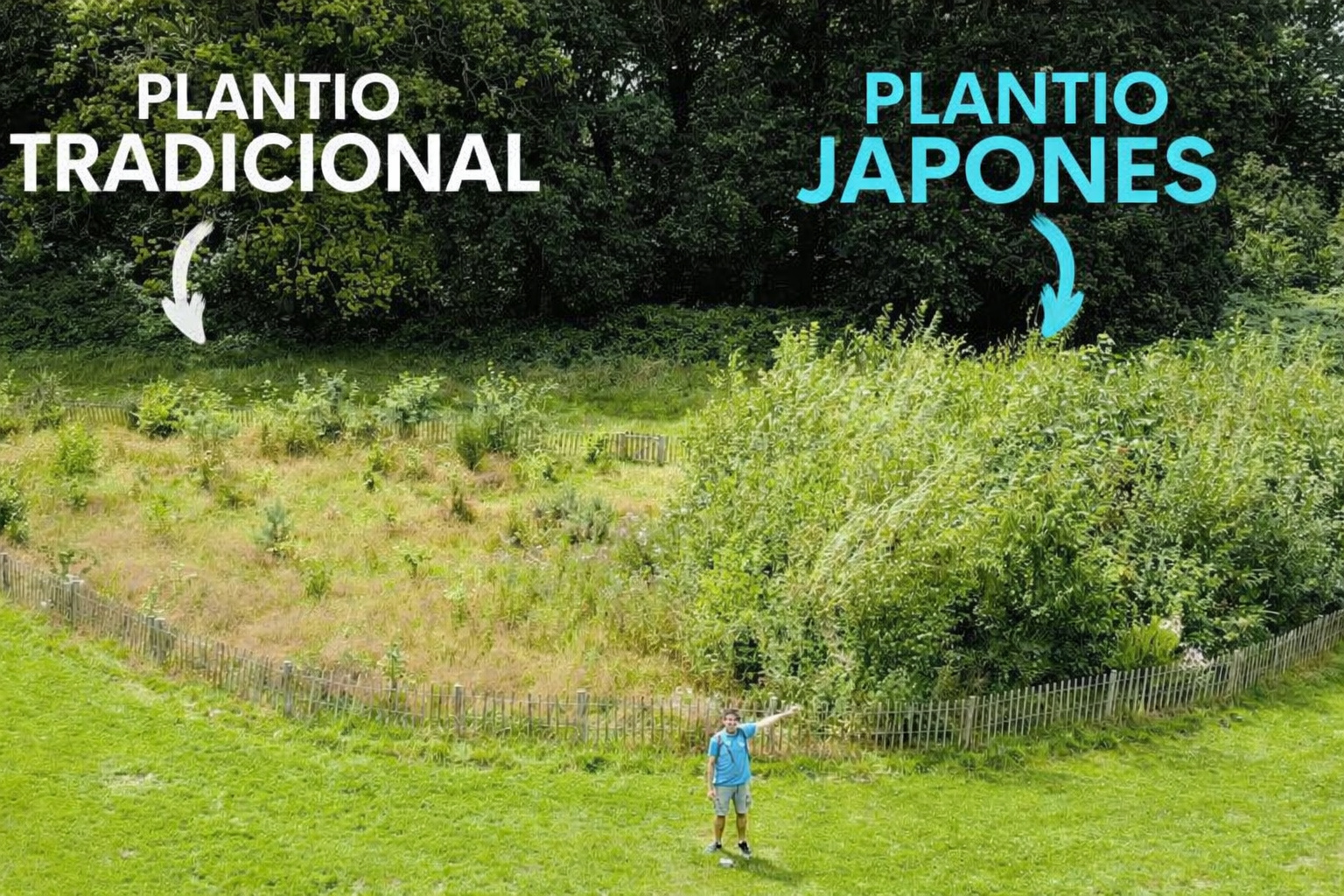
Engineer creates reforestation method that transforms small plots into dense forests in a few years using local biomass and can reduce environmental recovery costs.
-
Alone, the producer applies 7,400 hectares with the T100 drone in an optimized structure, replaces the generator with a silent battery, and demonstrates how technology reduces costs, increases productivity, and even challenges the uniport in the field.

-
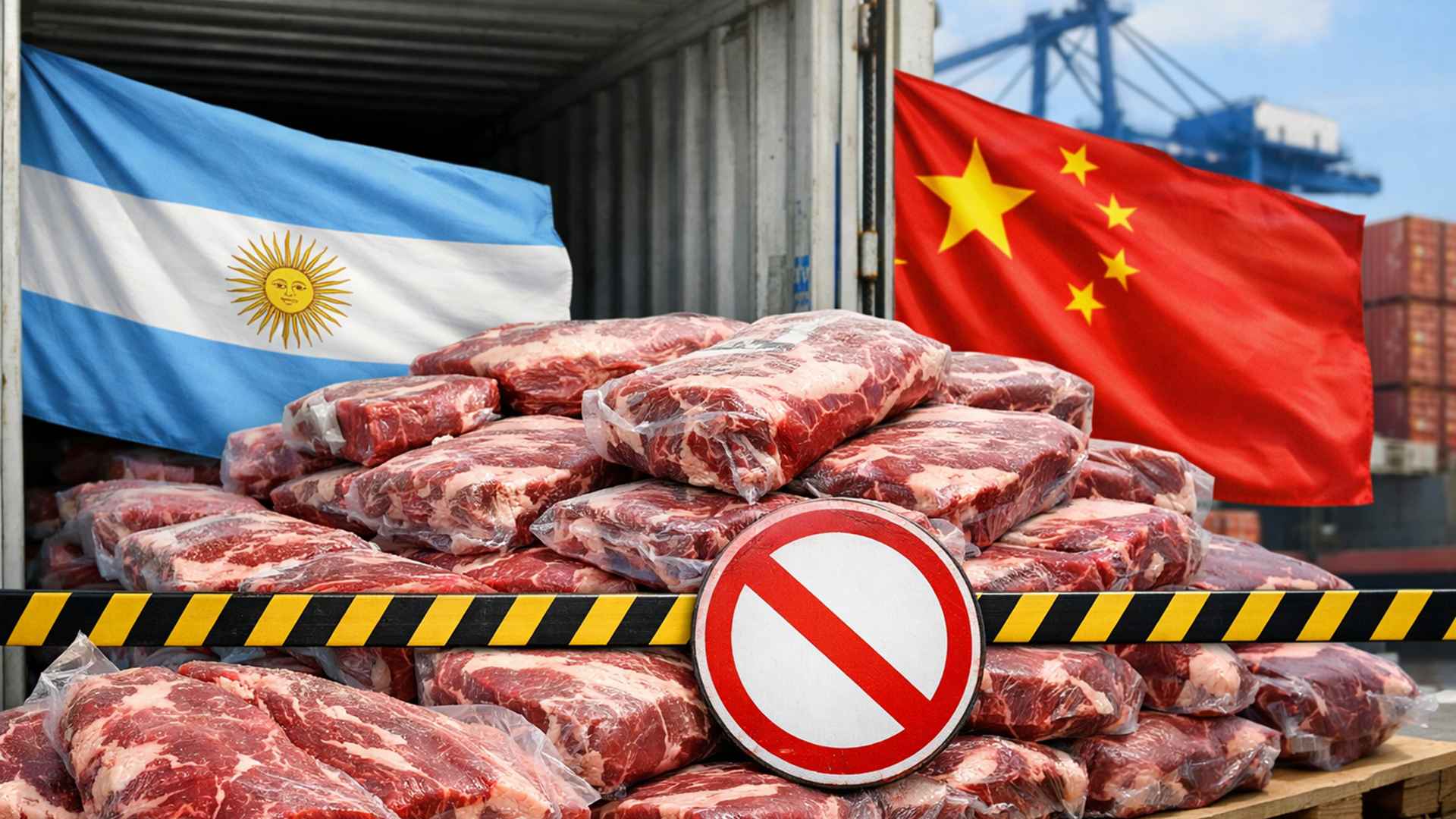
China banned the export of 22 tons of meat from Argentina.
-
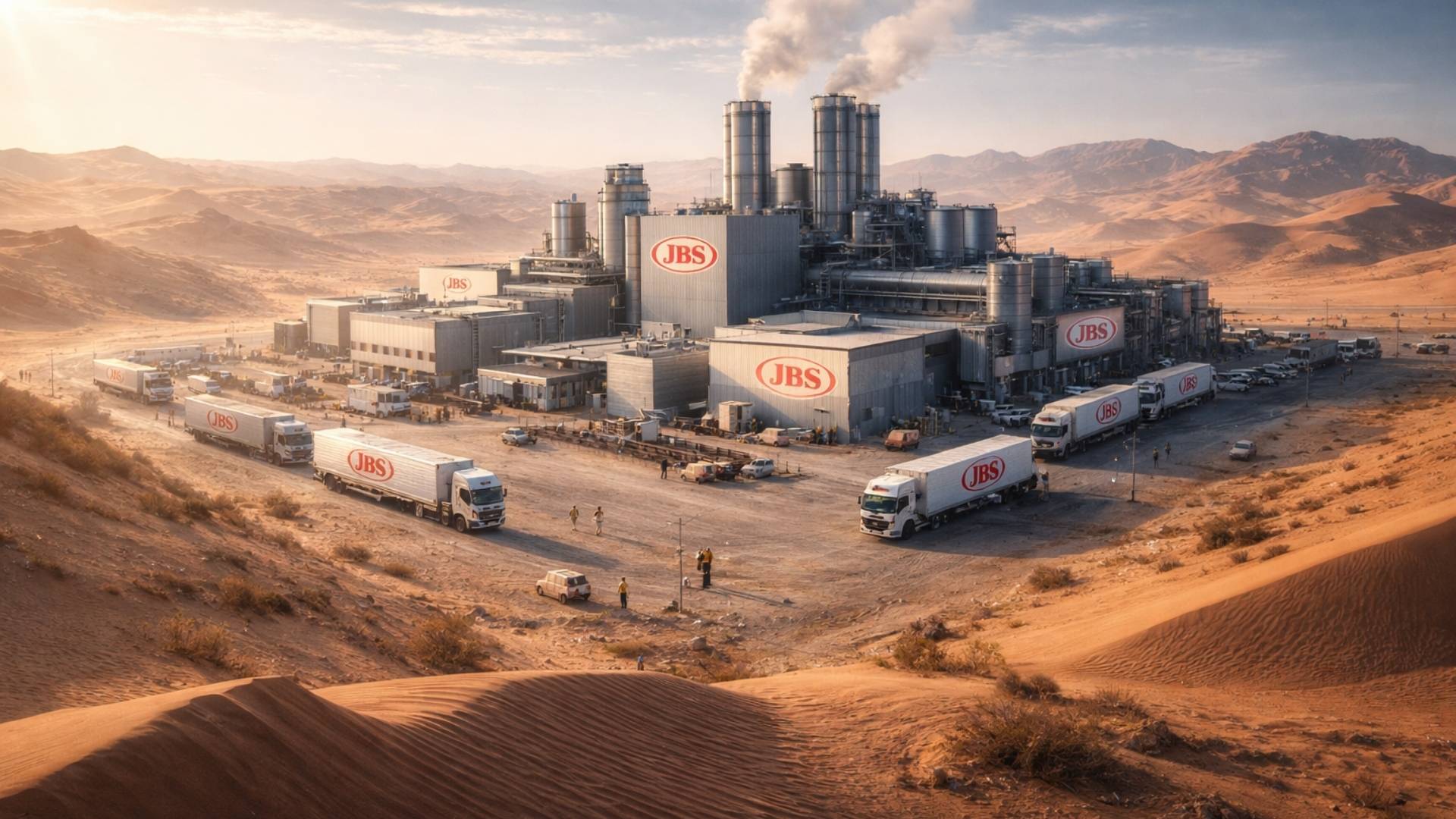
JBS, founded by the Batista brothers, continues to conquer the world: entrepreneurs built a ‘factory in the desert’ creating 3,000 jobs.

The coffee intended for domestic consumption was made up of defective, broken, fermented beans and, in many cases, mixed with foreign materials like corn, barley, and roasted husks.
In the 80s, the situation reached a critical point. Surveys by ABIC identified that up to 30% of the analyzed samples contained adulterations. The Brazilian consumer had no way of knowing what was inside the package because there was no effective inspection or quality seal.
The result was a bitter, dark, and aroma-less cup of coffee that people drank out of habit, but which had little to do with the real flavor of coffee. The fraud was so widespread that it became part of the culture: many Brazilians grew up thinking that coffee was naturally bitter and bad.
The program that changed the quality of coffee in the Brazilian market
The turnaround began in the 90s when ABIC created the Coffee Quality Program (PQC). The goal was to combat fraud, establish minimum purity standards, and create a seal that allowed consumers to identify genuine products.
The program introduced systematic laboratory analyses that detect the presence of corn, barley, and other foreign grains in coffee samples. Brands that did not meet the standards were excluded from the seal.
The impact was gradual but real. As the quality seal gained visibility, consumers began to prefer certified brands, forcing the industry to adapt.
Roasters that previously sold adulterated coffee were forced to improve or lost market share.
The fraud rate, which reached 30% in the 80s, fell drastically over the following decades. The coffee that reached the Brazilian table began to be, in fact, coffee.
The Brazilian specialty coffee that now competes with the best in the world
While the basic quality of coffee in the domestic market improved, another phenomenon was happening in parallel: the rise of Brazilian specialty coffees.
Regions like Cerrado Mineiro, Alta Mogiana, Chapada Diamantina, Sul de Minas, and Espírito Santo began producing high-quality beans rated above 80 points on the Specialty Coffee Association (SCA) scale.
Brazilian coffees began to win awards in international competitions, something that would have been unthinkable when 30% of the coffee sold in the country was adulterated.
The domestic market for specialty coffee also grew. Third-wave coffee shops spread across the capitals, and the Brazilian consumer began to value characteristics such as origin, altitude, drying process, and sensory profile.
The same country that sold coffee mixed with corn to its own people now produces microlots that compete on equal footing with coffees from Ethiopia, Colombia, and Guatemala.
The transformation was complete, but it happened so gradually that many Brazilians still repeat the phrase that good coffee goes all abroad.
Why many Brazilians still believe that good coffee goes all for export
The belief that the best Brazilian coffee is exported and the worst remains for the domestic market has real historical roots. For decades, this indeed happened, and the collective memory preserves this information even after reality changed.
The problem is that the phrase got stuck in the 80s while the Brazilian coffee market evolved radically in the following decades.
Today, Brazil is simultaneously the largest producer and the second-largest consumer of coffee in the world. The volume consumed domestically is enormous, and the quality of coffee available to Brazilians is incomparably superior to that of the 80s.
Specialty coffees that were once exclusive for export are now available in local roasters, supermarkets, and coffee shops across the country. The narrative that the good goes abroad still exists, but the data no longer supports it.
What changed from the cup of the 80s to the cup of 2026
The difference between the coffee that Brazilians drank in the 80s and what they can drink today is the difference between a fraudulent product and one of the best in the world.
In the 80s, the coffee in the domestic market had up to 30% adulteration. In 2026, the Brazilian consumer has access to internationally awarded specialty coffees, with traceability of origin and defined sensory profile.
This transformation did not happen on its own. It was the result of inspection, quality programs, competition among roasters, and a consumer who gradually began to demand more.
Coffee ceased to be just a bulk commodity exported and became a value-added product in the very country that produces it. The largest coffee producer in the world has finally learned to drink real coffee.
The history of Brazilian coffee is greater than the phrase you grew up hearing
The phrase that good coffee goes all abroad and the bad stays for Brazilians was once true. In the 80s, 30% of the coffee sold here was adulterated with corn and barley.
But the market changed, inspection improved, and the coffee that Brazilians drink in 2026 is incomparably better.
Specialty coffees from Brazil win international awards and are available for anyone who wants to try.
The story of Brazilian coffee does not end with the phrase that your parents repeated: it continues to be written with each harvest.
Do you still believe that good coffee goes all abroad? Have you tried a Brazilian specialty coffee? Or do you think that supermarket coffee is still the same as in the 80s? Leave your thoughts in the comments and share this article with anyone who loves coffee and needs to know this story.








Seja o primeiro a reagir!