





 English
  Francês
  Alemão
  Italiano
  Japonês
  Norueguês
  Portuguese
  Spanish
  5 min of reading
  0 comments


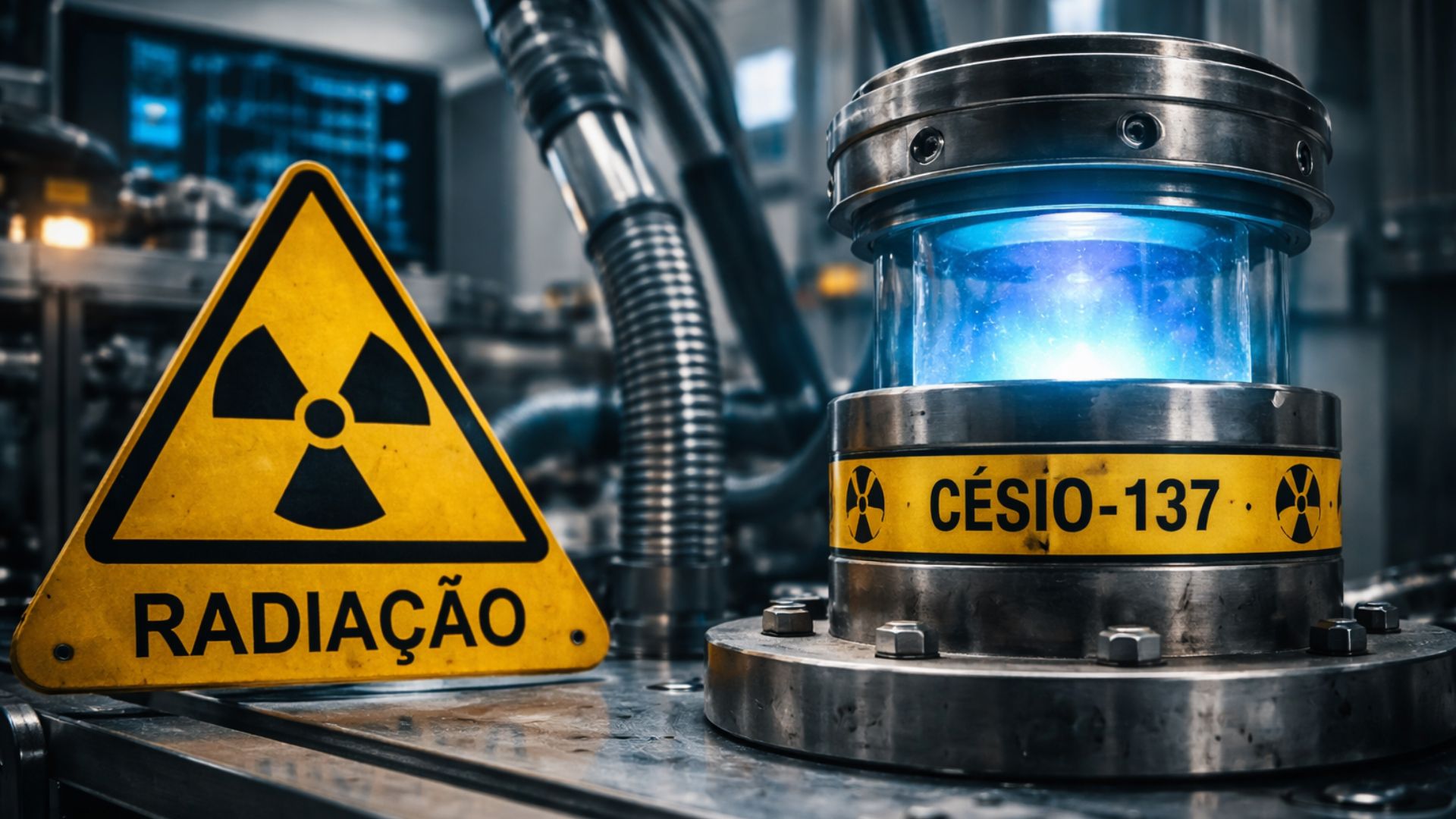
Understand where Cesium-137 is present in daily life, how equipment uses radiation safely, and what care is essential to avoid contamination and health risks.
The recent impact of the miniseries Radioactive Emergency has reignited an important and urgent debate: Cesium-137 is still present in various equipment used daily in areas such as medicine, industry, and research. According to a publication from Tecmundo, although the radiation emitted by this element is fundamental in several processes, the risk of contamination remains a real concern when there is no adequate control.
The topic has returned to the center of attention because it is directly linked to the largest radiological accident in Brazil, which occurred in Goiânia in 1987. At that time, the improper handling of an abandoned radiotherapy device resulted in a disaster classified as level 5 on the International Nuclear Event Scale. The episode caused four immediate deaths and affected thousands of people, leaving scars that persist to this day.
Despite this history, Cesium-137 continues to be used in modern equipment due to the real benefits of radiation. The central point is responsible use, with strict protocols to avoid any type of contamination.
-
A Canadian sculptor spent two years handcrafting a life-sized Game of Thrones dragon, standing 12 meters tall, weighing 6,800 kilograms of stainless steel, and featuring a system that breathes real fire from its mouth.
-
With 1,500 acres, a network of gigantic underground bunkers, and more than 100 cranes, satellites reveal that China is quietly erecting a colossal military city that could be 10 times larger than the Pentagon and is already alarming the U.S.
-
Few people know, but São Paulo houses in Itaquera one of the largest cherry blossom groves in the world, with 2,300 trees outside of Japan.

-
With 905 meters, China has built the world’s largest urban escalator in Chongqing, overcoming a height difference of more than 240 meters, equivalent to 80 floors, and reducing the journey from 1 hour to just 20 minutes.


What makes Cesium-137 so relevant and at the same time dangerous
Cesium-137 is a radioactive isotope generated from the nuclear fission of elements such as Uranium-235. It has a half-life of about 30 years, which means it can remain active in the environment for decades.
During its decay process, the element emits two types of radiation: beta and gamma. The former can cause direct damage to tissues, while the latter is highly penetrating, easily reaching internal organs.
This combination makes Cesium-137 especially dangerous in cases of improper exposure. The radiation can alter cells, compromise the functioning of the body, and, in more severe situations, cause diseases such as cancer. Therefore, strict control in equipment is essential to avoid contamination.
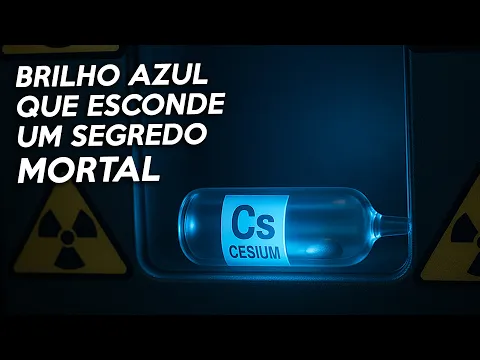

How Cesium-137 radiation saves lives in medicine
Even though it is dangerous, Cesium-137 plays an important role in modern medicine. The radiation emitted by the element is used in equipment that helps to treat and diagnose diseases accurately.
In radiotherapy, for example, the released energy is directed to destroy cancer cells. This process helps to reduce tumors and increase patients’ chances of recovery.
Additionally, radiation is also used to sterilize medical materials, eliminating microorganisms and reducing risks of hospital contamination. This use is essential to ensure safety in surgical procedures.
Among the main medical applications, the following stand out:
- Cancer treatment through radiotherapy
- Sterilization of surgical instruments
Even with technological advancements and the use of other elements, Cesium-137 still appears in some equipment, especially in older systems.
Equipment with Cesium-137 is also in industry and in your daily life
Many people do not know, but Cesium-137 is present in various industrial equipment. In these cases, radiation is used to improve processes, increase precision, and reduce failures.
In the food industry, for example, irradiation helps eliminate bacteria and fungi that can cause contamination. This process helps to increase the shelf life of food without compromising quality.
It is important to highlight that irradiated food does not become radioactive. The radiation acts only during the process, within controlled equipment.
Other industrial applications include:
- Level measurement in tanks and silos
- Density and moisture control
- Material thickness evaluation
- Quality control processes
These technologies show how Cesium-137 can be useful when applied safely.
Contamination by Cesium-137: what happened in Goiânia and why it still concerns
The case of the Goiânia Radiological Accident is a landmark in the history of contamination by Cesium-137. The accident began when an abandoned radiotherapy device was dismantled by people without technical knowledge.
Inside the device was a capsule containing the radioactive material. The bluish powder, which glowed in the dark, attracted attention and ended up being handled improperly.
The consequences were severe:
- Four confirmed deaths
- about 249 people directly contaminated
- Thousands affected indirectly
The episode highlighted how the lack of control in equipment with radiation can generate devastating impacts.

Where else has Cesium-137 caused contamination around the world
Cesium-137 has also been present in major international nuclear disasters. These events reinforce the risks associated with radiation when there are security failures.
Among the main cases are:
- Chernobyl
- Fukushima
- Bombings of Hiroshima and Nagasaki
In these episodes, large quantities of radioactive material were released, causing widespread environmental contamination and lasting impacts on human health.
Essential measures to avoid contamination in radiation equipment
Safety in the use of Cesium-137 depends on strict protocols. Handling the element in equipment requires specific care to avoid exposure to radiation.
Among the main measures are:
- Use of shielding with lead, concrete, or steel
- Strict control by regulatory bodies
- Specialized training for operators
- Proper disposal of old equipment
In Brazil, oversight is carried out by the National Commission on Nuclear Energy, which establishes standards to prevent accidents and contamination.
Shielding is one of the most important points. Cesium-137 is usually stored in capsules protected by dense materials, preventing radiation from escaping.
Why the use of Cesium-137 still makes sense in modern technology
Even with the risks, Cesium-137 continues to be used because it offers important advantages. The radiation emitted by the element allows advancements that would be difficult to achieve with other technologies.
In practice, it contributes to:
- More effective medical treatments
- Reduction of waste in industry
- Greater food safety
- More precise industrial processes
The use in modern equipment is highly controlled, significantly reducing the risk of contamination.
What can we learn from the risks and benefits of Cesium-137
Cesium-137 represents a delicate balance between technological advancement and risk. While radiation offers real benefits in medical and industrial equipment, it requires responsibility and strict control.
Cases like that of Goiânia show that contamination does not happen by chance, but rather due to human failures, negligence, and lack of information.
On the other hand, when there is regulation, training, and appropriate technology, the use of the element becomes safe and extremely useful.
The main lesson is clear: the danger lies not only in radiation, but in how it is used. Information, oversight, and responsibility are the pillars to ensure that the benefits of Cesium-137 outweigh its risks.






Seja o primeiro a reagir!