





 Portuguese
  English
  Spanish
 4 min of reading
  15 comments


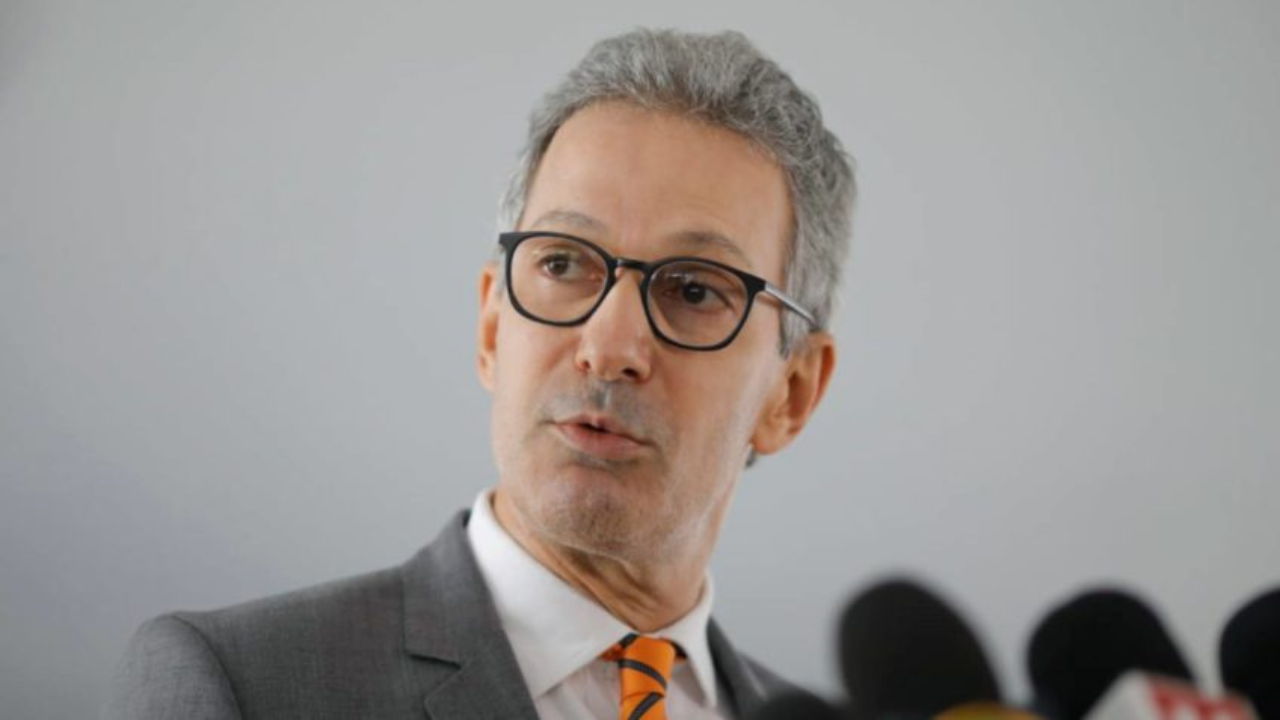


Disrespect For State Law And Judicial Decisions By The Government Of Minas Alerts About The Dismantling Of Public Assets!
The Minas Gerais Electric Company (Cemig) completed the sale of four more hydropower plants to Âmbar Hidroenergia Ltda., a company of the J&F group, owned by brothers Joesley and Wesley Batista.
The contract, signed on February 21, occurs in a context of legal disputes related to the sale of a previous batch composed of 15 plants, whose transaction was interrupted by the courts in December 2023 for failing to meet legal requirements, such as conducting a public consultation and approval by the Legislative Assembly of Minas Gerais (ALMG).
The acquired hydropower plants are located in Juiz de Fora and Manhuaçu, in the Zona da Mata region; in Águas Vermelhas, in Norte de Minas; and in Uberlândia, in the Triângulo Mineiro.
-
Brazil produces too much clean energy and doesn’t know what to do with it: over 20% of solar and wind capacity was wasted in 2025 while investors flee and 509 renewable generation projects were abandoned in the last year.

-
Piauí will produce a new fuel that replaces diesel without needing to change anything in the truck’s engine and reduces pollutant gas emissions by half: truck drivers from all over the Northeast are already celebrating the news that will arrive later this decade.

-
A new Brazilian shopping center worth R$ 400 million will be built in an area equivalent to more than 4 football fields, featuring 90 stores, 5 cinemas, a supermarket, a college, and parking for 1,700 cars, potentially generating 3,000 jobs.

-
Larger than entire cities in Brazil: BYD is building a 4.6 km² complex in Bahia with a capacity for 600,000 vehicles per year, but the discovery of 163 workers in conditions analogous to slavery has shaken the entire project.


Âmbar paid R$ 52 million for the package, including a premium of 78.8% over the expected minimum value.
However, this operation still depends on approvals from the National Electric Energy Agency (Aneel) and the Administrative Council for Economic Defense (Cade).
Criticism Of The Government’s Sale Strategy
The sale takes place against the backdrop of one of the most severe water crises Minas Gerais has faced in recent years, raising significant concerns about the approach of the government led by Romeu Zema (New) in alienating the state’s strategic assets.
In the last two years, Cemig has already disposed of 19 plants, with 15 of those sales made only in 2023. State Deputy Betão (PT) criticized the practice, stating that it is part of a project to dismantle Minas’ state-owned companies. “This is a disrespect to the constitutional right of public consultation and popular referendum. Some of these plants are in strategic areas for the state,” he declared.
Breach Of Law And Legal Action
The transaction of the four hydropower plants reflects a pattern of disrespect for State Law 15.290/2004, which stipulates the need for a public consultation and approval by a qualified majority in the Legislative Assembly of Minas Gerais (ALMG), that is, 48 out of 77 deputies, for the sale of subsidiaries of Cemig or shareholdings.
This legislation was established during the government of Itamar Franco (1998-2002) to ensure public control over assets considered strategic.
In August 2023, Cemig sold 15 hydropower plants to Mang Participações e Agropecuária Ltda., without complying with these legal requirements.
This operation was suspended in December by the 2nd Public Treasury and Autarchies Court of Belo Horizonte, in response to a popular action presented by the Federation of Urban Workers of Minas Gerais.
Cemig appealed this decision, and the process is still ongoing. Despite this situation, the company proceeded with the sale of the new batch, once again ignoring legal obligations.
Impacts On Workers And The Population
According to Emerson Andrada, general coordinator of the Minas Gerais Electric Industry Workers Union (Sindieletro-MG), privatizations constitute a direct attack on the rights of workers and the population of Minas Gerais.
“In the electric sector, this process has a history of mass layoffs, outsourcing, and deterioration of working conditions, with an increase in fatal accidents,” he emphasized.
He also warned that privatization tends to raise electricity tariffs and undermine service quality, in addition to threatening universal access to electricity.
“Private companies have no commitment to regional development. They only invest where there is higher profitability, which can leave poorer areas underserved,” he explained.
Fragmented Dismantling Strategy Of The Zema Government
As pointed out by Emerson Andrada, the Zema government has followed a strategy of gradual sales of Cemig‘s assets and other state-owned companies, such as Copasa, aiming to circumvent the need for public consultation and legislative approval.
In November 2024, the government submitted to the Legislative Assembly of Minas Gerais (ALMG) proposals aimed at eliminating the requirement for a referendum and the qualified quorum for the sale of subsidiaries.
“What the president of Cemig is doing is the same as what Zema has done with Copasa: selling bit by bit, in a fragmented manner,” denounced Deputy Betão.
He highlighted that the people of Minas Gerais do not support the privatization of essential services such as electricity and water, and that the global trend is the re-statization of these sectors.
Resistance And Mobilization Against Privatizations
The Sindieletro-MG and several other organizations are intensifying their actions against privatizations, promoting a series of awareness campaigns and social mobilizations.
“If Zema continues with this strategy, our response will be to amplify mobilizations and strengthen unity among unions and social movements,” emphasized Emerson.
He also mentioned that the category is considering the possibility of a strike if the government insists on dismantling state-owned companies.
“We have legally notified the competent authorities and maintain constant dialogue with the Public Ministry and the ALMG to prevent these operations from occurring without meeting legal requirements,” he stated.
Lack Of Transparency In Decisions
Experts warn that the population of Minas Gerais is vulnerable to decisions made without due transparency or participation from society, especially in a scenario of water crisis and rising living costs.
The privatization of hydropower plants not only threatens public assets but also compromises the energy and social future of the state of Minas Gerais.
SOURCE: BRASILDEFATO








Governador já vendeu debaixo.do solo pras minetadoras, não satisfeito ainda, agora vai vender o que está acima do solo. Repugnante isto!
Elegeram e reelegeram o Zema em Minas, agora aguenta, mineiro quer dar uma de “esperto”, dá nisto aí.
Esse Governador só pensa nele e em sua ELITE!!! todos sempre souberam disso!!! Ainda bem que não foi eleito por mim!!