





 Portuguese
  English
  Spanish
  4 min of reading
  0 comments


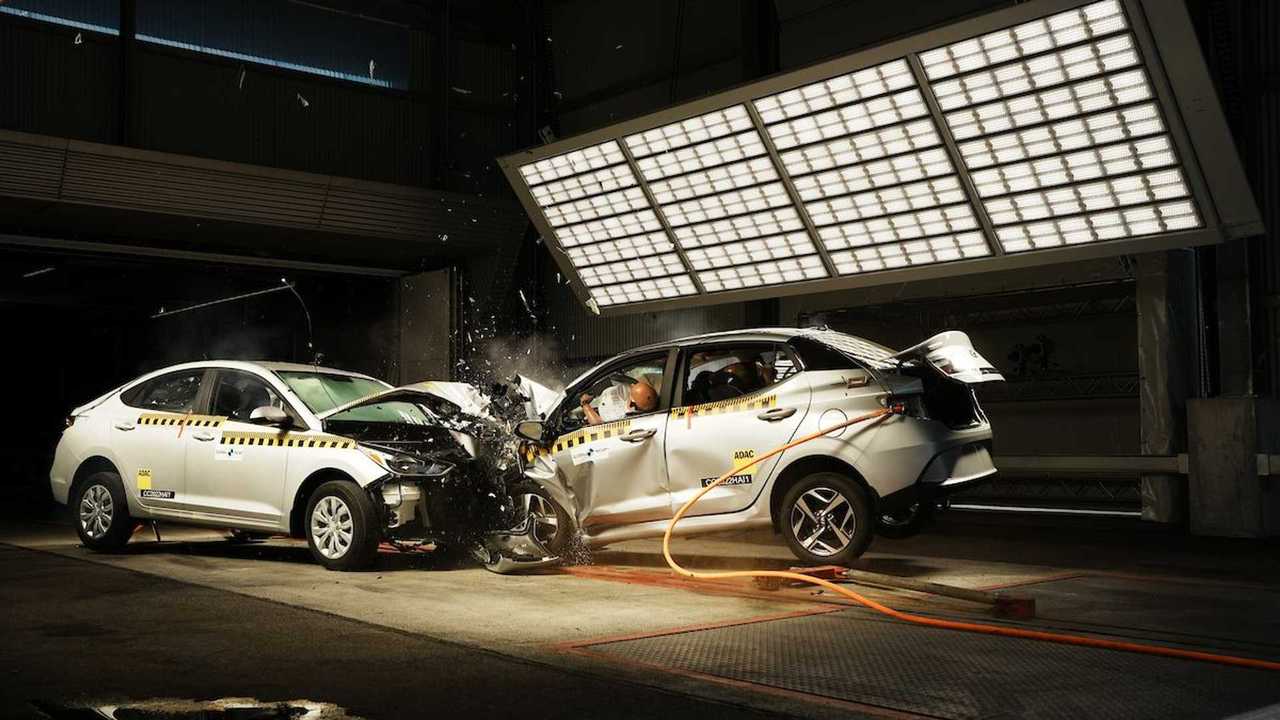
Recent Evaluations by Latin NCAP Placed Three SUVs Sold or Planned for Brazil Among the Worst Performances in Vehicle Safety, with Results Influenced by Structure, Number of Airbags, and Absence of Assistance Systems Analyzed by the Program.
Results released by the Latin NCAP in 2025 placed three models sold or expected to arrive in the Brazilian market among the lowest safety ratings.
Citroën Basalt, Peugeot 2008, and Toyota Yaris Cross received, respectively, zero, one, and two stars in the tests of the independent program, which analyzes vehicle performance in Latin America and the Caribbean.
The scores reflect the performance of the models in four main areas: adult occupant protection, child occupant protection, pedestrian and vulnerable road user protection, and safety assistance.
-
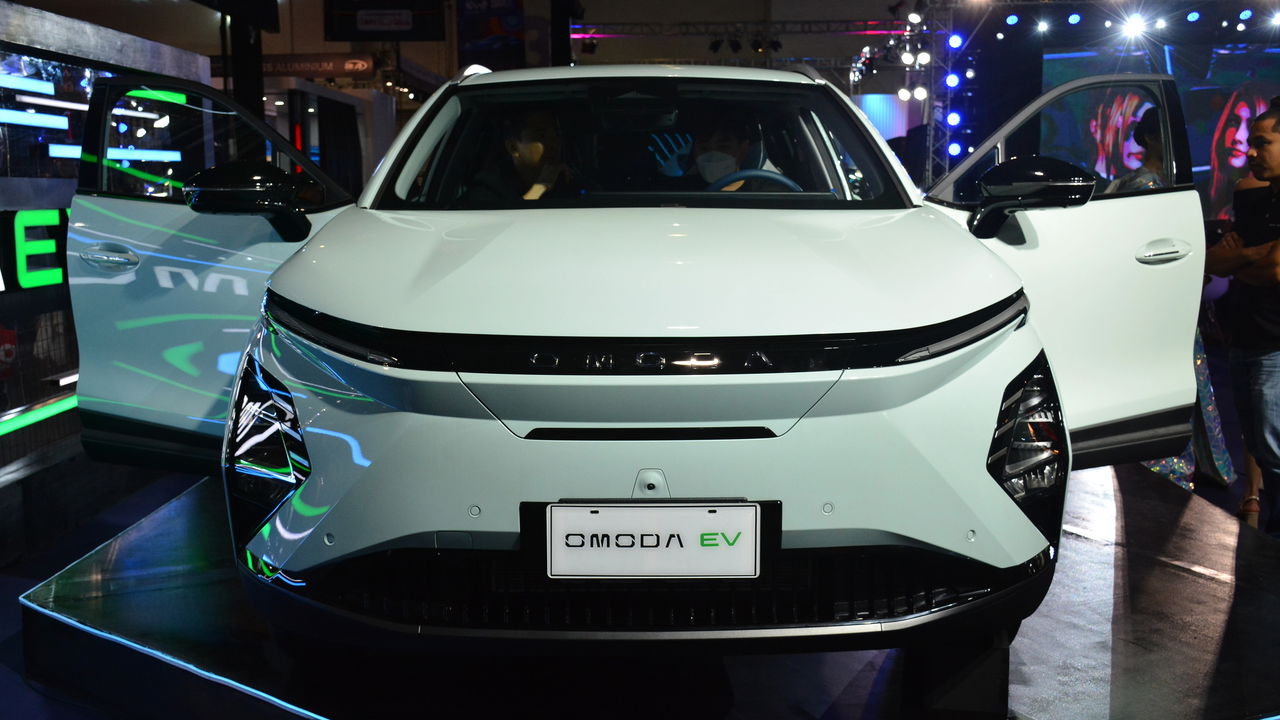
While the industry rushes towards automation, Omoda & Jaecoo bets on technology with a human touch and reveals its global mobility plan for 2026.
-
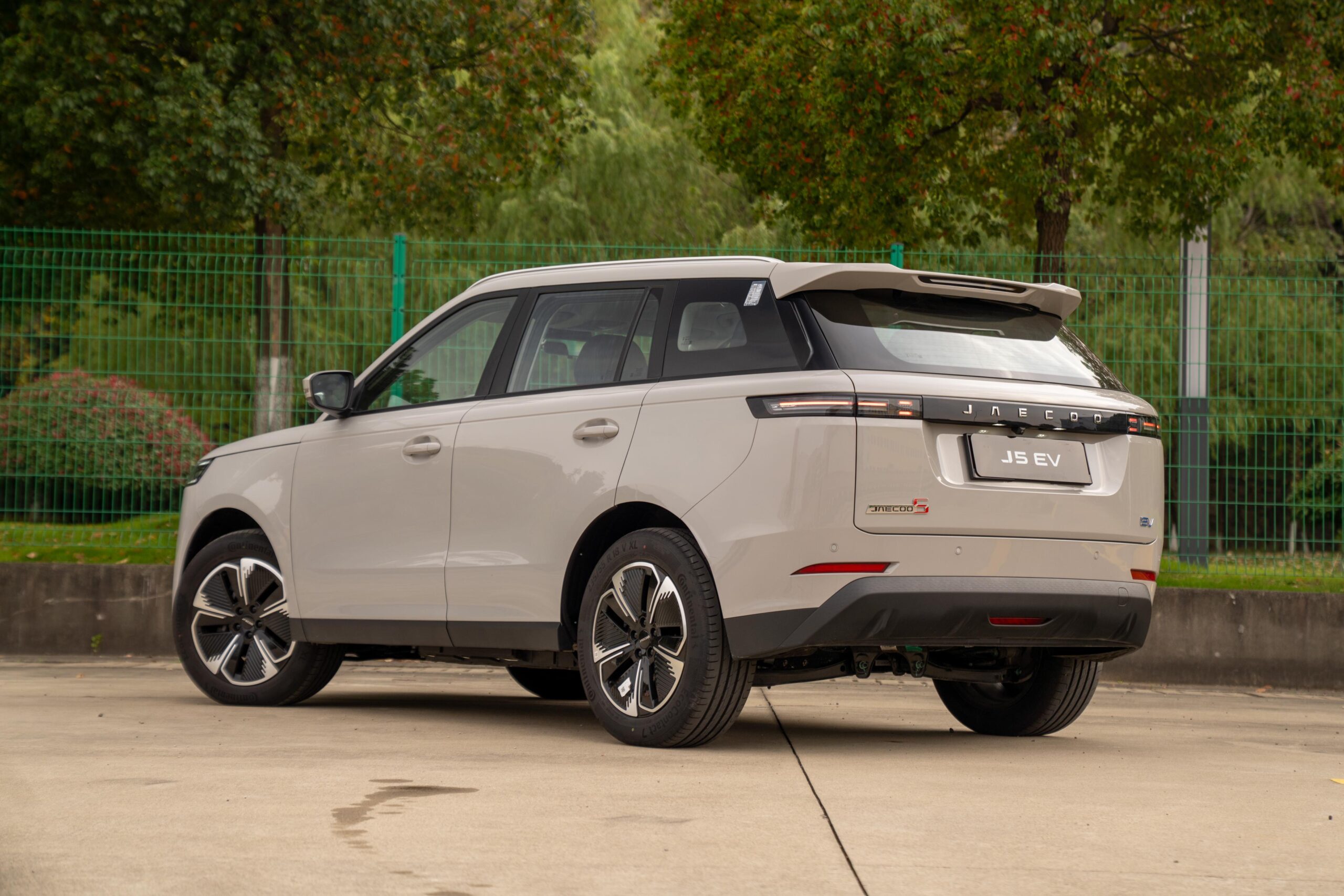
In just 1 year, JAECOO surpasses 7,000 units of the J5 EV delivered in Indonesia and consolidates trust in the Asian market.
-
With awards in various countries, the Jaecoo 7 is establishing itself globally and accelerating the expansion of Omoda & Jaecoo in the hybrid SUV market.

-
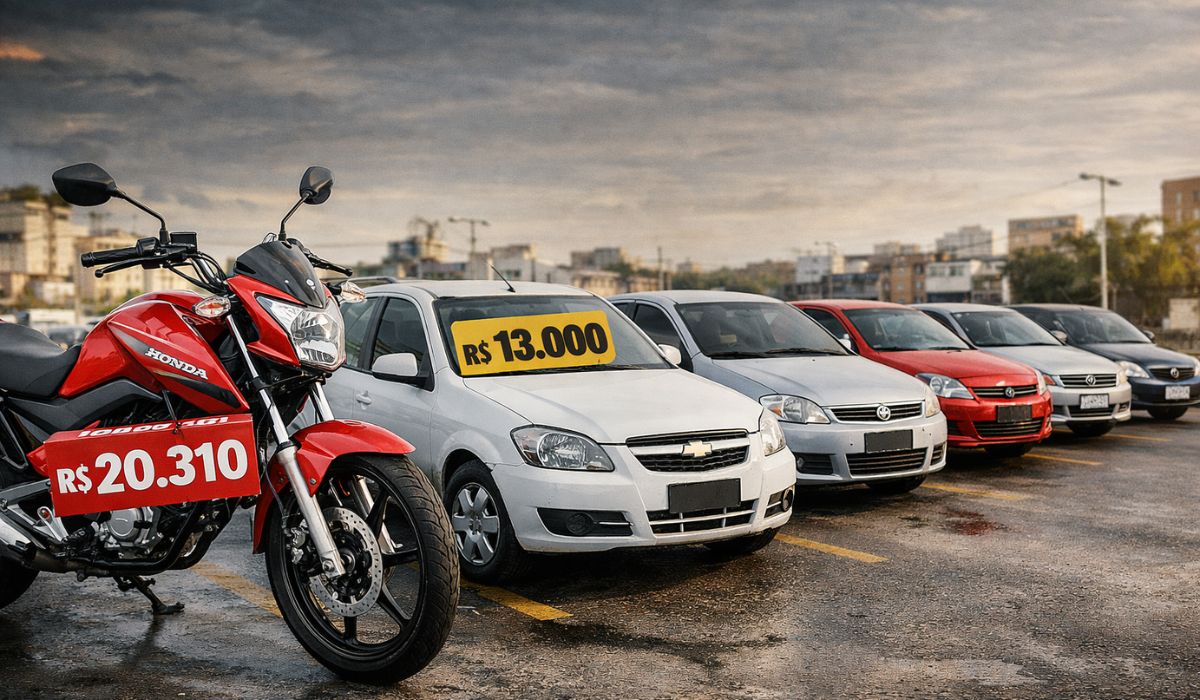
5 cheapest used cars than a Honda CG 160 Titan 0 km, with options starting at R$ 13,000 for those who want to trade their motorcycle for a car and escape the rain, sun, and risks of riding.
This last criterion considers, among other points, the presence and functioning of items such as electronic stability control and advanced driver assistance systems, when available in the evaluated version.
Latin NCAP itself emphasizes that the stars refer exclusively to the tested configuration.
Differences in equipment, versions, and markets can alter the final result, which requires consumer attention when comparing similar vehicles.
How Latin NCAP Ratings Work and Their Impact on Results
The star rating is used as a summary of overall performance but does not replace the detailed analysis of individual scores.
In some cases, a vehicle may perform well in one category and have limited results in another, reducing the final score.
According to Latin NCAP, this occurs because the program adopts mandatory minimum criteria in each evaluated area.
If these requirements are not met, the overall score is impacted, even when the percentages in occupant protection are higher.
This scenario helps explain, for example, why models with a higher number of airbags may finish the evaluation with few stars, depending on the absence of other systems or the structural behavior observed in impacts.
Citroën Basalt Has Zero Stars in Crash Test

The Citroën Basalt, the French brand’s coupe SUV, received zero stars in the Latin NCAP evaluation.
In the detailed scoring, the model recorded 39.37% in adult occupant protection, 58.35% for child occupants, 53.38% in pedestrian and vulnerable road user protection, and 34.88% in safety assistance.
According to the program’s technical report, the tested version was equipped with four airbags for the cabin.
Still, adult protection fell below the minimum threshold required by Latin NCAP, mainly due to the performance observed in the frontal impact.
The agency also reported that the pole side impact test was not performed because the evaluated configuration did not offer standard head side airbags.
This factor, according to the program’s methodology, results in a direct penalty in the safety assistance score.
Peugeot 2008 Receives One Star in Safety Evaluation

The Peugeot 2008, in its current generation, received one star in the result released by Latin NCAP in June 2025.
The model achieved 42.16% in adult occupant protection, 59.21% for child occupants, 54.48% in pedestrian and vulnerable road user protection, and 55.81% in safety assistance.
According to the official statement, the evaluated vehicle is produced in Argentina and, in some units, in Europe.
The tested version was equipped as standard with four airbags, consisting of two front and two side thorax airbags, along with electronic stability control.
Latin NCAP stated that advanced driver assistance systems were available only as options.
Since they were not part of the standard package of the evaluated configuration, these features did not contribute to the final score.
Another point highlighted by the program was the absence of side head protection, which led to the non-performance of the pole side impact test and the assignment of zero points in that specific phase.
In the report, the agency also describes that the structure was considered unstable in the frontal impact, influencing the adult protection result.
Commenting on the set of results released in the round, the Secretary-General of Latin NCAP, Alejandro Furas, stated that the data reinforce the need to expand the offer of standard safety equipment in the region.
Toyota Yaris Cross Earns Two Stars Before Launch in Brazil

With a launch planned for the Brazilian market, the Toyota Yaris Cross was evaluated by Latin NCAP and received two stars.
The disclosed score indicates 77.01% in adult occupant protection, 69.29% for child occupants, 55.60% in pedestrian and vulnerable road user protection, and 58.14% in safety assistance.
The tested model had six airbags and underwent frontal impact, side impact, pole side impact, whiplash protection, pedestrian protection, and evaluation of the functioning of electronic stability control, as detailed in the program’s technical data.
Despite the higher percentages in adult protection, Latin NCAP explained that the set of results was not sufficient to achieve a higher rating.
The methodology considers not only the presence of equipment but also the structural performance and the availability of technologies evaluated as standard.
In the announcement of the results, the Chairman of the Board of Latin NCAP, Stephan Brodziak, stated that the observed data in this round indicate a trend that, according to him, deserves attention from automakers, especially in the more affordable vehicle segment.
The program also emphasized that the evaluation takes into account the most basic version in passive safety available in the analyzed market.
If a manufacturer wishes to improve its rating, it is necessary to submit a new configuration with additional equipment for reassessment.








-

Uma pessoa reagiu a isso.