





 Portuguese
  English
  Spanish
  3 min of reading
  0 comments


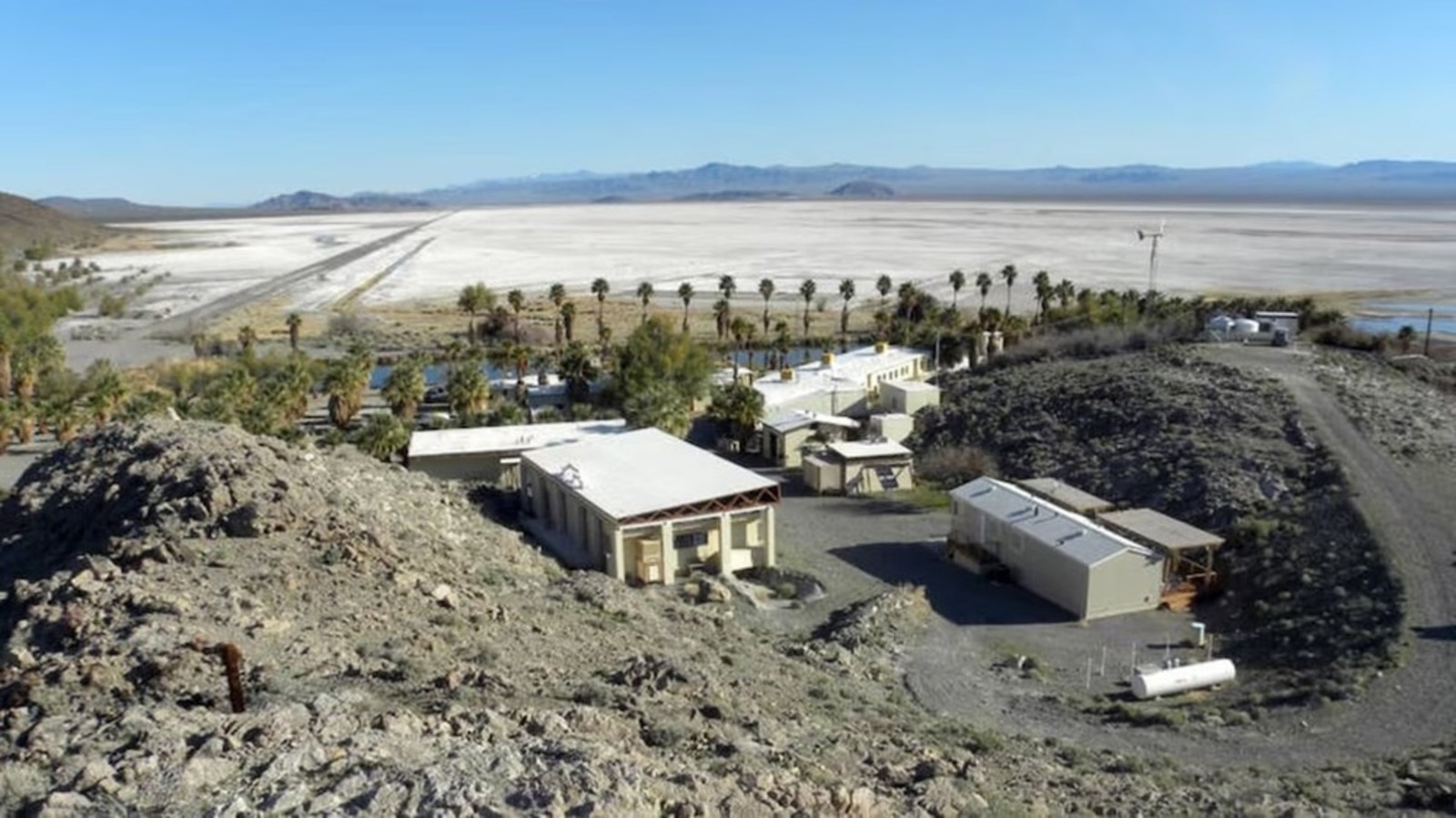
In The Shadow Of The Mojave Desert, A Preacher Turned Faith And Sand Into An Empire Of False Cures. Decades Later, The Same Place Houses Scientific Research And Symbolizes Redemption Through Knowledge
On the roadside cutting through the Mojave Desert in California, an enigmatic and fascinating sign appears: Zzyzx Road. The name seems invented to confuse, but it carries one of the most improbable stories of the 20th century. Under that blazing sun, a man turned sand and faith into an empire of miraculous cures.
Curtis Howe Springer was the author of this feat. A preacher, radio broadcaster, and self-proclaimed doctor, he decided in 1944 to claim an area of more than 5,000 acres in Soda Springs, land that belonged to the federal government.
There, the Zzyzx Mineral Springs and Health Resort was born, a spa that promised physical and spiritual well-being through mineral waters, diets, and daily sermons.
-
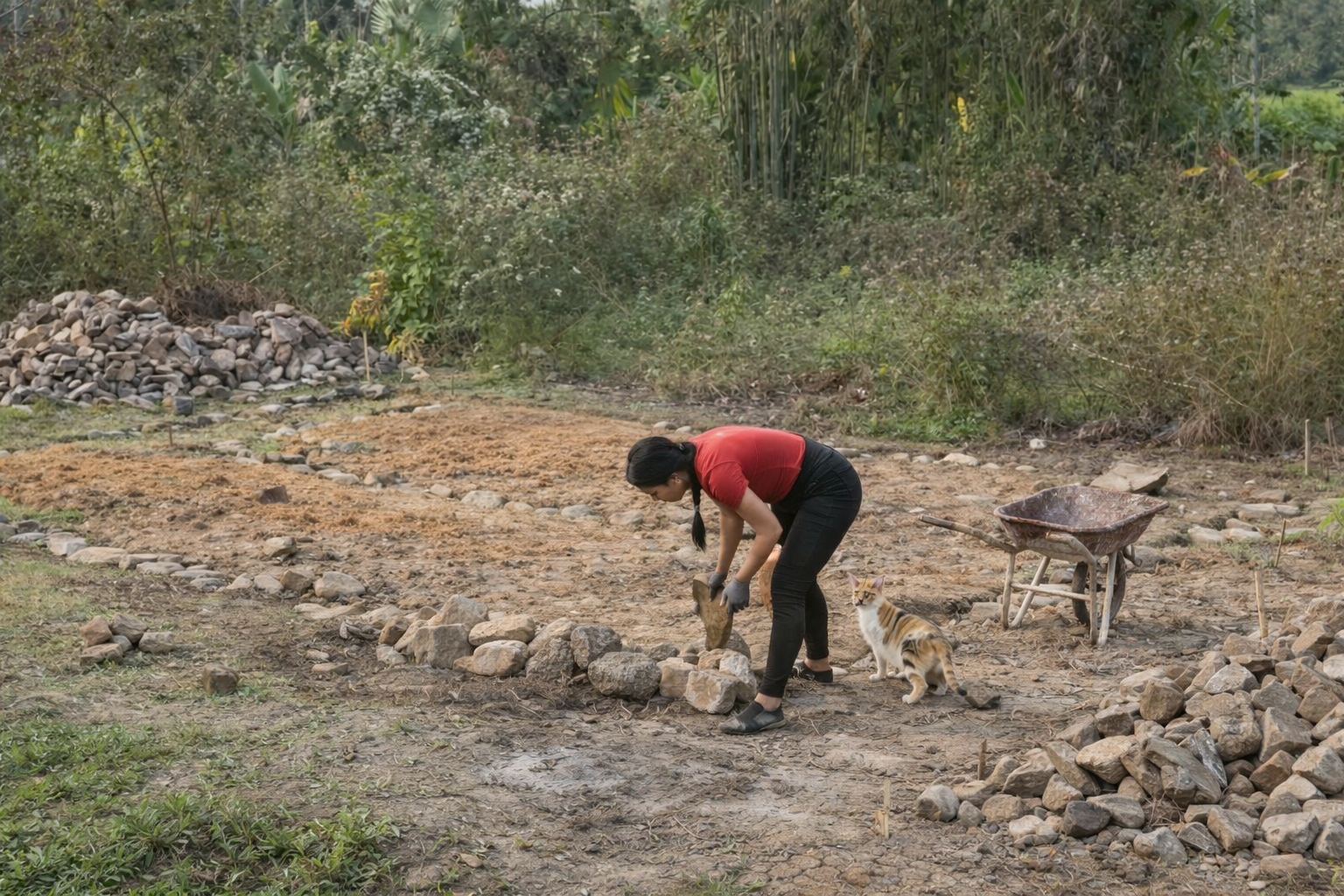
Without help and without heavy machinery, a woman builds a house from scratch with stone, wood, and cement, erects a chimney, creates a complete leisure area, and transforms an empty lot into her dream home.
-
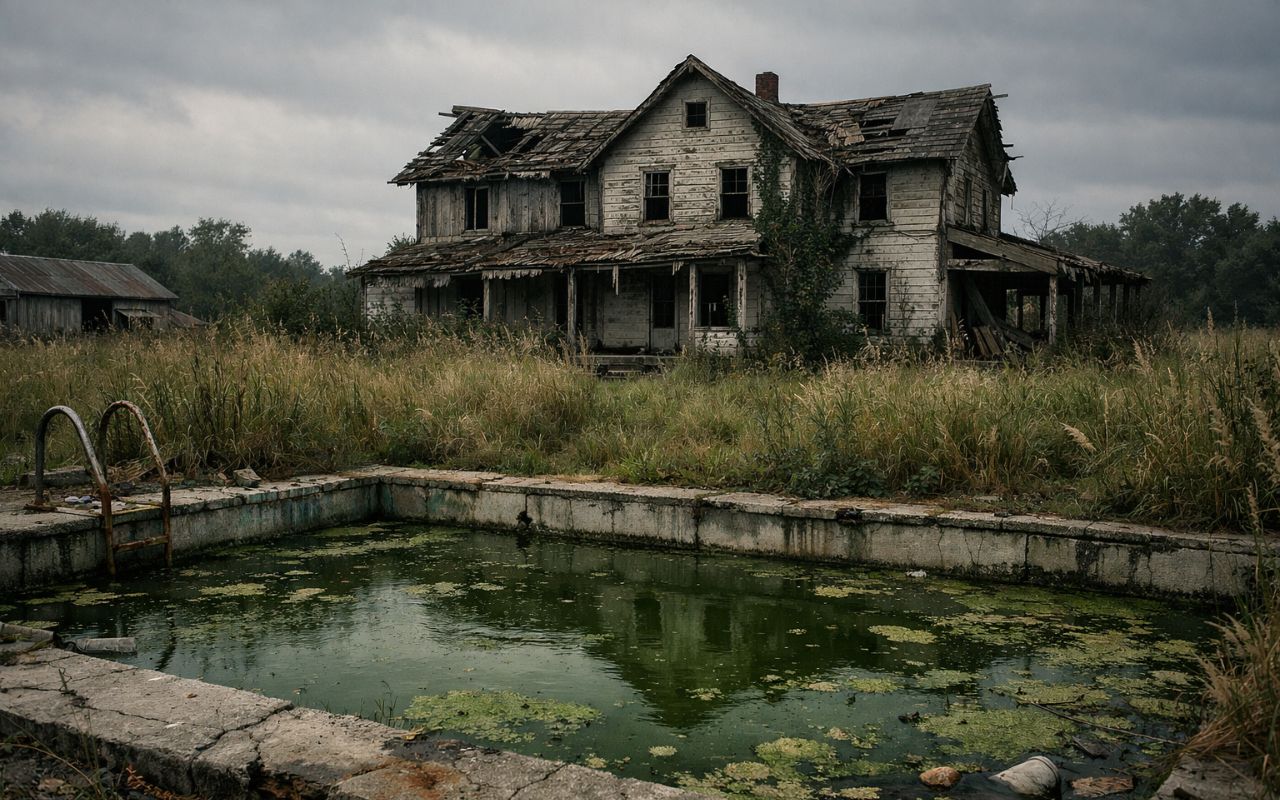
Couple transforms abandoned house after years of being closed; residence was overgrown with weeds, had a green pool, and a deteriorated structure in the interior of Rio de Janeiro.
-
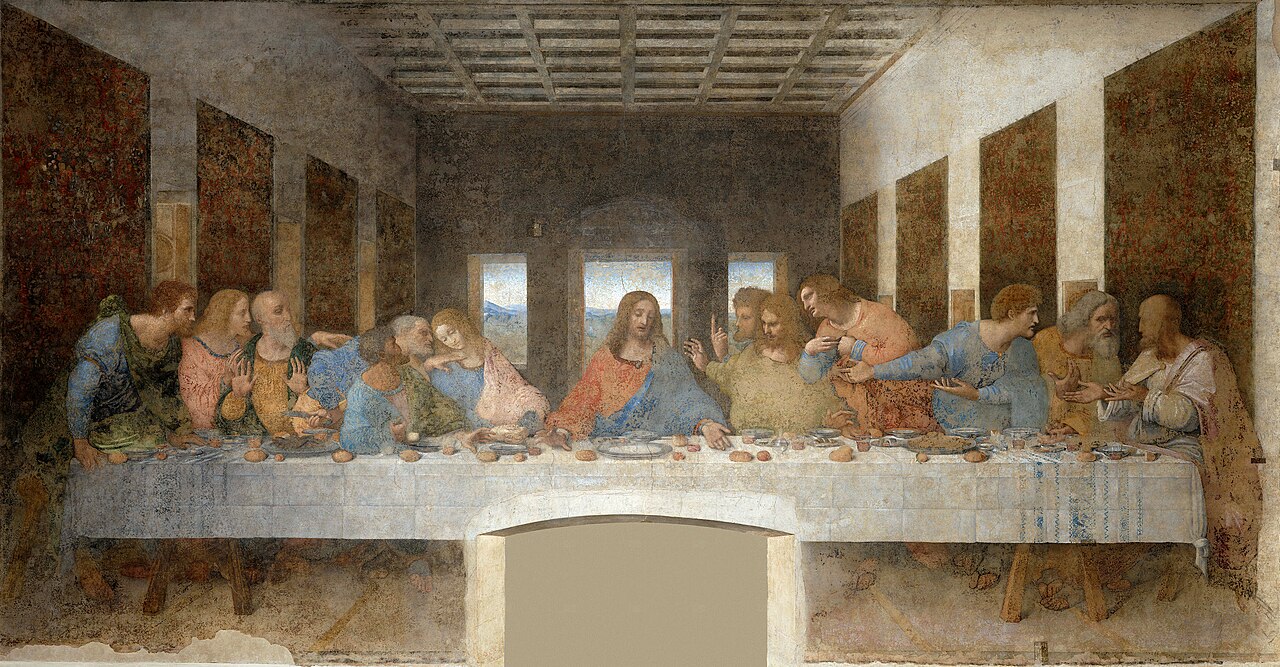
Hidden marks on the walls of the site associated with the Last Supper of Jesus for centuries have been deciphered in Jerusalem, revealing medieval inscriptions left by pilgrims, European nobles, and travelers from the Middle East.
-
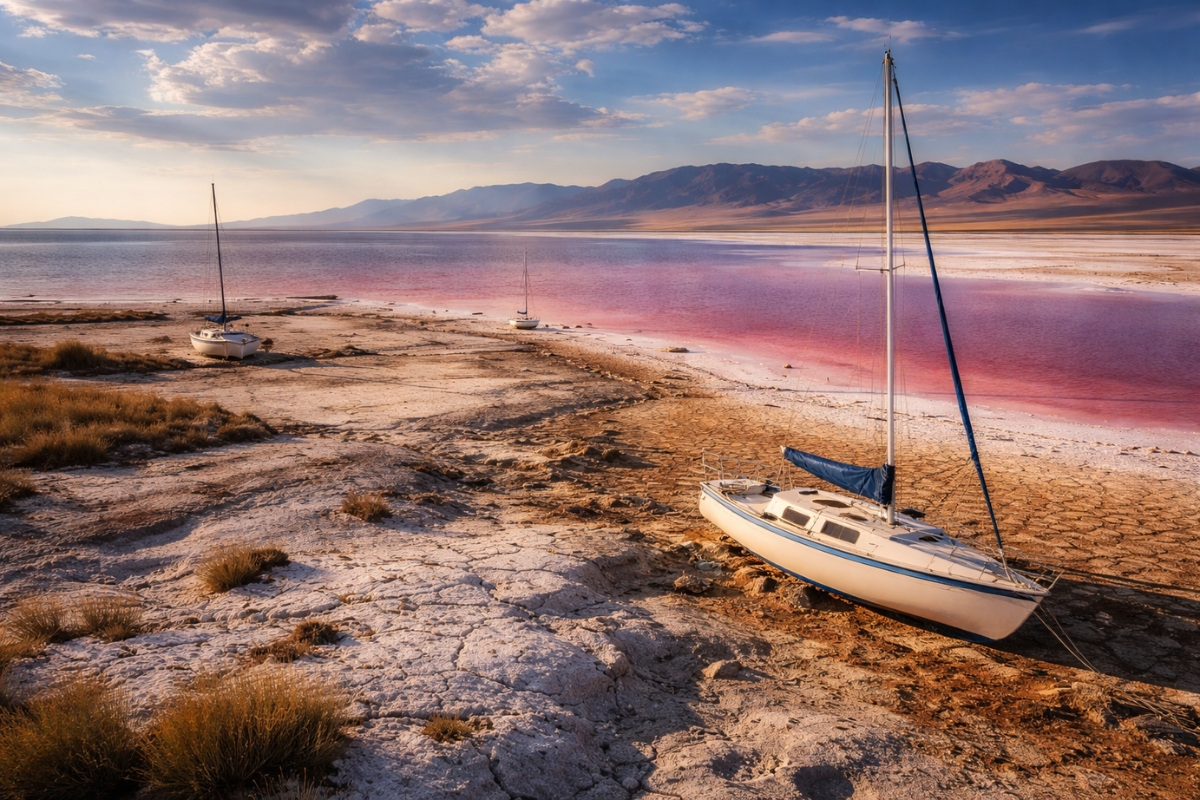
One of the most important lakes in the United States for birds, the balance of nature, and the climate has dried to historic levels, leaving boats stranded, revealing salt flats, and showing how the lack of water can transform an entire landscape.

The name “Zzyzx” was created with a curious purpose: to be the last word in the dictionary. Springer believed this would ensure prominence and an eternal brand.
The Ghost Resort: Oasis Of Illusions In The Heart Of The Mojave
For three decades, Springer’s resort thrived. In the middle of the desert, he erected improbable structures: a hotel with dozens of rooms, heated pools from boilers, an artificial lake called Lake Tuendae, lawns, trails, and even a small airport.
The appearance was that of a paradise retreat, but the foundation was fragile.
Springer recruited homeless people from Los Angeles, offering shelter and food in exchange for labor.
In his radio broadcasts, he mixed prayers and advertisements for tonics and elixirs that promised miraculous cures for various ailments.
Everything was presented as “voluntary donations,” although it functioned as a true disguised charging system.
The success came not from the effectiveness of the cures, but from the power of persuasion. Thousands of people believed.
The Fall Of The “King Of Quacks”
Over time, authorities began to question the preacher’s activities. The American Medical Association nicknamed him the “King of Quacks.”
Allegations included false advertising, illegal medical practice, and illegal possession of federal land.
In 1974, the government mandated the evacuation of the site. Springer was forced to remove all constructions and abandon the area.
The empire of cures and faith crumbled as quickly as it had been built. He died years later, far from the stage he had created in the desert.
Ghost Resort: From Stage Of Promises To Center Of Science
However, the site was not forgotten. In 1976, California State University transformed part of the area into the Desert Studies Center.
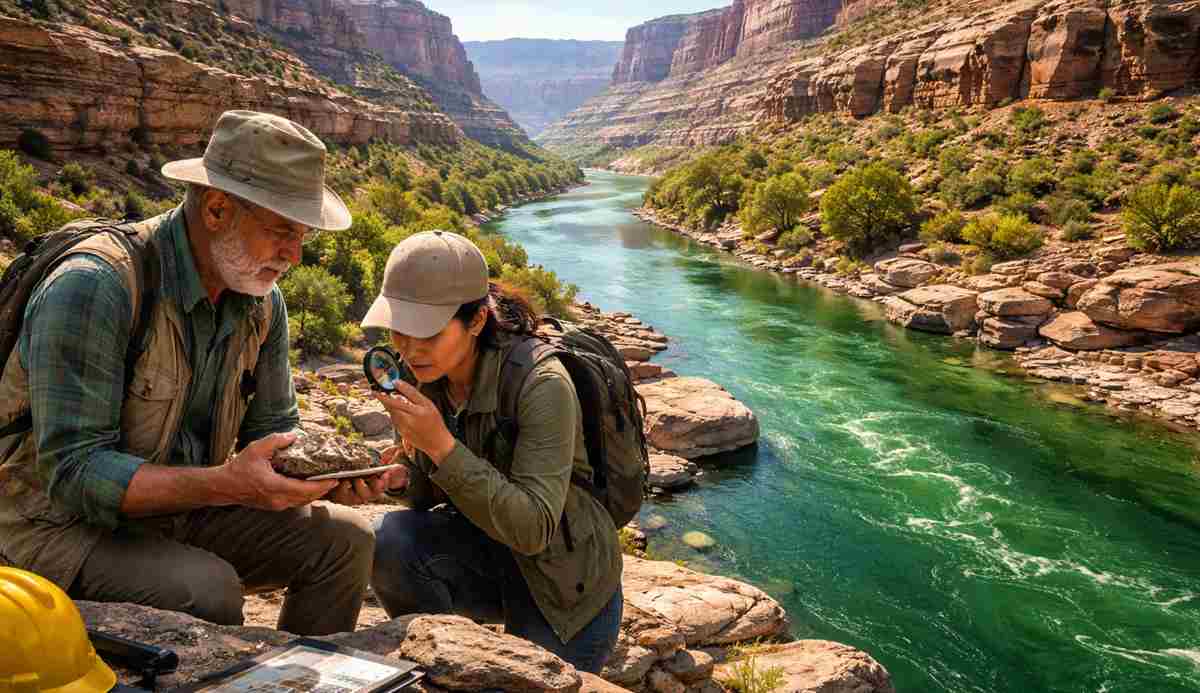
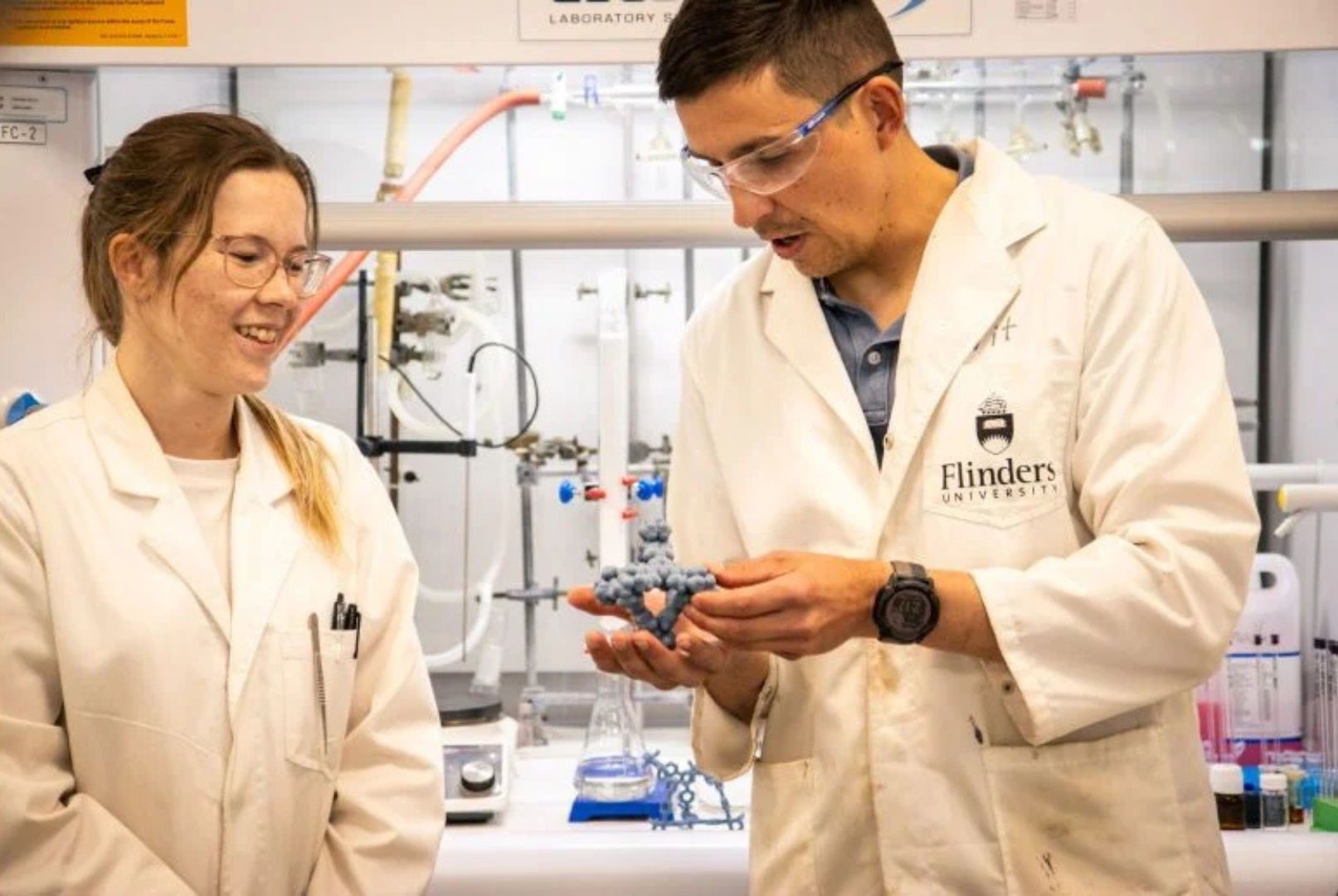
Today, the space hosts research on ecology, geology, and endemic species, such as the Mojave Tui Chub fish.
The ruins of the resort remain, corroded by the sun and dust. Empty pools and cracked walls share space with trails and research rooms.
Zzyzx Road, once synonymous with promise and deception, has become a symbol of transformation. What began as a theater of miracles now serves science and human curiosity — an oasis that exchanged blind faith for knowledge.
With information from O Globo.





-

Uma pessoa reagiu a isso.