





 Portuguese
  English
  Spanish
  4 min of reading
  0 comments


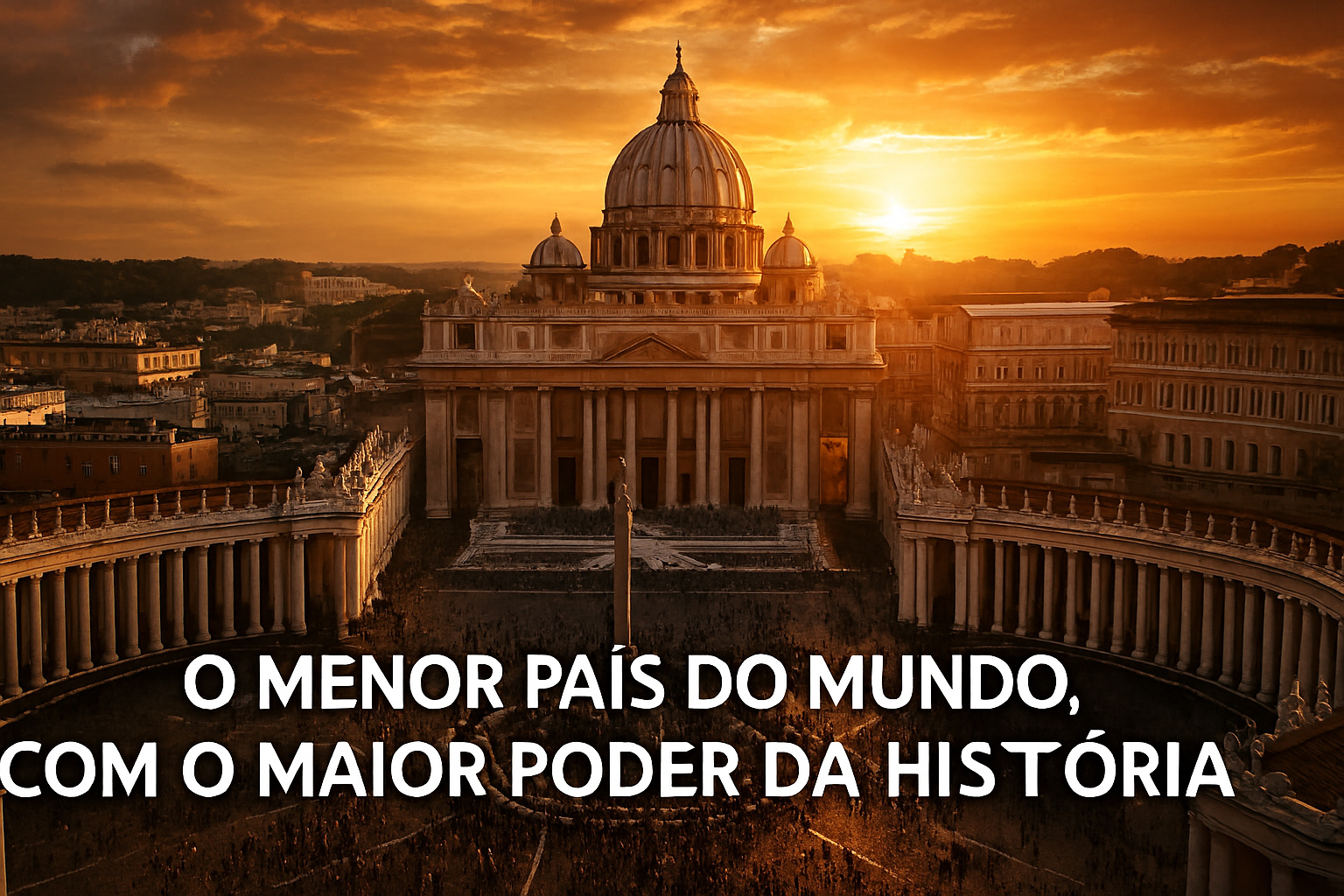
With 440,000 m² (0.44 km²), 10,000 employees, and 6 million annual visitors, the Vatican is the smallest country in the world and one of the greatest concentrations of art, faith, and power in history.
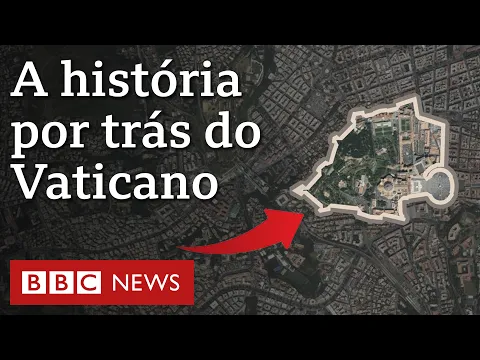
In the heart of Rome, surrounded by centuries-old stone walls, there exists a territory so small that it could be crossed on foot in just 20 minutes and yet it exerts spiritual, cultural, and political influence over more than 1.3 billion people around the globe. With only 440,000 square meters (0.44 km²) and less than 1,000 inhabitants, the Vatican is the smallest country in the world, but within its borders lies one of the greatest concentrations of art, history, and power of human civilization.
A Country Within a City
The Vatican City State was officially created in 1929, through the Lateran Treaty, signed between Pope Pius XI and Benito Mussolini, which recognized the sovereignty of the Holy See and ended decades of dispute between papal power and the Italian government.
Since then, the Vatican has become an independent state within Rome, with its own currency, postal service, anthem, flag, and laws — although it relies on Italy for aspects like security and supply.
-
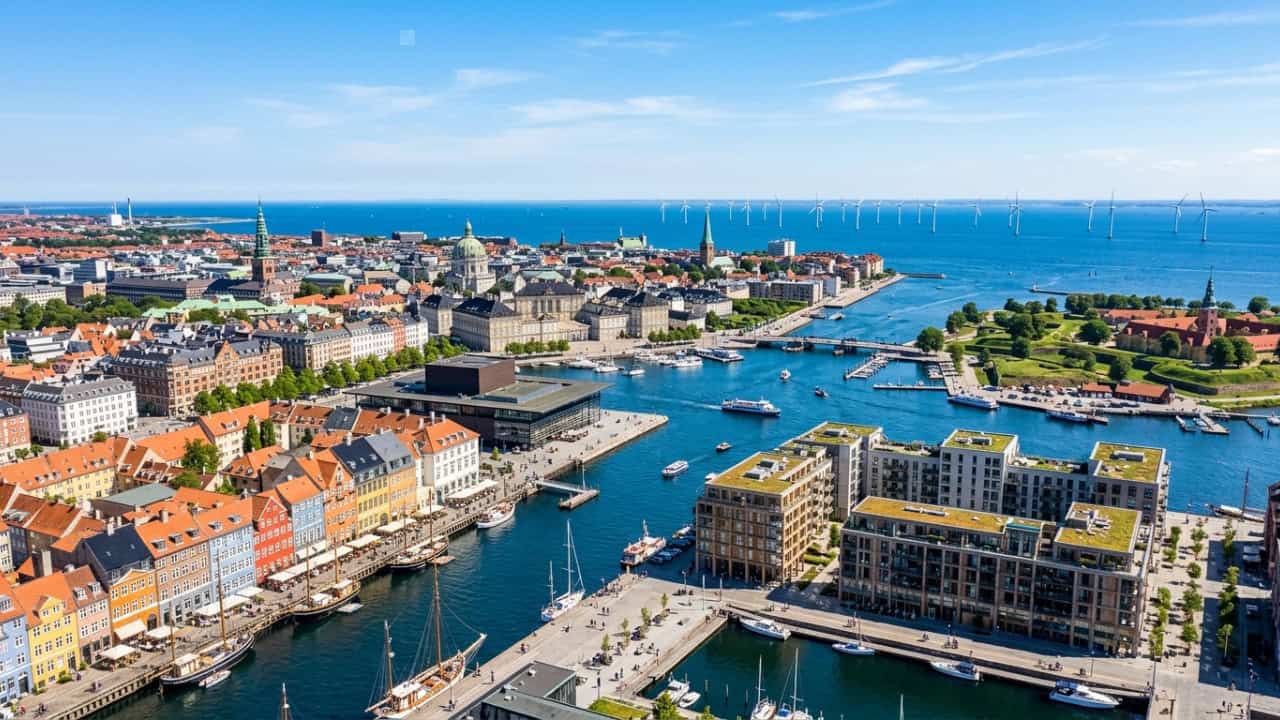
How an innovative city combines high technology, well-being, and sustainability to become the largest reference in clean energy on the planet.
-
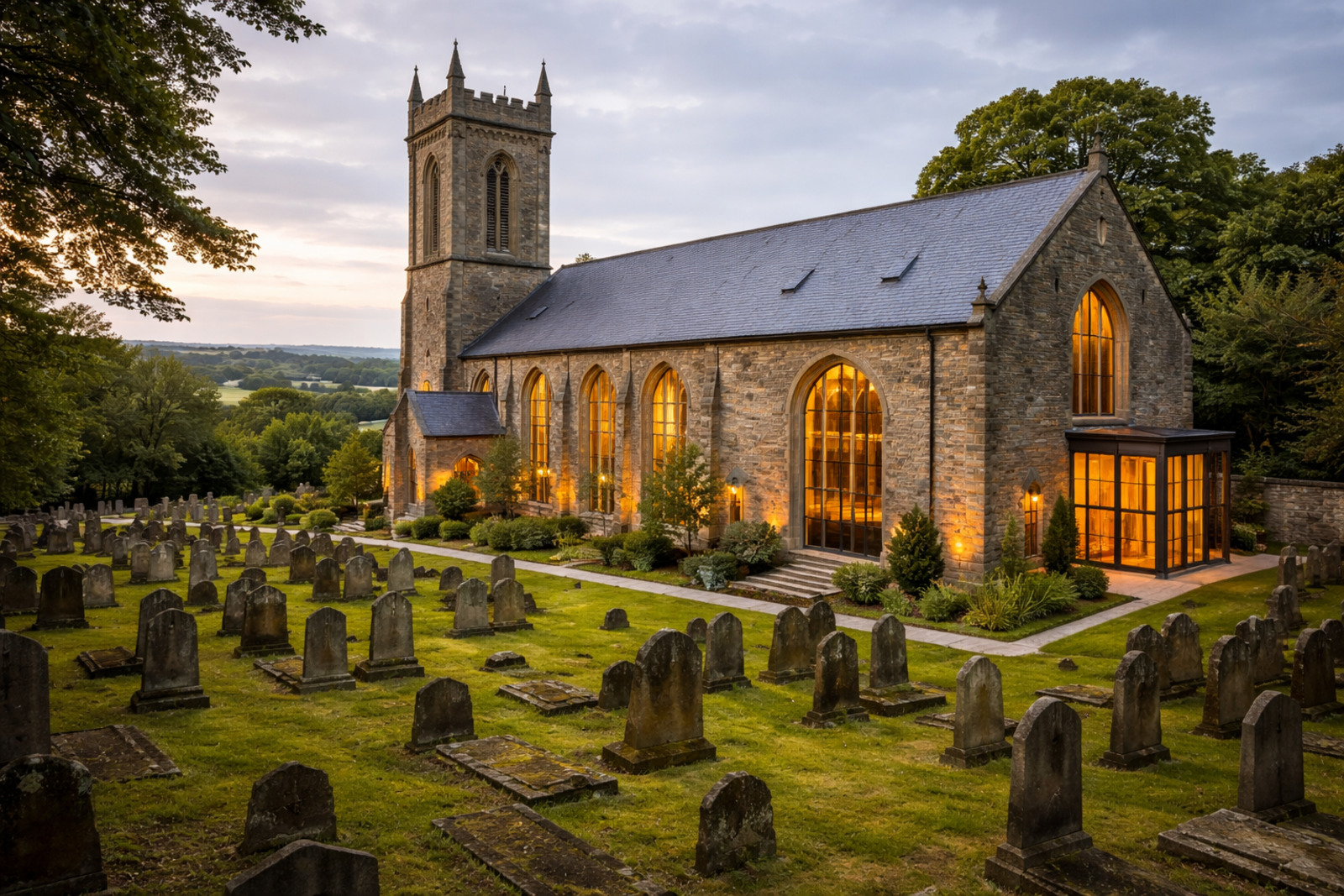
Couple buys 1846 church in ruins for R$ 660,000, invests R$ 3.2 million in renovations, transforms it into a millionaire mansion, and even preserved a historic cemetery with over 300 graves.
-
He started running at 66 years old, broke records at 82, and is now a subject of study for having a metabolic age comparable to that of a 20-year-old, in a case that is intriguing scientists and inspiring the world.

-
Oldest tree on the planet reappears after 130 years of searches: Wattieza, 385 million years old, was 10 meters tall and had no leaves or seeds; Gilboa fossils in New York solved the mystery in 2007.



Despite its small size, the territory is a true fortress of symbolic power. It houses the Papal offices, the Apostolic Palace, St. Peter’s Square and Basilica, the Vatican Museums, the Sistine Chapel, the Vatican Gardens, and one of the oldest and most important libraries in the world.
A City That Never Sleeps
It is estimated that more than 10,000 people enter and exit the Vatican every day — including clergy, diplomats, guards, administrative staff, tour guides, and restorers.
The Papal Swiss Guard, founded in 1506, remains the smallest and oldest active military force in the world, composed of just over 100 soldiers responsible for the direct protection of the Pope.
The constant flow of visitors makes the Vatican an impressive logistical machine: around 6 million tourists per year are drawn by art and faith, requiring continuous operations for cleaning, maintenance, and security. It is a country that never sleeps, where prayers echo from morning until night and the lights of St. Peter’s Square rarely go out.
A Treasure of Humanity
More than 2,000 years of Catholic Church history are condensed within the walls of the Vatican. The Basilica of St. Peter, built over the supposed tomb of the apostle Peter, is the largest Catholic temple in the world, with a capacity of more than 60,000 people.
The dome designed by Michelangelo is one of the most iconic works of Renaissance architecture and a symbol of Christian faith.
The Vatican Museums occupy more than 40,000 square meters and house a collection of over 70,000 works, including Greco-Roman sculptures, Renaissance paintings, and millennia-old manuscripts.
Among them are “The Creation of Adam” by Michelangelo and “The School of Athens” by Raphael, displayed in the Sistine Chapel — considered one of the most visited and photographed spaces in history.
The Heart of the Church and Global Diplomacy
Despite its size, the Vatican maintains diplomatic relations with more than 180 countries and has permanent observer status at the United Nations (UN). It is also the headquarters of the Holy See, the central government of the Catholic Church, which guides dioceses and religious institutions on all continents.
The decisions made there influence everything from social and ethical policies to debates on the environment, economy, and war.
Pope Francis, for instance, is one of the most active voices in combating climate change and advocating for marginalized peoples — reinforcing the role of the Vatican as a center of moral and diplomatic power in the 21st century.
An Empire of Art, Faith, and Influence
The contrast is what makes the Vatican fascinating: the smallest country on the planet, with less than half a square kilometer, harbors an artistic and symbolic heritage that surpasses that of many entire nations. The estimated value of the Holy See’s collection exceeds billions of euros, and the spiritual wealth that emanates from it is incalculable.
It is a territory where the past and present merge in stone and silence. Where every painting, stained glass, and colonnade tells a story of faith, power, and human genius.
The Vatican is not just the center of Catholicism: it is a symbol of the human ability to transform belief into legacy, art into eternity, and a handful of land into one of the most influential places in the world.







Seja o primeiro a reagir!