





 Portuguese
  English
  Spanish
  3 min of reading
  0 comments


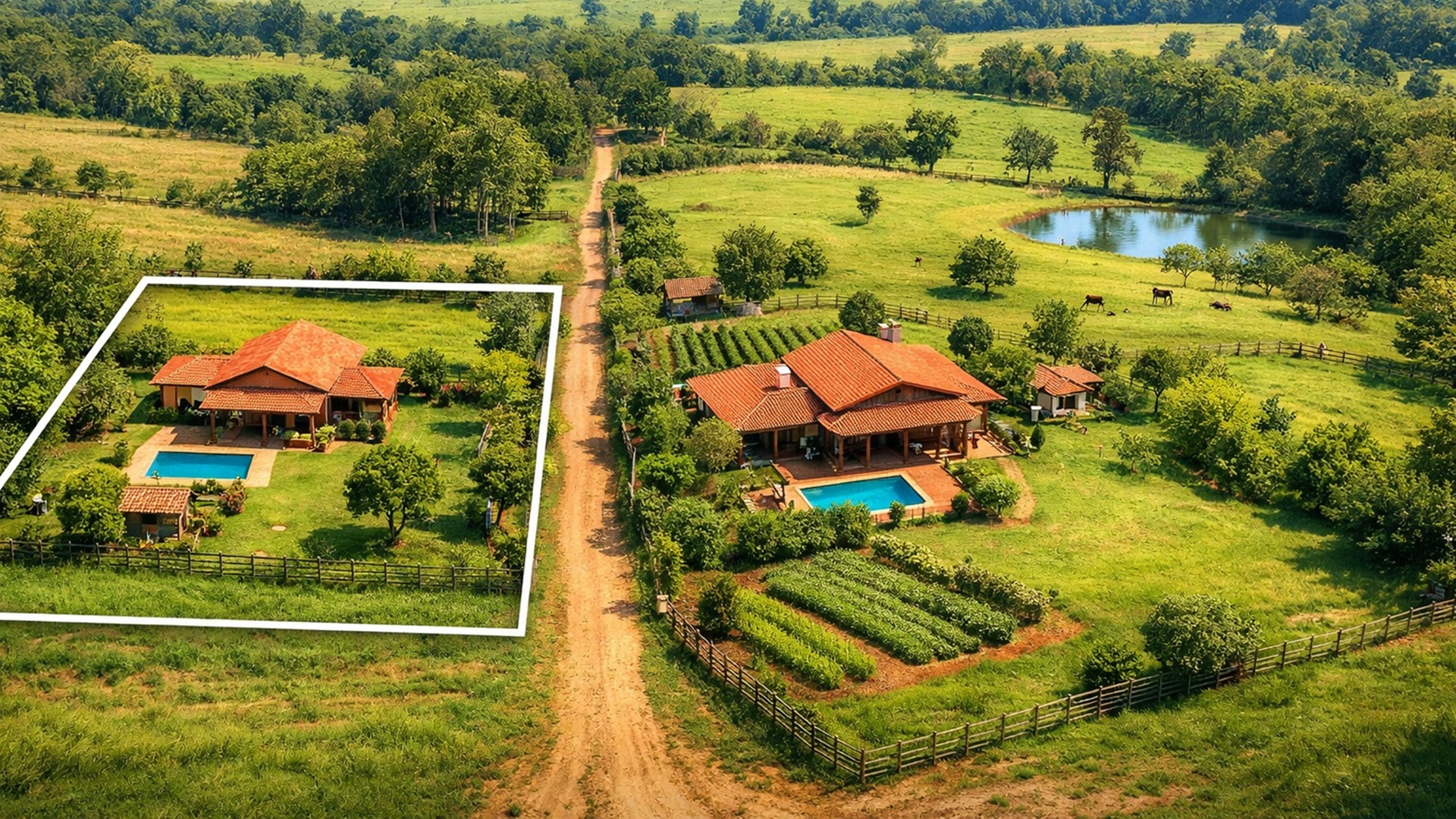
Understand The Differences Between Properties Of One Thousand To Twenty Thousand Square Meters And Learn How To Align Your Leisure Or Rural Production Goals To Make A Safe Investment, Ensuring Quality Of Life And Avoiding Frustrations With Maintenance And Documentation Of Your Property In The Field
The search for refuge away from urban chaos, traffic, and excessive noise has led many people to dream of a piece of land.
However, upon deciding to buy a small farm, a crucial question arises that can define the success or failure of this life project: what is the ideal size? Choosing the wrong size can turn the dream of peace into a source of frustration and financial loss.
The decision should not be based solely on the price per square meter, but rather on lifestyle, availability of time for maintenance, and the ultimate goal of the property.
-
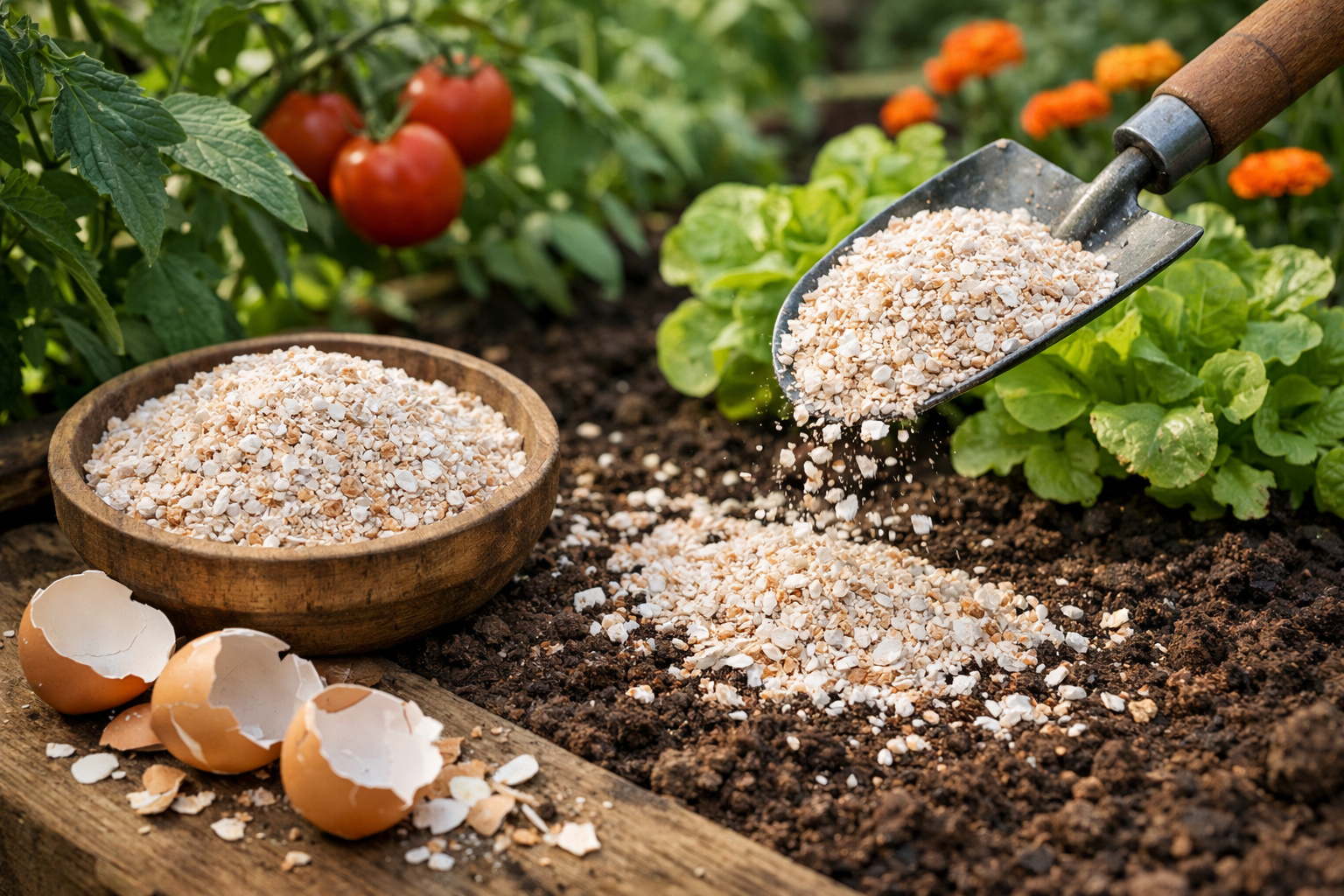
The eggshell that almost everyone throws away is made up of about 95% calcium carbonate and can help enrich the soil when crushed, slowly releasing nutrients and being reused in home gardens and vegetable patches.
-
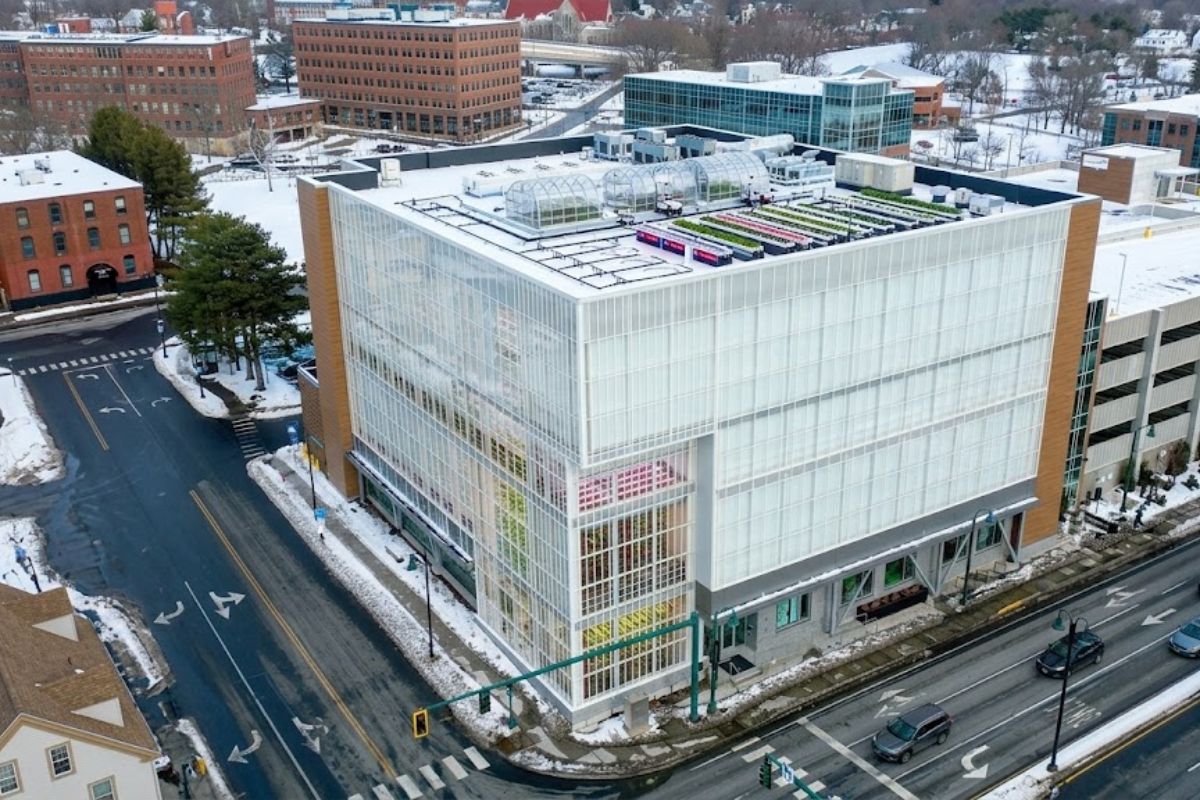
This farm in the United States does not use sunlight, does not use soil, and produces 500 times more food per square meter than traditional agriculture: the secret lies in 42,000 LEDs, hydroponics, and a system that recycles even the heat from the lamps.
-
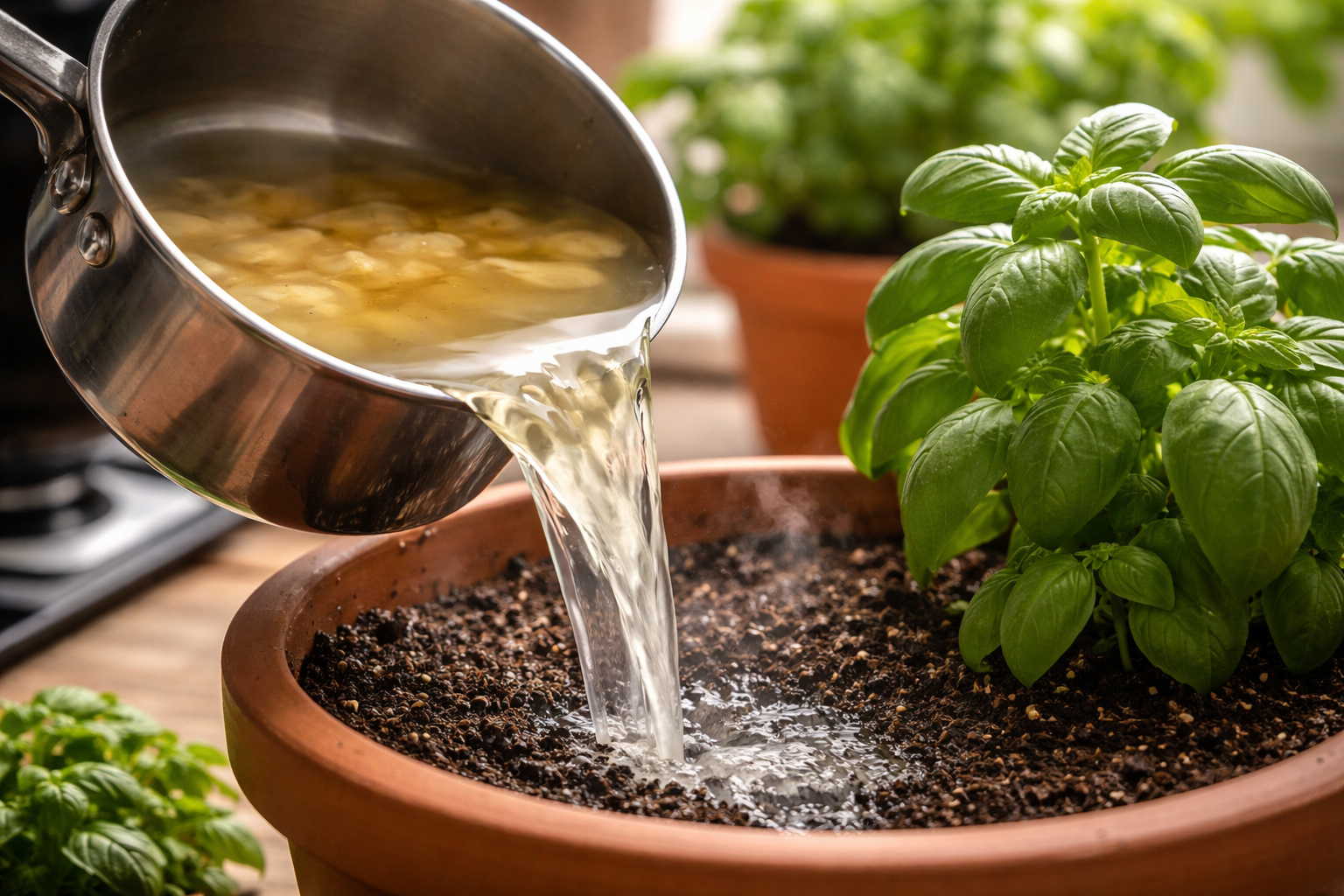
The water that almost everyone throws away after cooking potatoes carries nutrients released during the preparation and can be reused to help in the development of plants when used correctly at the base of gardens and pots, at no additional cost and without changing the routine.
-
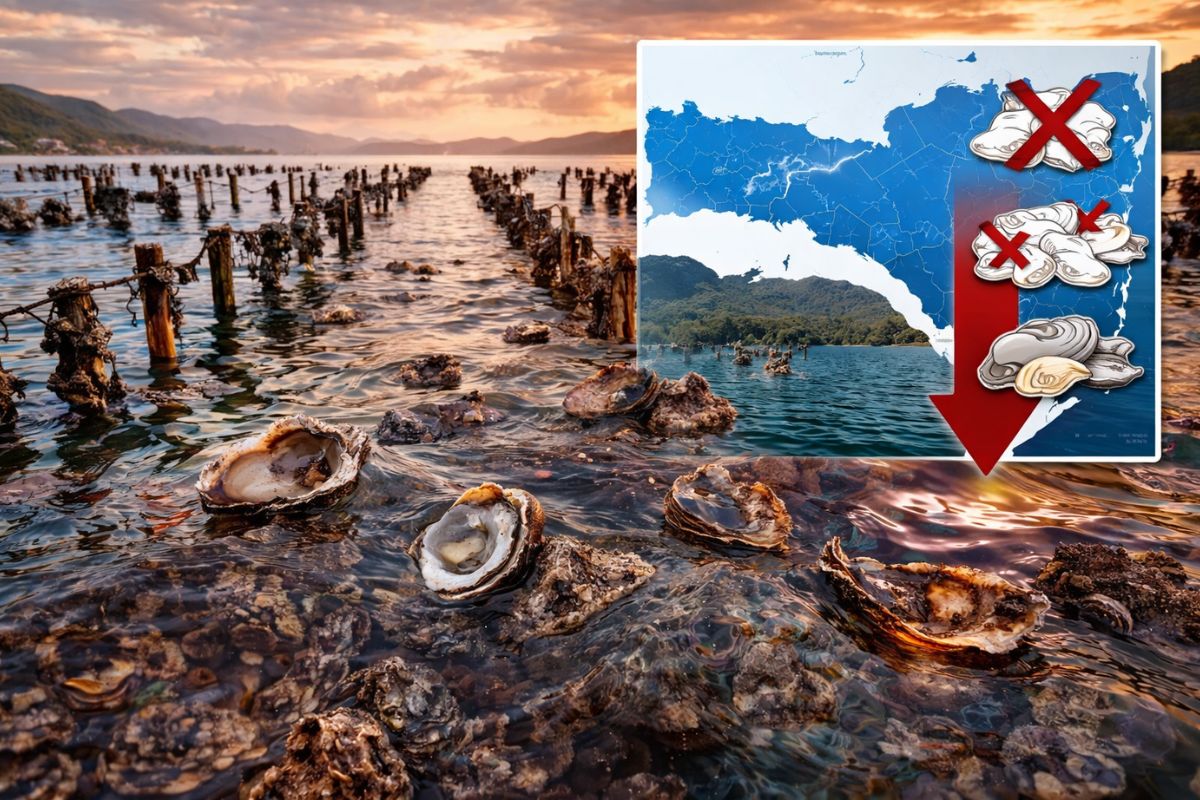
The sea water temperature rose from 28 to 34 degrees in Santa Catarina and killed up to 90% of the oysters: producers who planted over 1 million seeds lost practically everything and say that if it happens again, production is doomed to end.

Below, we analyze the different size categories and for whom each is suited, always emphasizing the fundamental importance of acquiring properties with registered deeds and regular documentation.
The Entry Point: Up To 1,000 m²
Properties of up to 1,000 m² are considered the entry point to rural life. Generally located within urban perimeters or near highways, they function as “urban small farms.”
The space is equivalent to about two standard urban lots, allowing for the construction of a house, a leisure area, a garden, and even a small vegetable garden or orchard.
The advantages are clear: easy and low-cost maintenance, lower tax costs (property tax or rural tax), and proximity to the city.
It is the ideal profile for those seeking rest on weekends and who have no experience with rural management. However, the space limits the raising of animals and large plantations.
It is vital to check zoning and topography, as preservation areas or hills can reduce usable space.
The Balance: From 1,000 m² To 5,000 m²
In this range, one finds the balance between leisure and family production. It is possible to have a comfortable house, a varied orchard, a garden, and even a chicken coop, while maintaining urban practicality. A well-planned area of 5,000 m² can even guarantee self-sufficiency of fruits, vegetables, and eggs for a family of up to five people.
Although it requires a bit more knowledge in land management, it still does not demand heavy machinery. It is excellent for families who desire more contact with nature and healthy food without becoming prisoners of excessive maintenance.
Autonomy And Rural Lifestyle: From 5,000 m² To 20,000 m²
For those seeking real autonomy, properties between half a hectare and two hectares (20,000 m²) change the game. Here, one stops having merely a refuge and starts to build a rural base.
The space accommodates diverse crops (corn, cassava), medium-sized animals (sheep, pigs, goats), and complete leisure infrastructure.
This size allows for generating income with the surplus production or rural tourism. However, the downside is the demand for time, specific tools, and physical disposition. If the family is not engaged, the maintenance can become exhausting.
The agroecological planning and sectoring of the property are essential at this stage.
Rural Business And Self-Sufficiency: Above 2 Hectares
Above 20,000 m², the small farm takes on characteristics of a site, aiming for commercial production or total self-sufficiency. It is the scenario for fish farming, farms, confinement, or small home food industries.
Although it offers the possibility of living 100% off the land, it requires substantial initial investment, contracted labor, and strict environmental and land regularization.
Before closing a deal, honesty in the answers is crucial: Is the goal leisure or housing? Do you want just a garden or to grow your food? Will you have help or do everything yourself?
If you’re starting and want to experiment, the range between 1,000 and 5,000 m² is usually the safest. Remember: what makes a small farm valuable is not just its size, but how well it adapts to the reality and dreams of the buyer.









-

Uma pessoa reagiu a isso.