





 Portuguese
  English
  Spanish
  4 min of reading
  0 comments


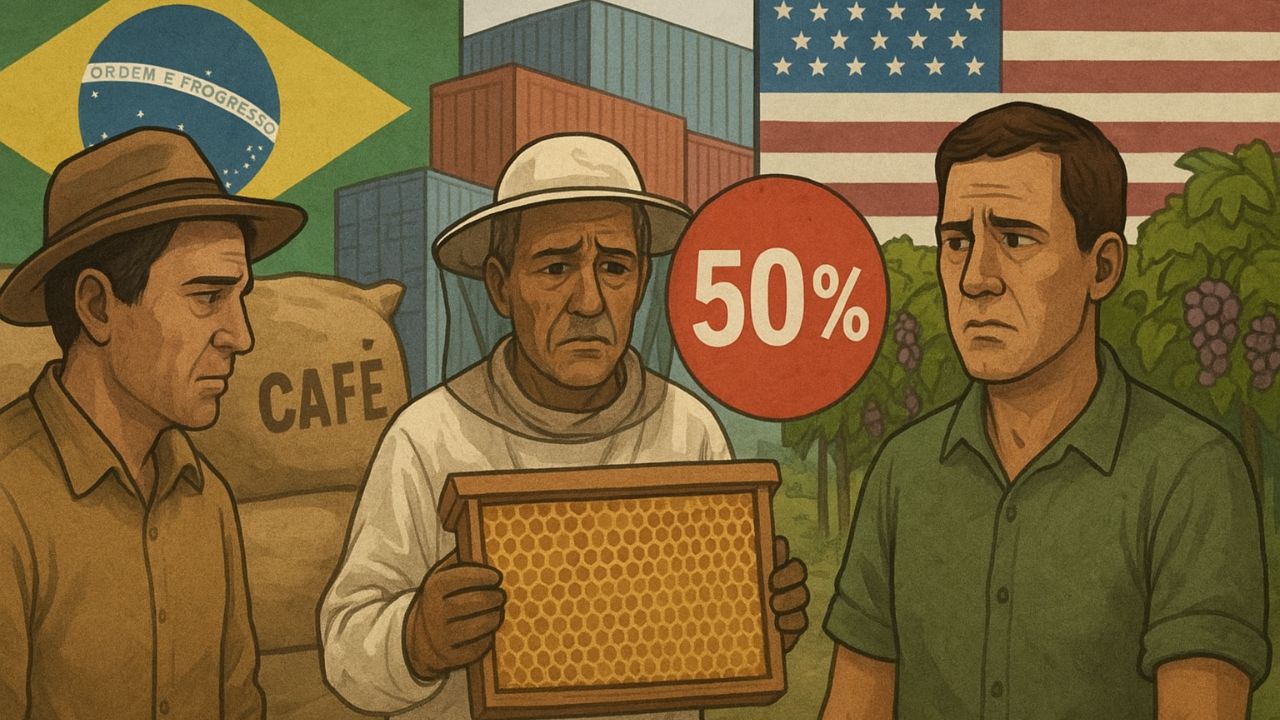
50% Tariff Imposed By Donald Trump Is Already Affecting Brazilian Agriculture. Coffee, Honey, And Grape Producers Face Cancellations And Losses.
The Brazilian agriculture sector is facing one of its most delicate moments in recent years. Exactly one month ago, the President of the United States, Donald Trump, imposed a 50% tax on the export of Brazilian products, a measure that is already causing million-dollar losses for producers in the country.
The tariff, in effect since August 6, has directly affected farmers in Minas Gerais, Bahia, and Pernambuco, who report a drop in sales, cancellation of contracts, and uncertainty about the future of their businesses.
Producers Lose Clients Earned Over Years of Work
The entrepreneur Daniele Alkmin, director of the special coffee exporting company Agrorigem, from Santa Rita do Sapucaí (MG), was one of the first to feel the impacts.
-
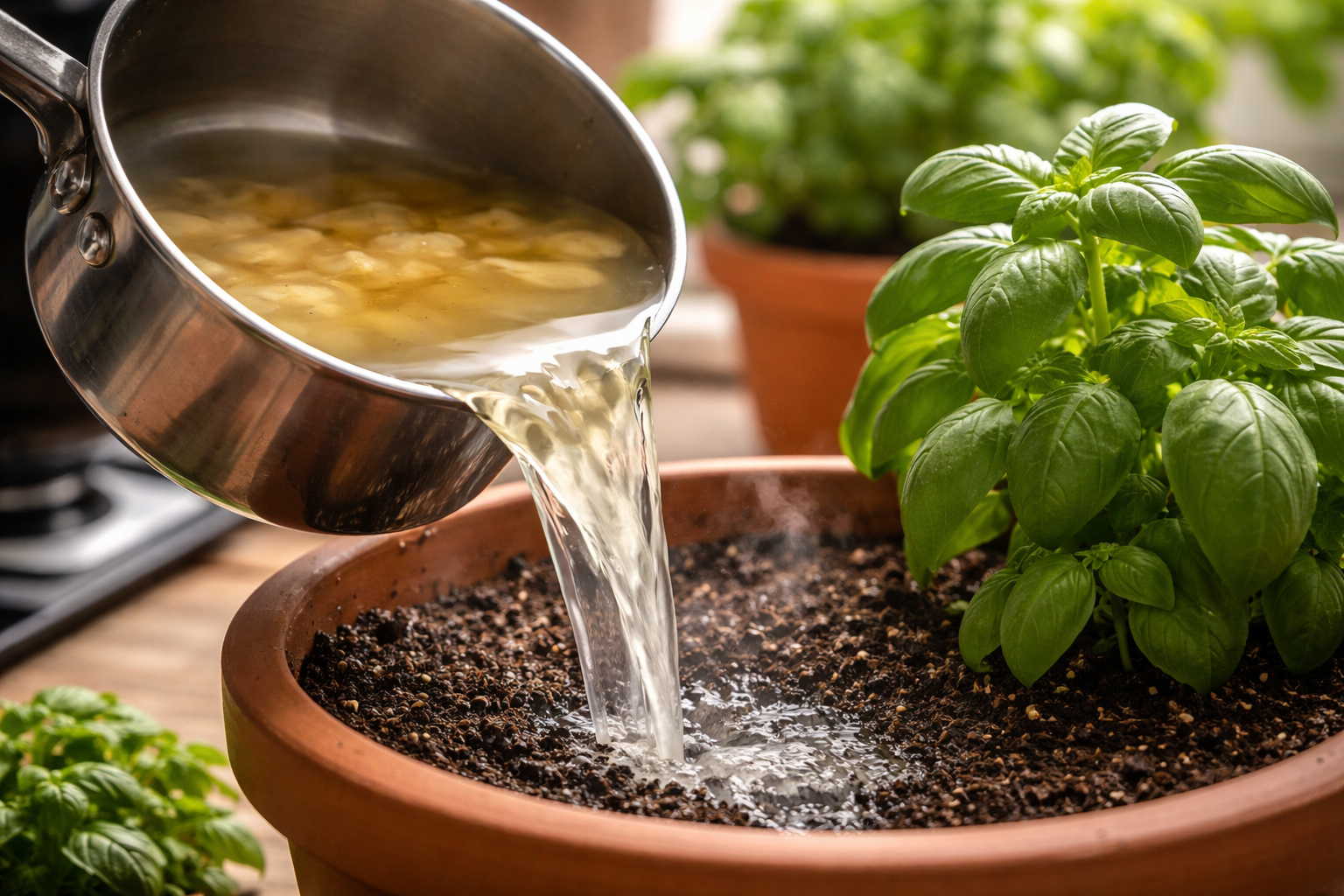
The water that almost everyone throws away after cooking potatoes carries nutrients released during the preparation and can be reused to help in the development of plants when used correctly at the base of gardens and pots, at no additional cost and without changing the routine.
-
The sea water temperature rose from 28 to 34 degrees in Santa Catarina and killed up to 90% of the oysters: producers who planted over 1 million seeds lost practically everything and say that if it happens again, production is doomed to end.

-
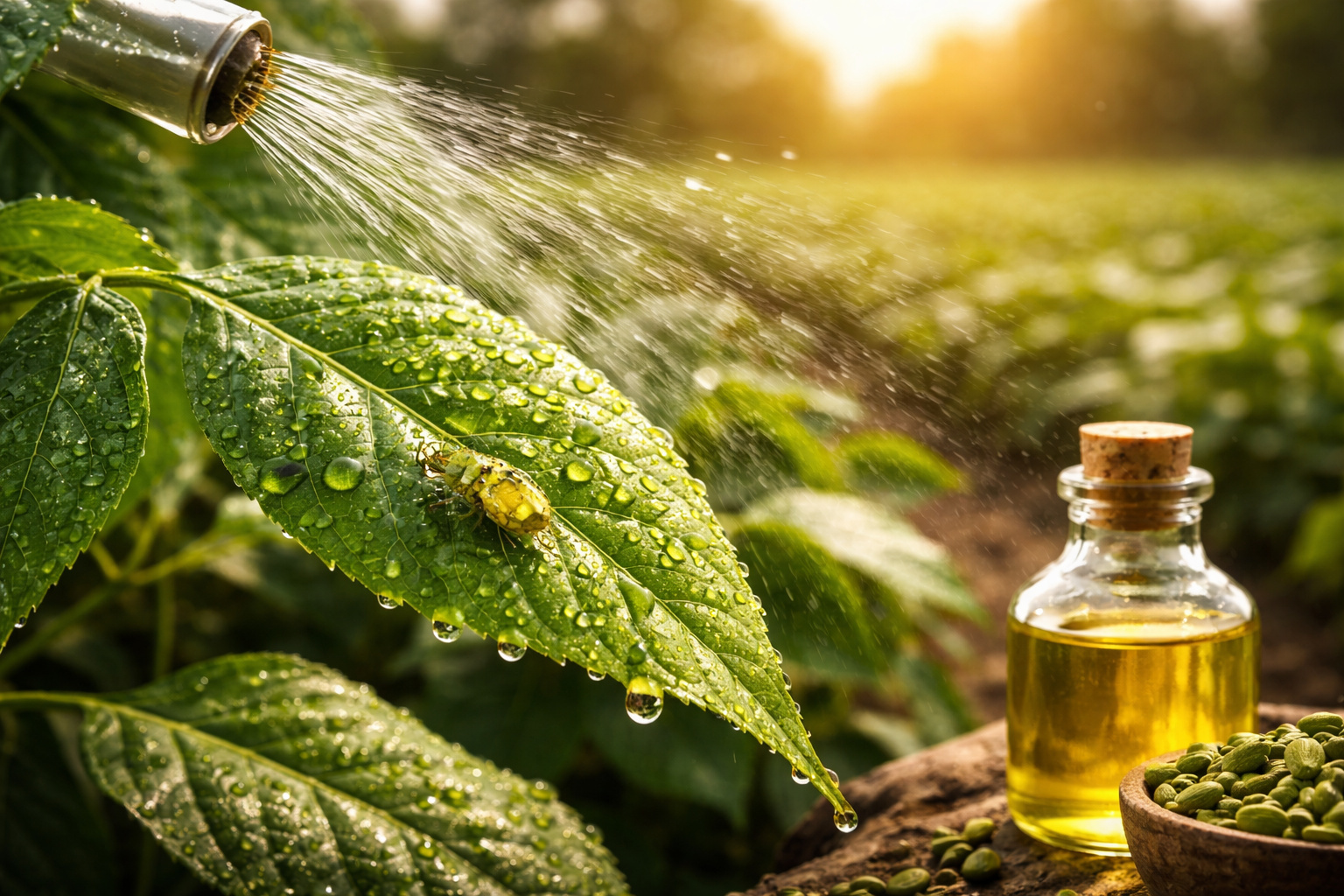
An Indian tree that grows in the Brazilian Northeast produces an oil capable of acting against more than 200 species of pests and interrupting the insect cycle, gaining ground as a natural alternative in soybean, cotton, and vegetable crops.
-
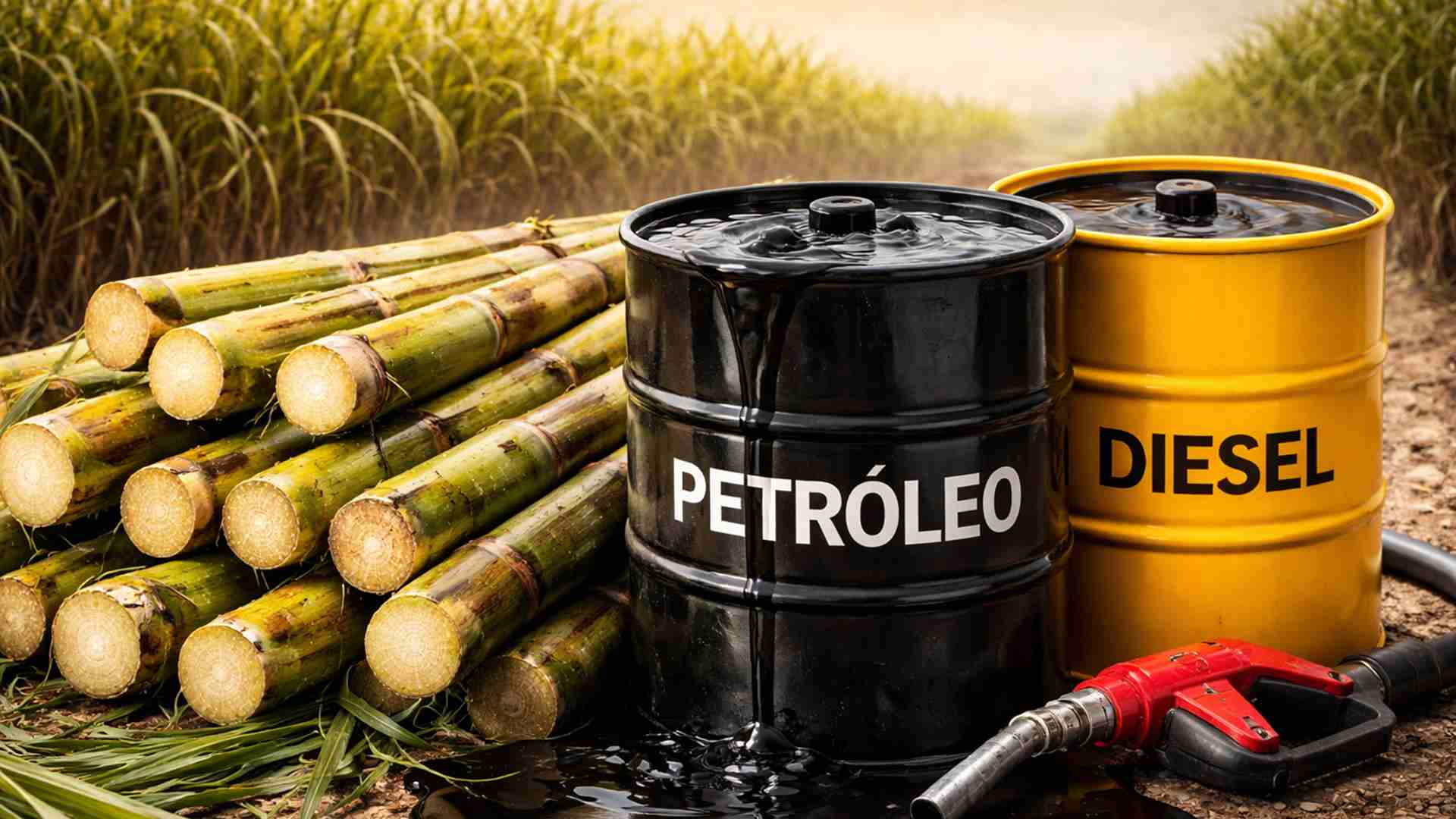
The rise in oil prices in the Middle East is already affecting Brazilian sugar: mills in the Central-South are seeing their margins shrink just as ethanol gains strength.

On July 9, when Trump announced the 50% tariff, she already had two ships scheduled to send over 34 tons of coffee to the United States.
The contract, which represented 30% of her annual revenue, was canceled after several renegotiations. “It was a desperate day,” she recalls.
The American client even suggested that they both share the cost of the tariff, but the company’s profit margin did not allow for it. “It’s not fair. The import tax is the responsibility of the importer, not the exporter,” she vents.
Besides the financial loss, Daniele shares that the blow was emotional. It took ten years of trips, fairs, and consulting to open the market in the U.S. Now, her clients have been seeking suppliers in Vietnam and Colombia.
Brazilian Honey Also Suffers From Tariffs
The situation is no different in the interior of Bahia. Beekeeper Joaquim Rodrigues, from Cipó, saw the price paid for his honey drop by 18% after the tariff was imposed. The kilogram, which used to sell for about R$ 17, now yields only R$ 14.
With an annual production of 20,000 kilograms, he relies almost exclusively on exports. “Before, 80% of the honey went to the United States. Now, we don’t know how it will be,” he states.
The federal government announced that it intends to buy part of the affected production through programs like PNAE (National School Feeding Program) and PAA (Food Acquisition Program). Even so, Joaquim fears that the assistance will not be enough.
Uncertainties in the São Francisco Valley
In the hinterlands of Pernambuco, grape producer Jailson Lira, from the São Francisco Valley, also finds himself in a risky situation.
About 40% of his revenue depends on the United States, but he still does not know what the impact of the tariffs will be, since the final price of the fruit is only determined when it reaches the American market.
The consignment system, in which the grapes are sent to a distributor who resells and passes the value to the producer, makes the business even more uncertain. “The deal is always made in the dark. And now it’s even more so,” says Jailson.
He is seeking alternatives in other countries and even in the domestic market. However, he emphasizes that the mass migration of producers to the same destinations could create an oversupply. “The United States pays well. They are excellent clients. We are losing a great opportunity,” he laments.
Exporters Seek New Markets
Despite the difficulties, part of the agricultural sector is trying to react. Daniele Alkmin has already sent coffee samples to Dubai and Norway, while maintaining clients in Hong Kong, Japan, and Ireland.
However, she needs to close deals by October for the coffee to be marketed as “special.” After this deadline, the quality of the bean may deteriorate and lose value.
In the meantime, producers like Joaquim and Jailson are waiting for more effective measures from the Brazilian government to reduce the effects of the tariffs.
The uncertainty remains, and many fear that Donald Trump’s tariff embargo will cause lasting losses.
The Burden of Tariffs on Brazilian Agriculture
The American tariff has exposed the dependence of part of Brazilian agriculture on the external market, especially the U.S.
For experts, the measure highlights the importance of diversifying exports and creating support policies that ensure competitiveness in times of crisis.
For now, the sentiment in the field is one of apprehension. Producers who took years to carve out space in the American market now see clients distancing themselves due to rising costs. And, even if new destinations arise, the relationships built over decades will hardly be replaced overnight.









Seja o primeiro a reagir!