





 Portuguese
  English
  Spanish
  3 min of reading


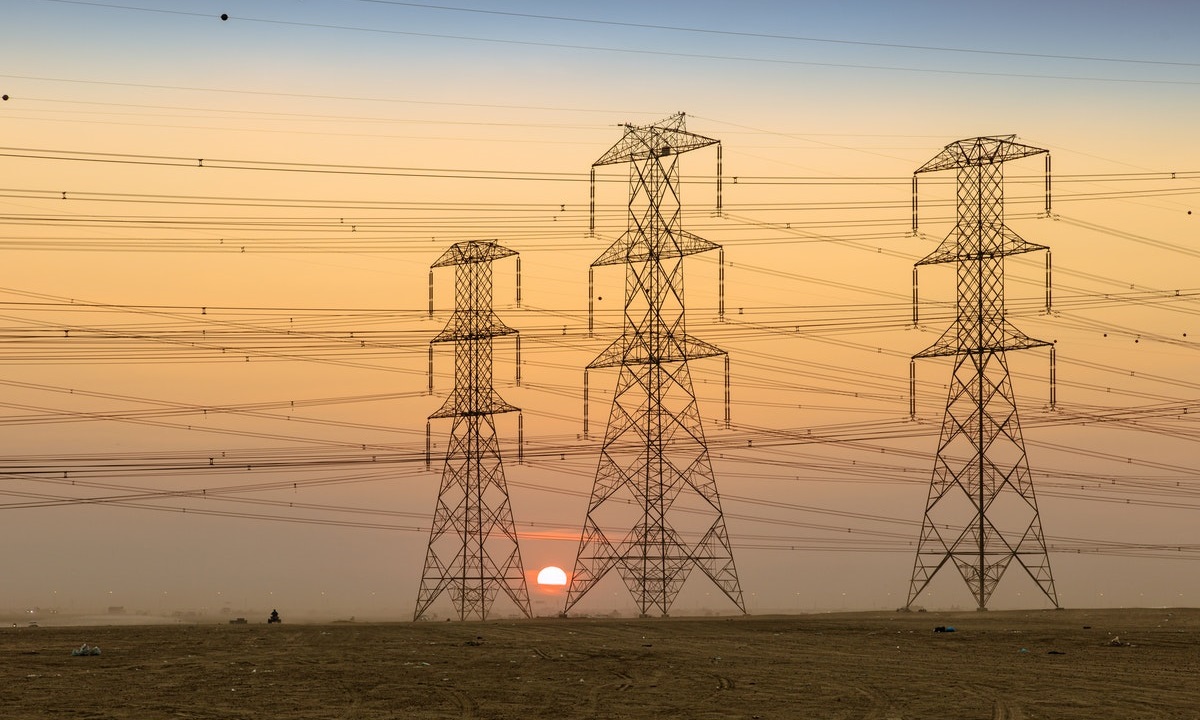
The Deadline for Starting Operation of the Power Plants Contracted Through the Auction Was This Monday, 01
The association that represents large energy consumers requested the government to review the contracting of the plants with delayed operations, which were acquired through an auction held in October 2021.
Only 7 of the 17 plants contracted by the federal government in the emergency energy auction began operations by this Monday, the 01, which was the deadline set in the notice for the start of operations. Of those 7 that began operations, only one is in the testing phase and the other operates only partially.
The emergency auction for the contracting of power plants, held in October 2021, was prompted by the water crisis. The purpose of the auction was to ensure the supply of energy to the Southeast, Midwest, and South, the regions most affected at that time by the lack of rainfall, which dried up the reservoirs of hydroelectric plants and led the government to activate thermal plants, where energy is more expensive, and to adopt new emergency measures. In 2022, rainfall increased the level of reservoirs again and the demand for thermal plants decreased.
-
Renewable energy advances globally with Asia taking the lead; Irena’s analysis indicates a strategic progress that drives the energy transition and reduces generation costs.

-
Globo broadcaster achieves 100% renewable energy and advances climate goal, strengthening environmental commitment, reducing emissions, and influencing large companies to adopt more sustainable and competitive strategies.
-
New mapping reveals the Brazilian states with the greatest potential for the production and use of green hydrogen in Brazil to lead the global market.

-
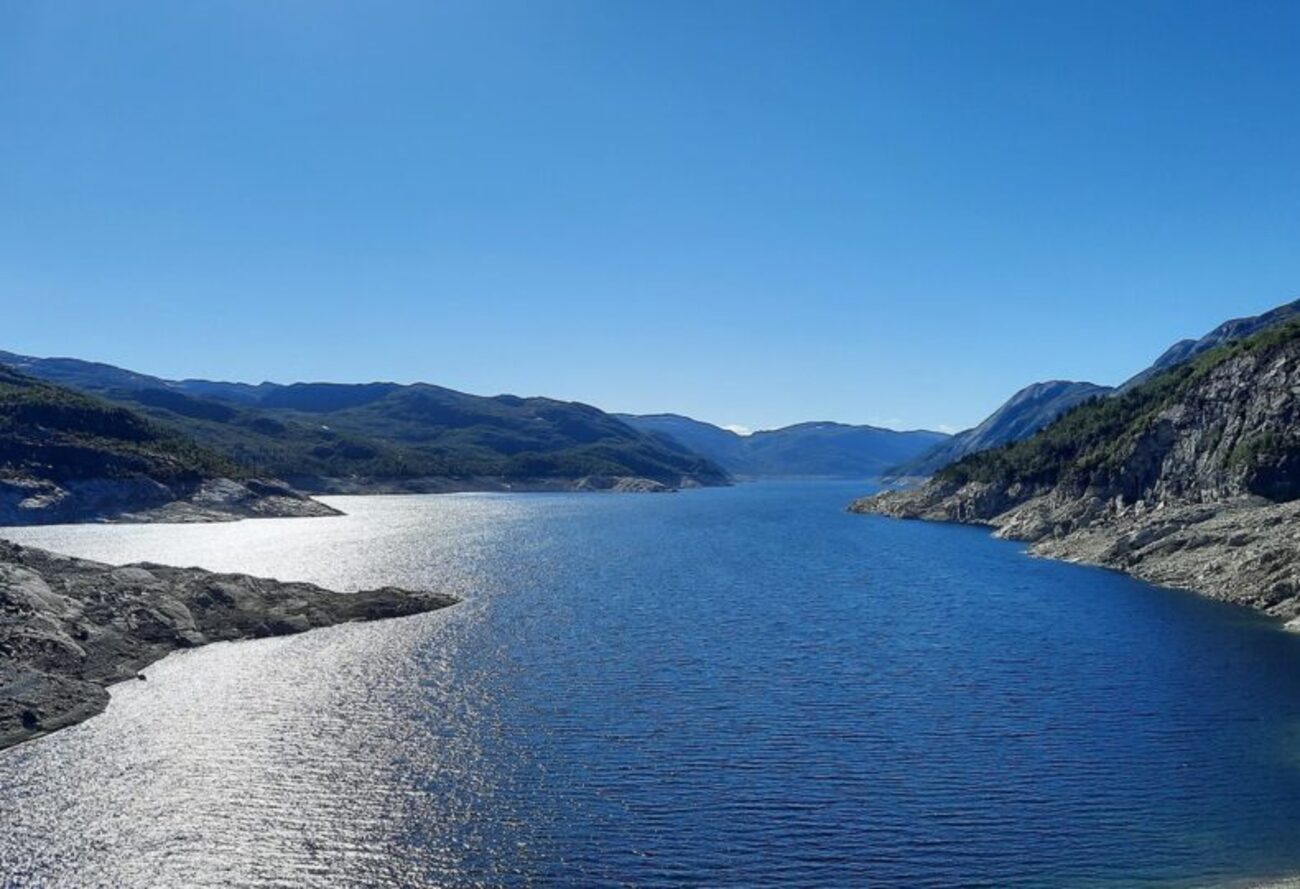
Historical drought and lack of snow in the Norwegian Alps threaten the largest clean energy reserve in Europe and could drive up electricity prices.
Notice Provides for Fines for Delays for Power Plants That Did Not Start Operations by August 1
The plants contracted in the emergency auction conducted by the government that are not ready by August 1 may face fines for delays in starting commercial operation and risk contract termination.
A total of 17 plants were contracted through the auction, of which 14 are natural gas-fired thermal plants, one is biomass-fired, and two are solar photovoltaic plants. Initially, the deadline for starting operations was May 1, but only one plant entered operation on the established date, according to G1 at the time. However, that plant requested a contract termination and is awaiting a decision from the Ministry of Mines and Energy to cease its activities.
The auction notice also allowed delays of up to three months for the start of energy generation, thus establishing a “second deadline,” which would last until August 1, and which was only respected by six more plants (Buritis, Machadinho, MP Paulínia, Viana 1, Povoação 1, and Luiz Oscar Rodrigues de Melo).
Some Plants With Delayed Start of Operations Expect to Commence This Month or Next Month
Of the ten power plants with delayed operations, nine are under construction and expect to begin operations this August or September.
The RE TG 100 02 01 plant, a natural gas-fired plant that was to be located in Santa Catarina, has halted construction and has no predicted start date for its commercial operations, according to data released by Aneel’s monitoring system.
Auction for Contracting the Plants Was Conducted Urgently by the Government
Rushed by the government, the auction for contracting the plants was held last October and comprised simplified rules for contracting energy. The objective at the time was to ensure energy supply to Brazil in the event of a new water crisis.
In 2021, Aneel predicted that the contracted power plants from the auction would cost consumers about R$ 39 billion, which generated criticism from energy consumer associations. The approval of the auction results was even suspended by the courts, but after a preliminary decision, it was overturned.









Seja o primeiro a reagir!