






 3 min of reading
  0 comments


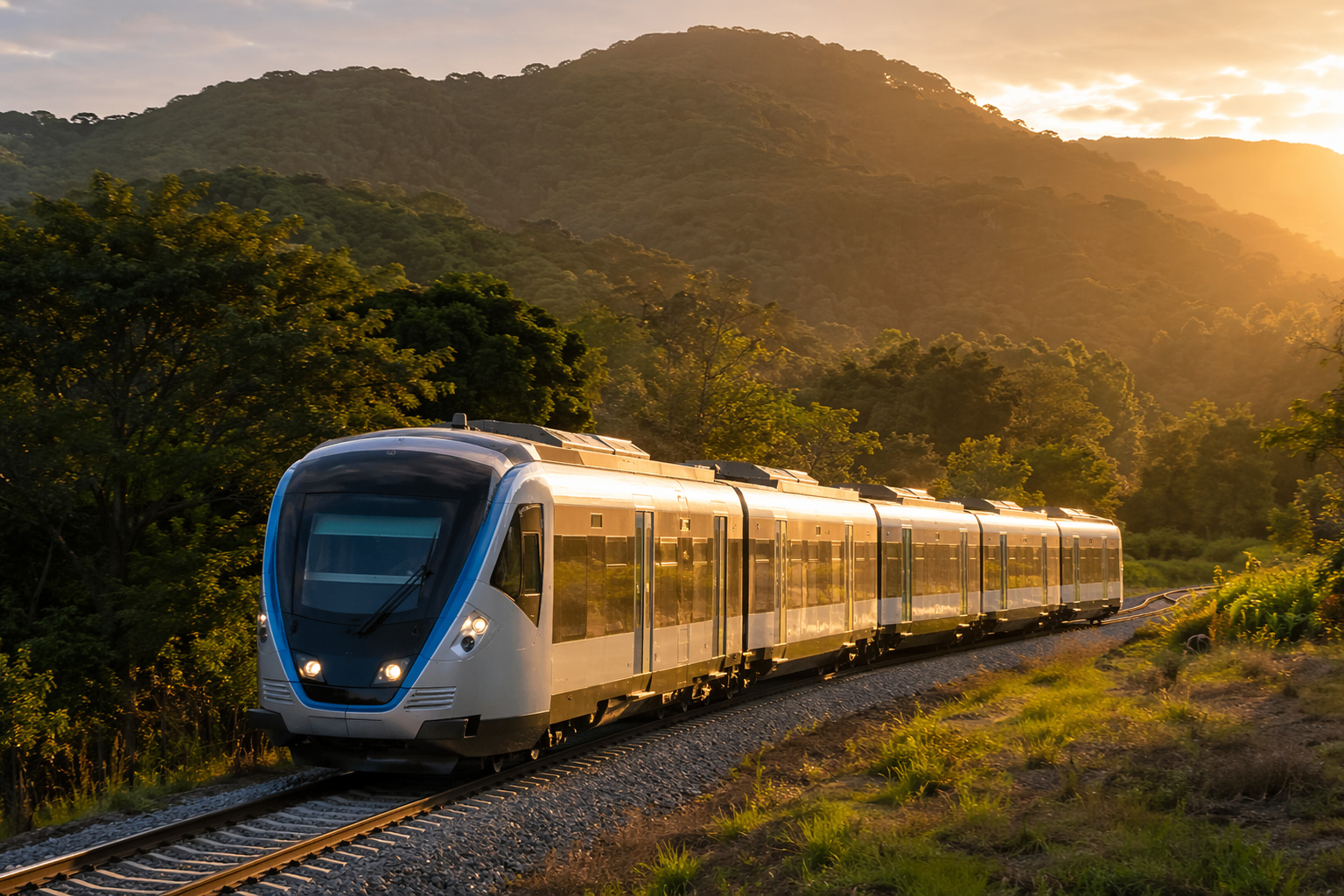
Railway project in Rio Grande do Sul promises fast journey, direct connection with airport, and significant economic impact in Serra Gaúcha
A railway project of large scale has been authorized by the government of Rio Grande do Sul, attracting attention in the infrastructure and tourism sector.
The proposal foresees the connection between Salgado Filho International Airport in Porto Alegre and the city of Gramado, consolidating a new axis of regional mobility.
The project combines technology, comfort, and landscapes of Serra Gaúcha, while reorganizing the movement of tourists and residents.
This movement positions the project as part of a regional development strategy focused on passenger rail transport.
Billion-dollar investment and direct economic impact
The project foresees an estimated investment of R$ 4.5 billion, with full participation from the private sector.
The operation will be carried out through a long-term concession, ensuring structured planning and continuity of service.
The expectation is to generate more than 22,000 direct and indirect jobs, distributed between construction and operation.
This volume of investment places the initiative among the largest in the country aimed at passenger rail transport.
The economic impact is expected to reach sectors such as tourism, services, and regional infrastructure.
Reduced travel time and scenic experience
The journey between the two cities is expected to take about one hour, significantly reducing the current time by road.
The system will feature two independent railway tracks, which increases frequency and improves operational efficiency.
The trains will be hybrid, combining electric and diesel energy, allowing greater operational flexibility.
The route crosses areas of great scenic value, highlighting the natural features of Serra Gaúcha.
This combination transforms the journey into a distinctive tourist experience, in addition to its transport function.
-
Retired trains leave European tracks and become tons of steel, aluminum, and copper in dismantling yards where recycling exceeds 90%, but batteries, composites, and electronics create a new frontier of railway waste.

-
The strategic railway of Santa Catarina will receive R$ 608 million, will undergo historic modernization, and could transform logistics between Mafra and the Port of São Francisco do Sul.
-
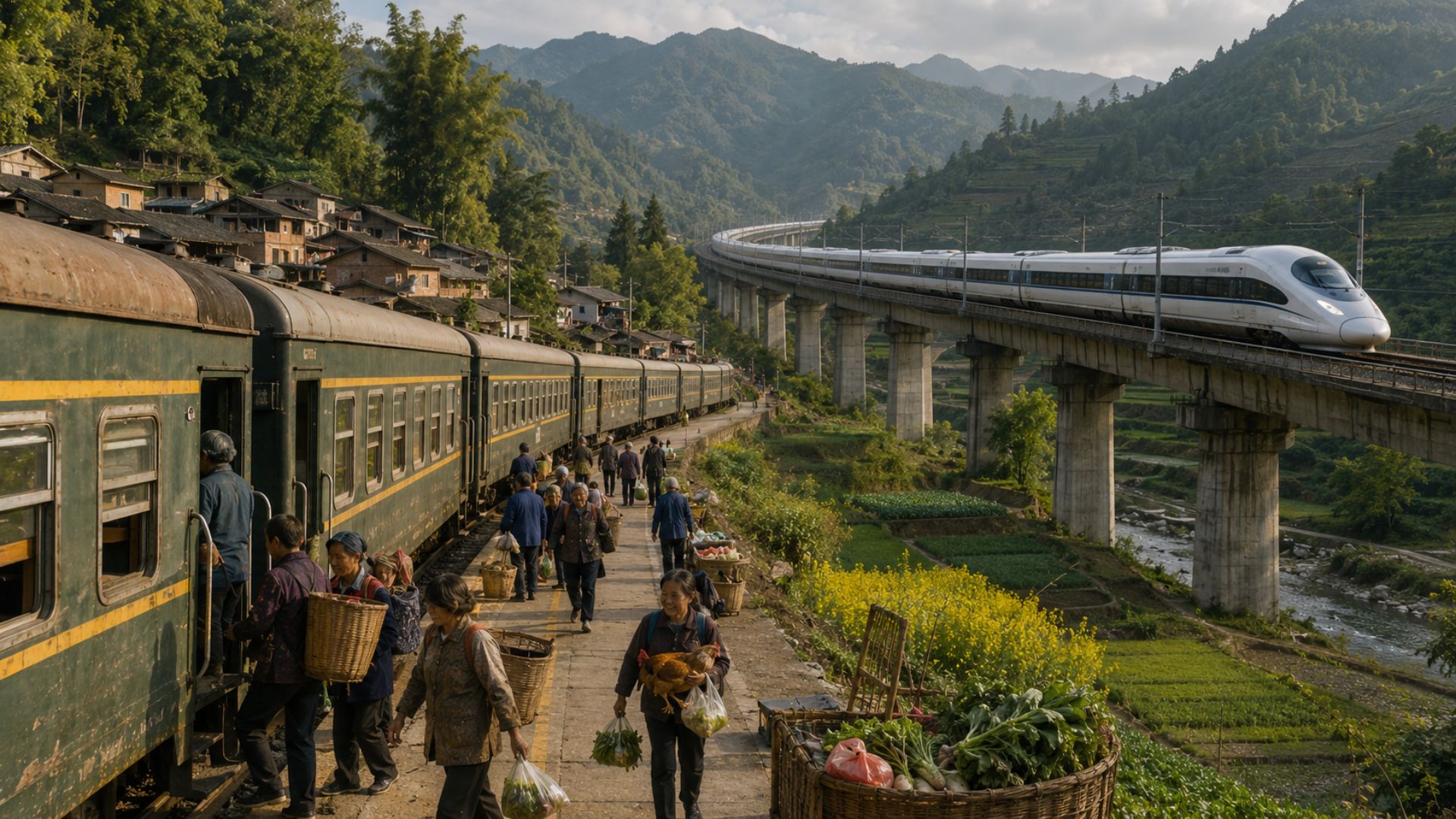
While showcasing bullet trains traveling at over 300 km/h, China maintains about 81 slow train lines that travel at 40 km/h, charge less than R$ 2 for a ticket, and cross remote villages carrying residents, students, and even chickens and vegetables to the market.

-
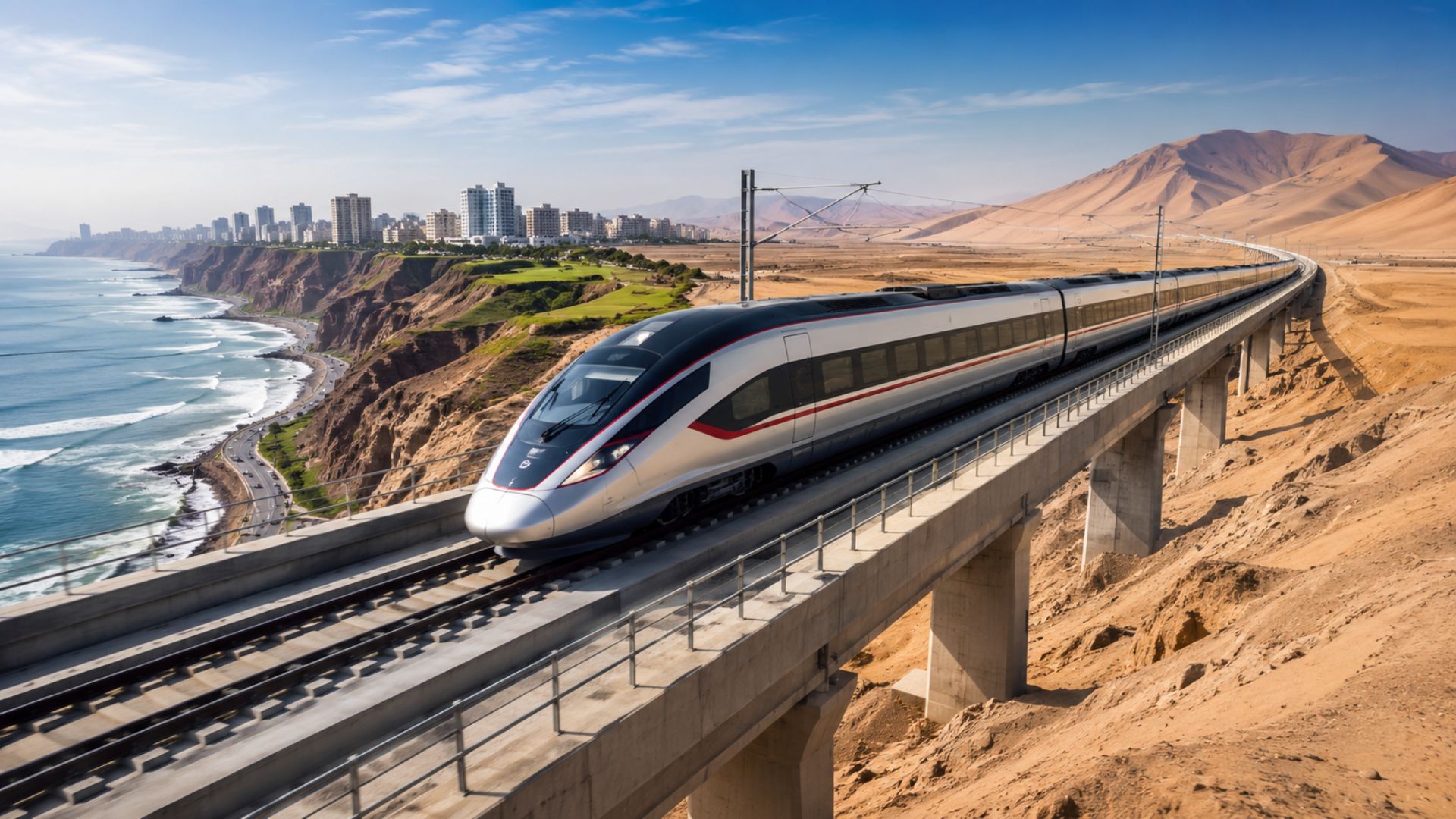
Peru plans to build, with Chinese technology and capital, what is intended to be the fastest train in South America, a high-speed line between Lima and Ica at up to 200 km/h, but the $6.5 billion project is only expected to be completed around 2032.


Integration with airport and tourist cities
The project includes direct integration with Salgado Filho International Airport, facilitating visitor access to the mountainous region.
Tourists arriving in the capital will be able to go directly to Gramado more quickly and comfortably.
The final station will be located on Avenida das Hortênsias, the main tourist axis between Gramado and Canela.
This positioning ensures quick access to the region’s main attractions.
The train is expected to pass through approximately 19 municipalities, connecting different urban and tourist hubs along the route.

Timeline, stages, and expected start
The project still depends on fundamental stages for its execution, such as environmental licensing and infrastructure works.
The planning presented in 2024 indicates that the operation should start between 2030 and 2033, provided all phases are completed.
State authorities and investors are monitoring the progress of the timeline and regulatory processes.
Development is ongoing, with high expectations regarding future impacts.
This scenario keeps the project in the consolidation phase within the long-term planning.
The role of the project in regional mobility
The project is part of a context seeking more efficient transportation solutions in Brazil.
The connection between the airport and tourist destinations strengthens the region’s competitiveness on the national stage.
The proposal highlights a change in strategy, prioritizing modern, integrated, and efficient transport.
The train starts to represent a vector for regional economic development.
The initiative reinforces the importance of structural investments in the railway sector.
The future of tourist rail transport in Brazil
Projects like this indicate a resurgence of passenger rail transport in the country.
The combination of mobility and tourism enhances the potential economic return of these initiatives.
Execution depends on rigorous planning and compliance with regulatory stages.
The success of the project could influence similar proposals in other regions.





Be the first to react!