





 Portuguese
  English
  Spanish
  5 min of reading
  8 comments





Excess Supply, Stalled Projects, Dependency on Specific Sectors, and Flight of Investors Put Brazilian Cities on High Alert for Accelerated Real Estate Devaluation, with Direct Impacts on Liquidity, Rent, and Family Planning
The debate around Brazilian cities at risk of devaluation has returned to the center of the conversation as multiple factors have been accumulating in different markets. Supply exceeding demand, developments lacking adequate infrastructure, and projects that have lost traction create the ground for price corrections that, in more critical scenarios, can approach 40%.
At the same time, Brazilian cities with a strong dependency on a single economic driver become vulnerable to sectoral shocks. When the engine cools down, liquidity dries up, discounts increase, and the selling timeframe extends. In such markets, the investor who bought at the peak tends to face higher vacancy rates and a need to renegotiate rents, accelerating the drop in market value.
Why the Alert Has Returned to the Radar
The combination of sectoral cycles, interrupted works, and launches above absorption capacity often opens space for deep corrections.
-
The narrowest house in the world is only 63 centimeters wide, but inside it can accommodate a bathroom, kitchen, bedroom, office, and even two staircases.

-
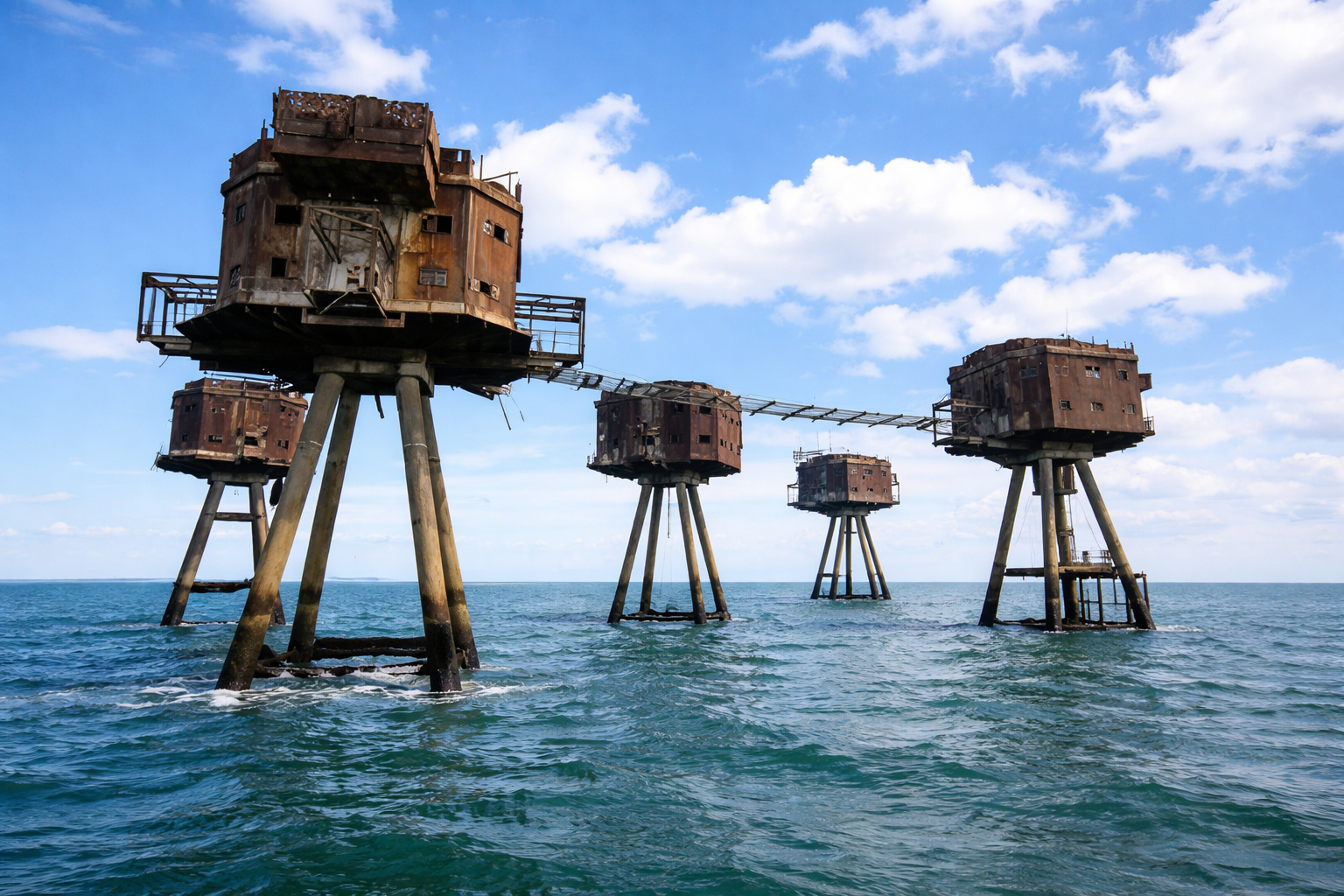
In the middle of the sea, these enormous concrete and steel structures, built by the British Navy to protect strategic maritime routes, look like they came straight out of a Star Wars movie.
-
For years, no one could cross a neighborhood in Tokyo because of the tracks, but an impressive solution changed mobility and completely transformed the local routine.

-
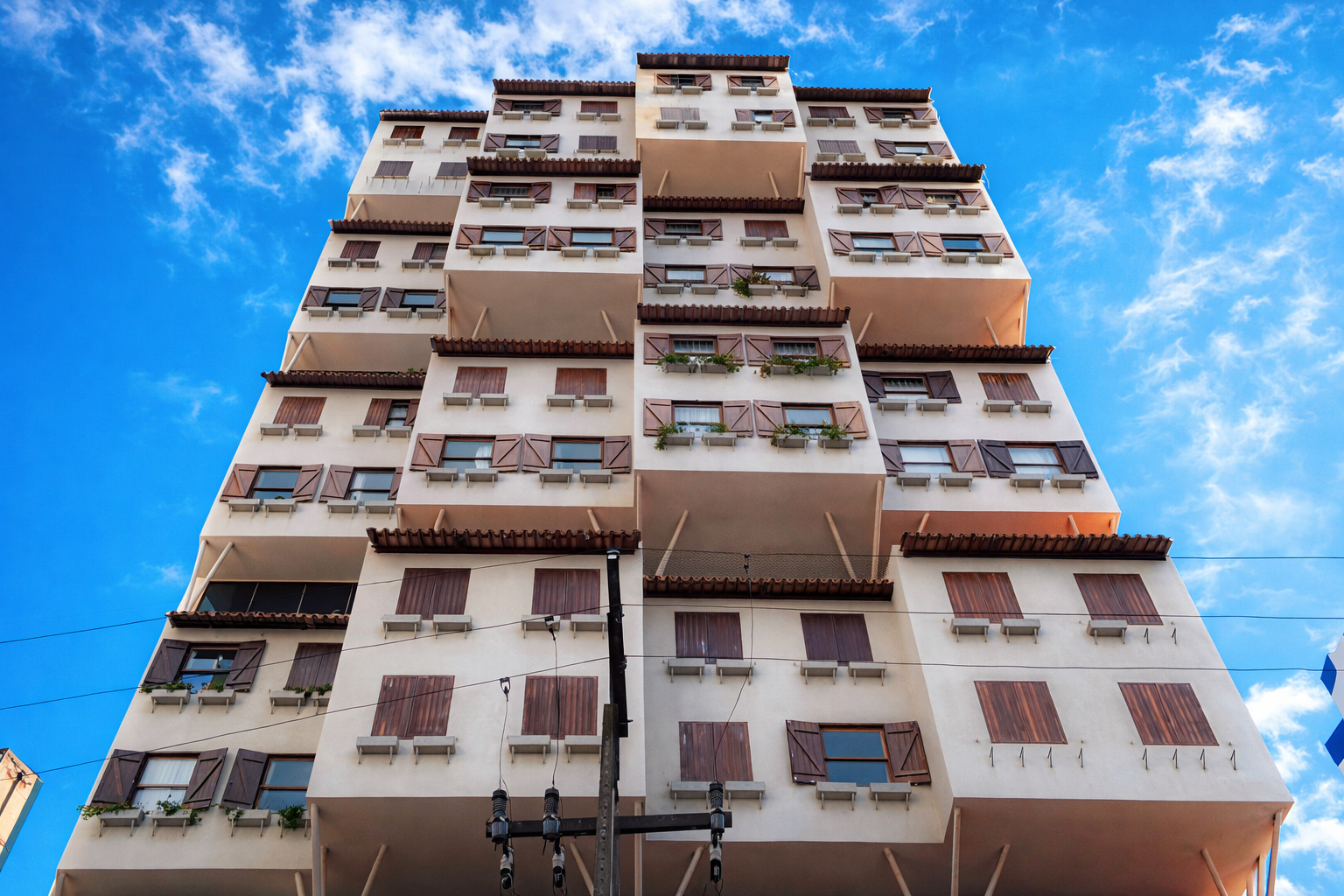
With 15 floors, an unusual building in Curitiba uses concrete, pilasters, and exposed roofs to create the effect of stacked houses.

When the industrial or service base recedes and employment decreases, the real estate market loses support, especially in neighborhoods with newly delivered supply and low quality public services.
Another vector is incomplete infrastructure.
Poor sanitation, insufficient drainage, and irregular maintenance increase costs for residents and drive away buyers.
Without quick resolutions, the stock stagnates, and the cash flow needs of entrepreneurs press prices down.
15 Brazilian Cities Where Investing in Real Estate May Be a Big Mistake in 2025
The Brazilian real estate market is experiencing a moment of contrasts. While some regions are registering constant appreciation, others are facing a warning scenario.
In various cities, factors such as excess supply, poor infrastructure, local economic crisis, and loss of industrial attractiveness are causing significant drops in property prices.
In extreme cases, devaluation may exceed 40%, impacting both investors and residents.
Below, see the list of cities identified as the most risky for buying real estate at this time, according to recent market analyses and socioeconomic indicators.
- Itaboraí (RJ)
- Cubatão (SP)
- São Gonçalo (RJ)
- Rio de Janeiro – Zona Oeste (RJ) (Santa Cruz and Campo Grande)
- Parauapebas (PA)
- Macaé (RJ)
- Betim (MG)
- Chapadão do Sul (MS)
- Paulista (PE)
- Santa Cruz do Sul (RS)
- Porto Velho (RO)
- Canoas (RS)
- Serra (ES)
- Mossoró (RN)
- Altamira (PA)
Signs of Stress That Investors Should Monitor
The first sign is the increasing stock of vacant units over an extended period.
Developments progressing without urban compensations also indicate a risk of future devaluation.
When rents begin to drop in previously heated locations, selling prices tend to follow.
Another relevant indication is the dependence on a dominant sector, such as oil, mining, or automotive.
Demand shocks, cuts in investment, and production slowdown quickly translate into higher commercial and residential vacancy, fueling downturn cycles.
Recurring Risk Profiles in the Listed Brazilian Cities
In the Brazilian cities highlighted in this report, three patterns emerge.
The first involves booms associated with major projects or commodity cycles, followed by a cooling that leaves idle stocks and semi-closed neighborhoods.
The second is linked to accelerated residential expansions without backing from young demographics, formal employment, and urban mobility.
The third stems from public safety issues and environmental liabilities, which reduce attractiveness and compress values.
In all cases, when buyers perceive uncertainty about income, infrastructure, and safety, they ask for more discounts and are willing to wait.
Sales time increases, negotiations stretch, and the closing price moves further away from the asking price, reinforcing the downward trend.
Examples and Vectors Cited in the Report
The report mentions distinct realities that share the risk of mismatch between supply and demand.
There are cities boosted by energy or mining projects that, after the peak phase, lost traction and ended up with excess stock.
In metropolitan areas, neighborhoods with poor infrastructure and violence pressure see businesses and families migrating to nearby more stable locations.
There are also cases of explosion of launches without proportional planning of urban services.
In these contexts, maintenance costs rise, resident experience worsens, and the embedded risk premium in the price increases, forcing stronger corrections for those who need to sell.
What Can Happen to Prices and Liquidity
When multiple negative vectors accumulate, reductions can deepen.
Aggressive discounts in resale, cuts in developers’ pricing, and renegotiation of rental contracts become frequent.
The immediate effect is the drop in appraisal value and the deterioration of guarantees in credit operations backed by the property.
In the medium term, the market seeks a new equilibrium point.
Stocks are cleared, launches slow down, and prices stop dropping when real demand once again exceeds supply.
Until then, liquidity remains constrained and buyers with cash gain bargaining power.
Protection Strategies for Buyers and Owners
For those considering entering, conduct a thorough due diligence on infrastructure, mobility, and safety.
Evaluate vacancy rates in the surroundings, quality of services, and history of project delivery.
In pressured markets, negotiate price, terms, and maintenance based on evidence from the neighborhood, not just on the city average.
For those already owning property, prioritize essential maintenance and condominium efficiency to preserve attractiveness.
Repricing rent intelligently reduces vacancy and softens losses.
If selling is inevitable, working with appraisals and market data helps shorten the cycle and reduce the final discount.
How to Read Risk Without Losing Opportunities
Not every adjustment signifies a permanent loss.
Steep declines can open selective entries when there is a credible infrastructure plan, sector recovery, or urban requalification.
The focus should be neighborhood by neighborhood, with a keen eye on schools, transportation, services, and safety, as it is in the micro that prices are sustained.
In parallel, geographic and typology diversification decreases exposure to local shocks.
Combining residential and commercial assets in markets with different cycles helps cushion fluctuations and protect cash flow.
The current snapshot shows Brazilian cities under pressure from excessive supply, stalled projects, and a flight of investors, which could lead to corrections of up to 40% in extreme scenarios.
Lower liquidity, rental renegotiations, and longer selling timelines are already part of the daily reality in critical areas, while recovery will depend on infrastructure, employment, and security.
In your city, where is price pressure most visible: in newly subdivided neighborhoods, in transitioning industrial zones, or in areas with stalled projects? Would you sell at a discount now or hold on waiting for local improvement? Leave your analysis in the comments; we want to hear from those living this market practically.








Em resumo, não consegue comprar um imóvel e agora lança uma reportagem para sabotar o mercado e tentar barganhar o seu desejo de adquirir um imóvel.
“Notícia rasa. Falar em desvalorização de 40% sem analisar ciclo de oferta, renda e absorção é amadorismo travestido de alerta. O mercado imobiliário não reage a pânico — ele recompensa estratégia.”
— Gustavo Della Valle · Estrategista Imobiliário
**** **** só sabe falar do Bolsonaro .